
The archaeology system completely changed exploration in Minecraft, and one of the biggest additions is trail ruins Minecraft. These buried structures encourage players to slow down, dig carefully, and uncover hidden pieces of the game’s forgotten history.
For many players, trail ruins Minecraft quickly became one of the most interesting discoveries introduced in recent updates. Unlike villages or temples, these ruins are partially hidden underground and require patience, exploration, and archaeology tools to fully uncover. And before we continue, know that to know more about all the relevant content about gaming, you just have to check our blog.
What are trail ruins Minecraft?
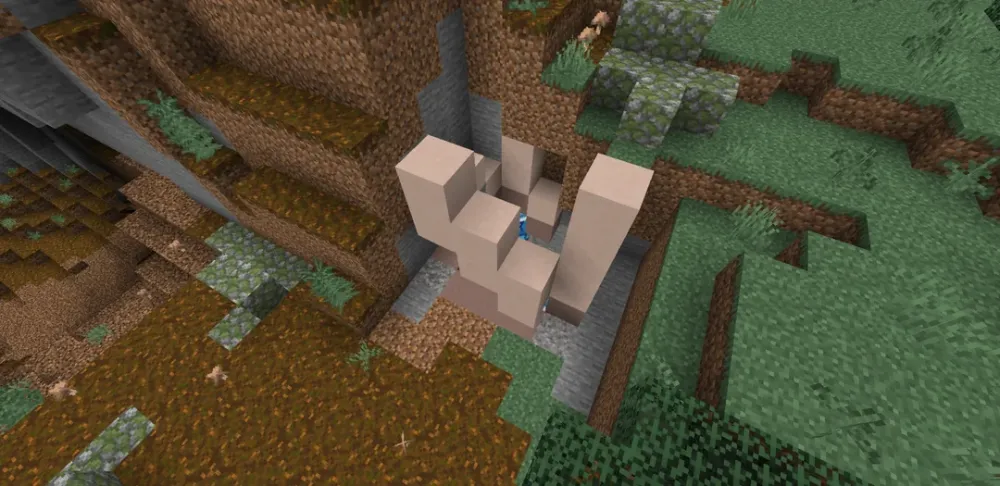
To begin with, trail ruins Minecraft are designed around discovery rather than combat. In other words, players are rewarded for careful excavation, searching suspicious gravel blocks, and collecting rare decorative items hidden beneath layers of dirt, clay, and gravel.
At the same time, these ruins add more depth to survival gameplay because they encourage exploration across multiple biomes. Instead of simply farming resources, players can now become archaeologists inside their Minecraft worlds.Trail ruins are buried archaeological structures introduced as part of Minecraft’s archaeology update. They are designed to look like remnants of ancient settlements hidden beneath the surface.
Unlike traditional structures, trail ruins are intentionally difficult to spot because much of the structure remains underground.
Why trail ruins are different from other structures
Most Minecraft structures focus on combat, loot chests, or quick exploration. However, trail ruins Minecraft emphasize patience and excavation mechanics.
Players must carefully uncover suspicious gravel blocks using a brush tool instead of simply mining everything around them.
Similarly, the structure tells environmental stories through pottery sherds, decorative blocks, and buried pathways.
Key characteristics of trail ruins include:
- Buried underground generation
- Suspicious gravel blocks
- Archaeology-based loot
- Decorative pottery sherd rewards
- Hidden structural layouts
Because of that, trail ruins feel very different compared to temples, mineshafts, or ocean ruins.
Why archaeology matters in Minecraft
The archaeology update introduced slower and more immersive exploration mechanics.
Instead of focusing entirely on combat or farming, players can now uncover hidden historical elements throughout the world.
This also gives builders and collectors more reasons to explore because pottery sherds and decorative items cannot be found through normal mining.
You may also like: Minecraft House Tutorial: Step-by-Step Guide for Beginners
Where is the Minecraft trail ruins location?
Finding ruins can be difficult because they are partially buried underground. The most common Minecraft trail ruins location areas are taiga, snowy taiga, and jungle biomes.
These structures usually generate beneath gravel, dirt, and clay layers, making them harder to identify from the surface.
Biomes where trail ruins generate
Trail ruins appear in specific biome categories.
Taiga biomes are one of the easiest places to search because the terrain often exposes suspicious gravel naturally.
Similarly, snowy taiga biomes can contain ruins partially covered by snow, while jungle ruins are often hidden beneath dense vegetation.
Common trail ruins biomes include:
- Taiga
- Snowy taiga
- Jungle
Because of that, players should focus their exploration around these biome types when searching for archaeological sites.
Surface signs that reveal buried ruins
Although most ruins remain underground, some surface clues can help identify potential excavation spots.
For example, unusual patches of gravel, terracotta, or exposed stone patterns may indicate buried structures below.
At the same time, terrain irregularities often reveal hidden pathways or collapsed sections connected to larger underground layouts.
Understanding these signs makes how to find trail ruins Minecraft much easier during survival exploration.
Check also: Minecraft Horse Stable: How to Build one, Designs and Tips
How to find trail ruins Minecraft safely
Searching for buried structures can become dangerous if players dig carelessly. Gravel collapses, caves, and hostile mobs can quickly turn an excavation into a disaster.
Because of that, preparation matters before starting a large dig site.
Best exploration strategies
Players should always carry enough supplies before searching underground.
Torches, food, armor, and building blocks help secure excavation areas while preventing mob spawns.
Likewise, marking coordinates or using maps makes it easier to return to discovered ruins later.
Safe exploration tips include:
- Bring extra torches and food
- Avoid digging straight downward
- Secure suspicious gravel areas carefully
- Use water buckets to control falling gravel
- Store important loot immediately
These strategies reduce the chances of losing rare archaeology rewards.
Why multiplayer exploration changes excavation
Excavating ruins in multiplayer worlds can be faster and safer because multiple players can clear debris and secure the area simultaneously.
However, lag and unstable connections may create problems while brushing suspicious gravel blocks or moving through underground tunnels.
This becomes especially important during large multiplayer servers where chunks load constantly while players explore.
Read also: Minecraft fish: complete guide to all fish types and farming tips
Tools needed for trail ruins Minecraft archaeology
Archaeology requires different tools compared to normal mining.
The most important item is the brush, which allows players to safely excavate suspicious gravel without destroying hidden loot.
Essential archaeology equipment
Players should prepare a full excavation setup before beginning large archaeological projects.
Recommended equipment includes:
- Brush tool
- Iron or diamond shovel
- Torches
- Water bucket
- Storage chests or shulker boxes
At the same time, carrying extra blocks helps reinforce unstable excavation sites where gravel may collapse.
Why careful excavation matters
Mining suspicious gravel directly destroys hidden rewards instantly.
Because of that, players must use the brush slowly and carefully to reveal pottery sherds and rare loot safely.
Many players searching for trail ruins Minecraft archaeology mechanics accidentally destroy valuable rewards simply by rushing the excavation process.
Above all, stable online performance becomes important during multiplayer exploration and excavation sessions. ExitLag helps reduce lag spikes, stabilize routing, and improve responsiveness while exploring large Minecraft servers.
Whether you are uncovering suspicious gravel or searching for a rare Minecraft trail ruins seed, smoother gameplay makes exploration and archaeology significantly more reliable in trail ruins Minecraft adventures.
Trail ruins Minecraft loot and rewards
One of the main reasons players search for trail ruins is the exclusive loot hidden beneath suspicious gravel blocks. Unlike traditional structures, the rewards inside trail ruins Minecraft focus heavily on archaeology, decoration, and exploration.
Because of that, players who enjoy collecting rare cosmetic items and uncovering hidden history usually find these ruins extremely rewarding.
Pottery sherds and decorative rewards
Pottery sherds are the most iconic rewards found during excavations.
Players can combine these fragments to craft decorated pots with unique patterns and designs. This adds much more personality to bases and survival worlds.
Similarly, certain pottery sherd collections become valuable for builders who want rare decorative themes.
Common archaeology rewards include:
- Pottery sherds
- Decorative blocks
- Rare dyes
- Emeralds
- Tools and armor pieces
These rewards make archaeology feel very different from normal treasure hunting.
Check also: Minecraft error code 1: complete guide to fix exit code issues
Rare gear and hidden treasures
Some ruins also contain practical rewards such as enchanted tools, armor pieces, and useful survival items.
At the same time, excavation sites may hide loot unavailable through regular mining or village trading.
Because of that, careful excavation becomes much more valuable than simply rushing through the structure.
Minecraft trail ruins seed tips
Using a good Minecraft trail ruins seed can save players a huge amount of exploration time.
Some seeds generate ruins close to spawn, while others place multiple archaeology sites near valuable structures and villages.
What makes a good trail ruins seed?
Strong archaeology seeds usually combine easy biome access with nearby resources.
For example, taiga seeds near villages are especially useful because players can gather supplies quickly before beginning excavation.
Likewise, jungle seeds often generate large terrain variations that expose buried ruins more naturally.
Key advantages of strong seeds include:
- Easier biome access
- Faster early-game exploration
- Nearby villages and resources
- Multiple archaeology sites
- Better survival progression
Choosing the right world seed can dramatically improve long-term exploration.
Why seeds matter for multiplayer worlds
Multiplayer servers benefit heavily from efficient world generation.
When multiple ruins generate near spawn, players can create excavation projects together and share discoveries more easily.
Similarly, organized archaeology areas often become popular community locations on survival servers.
Check this: Minecraft Dock: Build the Perfect Waterfront Structure in Your World
How to excavate trail ruins without losing items
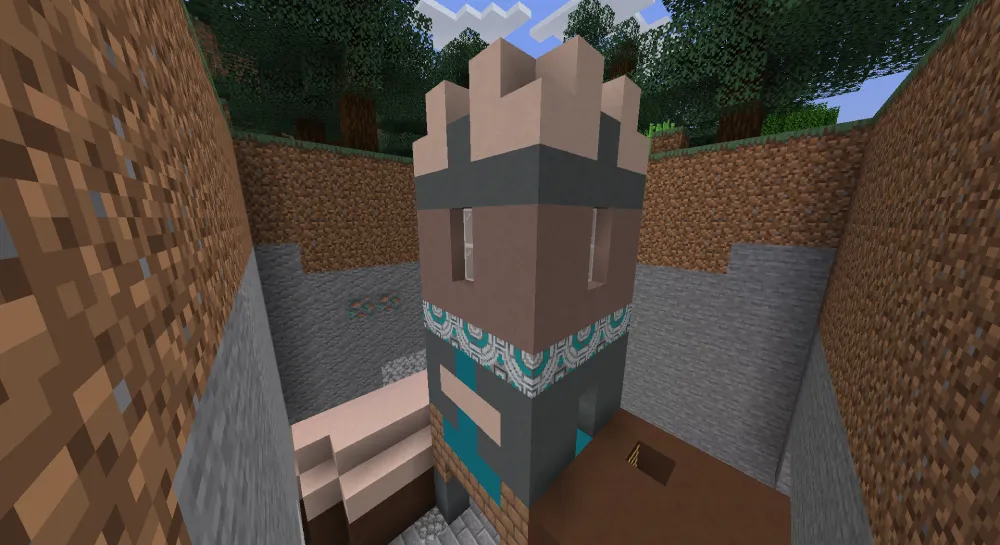
Excavation requires patience because suspicious gravel blocks break easily.
Many players lose rare rewards simply because they mine too quickly or ignore structural stability.
Safe excavation methods
The safest strategy is clearing surrounding blocks first before brushing suspicious gravel.
This prevents collapses and gives players more room to work carefully around fragile sections.
Likewise, using torches and support blocks helps prevent gravel from falling unexpectedly.
Safe excavation tips include:
- Clear nearby gravel first
- Brush suspicious blocks slowly
- Use torches for visibility
- Avoid TNT or explosions
- Store rewards immediately
These methods greatly reduce the chances of losing rare archaeology items.
Common excavation mistakes
One of the biggest mistakes is mining suspicious gravel directly with a shovel.
Because of that, players should always confirm suspicious blocks before breaking anything.
Another common issue happens when players dig straight downward into ruins, causing cave-ins or falling gravel traps.
Understanding proper trail ruins Minecraft archaeology mechanics helps preserve both the structure and the rewards hidden inside.
How ExitLag helps Minecraft multiplayer exploration
Minecraft multiplayer servers can become unstable during exploration because chunk loading constantly changes while players travel across large worlds.
This becomes even more noticeable while exploring underground ruins and archaeology sites with multiple players online.
Better stability while exploring large worlds
ExitLag helps optimize routing and stabilize online gameplay during multiplayer sessions.
Because of that, players can explore large survival servers with fewer lag spikes and more reliable chunk loading.
Main benefits include:
- Reduced latency spikes
- More stable multiplayer exploration
- Better chunk loading consistency
- Improved responsiveness underground
- Smoother online sessions overall
These improvements become especially useful while searching distant biomes for archaeology structures. To know more, check our pricing page.
Why responsiveness matters during excavation
Precise movement matters while brushing suspicious gravel blocks and navigating underground tunnels.
At the same time, smoother performance helps players avoid accidental mistakes during excavation.
Above all, stable connections improve multiplayer cooperation when several players excavate the same structure together.
Trail ruins Minecraft biome comparison table
| Biome | Structure Visibility | Exploration Difficulty | Common Terrain |
| Taiga | Medium | Easy | Forests and gravel patches |
| Snowy Taiga | Low | Medium | Snow-covered terrain |
| Jungle | Very Low | Hard | Dense vegetation |
This variety makes every excavation feel different depending on biome conditions and terrain generation.
Frequently asked questions (FAQ)
Trail ruins are buried archaeological structures introduced in Minecraft’s archaeology update. Players excavate suspicious gravel blocks using brushes to uncover hidden loot and decorative items.
The best strategy is searching taiga, snowy taiga, and jungle biomes for unusual gravel or terracotta patches.
Many players searching how to find trail ruins Minecraft also use seeds and chunk mapping tools to speed up exploration.
Players can obtain pottery sherds, decorative blocks, emeralds, dyes, enchanted gear, and other archaeology-related rewards.
The unique trail ruins Minecraft loot system makes excavation much more rewarding for collectors and builders.
They can be dangerous if players rush the process.
Falling gravel, underground caves, mobs, and accidental block destruction are common risks during excavation.
Yes. ExitLag helps stabilize online gameplay, improve routing, and reduce lag spikes during multiplayer sessions.
This is especially useful while exploring large survival servers and loading new chunks continuously. ExitLag can drastically improve your gameplay for an accessible price. To know more, check our pricing page.
In conclusion
Trail ruins introduced one of the most immersive exploration systems ever added to Minecraft. Instead of focusing entirely on combat or farming, archaeology encourages patience, discovery, and careful excavation.
Whether you are searching for rare pottery sherds, uncovering hidden structures, or experimenting with world seeds, trail ruins offer a completely different type of survival adventure.
Most importantly, smooth multiplayer performance helps make excavation safer and more enjoyable. ExitLag improves stability, responsiveness, and online consistency while exploring and excavating trail ruins Minecraft across large multiplayer worlds. Download ExitLag now!
Got questions or want to connect with other players? Join the conversation at the ExitLag Forum!