FPS, short for frames per second, is a key concept in gaming and performance measurement. Whether you’re exploring FPS games, running an FPS test, or using an FPS calculator to optimize your setup, understanding how FPS works is essential for smooth gameplay.
From checking performance with an FPS counter to finding the best FPS gaming setups, players rely on accurate metrics to enhance their experience. This guide will cover everything about FPS first person mechanics, FPS shooter games, and practical tools like FPS tester platforms. By the end, you’ll have a complete overview of what FPS means, and how FPS affects your gaming.
FPS in Games: Why Is It So Important?
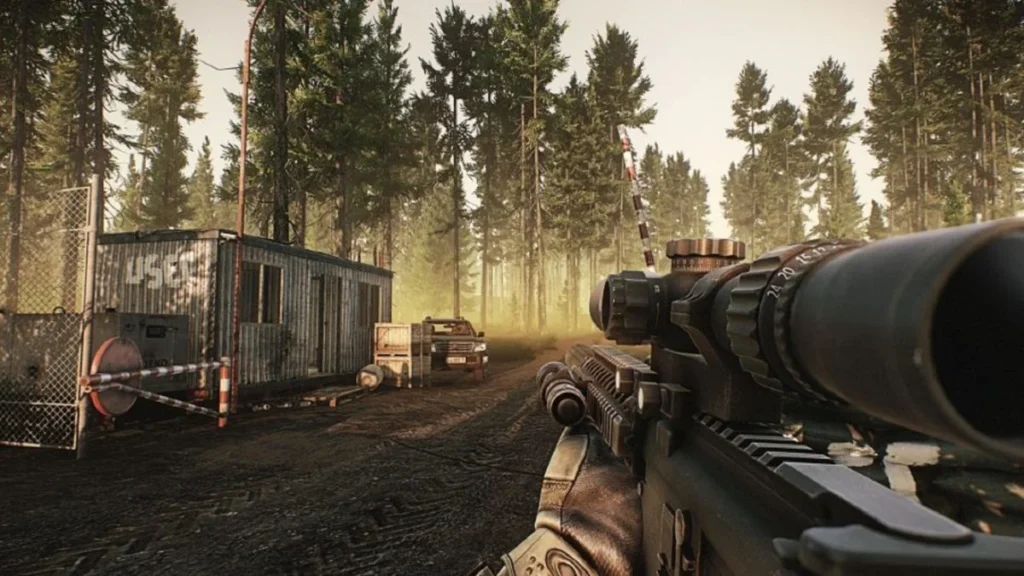
In the world of gaming, FPS (frames per second) directly impacts how smooth and immersive the experience feels. A higher frame rate allows for faster reactions, clearer visuals, and better overall performance, especially in competitive scenarios. For players of FPS games, every extra frame can make the difference between winning and losing.
Technical Explanation: Frame Rate and Visual Smoothness
Technically, FPS refers to how many frames your system can render each second. The higher the FPS, the smoother the motion looks on screen. In an FPS game, this translates to quicker input response and reduced visual lag. For example, a low FPS can make gameplay feel choppy and delayed, while a high FPS creates a fluid and natural motion, giving players a crucial edge in FPS shooter games.
Difference Between 30, 60, 120, and 240 FPS
- 30 FPS: Considered the minimum playable frame rate, but the experience can feel sluggish, especially in fast-paced titles.
- 60 FPS: Standard for most gamers, offering smooth and responsive gameplay suitable for almost any FPS game.
- 120 FPS: Provides a noticeably better level of fluidity, especially valuable in competitive FPS shooter games where reaction time matters.
- 240 FPS: The peak for professional gaming setups, delivering ultra-smooth visuals and responsiveness for the best competitive advantage in FPS games.
Types of FPS and How to Test
There are different ways to evaluate FPS depending on the tools and methods you use. Gamers often rely on built-in features, external software, or hardware solutions to track performance. Tools like an FPS counter, FPS tester, or FPS calculator make it easier to understand how your system performs and how to optimize it for smoother gameplay.
Tools to Measure FPS in Real Time
- FPS Counter – Many platforms, such as Steam or NVIDIA GeForce Experience, offer a built-in FPS counter that shows the frame rate in real time during an FPS game.
- FPS Tester – Online FPS tester platforms allow you to quickly check your current performance, which is useful when troubleshooting or testing new setups.
- FPS Calculator – An FPS calculator estimates performance based on your hardware (CPU, GPU, and RAM), giving you an idea of what frame rates to expect before even running the FPS games.
Recommended Programs and Methods
- NVIDIA GeForce Experience (Overlay with FPS counter).
- MSI Afterburner (Detailed performance monitoring, including FPS).
- Razer Cortex (Optimizes system resources and provides an FPS counter).
- FRAPS (Classic program for recording and real-time FPS monitoring).
- Online FPS Tester (Quick browser-based solutions for testing FPS).
Comparative Table of Options
| Tool / Method | Type | Features | Best Use Case |
| Steam FPS Counter | Built-in | Simple real-time FPS display | Casual monitoring during FPS games |
| NVIDIA GeForce Exp. | Overlay | FPS, latency, GPU usage | NVIDIA GPU users, FPS shooter games |
| MSI Afterburner | Software | Detailed hardware stats + FPS counter | Advanced users & overclocking setups |
| Razer Cortex | Optimizer + FPS | System optimization + FPS counter | Boosting older PCs for FPS game |
| FRAPS | Software | FPS monitoring + recording | Streamers & content creators |
| Online FPS Tester | Web-based | Quick FPS check without installation | Fast testing and troubleshooting |
| FPS Calculator | Estimator | Predicts FPS based on hardware specs | Planning builds & best FPS gaming |
FPS vs. Human Experience
One of the most common questions among gamers is: “How many FPS can the human eye see?” The answer is not as simple as a fixed number, and many myths surround this topic.
How Many FPS Can the Human Eye See?
The human eye does not perceive frames in the same way a monitor or a FPS counter does. Instead, our vision processes continuous light and motion. However, under controlled experiments, most people can clearly distinguish differences in motion fluidity up to around 200–240 FPS.
This means that while the eye doesn’t see “frames” in a digital sense, humans can perceive smoother motion and reduced input lag at higher frame rates in FPS games and especially in FPS shooter games.
Myths vs. Reality
- Myth 1: The human eye can only see 24 FPS. This confusion comes from cinema, where 24 FPS is the standard. Movies use motion blur to trick the brain into perceiving smoothness, but in gaming, where real-time interaction is critical, 24 FPS feels extremely choppy.
- Myth 2: Anything above 60 FPS is useless. While 60 FPS is smooth enough for most casual FPS game experiences, competitive players often notice significant improvements at 120 FPS or 240 FPS, particularly in reaction speed and visual clarity.
- Reality: There is no fixed “maximum FPS” for human vision. Instead, the human brain can detect differences in smoothness, responsiveness, and visual comfort well beyond 60 FPS. This is why professional best FPS gaming setups often aim for 120–240 FPS.
Why It Matters in Gaming
For casual players, 60 FPS offers a great balance between performance and smoothness. But in fast-paced FPS shooter games, higher FPS values mean lower input latency, making every movement feel faster and more accurate. This is why many pro gamers rely on high refresh-rate monitors (144Hz, 240Hz, or even 360Hz) paired with optimized systems tested through an FPS tester or FPS calculator.
System-Level Performance Optimization for Gaming
Optimizing your system for peak performance goes beyond adjusting in-game settings or upgrading individual components. Factors such as background processes, operating system configuration, memory management, and hardware-level optimizations all influence frame rate stability and consistency.
A well-optimized system ensures smoother gameplay, reduced stuttering, and more reliable FPS across different games, making system-wide performance tuning an essential step for players seeking to optimize your PC for peak performance.
How to Improve FPS in Games
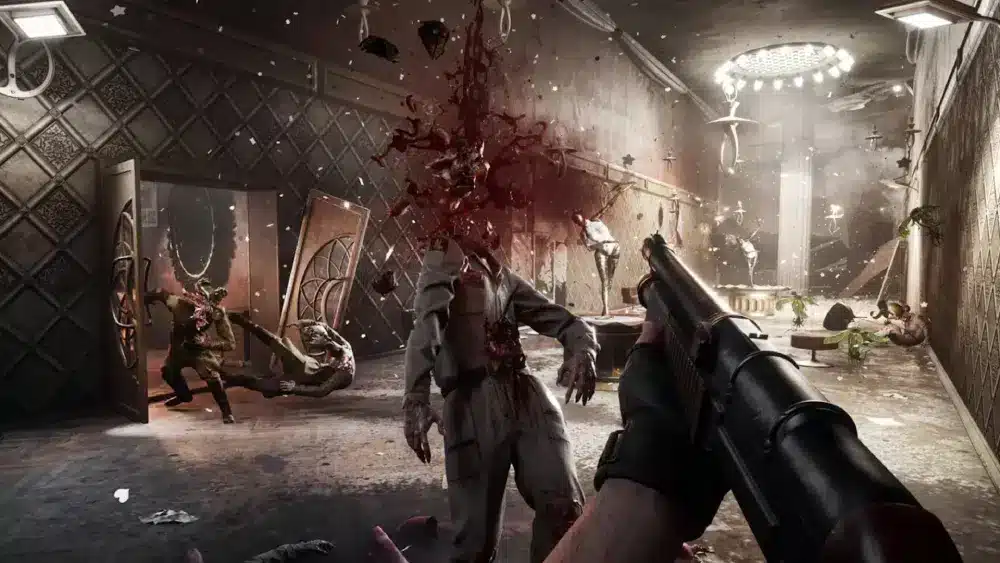
Improving FPS is one of the biggest concerns for gamers who want smoother visuals and better responsiveness. Whether you play competitive FPS shooter games or a casual FPS game, small optimizations can make a huge difference in performance.
Basic Optimizations
- Update Drivers: Keeping your GPU and chipset drivers up to date ensures the best compatibility and performance in modern FPS games.
- Adjust Resolution: Lowering your game’s resolution can instantly boost FPS, especially on systems with older hardware.
- Modify Graphics Settings: Reducing options like shadows, textures, and anti-aliasing often leads to a significant FPS increase.
- Upgrade Hardware: Installing more RAM, switching to an SSD, or upgrading your GPU can drastically improve performance in best FPS gaming setups.
Console-Specific Tips
Console players also wonder about performance, asking questions like “how to optimize Xbox Series X for FPS games?” or whether PlayStation consoles offer FPS improvements. While you cannot tweak drivers on consoles, you can:
- Enable Performance Mode: On Xbox Series X and PlayStation 5, choose Performance Mode instead of Quality Mode to prioritize FPS over resolution.
- Use High Refresh Rate Monitors: If supported, connect your console to a 120Hz monitor or TV to take advantage of higher FPS in supported FPS shooter games.
- Keep System Updated: Regular console updates optimize performance for the latest FPS games.
- Manage Storage: Freeing up space and using fast SSDs can reduce loading times and maintain smoother gameplay.
Real-Time Monitoring
Even console players can benefit from tracking tools. While PC gamers rely on an FPS counter, some modern consoles show performance data through developer modes or third-party accessories. For PC, advanced monitoring software like MSI Afterburner or GeForce Experience works perfectly as an FPS tester to validate changes and ensure optimal results.
FPS in Different Game Genres
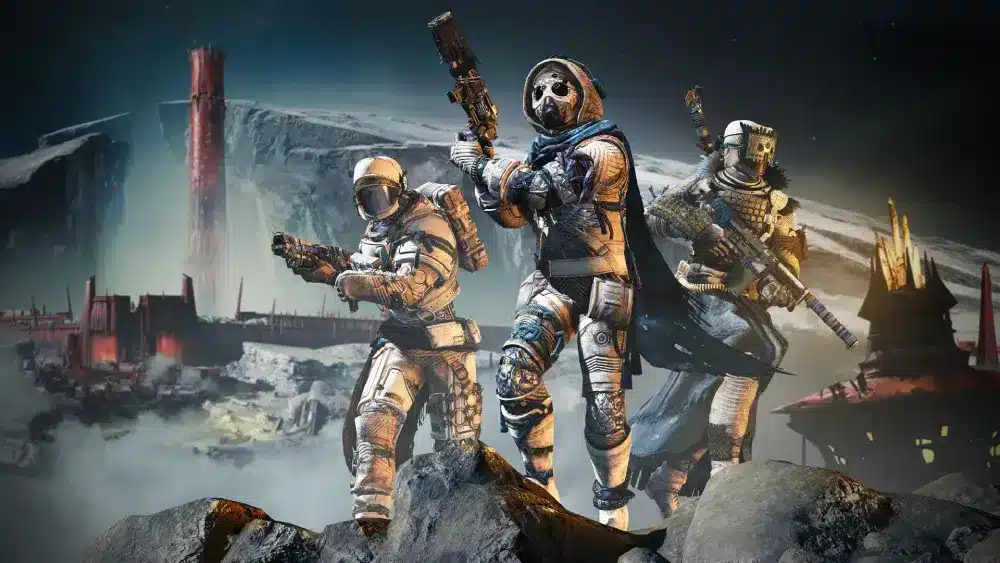
When talking about FPS, many players immediately think of the gaming genre known as FPS first person. These are games where the player experiences the world directly through the character’s eyes, creating an immersive perspective that enhances action, realism, and tension.
What Are FPS Games as a Genre?
The term FPS shooter games (First-Person Shooter) refers to titles that combine the FPS first person perspective with combat mechanics, usually involving firearms or futuristic weapons. These games are designed to test precision, reaction time, and strategy, making FPS one of the most popular genres worldwide.
Famous FPS Games and Their Demands
Some iconic FPS shooter games include:
- Counter-Strike: Global Offensive (CS:GO): Competitive classic, known for its high skill ceiling and dependence on smooth, high FPS performance.
- Call of Duty Series: Blends cinematic campaigns with fast-paced multiplayer, pushing both consoles and PCs to deliver stable frame rates.
- DOOM Eternal: A modern benchmark for best FPS gaming, requiring both powerful hardware and optimized settings for maximum fluidity.
- Overwatch 2: A team-based FPS game where high FPS translates directly into faster reactions and competitive advantage.
Why Performance Matters in FPS Games
In FPS shooter games, even small frame drops can affect precision and timing. Competitive players aiming for best FPS gaming often optimize every detail of their setup, from graphics settings to high-refresh-rate monitors. Maintaining stable and high FPS ensures not just better visuals but also lower latency, which can be the difference between winning and losing in fast-paced matches.
Conclusion

Understanding FPS is essential for every gamer who wants the smoothest experience possible. From casual players enjoying a single FPS game to professionals competing in high-stakes FPS shooter games, frame rate directly impacts performance, responsiveness, and immersion. With the right tools, optimizations, and awareness of how FPS works, you can take your gaming experience to the next level.
If you’re looking for a practical solution to reduce lag, stabilize your connection, and achieve the best possible performance in FPS games, try ExitLag. It’s designed to optimize routes, lower latency, and give you the edge in competitive scenarios.
Frequently Asked Questions (FAQ)
FPS stands for frames per second. It measures how many images your system can display each second, directly affecting visual smoothness and gaming performance.
In gaming, FPS means both frames per second (performance metric) and First-Person Shooter (game genre). In technical terms, it reflects how fluid the gameplay appears.
There is no fixed limit, but research shows the human eye can perceive differences in smoothness well beyond 60 FPS, up to around 200–240 FPS.
The human eye doesn’t “see FPS” like a monitor, but it can distinguish improvements in fluidity and responsiveness at higher frame rates, especially in FPS shooter games.
To boost performance on Xbox Series X, enable Performance Mode in settings, use a 120Hz monitor or TV, keep the console updated, and ensure storage is optimized.
Update GPU drivers, lower resolution and graphic settings, use an FPS counter or FPS tester to track results, and consider hardware upgrades like SSDs, RAM, or a better GPU for best FPS gaming performance.
On Minecraft Bedrock Edition, go to Settings > Video and adjust the Max Framerate slider. For better stability, update drivers, allocate more RAM, or use third-party optimizers.
Got questions or want to connect with other players? Join the conversation at the ExitLag Forum!