
The Wolf Among Us is a unique take on classic fairy tales, blending dark noir storytelling with modern interactive gameplay. Players step into a gritty, mysterious world where familiar characters live in secrecy among humans. The game’s rich narrative, atmospheric visuals, and compelling choices create an immersive experience that appeals to both casual gamers and story enthusiasts.
In addition, Wolf Among Us combines point-and-click mechanics with decision-driven storytelling. Each choice can dramatically affect relationships, outcomes, and the ultimate resolution of the plot. This innovative approach encourages players to replay the game, exploring alternative storylines and character interactions.
Furthermore, the setting of Wolf Among Us gives players a sense of intrigue and suspense. Characters like Bigby Wolf, Snow White, and other fabled figures are reimagined in morally complex roles, adding depth and emotional resonance to the story.

Exploring the Characters
The characters in the Wolf Among Us are multi-layered and carefully crafted. Each character has a backstory, motivations, and secrets that unfold gradually, revealing a darker side to the fairy-tale world.
- Bigby Wolf – The reformed Big Bad Wolf, now sheriff of Fabletown.
- Snow White – A strong, intelligent leader navigating a dangerous environment.
- Faith – A mysterious character whose choices impact the storyline significantly.
- The Crooked Man – A villain whose schemes test the player’s moral compass.
By understanding the characters, players can make informed decisions that influence the outcome of the game.
Gameplay Mechanics and Choices
The Wolf Among Us Gameplay emphasizes choice and consequence. Every dialogue option, investigative decision, and moral judgment shapes the unfolding narrative.
- Investigate crime scenes thoroughly to uncover vital clues.
- Engage with characters thoughtfully; your responses affect trust levels.
- Manage resources and information carefully to influence outcomes.
These mechanics make the experience highly replayable and deeply engaging for narrative-driven players.
The Role of Noir Aesthetics
The dark visual style and atmosphere are central to the experience. Noir fairytales aesthetics create tension, suspense, and a sense of immersion. Shadows, rain-soaked streets, and stark lighting highlight the moral ambiguity present in the game.
- Stylized visuals that evoke graphic novels.
- Gritty, urban environments for a sense of realism.
- Color schemes that emphasize mood and narrative tone.
Investigating Fabletown Mysteries
Players must gather evidence, question suspects, and connect clues to solve intricate cases. These investigations drive the plot forward and provide insight into the moral complexity of the world.
- Track patterns and behaviors of different Fables.
- Make note of inconsistencies in dialogue and actions.
- Decide whether to act overtly or covertly depending on risk.
Combat and Action Sequences
Although primarily narrative-driven, the game includes tactical action sequences that require timing and strategy. Quick-time events during fights help maintain control, and decision-making in real-time affects consequences. Physical interactions further reinforce the noir tone, adding tension and immersion to the experience.
Replayability and Multiple Endings
The branching narrative ensures each playthrough offers new experiences. Players can explore different decisions, alliances, and moral paths to unlock alternative endings, making the game highly replayable.
The Dark World of Fabletown
Fabletown is a hidden city where fairy-tale characters live incognito among humans, creating a rich and immersive setting. The environment is filled with intrigue, secrets, and morally complex scenarios that challenge players to think carefully about their actions. Exploring the streets, alleys, and buildings reveals subtle details about the characters’ lives, motivations, and hidden agendas.
Key elements of Fabletown include:
- Hidden alliances and rivalries among Fables.
- Dark urban environments that enhance the noir atmosphere.
- Everyday locations hiding secrets critical to the story.
The tension between secrecy and exposure gives the city a unique atmosphere that enhances the storytelling. Understanding the social dynamics of Fabletown is essential to navigating the plot successfully, as every interaction can have consequences later in the game.
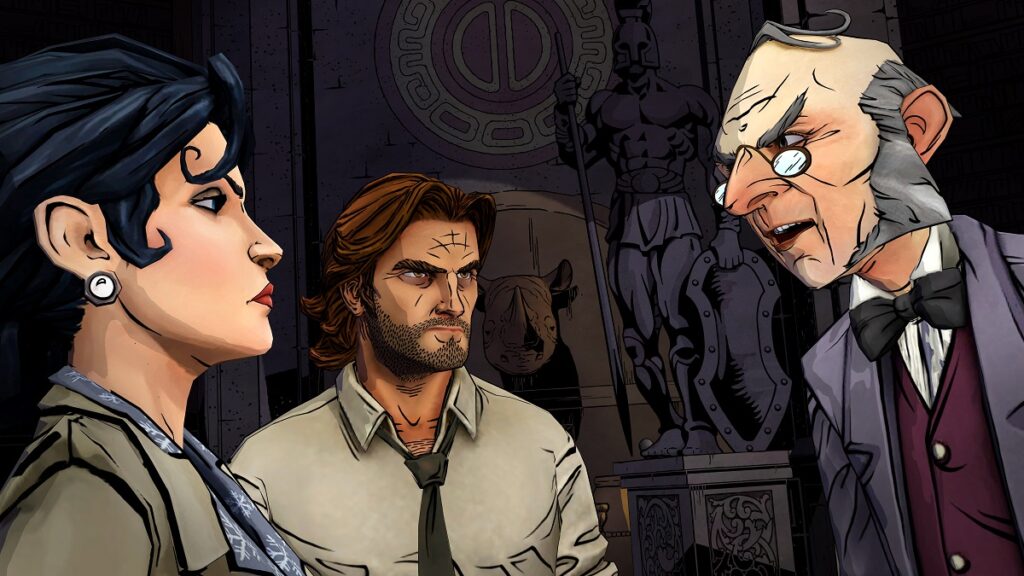
Bigby Wolf: The Reformed Lawman
Bigby Wolf, once feared as the Big Bad Wolf, now serves as the sheriff of Fabletown. His character is defined by an ongoing struggle between his violent past and his current role as a law enforcer. Throughout the game, players experience the depth of Bigby’s personality, witnessing his moments of empathy, rage, and careful judgment.
Bigby’s main traits include:
- Morally complex decision-making.
- Balancing past impulses with present responsibilities.
- Maintaining order while earning the trust of Fables.
The moral complexity of his decisions often forces players to consider the ramifications of each choice, from minor interactions to life-and-death confrontations. By embodying Bigby, players gain insight into the noir world’s ethical ambiguities, where the line between right and wrong is often blurred.
Crime Scene Investigation
Investigating crime scenes forms the backbone of the gameplay, combining exploration, deduction, and moral decision-making. Players must carefully examine environments, objects, and characters to gather crucial clues.
Tips for effective investigation:
- Search every corner and hidden compartment for evidence.
- Keep track of character statements and behavioral cues.
- Connect seemingly unrelated clues to uncover hidden truths.
Key Plot Twists
The narrative is packed with surprises that keep players engaged from start to finish. Understanding the plot twists can help players anticipate consequences and make informed choices.
- Bigby’s past crimes influence trust among Fables.
- Hidden alliances can betray even the most loyal characters.
- Decisions made early in the game can impact the final ending.
Essential Investigation Tools
To solve crimes effectively, players need to know which tools and techniques to use. These elements help uncover hidden truths and progress the story.
Investigation tools include:
- Dialogue analysis: Pay attention to inconsistencies.
- Environmental observation: Look for clues in backgrounds.
- Inventory items: Some objects are essential for unlocking plot points.
Side Quests and Optional Characters
Beyond the main storyline, side quests enrich the lore and provide more depth. Engaging with these characters can reveal hidden secrets.
- Completing side quests unlocks additional dialogues.
- Optional characters often provide moral dilemmas or new insights.
- Ignoring side quests may leave questions unanswered in the main story.
Comparison of Choices and Consequences
| Choice Type | Potential Consequence | Example Scenario |
| Moral decision | Changes alliances | Trusting or confronting a Fable |
| Investigative choice | Unlocks new clues or blocks progress | Inspecting a crime scene fully |
| Dialogue response | Alters character reactions | Confronting Bigby’s past |
The Role of Dialogue in Storytelling
Dialogue is far more than a narrative tool; it is a mechanism that shapes the player’s experience in this Telltale Story Game. Every conversation offers clues, tests morality, and impacts relationships with other characters. Players must carefully consider each choice, as seemingly minor dialogue options can drastically influence the story’s outcome. This system encourages attentiveness and strategic thinking, making every interaction feel meaningful and rewarding.
Exploring Fabletown’s Dark Corners
The city of Fabletown is filled with hidden alleys, secret rooms, and subtle details that contribute to the noir atmosphere. Exploring thoroughly allows players to uncover hidden narratives and better understand the motivations of each character. These explorations provide vital clues for investigations and immerse players in the world’s intricate social and moral dynamics, highlighting the tension between secrecy and revelation.
Ethical Decisions and Moral Complexity
One of the defining features of the game is its emphasis on ethical decision-making. Players frequently face morally ambiguous choices that have no clear right or wrong answers. Deciding whether to trust a character, reveal sensitive information, or confront a villain often carries consequences that ripple throughout the story. This moral complexity adds depth, encouraging players to reflect on their decisions and consider alternative outcomes in subsequent playthroughs.
Replayability Through Alternative Endings
The branching narrative ensures that no two playthroughs are exactly the same. Different decisions lead to alternative story paths, revealing new character interactions, plot twists, and endings. This replayability encourages players to experiment with choices, explore overlooked areas, and uncover hidden secrets. Each replay provides a richer understanding of Fabletown and its inhabitants, making the game deeply engaging for narrative-driven gamers.
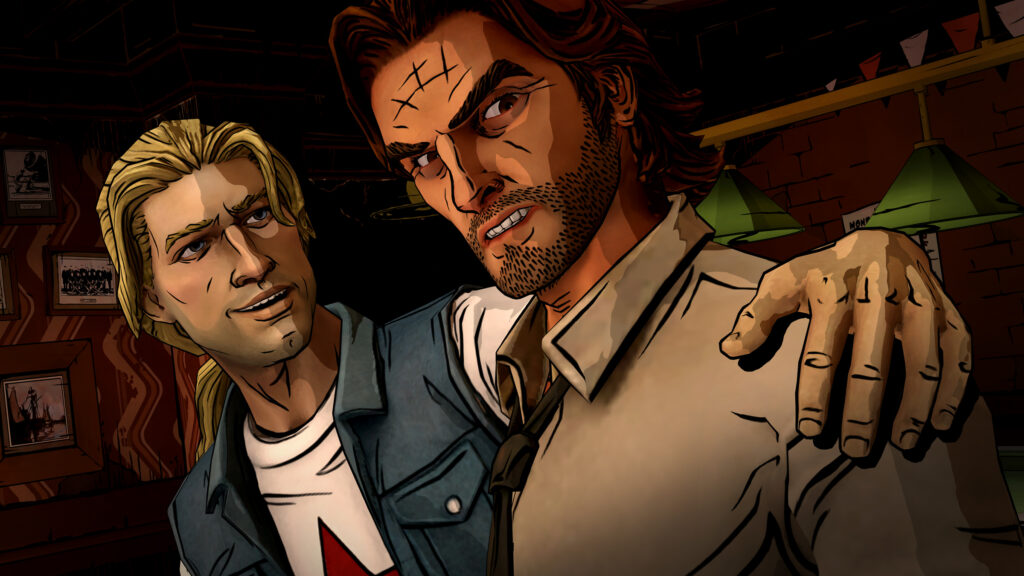
Conclusion: The Enduring Appeal of Wolf Among Us
The dark, immersive world of Fabletown continues to captivate players with its rich narrative and morally complex characters. Every decision, investigation, and interaction contributes to a story that feels alive and unpredictable. The combination of noir aesthetics, intricate storytelling, and interactive gameplay ensures that each playthrough offers a unique experience, encouraging players to explore alternative paths and endings.
Additionally, the game’s engaging mechanics and memorable characters create a lasting impact on narrative-driven gaming. From Bigby Wolf’s internal struggles to Snow White’s leadership and the intricate web of supporting Fables, every element works together to create a cohesive and compelling universe. Players are drawn not only to the mysteries but also to the emotional depth and ethical dilemmas presented throughout the game.
Ultimately, the Wolf Among Us stands as a shining example of how interactive storytelling can elevate a game beyond simple mechanics. Its compelling blend of noir, fairy-tale intrigue, and player-driven choices ensures that it will remain a benchmark for narrative-focused games for years to come.
Got questions or want to connect with other players? Join the conversation at the ExitLag Forum!