The evolution of graphic engines inaugurates an extraordinary phase for modern sports simulators. When DLSS 5 debuts in NBA 2K27, the gaming ecosystem experiences a significant visual leap based on advanced neural processing.
The graphics industry confirms that DLSS 5 debuts in NBA 2K27 as the absolute pioneer of this innovative technology. Visual Concepts and new artificial intelligence solutions offer an unprecedented visual spectacle for players.
The technological breakthrough DLSS 5 debuts in NBA 2K27 delivering an unprecedented architecture to reconstruct lights, materials, and dynamic reflections in real-time without compromising frame rates. This feature ensures cinematic photorealism and absolute sharpness in every match.
What to expect when DLSS 5 debuts in NBA 2K27?
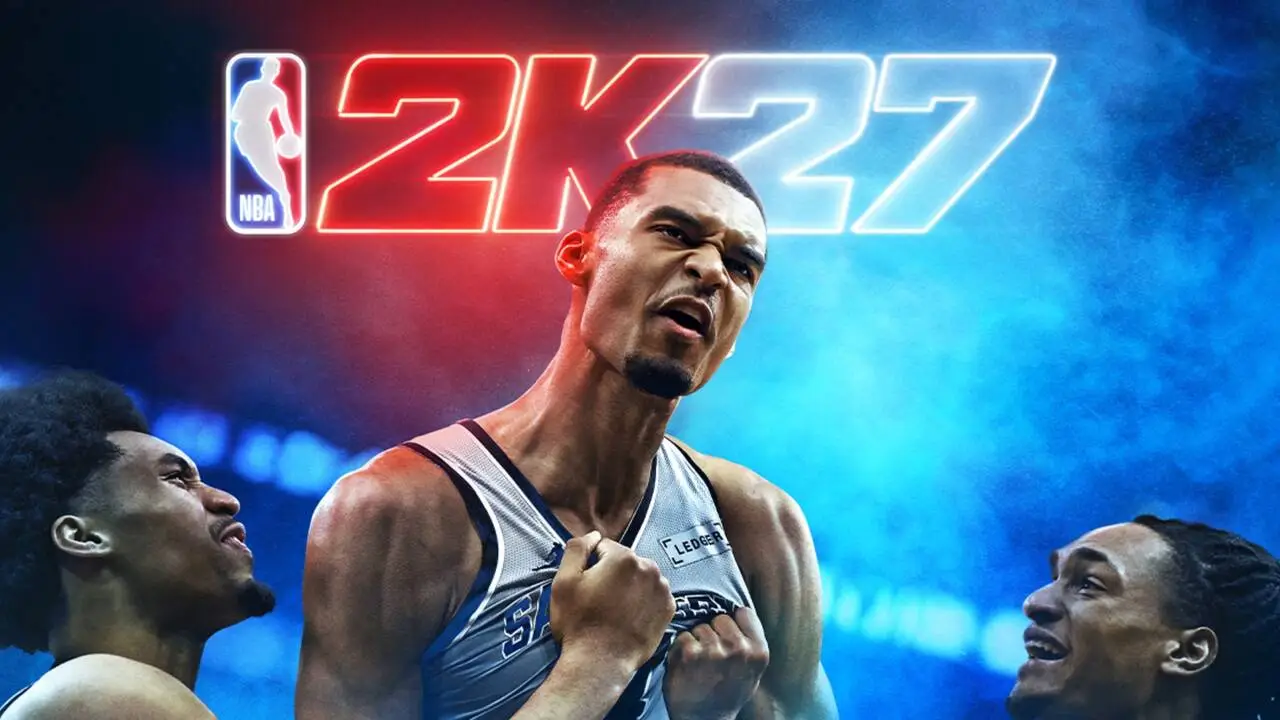
The official announcement sets a renewed standard for the entire virtual basketball community. The sports franchise takes the technical lead and demonstrates the power of intelligent rendering tools.
Players now witness ultra-detailed facial animations and much more vibrant crowd reactions. Every visual detail has been recalibrated to convey the authentic feel of a television broadcast.
What is DLSS 5 and how it works in the simulator
To understand the magnitude of this evolution, many enthusiasts research What is DLSS 5 and what its essential changes are. It is a solution that surpasses traditional upscaling by processing spatial vectors and complex lighting.
The neural algorithm analyzes the three-dimensional structure of the court before finalizing the image composition on the screen. This prevents the appearance of unwanted visual artifacts during fast plays and quick camera transitions.
The result provides clean edges and continuous graphic stability even during moments of intense athlete movement. The aesthetic precision completely transforms immersion in virtual arenas.
Visual benefits on surfaces and virtual courts
Material reconstruction reaches impressive levels of refinement in all arenas available in the simulator. The interaction of lighting with the athletes’ sweat and the floor varnish creates an incredibly realistic environment.
The main highlights observed on the court bring together fundamental advances:
- High-precision mirrored reflections on the hardwood court floors.
- Dynamic and natural shading around each athlete’s footwear.
- Sharp details on sports uniform fabrics without blurring.
- Stable reconstruction of fans and volumetric background lights.
In this way, the sports simulator’s art direction remains preserved, delivering an aesthetic leap that respects the original visual identity.
3D-guided neural rendering and the graphic leap
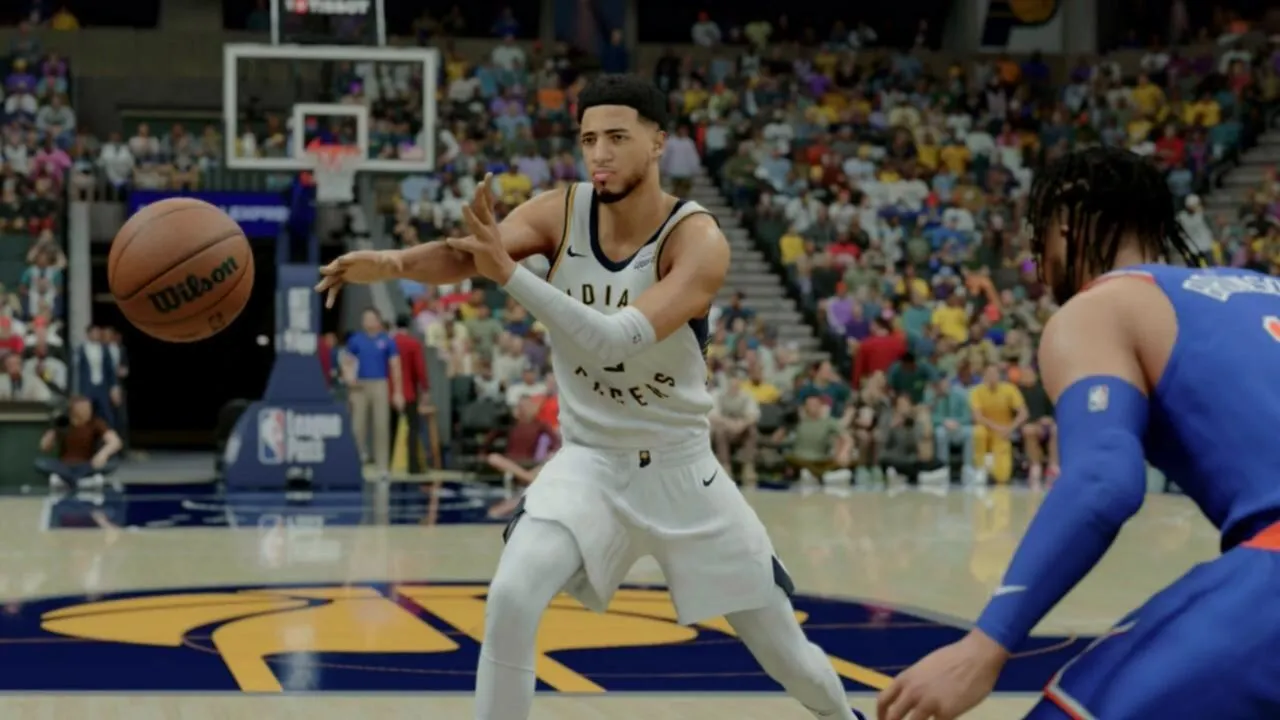
The great differentiator of the new feature lies in how the environment’s geometry is interpreted by intelligent models. Deep vector processing replaces old pixel extrapolation with full three-dimensional calculations.
This approach prevents loss of sharpness at high resolutions and ensures fidelity even at the most difficult court angles. Shadow composition gains organic smoothness.
The new NVIDIA DLSS 5 architecture
The NVIDIA DLSS 5 structure adopts the advanced concept of 3D-guided neural rendering to recreate light beams. The graphics hardware executes mathematical predictions supported by specialized high-speed sensors.
This methodology allows for calculating light occlusion and multiple reflections with rational energy consumption. The system saves precious CPU cycles throughout the match.
Thus, computers can sustain high frequencies and deliver impeccable frame rate stability from the first to the last quarter.
The impact of AI in games on the next generation
The growing application of AI in games points directly to the future of competitive digital entertainment. Machine learning begins to coordinate graphic aesthetics and light physics in real-time.
The industry replaces manual optimization methods with neural networks trained on supercomputers. The impact of these innovations redefines the performance of contemporary video cards.
| Graphic Profile | Technology Used | Main Focus | FPS Stability |
|---|---|---|---|
| Traditional | Pure Rasterization | Native Resolution | Average in heavy scenes |
| DLSS 3 | Frame Generation | Frame Fluidity | High with additional latency |
| DLSS 5 | 3D Neural Rendering | Realism and Total Sharpness | Ultra high and consistent |
This evolution consolidates the transformative role of computational intelligence in the major releases of the contemporary gaming market.
DLSS 5 requirements and hardware compatibility
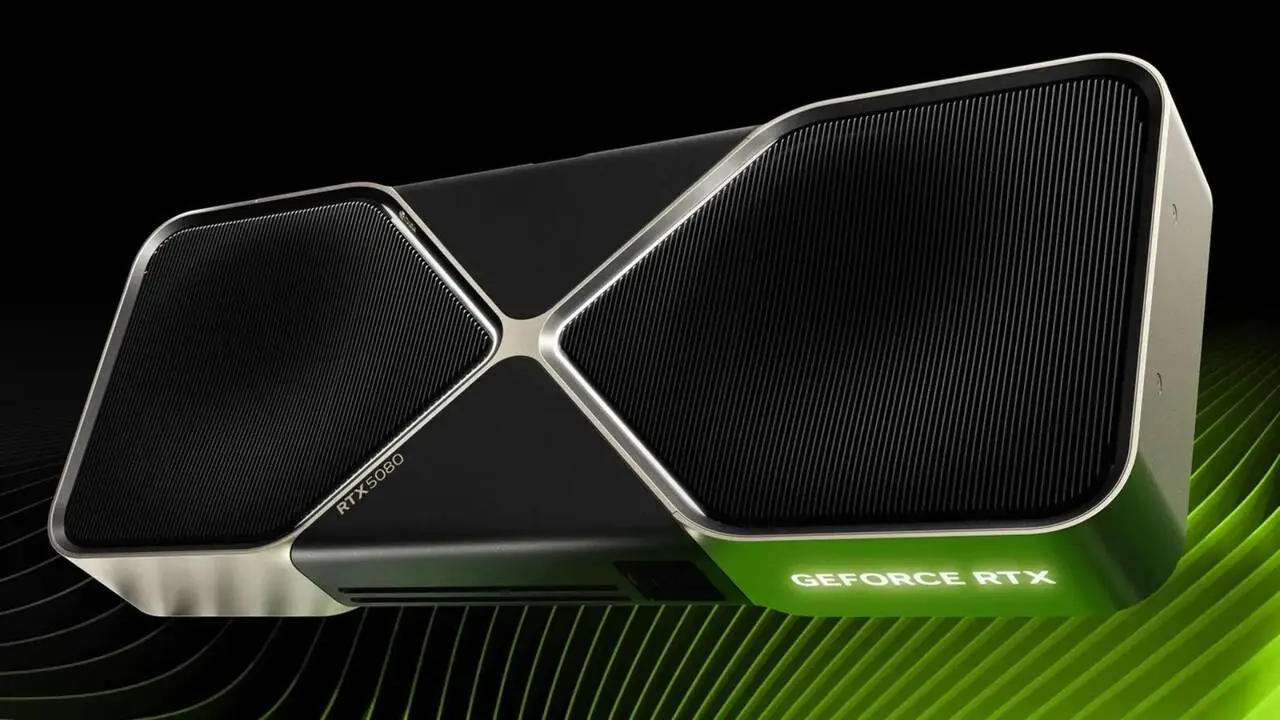
To experience all these benefits without bottlenecks, users need modern components and prepared drivers. Real-time neural processing requires a dedicated and robust hardware infrastructure.
Players seeking maximum fidelity should check their equipment’s compatibility before starting matches. System balance ensures the best performance.
Which cards support the technology natively?
The DLSS 5 Requirements demand graphics processing units with latest-generation tensor cores. The GeForce RTX 50 Series graphics cards were specifically designed to sustain these intense neural loads.
Check the fundamental components to enable graphic features with total fluidity:
- GeForce RTX 50 Series video card in modern gaming desktops or notebooks.
- High-performance processor with multiple physical cores available.
- Minimum of 16 GB of RAM configured in dual channel.
- Official graphics drivers installed in the latest available version.
This configuration ensures a stable experience free from sudden frame drops during the most contested moments.
Performance on GeForce NOW for cloud players
Those who do not have a latest-generation machine can enjoy the graphic quality through cloud streaming. The GeForce NOW service offers full support for the technology without requiring powerful local hardware.
Subscribers to the most advanced plans enjoy neural rendering directly on conventional monitors, cell phones, or basic notebooks. Remote transmission delivers the same richness of visual detail.
Thus, fans of the sport enjoy spectacular matches without the need to immediately invest in purchasing new physical components.
How to enable DLSS 5 in NBA 2K27 step by step
Access to the new visual features has been integrated in a simplified way into the game’s settings menu. Any user with compatible hardware can calibrate the adjustments in a few moments.
Customization allows for balancing reflection sharpness and overall match speed with total ease.
Step-by-step in-game configuration
Understand How to enable DLSS 5 in NBA 2K27 in a practical way by following the instructions below:
- Open the simulator’s main menu and navigate to the video options.
- Locate the tab dedicated to advanced intelligent rendering features.
- Enable the toggle corresponding to the neural profile and choose the desired mode.
- Restart the match to load textures, reflections, and shadows with maximum stability.
Pro tips: optimizing visual and graphic performance
- Set neural sharpness between 45% and 55%: This range balances texture definition without creating visual noise in fast-moving plays.
- Disable native V-Sync in the game: The neural model synchronizes frames internally, reducing controller input lag.
- Keep the case airflow unobstructed: The continuous load on tensor cores raises the temperature, requiring adequate cooling to avoid thermal throttling.
- Clear the shader cache after each update: Removing residual files prevents stuttering when loading new sports arenas.
Common mistakes players make in graphic settings
- Enabling the feature with outdated video drivers: This generates sudden game crashes, which are fixed with a clean installation of the latest graphics software package.
- Forcing a resolution higher than the monitor’s capacity: Inadequate resizing distorts visual proportions, requiring the selection of native resolution in the settings.
- Ignoring GPU thermal limits during long sessions: Overheating reduces tensor frequency, which is fixed by improving the system’s fan curves.
Domine online matches when DLSS 5 debuts in NBA 2K27 with ExitLag
Achieving impressive graphic fidelity is not enough to win fierce disputes if your connection suffers from high latency. In online competitive modes, every millisecond of delay in shots directly harms your performance.
ExitLag acts as an advanced connection optimizer dedicated exclusively to players seeking maximum stability. Unlike a conventional VPN, the tool does not encrypt traffic to mask data, but rather directs your packets through the fastest routes in the world.
How ExitLag eliminates lag on virtual courts?
The software continuously monitors global servers and finds congestion-free paths in real-time. In this way, your computer establishes a direct and optimized route to the official match servers.
The substantial reduction in ping and the elimination of jitter ensure immediate responses to every defensive command or perimeter shot. You can download the solution for your computer directly on the PC page and play with maximum consistency.
Multipath advantages for competitive games
The system features advanced Multipath technology to protect your online matches:
- Simultaneous sending of data packets through multiple intelligent network routes.
- Automatic correction of fluctuations without any connection drop during the game.
- Elimination of packet loss even during peak internet usage times.
- Dedicated support for hundreds of competitive titles on global servers.
The platform also offers full support on mobile devices so you can keep your connection always shielded. Install the official app on the Android store or download it for iOS devices.
Raise your competitive level and enjoy maximum realism on virtual courts when DLSS 5 debuts in NBA 2K27.
All game images used in this article belong to their respective developers and publishers. They are used for informational and educational purposes only and do not imply endorsement or affiliation with the rights holders.