
Highguard has become one of the most controversial cases in the modern gaming industry even before officially reaching the public. The new PvP Raid Shooter from Wildlight Entertainment, founded by Respawn Entertainment veterans, will be released on January 26, 2026, but it already carries an unusual history of rejection following its reveal at The Game Awards.
The title was presented as the traditional “One More Thing,” a slot reserved for the event’s most impactful announcements. The expectation created contrasted sharply with the content shown, triggering an immediate negative reaction from the global community.
Highguard’s reveal at the TGA and the community rejection
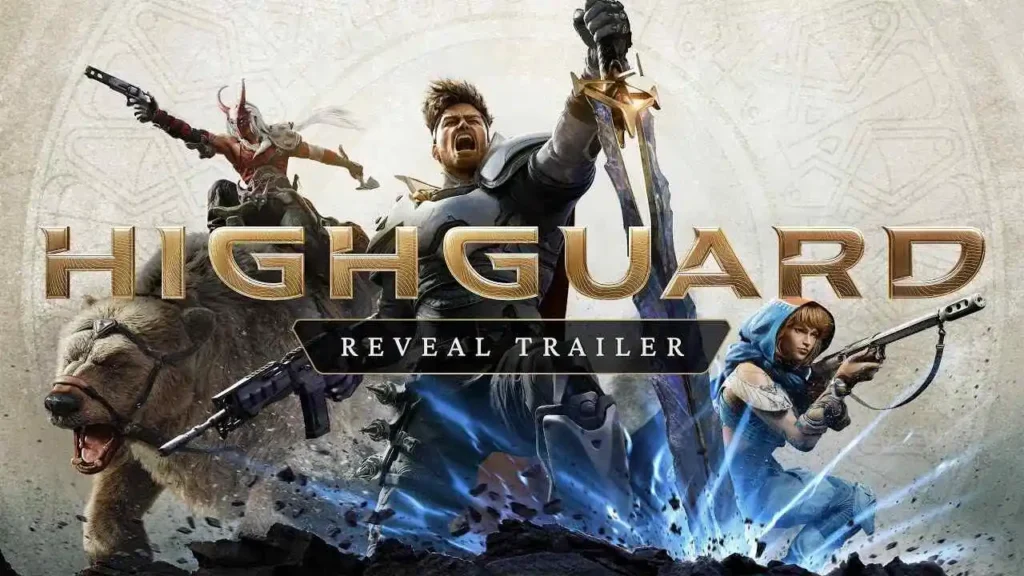
Highguard’s presentation took place at the close of December’s TGA. Many viewers were expecting a large-scale announcement, such as a new Titanfall or a high-impact narrative IP.
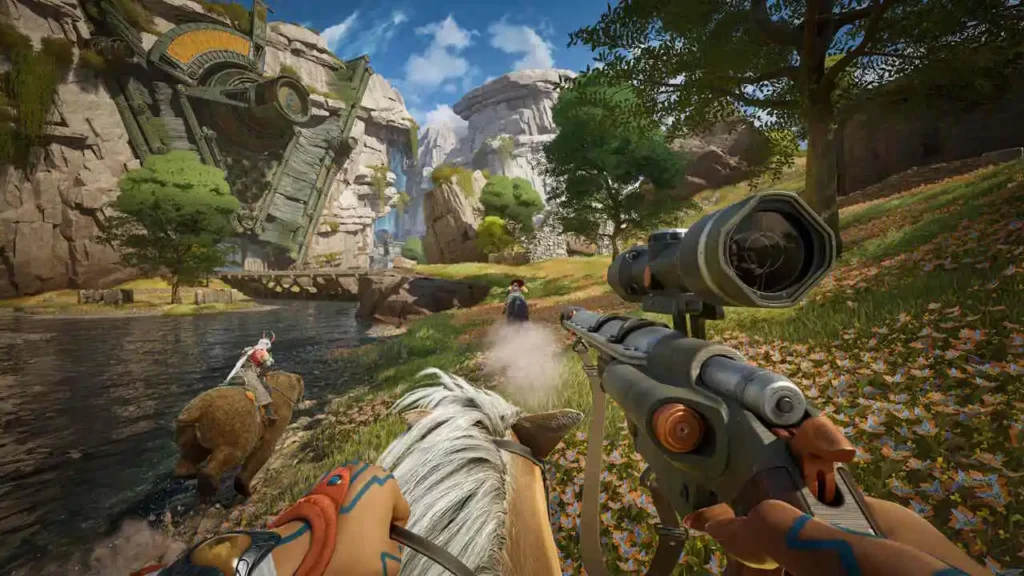
Instead, the public was introduced to a hero shooter with a fantasy aesthetic, focused on objective-based PvP matches and mount mechanics. The response was immediate and forceful. The official trailer began recording a ratio of more than 10 dislikes for every like, an extremely rare number for main stage announcements.
In the comments, players compared Highguard to Concord, a game that became a symbol of commercial failure in 2024, reinforcing the perception that the title did not justify its prominent position at the event.
Rumors of favoritism and the Forbes investigation
With the rejection, accusations arose that Wildlight had paid to secure the final slot of the event. The theory gained momentum on social media, further fueling the project’s exhaustion.
In mid-January, Forbes journalist Paul Tassi published an investigation debunking the rumor. According to sources linked to the event, no payment was made. The decision was editorial, possibly to fill a space left by another canceled announcement.
The confirmation worsened the problem. Criticism began to focus directly on The Game Awards’ curation, accused of exposing a debut studio to a level of expectation incompatible with the presented project.
Marketing silence and risk strategy with Highguard
Since the night of the reveal, Wildlight Entertainment has adopted a stance of almost complete silence. There have been no new trailers, detailed explanations of classes, progression systems, or long-term vision.
Analysts interpret the strategy as an attempt to repeat the shadow drop of Apex Legends, where the game was released without a prior campaign and won over the public through gameplay. However, the context is different. Apex arrived without prior rejection and with a positive surprise.
Highguard bets on its core loop, 3v3 combat, zone capture, and quick match-based progression. Can reverse the negative narrative when the servers open.
Launch and final verdict
Highguard will be released as free-to-play for PC, PlayStation 5, and Xbox Series X|S. January 26 will serve as the definitive test.
The game will have only two possible paths. It could prove that it was judged prematurely and establish itself as a solid competitive shooter. Or it could confirm the community’s fears and join the list of titles considered “dead on arrival.”
Regardless of the outcome, Highguard is already establishing itself as a case study on expectations, media spotlight, and the risks of a spotlight that is too large before its time.