

Semiconductor industry growth is transforming the world of technology and gaming at an accelerated pace. In 2026, the sector reaches a level never seen before, directly influencing our hardware.
What is semiconductor industry growth? It refers to the massive expansion in the production and sale of global chips, driven by artificial intelligence, which is expected to lead the sector to reach $1 trillion in revenue for the first time in history.
This semiconductor industry growth directly impacts the price of graphics cards and the consoles we love so much. Therefore, understanding this economic movement is vital for any player planning an upgrade.
The impact of semiconductor industry growth
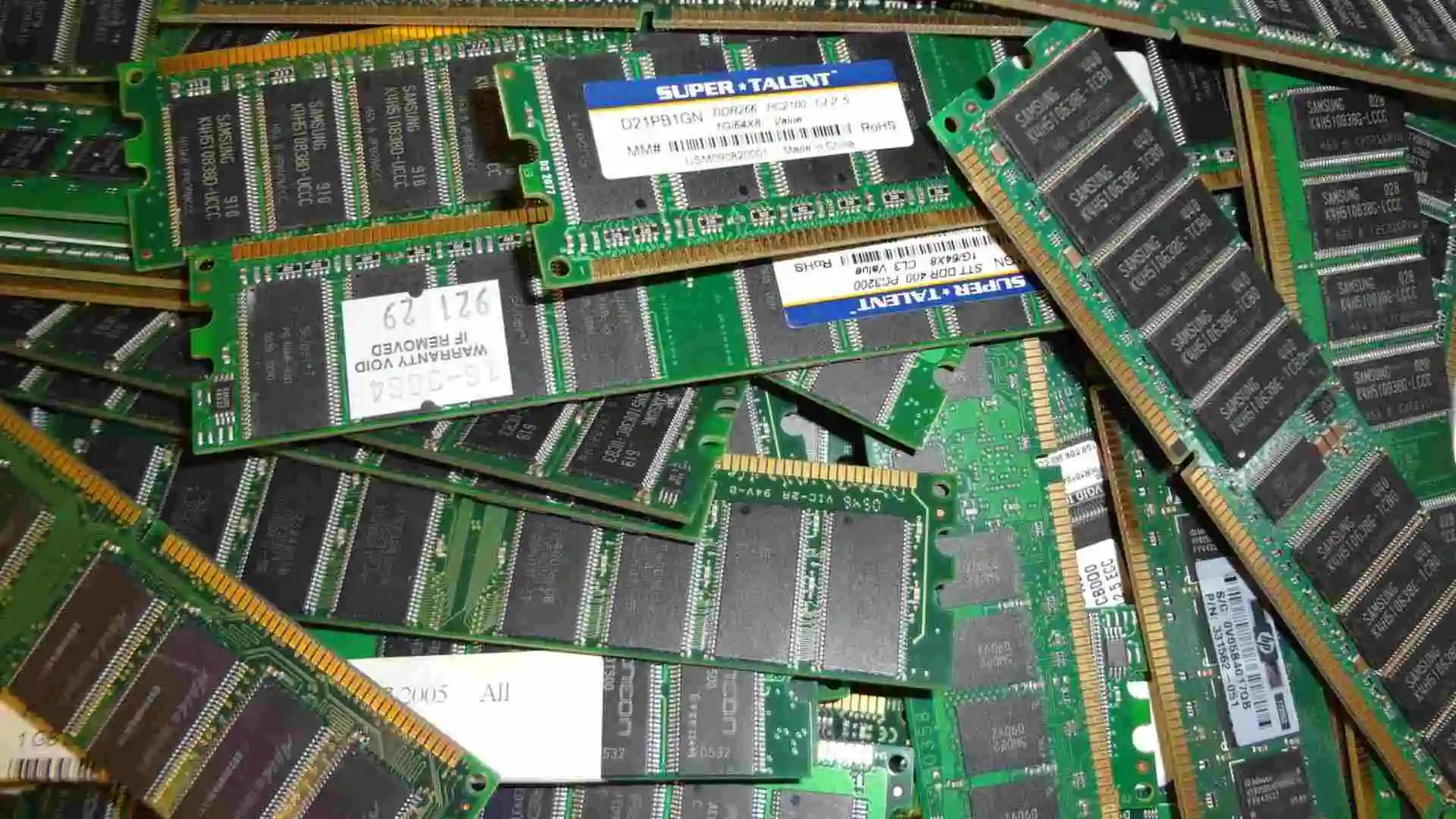
The global chip market is experiencing an extremely profitable moment for major manufacturers. Furthermore, projections indicate that the sector should surpass the 1.3 trillion dollar mark by the end of 2026.
This jump represents a 64% growth compared to the previous year, marking the highest increase in the last two decades. However, this advancement does not happen equally across all electronic components.
The explosion of DRAM and NAND memory prices
The memory sector is the main protagonist of this unbridled commercial race. As such, total revenue from these components alone is expected to jump to around 633 billion dollars.
Unfortunately, this phenomenon generates heavy inflation in part prices for the end consumer. For example, the price of DRAM memory is expected to increase by about 125% during the year 2026.
Similarly, NAND flash memory, used in SSDs, will suffer an even more aggressive increase of 234%. Therefore, building a high-performance gaming PC will become considerably more expensive in the coming months.
The path to $1 trillion in revenue
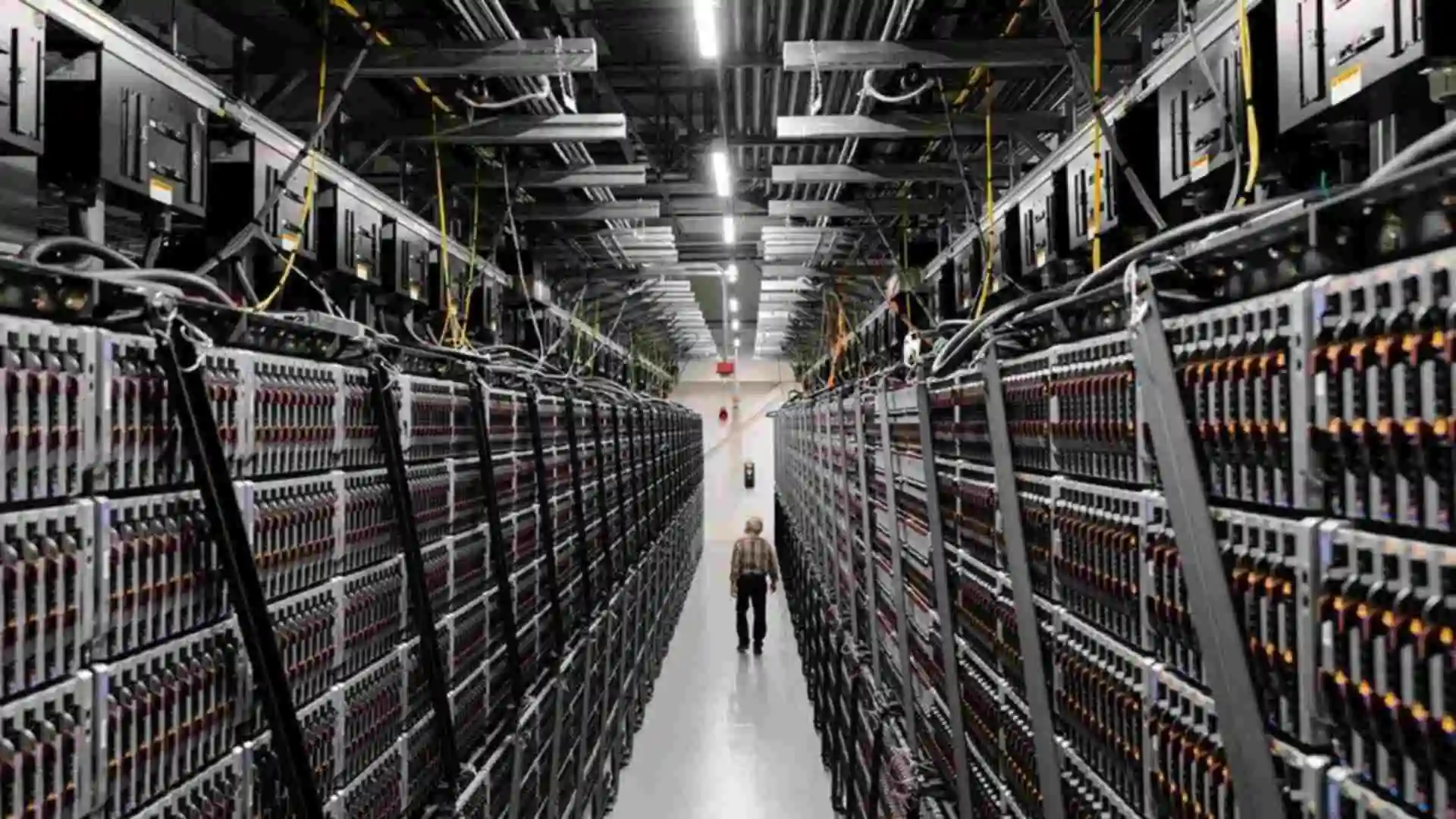
Modern artificial intelligence is the main gear behind this profit explosion. Additionally, new data centers require increasingly advanced chips to process massive volumes of data.
Currently, AI-focused chips already represent 30% of the sector’s total worldwide revenue. Consequently, large corporations are prioritizing the production of these components over domestic chips.
In this scenario, $1 trillion in revenue ceases to be a distant dream and becomes a palpable reality. On the other hand, this high demand creates bottlenecks that affect the availability of products in stores.
The role of Artificial Intelligence in Data Centers
Investments in powerful servers have grown by more than 50% recently, fueling the $1 trillion in revenue. As such, companies like Nvidia dominate the supply of these robust digital infrastructures.
Jensen Huang, CEO of Nvidia, advocates for severe sales restrictions to maintain technological leadership. Therefore, the export policy for advanced GPUs, such as the Blackwell line, dictates the pace of the global market.
Furthermore, the market value of giants like Samsung has also surpassed the $1 trillion in revenue mark. Thus, the Asian sector remains the beating heart of global semiconductor production.
Challenges in semiconductor industry growth
Despite financial success, the industry faces very serious logistical and technical challenges. After all, the storage crisis and the lack of inputs are expected to extend at least until the year 2027.
Current factories cannot meet all the demand generated by the artificial intelligence revolution. Therefore, semiconductor industry growth could cause a contraction in the sales of other electronic devices.
Smartphones, for example, could record a 2.1% drop in global sales due to increased costs. However, companies continue to invest in more efficient technologies to try to balance the scales.
What to expect for 2027 and new technologies
The future holds even more impressive advancements for those seeking raw performance. Additionally, the sector’s total revenue is expected to reach the 1.5 trillion dollar mark as early as next year.
Technology giants are already accelerating the development of the new DDR6 memory standard. Consequently, the first commercial launches should reach the market between the years 2028 and 2029.
To better understand the scenario, check out the main market players:
- Nvidia: Absolute leader in chips for artificial intelligence.
- Samsung: Memory giant with record market value.
- Intel: Focused on expanding its global foundry capacity.
- Micron: Holder of an important share of memory sales.
- AMD: Strong competitor in the processor and GPU segment.
Furthermore, Apple is evaluating new strategic partnerships to reduce its dependence on TSMC. As such, the iPhone manufacturer is considering using Intel and Samsung facilities soon.
In this way, the technological ecosystem will undergo a profound restructuring in the coming years. Undeniably, the total focus on data centers and AI will consolidate the hegemony of these infrastructures in the world.
Finally, players should stay alert to price fluctuations before making new purchases. After all, semiconductor industry growth will dictate the rules of the game and hardware accessibility in the future.