The WSCI 2026 guide brings together everything you need to know about the World Star Challengers Invitational 2026, the first major international tournament fully dedicated to the League of Legends development circuit. The competition takes place from September 20 to October 2, bringing together the competitive ecosystems of the world’s premier regions.
Co-organized by Riot Games and TJ Sports, the tournament gathers 16 teams across five major regions: China, South Korea, Asia-Pacific, the Americas, and EMEA. The event serves as a pilot project for the developer to evaluate how international tournaments can accelerate the growth of rising talent and strengthen the MOBA’s Tier 2 ecosystem.
After All, What Is WSCI 2026?
If you want to understand what is WSCI 2026, it serves as the true Tier 2 World Championship in the LoL esports scene. The tournament is a direct expansion of the Asia Masters, an established tournament organized by TJ Sports that has now opened its doors to competitors from outside the Asian continent.
In total, 15 teams secured their spots through qualifiers in their respective regions, with three representatives from each competitive hub. The final spot in the bracket went to the reigning champion of the most recent Asia Masters edition, finalizing the 16 participating organizations.
Tournament Format and Full Schedule
The tournament format splits the 16 contenders into four groups of four teams, using seeding criteria to prevent multiple teams from the same region from landing in the same bracket.
The full schedule is structured across two main stages:
- Group Stage (September 20–25): 48 matches played in Best-of-One (Bo1) series over six consecutive days, averaging eight clashes per day. The top two teams from each group advance directly to the playoffs.
- Knockout Stage (September 27 – October 2): A single-elimination bracket played entirely in Best-of-Five (Bo5) series, progressing through the quarterfinals, semifinals, and the grand final to close out the tournament.
Matches run overnight for Western viewers, with the daily match schedule starting at 12:00 AM BRT (Brasília Time).
Group Stage Draw
The group draw created a balanced mix of dark horses, Asian powerhouses, and the top Academy rosters in the world:
| Group | Participating Teams |
|---|---|
| Group A | DN SOOPers Challengers, EDG Youth Team, Fuego, and T1 Academy |
| Grupo B | BLG Junior, CFO Academy, KT Challengers, and Movistar KOI Fénix |
| Grupo C | Cupid Esports, DK Challengers, FENNEL, and Vivo Keyd Stars Academy |
| Grupo D | Galions, Saigon Warriors, Solary, and ZSK |
How Is VKS Academy’s Run Going?
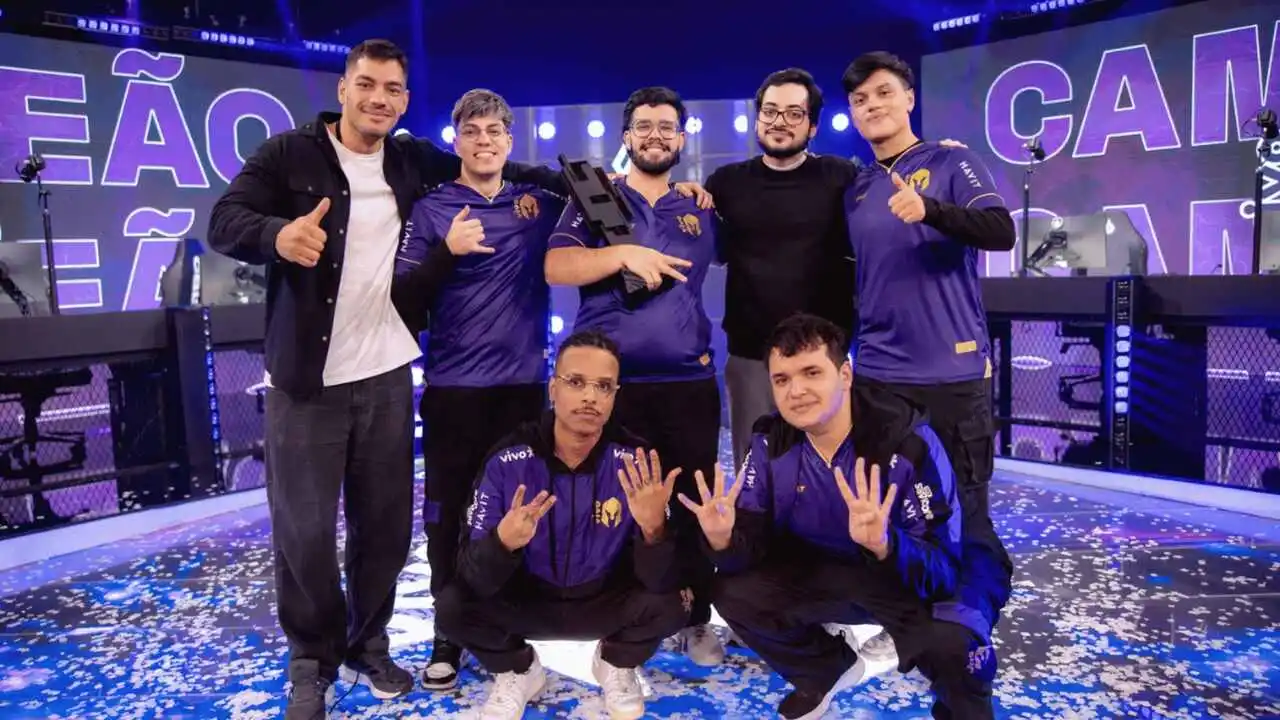
Brazil made its presence felt at the tournament through Vivo Keyd Stars Academy, who qualified after posting the best performance among academy rosters in Split 2 of the 2026 Circuito Desafiante. Placed in Group C, the “Warriors” share their bracket with South Korea’s Dplus KIA (DK) Challengers (the reigning Asia Masters champions), North America’s Cupid Esports, and Japan’s FENNEL.
The Brazilian debut brought highs and lows right out of the gate:
- Loss against DK Challengers: In their early morning clash on September 21, the Brazilian roster was overwhelmed by the South Koreans 17 to 4 in kills, conceding major map control and gold deficits.
- Decisive victory against FENNEL: Just a few hours later, VKS Academy bounced back by stomping the Japanese organization in just over 25 minutes, highlighted by a masterclass and MVP performance from mid laner Thiago “Qats” Augusto.
With a 1-1 record in the opening round, the Brazilian squad remains firmly in contention for the top spot in the group. The team returns to the stage on Wednesday (23) to face Cupid Esports before taking on DK Challengers in a decisive rematch.
The official broadcast in Brazil is available on CBLOL channels, alongside official co-streams by Riot Games-credentialed content creators.
Pro Tips: How to Follow WSCI 2026 Without Missing a Beat
- Keep a close eye on Bo1 drafts: single-game matches severely punish greedy compositions, favoring teams that prioritize lane aggression and early priority around the Rift Herald and Dragons.
- Track late-night schedules closely: the Asian time zone means games start around midnight for Western fans, and match orders can shift live during the broadcast.
- Watch regional meta developments: cross-regional tournaments consistently expose stark differences in champion priority between Asia and the West, offering an early glimpse into future patch metas.
Common Mistakes in International LoL Tournaments
- Underestimating the Asian Tier 2 scene: assuming academy teams from outside the West play below main-roster standards is a mistake, as Korean and Chinese academies regularly scrim against top Tier 1 squads.
- Judging rosters purely on kill scoreboards: matches decided through lane rotations and vision control often generate insurmountable map leads long before full team fights break out.
- Overlooking cross-group playoff seeding: the top two seeds from each group cross over in the playoffs, meaning a second-place finish frequently leads to brutal matchups against undefeated group leaders in the quarterfinals.
How to Play and Watch League of Legends Without Lag and Connection Drops?
Watching international broadcasts or climbing ranked queues during peak global traffic requires complete stability in your network routing. Abrupt route changes and packet loss can turn split-second skill dodges into fatal misplays and disrupt broadcast streaming synchronization.
ExitLag is a gaming connection optimization software designed to keep your data routing through the most efficient and direct paths, operating completely differently from a conventional VPN.
Utilizing a proprietary Multipath architecture, the software routes your data packets through multiple simultaneous connections, reducing jitter, preventing packet loss, and keeping your ping as stable as possible during intense team fights.
To optimize your matches in League of Legends and other competitive titles, download the application for PC or use the mobile versions for Android and iOS.
The Future of the LoL Tier 2 Competitive Scene
The release of this WSCI 2026 guide highlights how the League of Legends competitive ecosystem continues to mature by bridging developmental circuits with top-tier esports.
With tightly contested matches, VKS Academy’s campaign serves as a blueprint for the next generation of Brazilian talent aiming for international recognition on the Rift.
All game and peripheral images used in this article belong to their respective developers and publishers. They are used for informational and educational purposes only and do not imply endorsement or affiliation with the rights holders.