Clove Valorant is one of the most unusual Controllers Riot has ever released, because they break the usual rule of the role: stay alive, play back, and anchor with utility. Riot officially describes Clove as a Scottish troublemaker and a Controller who can keep helping even after death, which immediately separates them from Omen, Brimstone, Astra, and Viper. Their smoke utility, self-sustain, decay pressure, and self-revive ultimate make them feel like a Controller built for players who still want to scrap.
Clove’s aggressive Controller identity also makes them easier to understand when compared with other agents who shape fights through space, pressure, and utility timing. A guide to Harbor in Valorant can help players see how different Controllers approach map control, tempo, and team support in very different ways.
Clove Valorant is also still a real meta factor in ranked, even after Riot nerfed some of their snowballing power in Patch 11.10 by limiting post-death Ruse to one maximum charge and reducing Pick-Me-Up overheal from 100 HP to 50 HP. Riot said those changes were made because Clove was dominating competitive queue pick rates, and current Tracker Network data still shows Clove with a 4.9% pick rate and a 53.2% win rate in Competitive over the past two weeks.
So this Clove Valorant guide is not about treating Clove like a passive backline smoker. It is about understanding how their kit actually works in 2026, when to take space, how to use Clove Valorant abilities with intent, how to place Clove smokes Valorant players can rely on, and how to play around their biggest strength: value before death, value after death, and sometimes value after coming back from death.
Who is Clove in Valorant?

Clove is a Controller, but Riot built them for aggressive players who do not enjoy the usual slow, passive identity of the role. In Riot’s own behind-the-scenes design article, the team said they wanted a Controller for players who fill for the greater good but still want to take fights. That design goal explains almost everything in their kit. Clove is not supposed to hide all round. They are supposed to take calculated risks.
Riot also officially identifies Clove as Scottish and immortal, and the agent page uses they/them pronouns throughout. That matters because a lot of older guides still misgender Clove or describe them with outdated language. If you want an accurate Clove Valorant guide, start there: Clove is a high-risk, high-reward Controller designed around tempo, pressure, and post-death impact.
Why Clove feels different from other Controllers
Most Controllers trade mobility and duel power for reliable space denial. Clove does not fully follow that trade.
What makes Clove Valorant controller gameplay feel different:
- they can smoke after death
- they gain speed and temporary health after damaging or killing enemies tied to Pick-Me-Up
- they have a decay tool that helps force easier duels
- their ultimate lets them resurrect, then stay alive only if they earn a kill or damaging assist
That means Clove rewards players who can read timing well. If you are too passive, you underuse the kit. If you are reckless, you die in useless spots and your post-death smoke value gets wasted. Riot explicitly said where you die matters, because Clove’s smoke range after death is restricted near where they fell.
Players still learning the full roster should also understand where Clove fits among Duelists, Initiators, Sentinels, and other Controllers. This overview of all Valorant agents and roles gives useful context for comparing Clove’s aggressive utility style with the rest of the game’s agent pool.
Is Clove good in the current meta?
Yes. Clove is still good, especially in ranked. Riot nerfed them because they were crowding out other Controllers, but they remain statistically strong. Tracker Network currently lists Clove in S tier with a 53.2% win rate in Competitive over the past two weeks, ahead of several other Controllers. That does not mean they are the automatic best pick on every map, but it does mean Clove is absolutely viable.
For ranked specifically, Clove is strong because:
- their smokes are simple to use
- they still provide value if they die
- they are better than many Controllers at solo-carrying messy rounds
- they suit aggressive players who hate fully passive utility roles
That makes Clove especially attractive in solo queue, where perfect coordination is rare and self-sufficient agents usually perform well.
What are Clove’s abilities in Valorant?
If you want to master Clove Valorant abilities, you need to think about them as a chain, not isolated buttons. Meddle helps create frag opportunities. Pick-Me-Up helps you keep momentum after that frag. Ruse lets you shape the fight before or after death. Not Dead Yet gives you a second life if the round still gives you a chance to swing it back. Riot’s official descriptions make that loop very clear.
Meddle (Q)
Meddle is Clove’s decay grenade. Riot describes it as a fragment of immortality essence that erupts after a short delay and temporarily decays targets caught inside.
How to use it well:
- throw it into common hold spots before your team swings
- use it to force defenders off tight corners
- combine it with teammate pressure so decayed enemies cannot just wait it out
- use it before an ult revive attempt if you need easier kill pressure
Meddle is not a lineup ability. Riot specifically said it is not meant for long-distance cross-map post-plant play. It is for direct pressure, staging-space fights, and easier entries.
Ruse (E)
Ruse is Clove’s smoke ability and the reason Clove smokes Valorant discussions matter so much. Riot says Clove equips a battlefield view, chooses where clouds will settle, and can still use the ability after death. That post-death smoke access is the defining trait of the agent.
The most important current limitation is this: after Patch 11.10, when Clove is dead, Ruse is restricted to one maximum charge, not a full multi-smoke reset. That was one of Riot’s direct nerfs to reduce Clove’s snowballing.
Best Ruse habits:
- smoke quickly for entry support
- save at least one smoke when you expect a scrappy site hit
- if you die, use your remaining post-death smoke to cut a key angle, not to copy a default setup mindlessly
- remember that where you die affects what you can still cover
Pick-Me-Up (C)
Pick-Me-Up activates on a fallen enemy that Clove damaged or killed, granting haste and temporary health. Riot’s official wording and Tracker’s current database agree on the basic effect.
Patch 11.10 changed this ability significantly by cutting the overheal while active from 100 HP to 50 HP. That means Pick-Me-Up is still strong, but it is less forgiving than it used to be.
Use Pick-Me-Up like this:
- after your first duel, to reposition fast
- when taking space with a teammate close enough to trade
- to turn one opening kill into a second pressure window
- not as a panic button in a crossfire you are already losing
This ability is one reason how to play Clove Valorant correctly feels more like tempo management than like pure controller discipline.
Not Dead Yet (X)
Not Dead Yet is Clove’s ultimate, and it is still one of the most unique ults in VALORANT. After dying, Clove can resurrect. Once revived, they must earn a kill or damaging assist within a short time or they die again. Riot also notes that the ability can be used even if the point is not to survive long-term, as long as the round value justifies it.
This ultimate is strongest when:
- you died in a contestable spot
- enemies are low or already pressured
- your team can swing with you
- you can quickly convert Meddle or teammate damage into a kill/assist
It is weakest when:
- you died isolated
- your team already lost site control badly
- enemies can simply wait the timer out
- you revive without a real fight plan
How to play Clove Valorant effectively
The best answer to how to play Clove Valorant is this: play them like a Controller with duelist instincts, not like a Duelist with random smokes. That distinction matters. You are still responsible for vision denial and space control. But unlike Brimstone or Astra, you do not need to stay passive all round to provide value.
Clove works best when you understand round timing:
- early round: set your team up with smokes and pressure
- mid round: take one fight with intent
- after a kill: use Pick-Me-Up to keep the pace
- after death: use remaining smoke value intelligently
- in clutch rounds: consider whether Not Dead Yet can actually flip the numbers
Best habits for attack
On attack, Clove shines when you help the entry happen instead of arriving after it.
Strong attack habits:
- smoke key defender sightlines before the first hard swing
- throw Meddle into close hold spots like cubbies, corners, and choke anchors
- follow your duelists closely enough to trade
- do not lurk too far from the team unless your comp specifically allows it
- if you die during the hit, use your post-death Ruse to help secure plant or block the retake path
Clove is excellent in fast, explosive rounds because their value does not fully disappear after first contact.
Best habits for defense
On defense, Clove is stronger when played as a proactive stopper than as a pure anchor.
Strong defense habits:
- smoke early to slow rush timing
- use Meddle to punish grouped entries
- take one advantaged duel, then retreat or reposition with Pick-Me-Up
- do not waste both smokes too early unless the hit is fully committed
- if you die, think retake first when placing your final smoke
That is why Clove Valorant tips often sound different from Brimstone advice. With Clove, the best defense is often controlled aggression.
What are the best Clove setups by map?

The best Clove smokes Valorant players use are not fancy one-ways by default. They are practical smokes that let Clove fight with the team and still have value if they fall. Stat sites differ on exact map ordering, but U.GG currently lists Clove among top performers overall and shows strong map results including Breeze, Lotus, Fracture, Pearl, Split, and Haven in V26 Act 2, while Tracker’s map insights show Clove as one of the top-win-rate agents on maps like Haven, Bind, and Split.
Haven
Haven suits Clove well because retake value matters on all three sites, and Clove’s flexible smoke timing helps on rotations. Tracker currently lists Clove among the top-win-rate agents on Haven.
Good ideas:
- smoke C Long or Garage pressure quickly on defense
- on attack, smoke Heaven on A or key B angles to help the hit land
- save your last smoke if you think the fight will rotate fast
Bind
Bind is strong for Clove because quick close-range fights and fast rotations reward Meddle plus tempo plays. Tracker lists Clove among the better-performing agents on Bind right now.
Good ideas:
- smoke Hookah or Long on B defense depending on pressure
- Meddle Showers or Hookah corners before a fast swing
- use teleporter repositioning after Pick-Me-Up when you have a numbers edge
Split
Split rewards Controllers who can cut fast vertical sightlines and fight in tight corridors. Tracker also lists Clove among top-win-rate agents there.
Good ideas:
- smoke A Main or Heaven quickly to slow pace
- use Meddle into Mail or narrow choke spaces
- on attack, smoke Heaven and Screens with clean timing instead of overcomplicating it
What is the best Clove crosshair in Valorant?
There is no official best Clove crosshair Valorant setting because crosshair preference is personal, not agent-locked. Clove does not need a special crosshair mechanic the way some movement-heavy players prefer for Jett or Neon. The best crosshair for Clove is the one that supports fast close-to-mid-range fights without cluttering your screen.
A good Clove crosshair should be:
- small
- static
- easy to track during smoke fights
- visible on bright and dark backgrounds
- simple enough to keep focus on utility timing
A practical recommendation:
- outlines: on or off depending on visibility preference
- center dot: off
- inner lines: short and thin
- movement error: off
- firing error: off
Why this works: Clove takes quick fights, often off utility timing, and a clean crosshair helps more than a flashy one. So for best Clove crosshair Valorant, think readability over personality.
Comparing Clove with Omen is especially useful because both appeal to Controller players who want more individual playmaking than a purely static smoke role. A deeper look at Omen in Valorant can help clarify where Clove’s post-death value differs from Omen’s teleport pressure, paranoia setups, and flexible map presence.
Is Clove better than Omen, Brimstone, Astra, or Viper?
Clove is not strictly better than every Controller, but they are easier to extract value from in ranked than some of the more team-dependent options.
Quick comparison:
| Agent | Best strength | Where Clove wins |
| Brimstone | Reliable executes and molly pressure | More self-sustain and better post-death value |
| Omen | Flexible paranoia plays and repositioning | Better snowball potential in scrappy fights |
| Astra | High-level global utility | Easier to use in solo queue |
| Viper | Long-duration area denial | Better in fast rounds and less setup-dependent |
Riot’s own reasoning for Clove’s design supports this. They wanted a Controller for aggressive players who usually only had Omen as an option.
The cleanest way to compare those role differences is to check Riot’s own agent profiles alongside player guides. The official Valorant agents page gives direct access to each agent’s role, biography, and ability overview, which helps keep Clove comparisons grounded in Riot’s current descriptions.
So the short answer is:
- pick Brimstone for clean team executes
- pick Omen for flexible blind-and-smoke pressure
- pick Astra or Viper for more layered macro utility
- pick Clove when you want a Controller who can still brawl
Why ExitLag helps Clove players
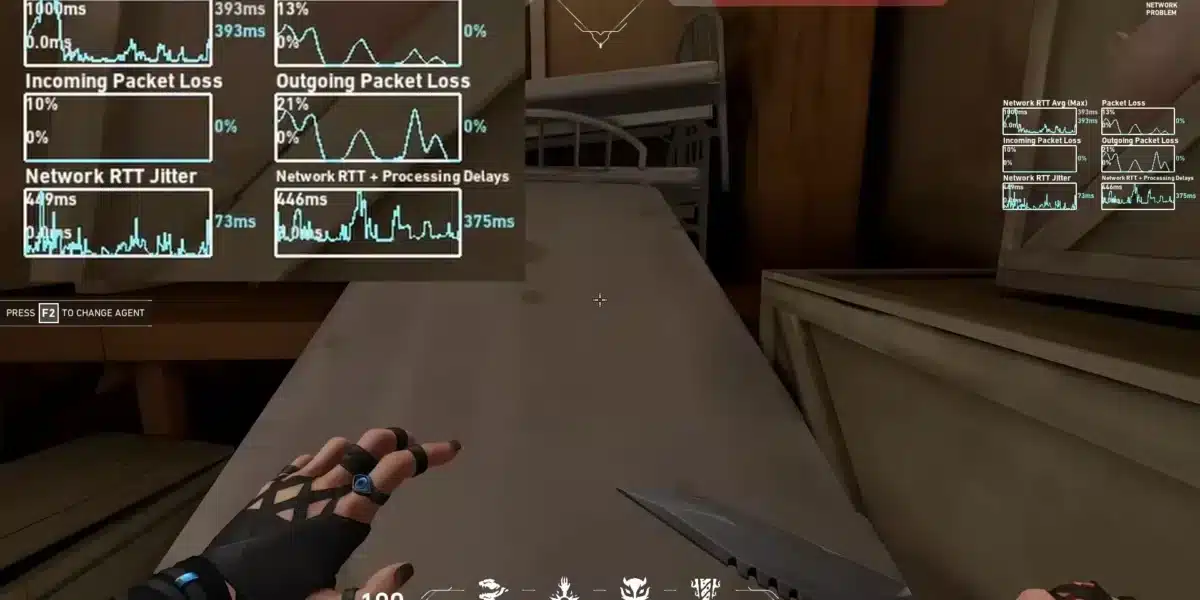
Clove rewards timing. That matters more than people think. A late smoke, delayed Meddle, mistimed swing after Pick-Me-Up, or awkward ult re-entry can ruin the round. Because of that, stable ping matters more when you play Clove aggressively than when you sit fully passive on backline utility.
ExitLag helps by improving route stability and reducing the kind of ping spikes that can throw off:
- fast smoke placement
- swing timing after Meddle
- repositioning after Pick-Me-Up
- Not Dead Yet re-entry fights
- high-pressure retakes and clutch rounds
So if you are trying to climb with Clove Valorant, especially on PC ranked, smoother routing can make your utility and duel timing feel more reliable.
FAQ
Clove has Meddle, Ruse, Pick-Me-Up, and Not Dead Yet. Riot officially describes Meddle as a decay projectile, Ruse as deployable smokes usable after death, Pick-Me-Up as haste plus temporary health after damaging or killing an enemy, and Not Dead Yet as a self-resurrection ultimate that requires a kill or damaging assist to remain alive.
The best way to play Clove is as an aggressive Controller. Use smokes to help your team take space, use Meddle before close fights, convert kills with Pick-Me-Up, and remember that if you die in a good spot, you can still add value with Ruse. Riot explicitly designed Clove for Controllers who want to take fights.
Yes. Riot nerfed Clove in Patch 11.10 because they were dominating competitive pick rates, and current Tracker Network data still shows a strong 53.2% Competitive win rate over the past two weeks.
Patch 11.10 reduced Clove’s snowballing by restricting dead Ruse to one maximum charge and reducing Pick-Me-Up overheal from 100 HP to 50 HP.
There is no single official best crosshair for Clove. A small, static, clean crosshair is usually the best option because it supports Clove’s fast, utility-timed fights without adding visual clutter.
Not universally. Omen still offers stronger blind utility and certain map-specific playmaking angles. Clove is usually better for ranked players who want a more aggressive, self-sufficient Controller style.
Final thoughts
Clove is still one of the most rewarding Controllers in the game because Clove Valorant lets you play a role that usually feels passive in a much more active way. Their smokes are still valuable, their decay is still useful, their self-buff still rewards momentum, and their ultimate still gives them one of the scariest clutch tools in the role. Even after Riot’s nerfs, Clove Valorant remains a strong ranked pick with solid performance data and a clear identity.
And if you want to get the most out of Clove Valorant, do not just copy smoke spots. Learn timing, learn when to die in useful places, learn when to cash in Pick-Me-Up, and keep your retakes clean. Then make sure your connection is just as stable as your decision-making. Clove Valorant rewards sharp execution, and ExitLag can help keep that execution smooth when the round is on the line.
Got questions or want to connect with other players? Join the conversation at the ExitLag Forum!