Cosplay, short for costume play, has grown from a small fan activity into a global creative scene. Today, cosplay is everywhere: conventions, TikTok, Twitch, esports events, movie premieres, and community meetups.
If you’re building gaming cosplay content (especially for streams or competitive sessions), it helps to pick characters from games that people are actively playing and watching right now. The ExitLag supported games list is a quick way to browse popular titles and choose characters with recognizable silhouettes, iconic props, and strong “skin” variations that translate well into cosplay builds.
Cosplay is more than “wearing a costume.” It’s a mix of craft, performance, and fandom love. People build outfits, learn makeup, style wigs, create props, and often act like the character for photos and videos.
Cosplay also changed how fandoms meet in real life. It turned conventions into living, moving worlds where you can walk past a game boss, an anime protagonist, and a superhero in the same hallway. If you want cosplay ideas, a starter cosplay guide, or even best cosplay inspiration from gaming, you’re in the right place.
What is cosplay?
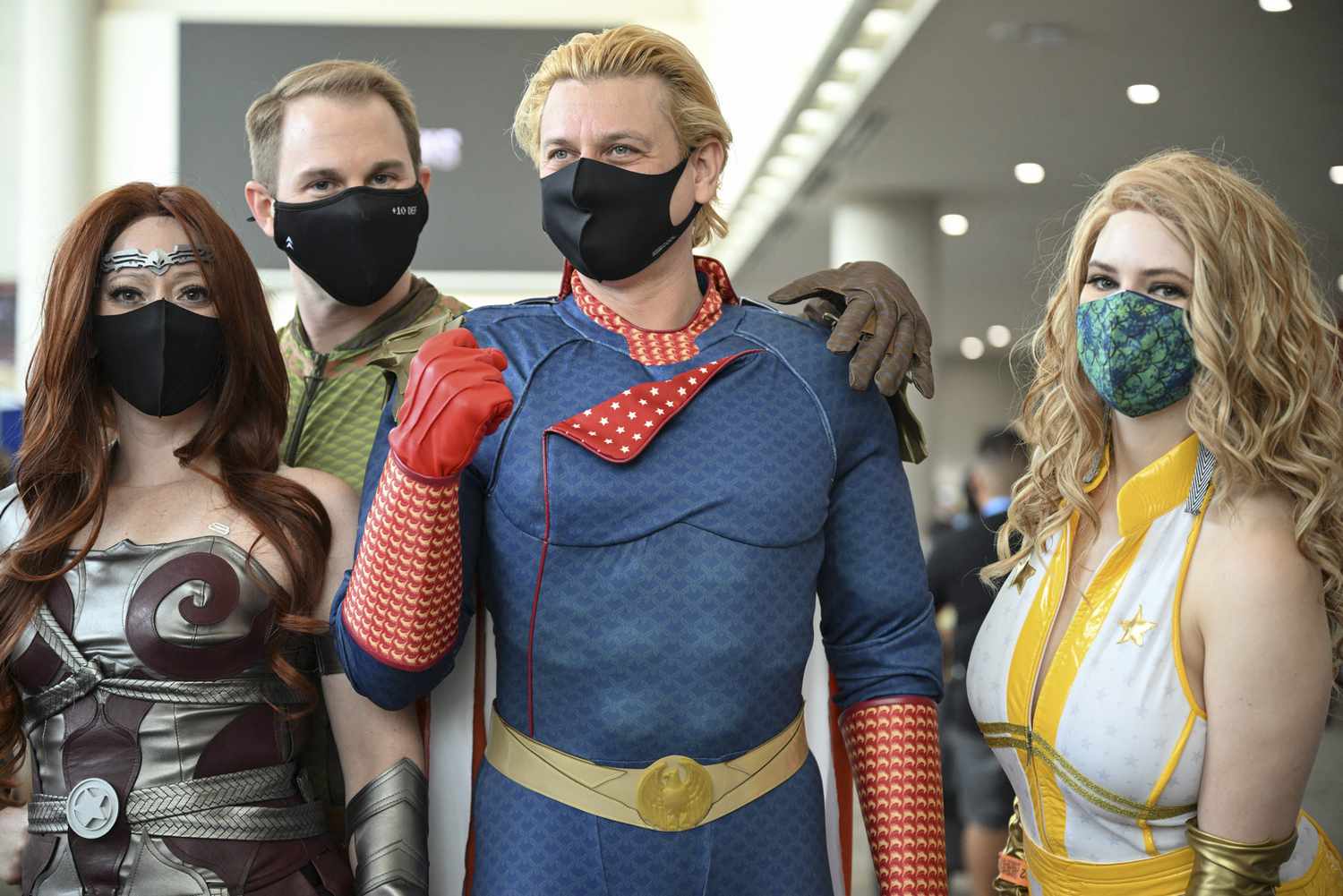
Cosplay is a performance art and craft practice where participants (cosplayers) dress as characters from anime, video games, comics, movies, and more. Many cosplayers also pose, role-play lightly, or create skits for photos and stage contests.
For a clean reference that matches how most communities describe the practice today, this cosplay overview and definition is useful when you want a quick baseline for terminology—especially if you’re explaining cosplay history to someone brand new.
If you want inspiration that’s more “community-driven” than encyclopedia-style, it helps to browse real builds across fandoms and skill levels. Cosplay.com creator galleries and community posts can be a strong starting point for seeing how different makers interpret the same character with different budgets, materials, and comfort choices.
At its core, cosplay is about expression:
- Showing love for a character or franchise
- Building something with your hands
- Sharing creativity with a community
- Creating memorable moments at events
And yes—gaming cosplay is one of the biggest branches today, because game characters often have iconic silhouettes, weapons, and recognizable “visual language.”
When did cosplay start?
People ask this exact question all the time, and the answer is surprisingly old. Costuming at fan conventions existed decades before the word “cosplay” was even created.
Cosplay’s early roots are strongly linked to science fiction fan conventions in the United States. One widely cited milestone happened at the first World Science Fiction Convention (Worldcon) in 1939, where fans attended in “futuristic” costumes—an early form of what we would now call cosplay.
But the term “cosplay” came later, and that’s where Japan enters the story.
Early fan costuming and the 1939 Worldcon moment
The 1939 Worldcon costuming moment is often associated with Forrest J Ackerman and Myrtle R. Douglas (also known in fandom history as Morojo). Accounts describe how they attended in costumes designed for the event, helping normalize the idea of dressing up at conventions.
What matters about this moment isn’t “who was first” for bragging rights.
What matters is the shift:
- Fans realized conventions could be participatory
- Costumes became part of the social experience
- “Spectator culture” started turning into “creator culture”
This is the same spirit you see today when people trade tips, share templates, and post progress shots.
Quick timeline snapshot
- 1939: fan costuming appears at early Worldcon gatherings
- 1940s: masquerades and costume events become more common at conventions
- 1980s: the term “cosplay” is coined and spreads through Japan
- 1990s–2000s: Comic-Con culture explodes and cosplay becomes mainstream convention language
How Japan coined “cosplay” in the 1980s
The word “cosplay” is commonly attributed to Japanese journalist Nobuyuki Takahashi, who attended Worldcon in Los Angeles in 1984 and created the term by combining “costume” and “play.” The term then spread through Japanese fan culture, especially anime and manga communities.
This mattered because it gave the practice a clean name.
Once something has a name, it becomes easier to organize around it:
- communities form faster
- magazines and websites can cover it
- contests can label it
- newcomers can search for it
That “searchability” helped cosplay become a global movement.
How did cosplay become mainstream at Comic-Con and beyond?

Cosplay didn’t become mainstream overnight. It grew in waves: conventions, fandom expansion, and then the internet supercharged everything.
Events like San Diego Comic-Con grew dramatically over time, and as the convention scene became more multi-fandom (comics, film, TV, games), cosplay became a natural centerpiece of that shared culture.
Today, cosplay is both art and social currency: you meet people faster, get invited into group shoots, and build community through shared fandoms.
Convention culture, contests, and the “masquerade” tradition
Cosplay contests and masquerades turned costumes into a recognized craft discipline.
That shift did two things:
- It raised the standard of builds (props, armor, screen accuracy)
- It created “paths” for beginners (novice categories, craftsmanship judging)
If you’re building your first costume, this matters because you don’t need to start at “competition level.”
You can start with:
- closet cosplay
- a simplified version of a character
- one strong signature piece (a weapon, mask, or jacket)
That’s still cosplay. It still counts.
Beginner-friendly contest prep checklist
- Choose one photo pose that fits your character
- Practice walking and standing in costume
- Pack repair items (glue, tape, pins)
- Hydrate and take breaks
- Be kind to yourself if things aren’t perfect
Social media, streaming, and gaming cosplay taking over
Once Instagram, TikTok, and Twitch became normal fandom spaces, cosplay stopped being “only convention-based.”
Now it’s:
- build logs and tutorials
- short skits and POV videos
- streaming in costume
- photoshoots as content series
And gaming cosplay became massive because:
- game releases create hype cycles
- character skins add endless variation
- esports and live events bring cosplay into stadium-scale culture
If you want high-impact cosplay ideas, games are one of the fastest routes to recognizable designs with strong visual identity.
What are the most popular fandoms and genres in cosplay?
Cosplay fandoms are broad, but some categories stay consistently dominant because they have huge communities, clear character silhouettes, and strong emotional attachment.
Here are major cosplay “buckets” you’ll see everywhere:
- Anime & manga: big casts, iconic hairstyles, recognizable uniforms
- Comics & superheroes: strong symbols, high visibility at conventions
- Movies & TV: character-driven designs, cinematic props
- Video games: armor sets, weapons, skins, and endless variants
What makes a fandom cosplay-friendly
| Genre | Why it’s popular | Great for beginners? |
| Anime | simple base outfits, big community | Yes |
| Superheroes | clear references, lots of tutorials | Yes (varies) |
| Movies/TV | props and styling stand out | Yes |
| Gaming | high variety, skins help creativity | Yes |
If your goal is best cosplay outcomes quickly, pick fandoms with:
- lots of reference images
- lots of tutorials
- costumes you can simplify without losing identity
How do you start cosplay as a beginner?
This is a real SERP-style question, and it’s where most people overthink.
You don’t need to be a pro.
You need a plan.
Your first cosplay should teach you the basics:
- choosing materials
- building confidence
- wearing the costume comfortably
- learning what you enjoy (sewing, props, makeup, wigs)
Below is a beginner-first process you can actually follow.
How to choose a character without setting yourself up to fail
Choose a character you genuinely love. Motivation matters when you hit annoying steps like sanding foam or fixing seams.
Then filter by practicality:
- Can you move in it?
- Can you wear it for 3–6 hours?
- Can you afford it?
- Can you build it in time?
Beginner character pick formula
Pick a character that has:
- a simple “base outfit” (shirt/coat/pants)
- one signature item (mask, weapon, hat, wig)
- references from multiple angles
This gives you a costume that reads clearly in photos, even if it’s simplified.
If you want cosplay ideas, start by listing 10 characters and ranking them by:
- love for the character
- simplicity
- budget
- comfort
Pick the top one.
Budgeting, planning, and building your first cosplay step-by-step
Here’s a simple build plan that avoids chaos:
- Collect references (front, side, back)
- Decide what you will buy vs. make
- Create a shopping list (materials + tools)
- Build the outfit first (base clothing)
- Add signature pieces (props, armor, wig)
- Do a full “test wear” before the event
- Pack a repair kit
Basic repair kit
- safety pins
- double-sided tape
- small glue
- makeup wipes
- hair pins + wig cap
- band-aids
This is the boring part that saves your day.
What materials do you need for cosplay?
This is another high-intent question because materials decide your entire experience. Good material choices make cosplay easier, lighter, and more comfortable.
Before you buy anything, decide what kind of build you want:
- fabric-based outfit (clothing focus)
- armor-based build (foam/thermoplastic focus)
- hybrid (most common)
Also, choose your “standard” early. Not every cosplay needs to be screen-accurate to be great.
Fabrics, sewing, and smart shortcuts
Common beginner fabrics:
- cotton (easy to handle)
- polyester blends (cheap and durable)
- stretch fabrics (great for bodysuits, but trickier)
Smart shortcuts that still look good:
- thrift store base pieces
- tailoring and alterations instead of full sewing
- fabric paint for symbols and details
- iron-on vinyl for clean shapes
If sewing scares you, start with alterations. It’s still craft. It still counts.
Armor and props: EVA foam, Worbla, and paint workflow
Armor and props often use:
- EVA foam (light, beginner-friendly)
- thermoplastics like Worbla (more advanced, more expensive)
A simple foam workflow:
- pattern
- cut
- heat shape
- glue
- seal
- prime
- paint
- weather (optional)
Common tool list
- craft knife + extra blades
- contact cement or foam glue
- heat gun
- sandpaper
- primer + acrylic paint
- clear coat
This is the foundation of a lot of gaming cosplay armor builds.
Makeup and wig styling in cosplay
Makeup and wigs turn “a costume” into “a character.”
You don’t need heavy SFX. You need clarity.
Start with:
- a clean base makeup routine
- character-inspired brows/eyes
- simple contour/highlight if needed
For wigs:
- use a wig cap
- learn basic cutting
- style with heat carefully (if the fiber supports it)
- secure with pins and a strong method
Quick wig tips
- detangle slowly from the ends
- store wigs on a stand or in a bag
- test the wig under real lighting before photos
This is where your cosplay photos jump in quality fast.
A note on gaming, performance, and why lag still matters
If you’re doing gaming cosplay for streams, tournaments, or content days, performance issues can ruin the experience. Lag makes streams messy, online matches frustrating, and content scheduling harder.
A stable setup is part of the workflow when you’re recording, streaming, and playing in the same session. This no-lag tips for smoother gaming sessions checklist covers practical habits (background apps, stability routines, connection hygiene) that reduce interruptions and keep content days from derailing.
If you’re playing competitive games while creating cosplay content, a stable connection helps keep things smooth. Tools like ExitLag can reduce instability and help you stay consistent during sessions—especially when you’re juggling recording, streaming, and gameplay in the same setup.
FAQ — Cosplay
Cosplay is short for “costume play,” and it refers to dressing as a character from pop culture, often with performance elements.
Fan costuming at conventions traces back to early sci-fi convention culture, with a widely cited milestone at Worldcon in 1939.
The term is commonly attributed to Nobuyuki Takahashi in the 1980s, after attending Worldcon in Los Angeles in 1984.
No. Cosplay is about creativity and fandom expression. Choose characters you love, build the version that feels right, and focus on comfort and confidence.
Cosplay is a craft, a community, and a form of storytelling you can wear. Start small, build what excites you, and upgrade one skill at a time. If you want momentum, pick one character this week, map your materials, and do a “first draft” version—because progress beats perfection every time.
When recurring spikes and stutters keep showing up, it’s easier to fix them with a structured troubleshooting path instead of random guessing. This how to fix lag troubleshooting hub is a good reference to bookmark, so you can quickly isolate whether the issue is routing instability, packet loss, or system load before a big stream or shoot day.
Want to level up your next build and keep your gaming sessions smooth while you create content? Try ExitLag for a more stable connection, then save this cosplay guide and use it as your checklist for your next cosplay project—because the best cosplay is the one you actually finish.
Got questions or want to connect with other players? Join the conversation at the ExitLag Forum!