
Counter-strike is not just a tactical FPS. It is one of the most influential competitive games ever created, shaping multiplayer design, team strategy, and professional tournaments for more than two decades.
Since its early days as a mod, Counter-strike has defined what a skill-based valve shooter should look like. Tight mechanics, punishing recoil control, and tactical coordination turned it into a global phenomenon across LAN cafés and international stages.
But what exactly is Counter-strike restored? Counter-strike restored refers to community-driven initiatives focused on preserving classic versions of the game through improved compatibility, stabilized infrastructure, and carefully maintained gameplay mechanics. And before we continue, know that to know more about all the relevant content about gaming, you just have to check our blog.
What is Counter-strike restored and why does it matter?
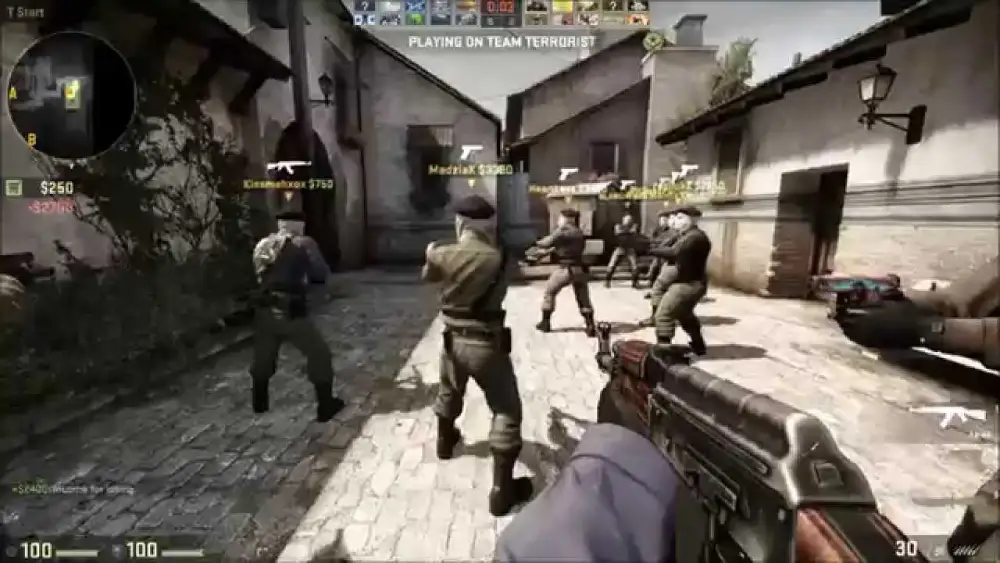
First of all, Counter-strike restored is not an official remake. Instead, it is a preservation effort built around maintaining legacy builds and authentic gameplay conditions.
These projects focus on three essential pillars:
- Preserving original recoil patterns and movement physics
- Maintaining classic map layouts and economy systems
- Hosting reliable restored servers compatible with modern systems
In other words, the goal is not reinvention. It is authenticity.
Why restored servers are essential
Without properly maintained restored servers, many classic experiences would become inaccessible. Operating systems evolve, anti-cheat systems change, and official support cycles move forward.
Therefore, community-maintained infrastructure ensures:
- Access to legacy competitive rule sets
- Stable matchmaking alternatives
- Low-latency environments for classic builds
As a result, veteran players can relive iconic moments while new players explore the roots of the modern competitive scene.
How Counter-strike shaped modern esports
Counter-strike did not simply participate in esports growth — it defined it. Prize pools, structured brackets, LAN formats, and tactical broadcast commentary all evolved alongside it.
The structure of professional tournaments in today’s esports ecosystem reflects systems that were refined through years of Counter-strike competition.
Key elements that contributed to this dominance include:
- Transparent hit registration
- Deep tactical economy management
- Team-based strategic depth
- High mechanical skill ceiling
Unlike trend-driven shooters, Counter-strike remains consistent. That consistency is precisely why the competitive scene continues to thrive.
Read also: How to Fix Counter-Strike 2 Lag and Reduce Ping Instantly
Counter-strike restored vs original versions
Although the core mechanics remain intact, restored environments introduce subtle infrastructure improvements.
| Feature | Original Legacy Builds | Restored Versions |
| Compatibility | Limited to older systems | Modern OS support |
| Server Stability | Variable community quality | Stabilized hosting layers |
| Anti-cheat Support | Early systems | Updated protective layers |
| Map Integrity | Classic layouts | Preserved layouts |
Notice that gameplay itself is not redesigned. The intention is preservation, not modernization.
Why preservation strengthens the cs community
Preserving legacy builds reinforces the culture of the cs community. It protects historical strategies, original map control approaches, and early competitive structures.
Above all, it ensures that future generations understand how the modern valve shooter ecosystem was built.
Check also: Lagging Define: Understanding and Resolving Lag Issues
The importance of connection stability in restored servers
Even the best restored servers can suffer from routing inconsistencies depending on regional traffic and infrastructure.
In a precision-based game like Counter-strike, minor latency fluctuations affect:
- Peeker’s advantage
- Spray control consistency
- Reaction timing
- Bombsite retake coordination
This is where ExitLag becomes strategic rather than optional. ExitLag optimizes routing paths in real time, reducing packet loss and stabilizing ping across global nodes. That stability ensures that mechanical skill translates directly into performance.
In competitive matches — whether nostalgic or professional — infrastructure reliability defines outcomes.
In conclusion, Counter-strike restored proves that true classics do not fade. They evolve through community dedication, infrastructure refinement, and ongoing support from the competitive scene. With optimized routing and stable restored servers, Counter-strike remains one of the strongest pillars of global esports.
Counter-strike restored servers: how to experience the classic properly
Counter-strike continues to dominate tactical FPS discussions, but many players actively seek the restored experience to reconnect with its original competitive identity. For veterans, it represents nostalgia. For newcomers, it is a chance to understand the foundation of modern tactical shooters.
Since its earliest competitive days, Counter-strike has relied on precision, discipline, and structured team coordination. The restored ecosystem protects those pillars instead of replacing them with modern convenience systems.
More importantly, Counter-strike restored environments safeguard the raw mechanics that define the franchise. Without preservation efforts from the cs community, key historical builds and gameplay philosophies could gradually disappear from the competitive scene.
Today, Counter-strike remains relevant because its players refuse to let its legacy fade. Through carefully maintained restored servers, improved compatibility layers, and community-led infrastructure, the game continues to thrive across both nostalgia-driven matches and high-level esports environments.
Check this: Fix Lag CS2: Ultimate Solutions for Smooth Counter-Strike 2 Gameplay
How to access Counter-strike restored servers
Accessing restored environments is not complicated, but doing it correctly ensures the best possible performance and stability.
First of all, players must identify which legacy build they want to experience. Some restored servers focus on early 1.6 mechanics, while others emphasize transitional builds that influenced the modern valve shooter formula.
Step-by-step process
- Install the correct compatible legacy build through a verified source
- Update system drivers to ensure modern OS compatibility
- Open the in-game server browser and filter for community or restored tags
- Check ping, tick rate, and server region before joining
- Save the most stable restored servers to your favorites list
Although this process is simple, server quality can vary dramatically depending on host infrastructure and geographic routing.
Why server selection matters
In Counter-strike, even slight latency instability affects gameplay outcomes. Therefore, selecting the right restored servers is strategic rather than optional.
Poor routing may cause:
- Inconsistent spray patterns during recoil control
- Delayed bullet registration in close-range duels
- Micro stutters during bombsite executes
- Disrupted timing in coordinated retakes
Because the competitive scene in Counter-strike depends on precision timing, infrastructure becomes part of your skill set.
Read this: Ping Test: learn how to do it and interpret the results properly
Restored servers vs modern matchmaking
Many players wonder whether restored environments offer advantages over official matchmaking systems. The truth is that both serve distinct purposes within the broader competitive scene.
| Aspect | Restored Servers | Modern Matchmaking |
| Gameplay Philosophy | Preservation of legacy mechanics | Evolving balance updates |
| Community Control | High, community moderated | Centralized structure |
| Competitive Focus | Classic formats | Professional esports standards |
| Infrastructure | Variable depending on host | Officially managed servers |
| Learning Curve | Mechanically demanding | Structured progression |
Restored servers prioritize authenticity. Modern matchmaking aligns with the evolving standards of global esports tournaments.
Similarly, alternating between both environments can strengthen overall understanding of Counter-strike fundamentals.
The role of the cs community in preservation
Counter-strike has always been powered by its players. Unlike many modern shooters that rely exclusively on official updates, Counter-strike evolved through grassroots dedication.
The cs community has historically contributed through:
- Custom map development
- Community tournaments
- Server moderation and hosting
- Tactical guide creation
- Demo analysis and strategy breakdowns
Therefore, restored initiatives are not unusual. They are a continuation of a long-standing culture of collaborative development.
Above all, these preservation efforts ensure that newer generations entering the competitive scene understand how the modern valve shooter ecosystem was built.
Read also: Ping ms for Gaming: reduce the lag, enhance your experience
How restored gameplay strengthens fundamentals

Restored Counter-strike environments often feel less forgiving than modern builds. That challenge strengthens player discipline.
Players must master:
- Strict recoil patterns without visual assist cues
- Manual economy tracking
- Traditional map control rotations
- Precise crosshair placement without aim smoothing adjustments
As a result, restored gameplay can sharpen mechanical execution and strategic awareness more effectively than some modern systems.
This is particularly valuable for aspiring esports competitors who want to refine fundamentals before entering professional circuits.
Infrastructure optimization and performance stability
Even the most authentic restored servers depend on stable network routing. Because many servers are community-hosted across global regions, routing inconsistencies may occur.
In a precision-driven valve shooter like Counter-strike, milliseconds determine outcomes. Ping spikes during entry fragging or clutch scenarios directly influence round results.
This is why serious competitors focus on both mechanical improvement and connection optimization.
ExitLag enhances Counter-strike performance by:
- Identifying the fastest available routing paths in real time
- Using multipath technology to stabilize packet delivery
- Reducing packet loss during peak server traffic
- Maintaining consistent latency across global nodes
Instead of relying on a single connection route, ExitLag dynamically adapts to traffic fluctuations. That stability ensures your mechanical skill translates accurately into performance.
In competitive environments—whether restored or official—infrastructure reliability becomes a strategic advantage.
Frequently Asked Questions (FAQ)
Counter-strike restored refers to community-led preservation initiatives designed to maintain legacy gameplay builds while ensuring compatibility with modern operating systems and hardware. These projects prioritize mechanical authenticity over visual reinvention.
Yes, when accessed through reputable hosts within the cs community. Players should always verify server stability, moderation practices, and regional routing quality before committing to long-term play.
Mechanically, restored environments preserve original recoil patterns, movement physics, and economy systems. Modern builds may introduce subtle balance adjustments or interface refinements, but restored servers focus strictly on historical authenticity.
Absolutely. Because restored gameplay emphasizes strict fundamentals, it can strengthen recoil discipline, positioning awareness, and decision-making speed — all critical within professional esports environments.
Counter-strike relies heavily on precision gunplay and instantaneous reactions. Even minor latency fluctuations can disrupt spray transfers, trade timing, and angle holding consistency. Therefore, stable routing directly influences performance.
In Conclusion
Counter-strike restored proves that competitive excellence is not defined by graphics upgrades or seasonal reinventions. It is defined by mechanical integrity, community dedication, and infrastructure stability.
Through restored servers and the relentless effort of the cs community, Counter-strike continues to stand as one of the most influential valve shooter titles in gaming history. Its impact on the competitive scene and global esports remains undeniable.
However, authentic gameplay requires reliable infrastructure. Whether you are revisiting legacy builds or climbing modern competitive ladders, optimizing your connection ensures your skill is the deciding factor.
If you want to experience Counter-strike at its full potential — across restored environments or high-level esports competition — eliminate instability and prioritize performance. With the right routing support and competitive mindset, Counter-strike will continue defining tactical FPS mastery for years to come. Download ExitLag now!
Got questions or want to connect with other players? Join the conversation at the ExitLag Forum!