

If you are looking to understand the CS2 compound name, how the community-created Compound map functions, and how to play it effectively, this guide covers every essential detail. Although Compound is not part of Valve’s official CS2 map pool, it remains a recognizable custom environment used across Workshop servers, aim-training routines and casual scrims.
Knowing a community map can be just as useful as mastering official ones, especially when practicing fundamentals, and this also applies to the CS2 compound name as it appears in various training hubs. Compound’s fast-paced structure helps players improve timing, angle discipline and close-range engagements, skills that directly benefit competitive performance.
Because the CS2 compound name is associated with a map that exists in multiple community versions, the information provided here is based on the most commonly shared layouts found in popular Workshop builds. While callouts or small structural elements may vary per server, the general design remains consistent enough to create a reliable and practical guide.
Important Clarifications About the CS2 Compound Name Map
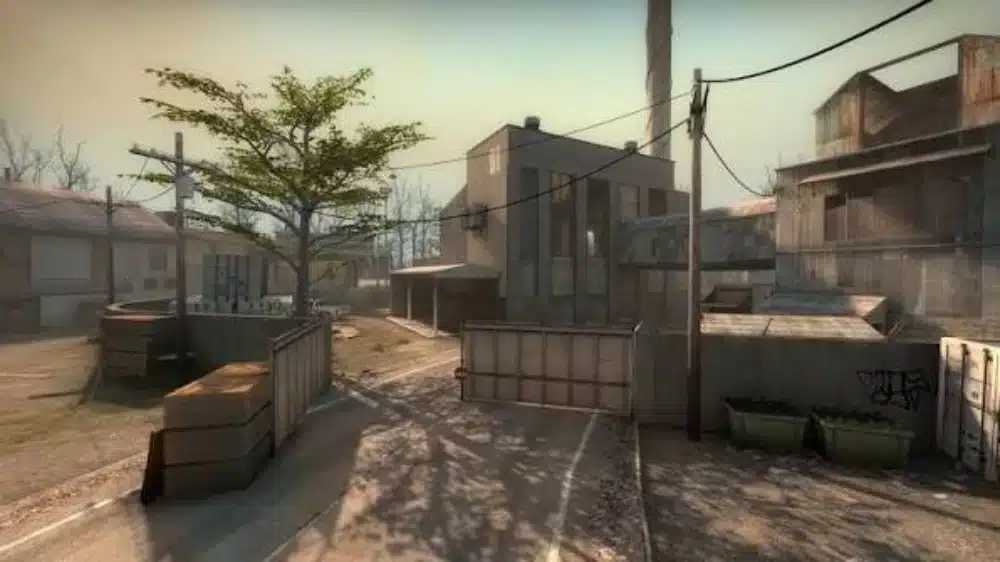
Before diving into the map itself, it’s important to address a few points to ensure accuracy and transparency.
Many community maps, including Compound, do not have an official reference layout or universally recognized callouts. Because multiple Workshop versions exist, naming conventions may differ from server to server.
This means that areas like “Main Hall,” “Storage,” or “Vent Corridor” should be understood as representative callouts, not strict standards.
Variations in Tactical Applicability
Additionally, because these maps evolve over time, some tactical suggestions are based on general principles that apply across most Compound-style layouts, narrow hallways, tight chokepoints and small rotation loops. These tactics remain relevant but should be adapted to your specific version of the map.
Understanding these nuances helps set proper expectations before exploring the rest of this guide.
Introduction to the CS2 Compound Name Map
Compound is best described as a compact, corridor-driven community map designed for fast encounters and close-range engagements. Its structure emphasizes mechanical skill, quick decision-making and coordinated pushes, making it ideal for warm-ups, scrims and casual matches.
The map appeals to players because it reproduces the intensity of official CS2 close-quarters environments but with a simpler layout that accelerates gameplay flow. This is why the CS2 compound name appears frequently in training playlists and Workshop hubs.
Why Players Use Compound
Compound is a popular option in custom servers for several reasons:
- It provides immediate combat without long rotations;
- It encourages aggressive fights and fast-peeking mechanics;
- It replicates common CS2 fundamentals in a controlled environment;
- It supports both individual training and small-team scrims.
Each of these elements contributes to why Compound remains relevant even outside the official Active Duty pool.
Map Overview of the CS2 Compound Name
Because Compound is a community map, small visual or structural differences may exist. Still, most well-circulated versions follow a similar architectural blueprint that includes a central area, side corridors and multi-access rooms.
Common Structural Areas
Most versions of the CS2 compound name map include:
- Main Hall, a long corridor serving as the map’s central artery;
- Storage, a box-filled room that functions as a defensive stronghold;
- Garage, a transitional outdoor-like space that attackers often use for pressure;
- Vent Corridor, a narrow passage ideal for flanks or ambushes;
- Office Entry, an elevated or upper-level pathway that supports split pushes.
Each of these areas creates predictable fighting patterns, which is why they appear consistently across community callout references.
Understanding Unofficial Callouts
Unlike official CS2 maps, which have universally recognized callouts documented by Valve, Liquipedia and tactical communities, Compound relies on organically formed naming conventions. This means:
- Different servers may use slightly different names;
- Some callouts are descriptive rather than standardized;
- Communication between teammates may require quick adaptation.
Even so, the callouts listed here align with the most common language observed across Workshop builds.
Best Positions on the CS2 Compound Name Map
Positioning is critical on Compound because the map’s size exaggerates the importance of angle advantage and timing. A single misstep can lead to immediate trades or site control losses.
Defensive Positions
Defenders typically gain advantage from holding angles that restrict attacker movement while offering favorable cover. Some of the strongest defensive spots include:
- Storage Entrance: A head-glitch angle allowing defenders to control the choke;
- Upper Office Platform: Elevation that grants visibility and early-round information;
- Vent Corridor Hold: A tight angle that punishes overconfident pushes.
These positions work because they anchor key transitions and delay attacker progression.
Attacking Angles
Attackers need well-timed entries and coordinated swings to break strong defensive setups. Useful attacking angles include:
- Garage to Storage Wide Swing: Creates a favorable duel against defenders hugging cover;
- Main Hall + Office Entry Split: Forces defenders to divide their attention;
- Vent Corridor Lurks: Disrupts defensive setups by attacking from unexpected angles.
These vantage points allow attackers to control the pace and open sites effectively.
Utility Usage on the CS2 Compound Name Map
Proper utility use turns a small map like Compound into a tactical playground. Even a single smoke or flash can redefine who controls a chokepoint.
Effective Smokes and Flashes
Players often rely on simple but powerful utility usage, such as:
- Smoke for Storage Entrance: Cuts off the strongest defensive angle;
- Pop-Flash from Garage: Forces Storage anchors to fall back or risk being blinded;
- Flash from Office Entry: Supports a coordinated push from two directions.
These actions create space and minimize risk during early engagements.
Molotov and Area-Denial Utility
Molotovs are especially effective in tight corridors. Useful placements include:
- Crate Corner in Storage: Prevents defenders from playing behind cover;
- Vent Corridor Bend: Clears one of the most dangerous ambush angles;
- Main Hall Side Walls: Discourages defenders from holding aggressive peaks.
Utility in this map is less about complexity and more about timing.
Tactical Strategies for CS2 Compound Name
Compound rewards structured, intentional gameplay, even though the map is unofficial. Players who combine timing with team coordination outperform those relying only on aim.
Attacking Strategies
Effective attacking strategies include:
- Heavy Garage Pressure: Forces defenders out of Storage or into unfavorable duels;
- Double-Entry Executions: Using Main Hall and Office Entry simultaneously to split attention;
- Delayed Lurks: Vent Corridor lurkers punish rotating defenders.
These tactics work regardless of minor layout variations.
Defensive Strategies
Strong defensive strategies often rely on information gathering and disciplined anchoring. Examples include:
- Crossfires Inside Storage: Hard to break without coordinated utility;
- Early Control of Office Entry: Denies attackers an advantageous split;
- Fast Rotations: Essential due to the map’s compact nature.
Maintaining composure and repositioning efficiently are key skills.
Frequent Callouts for the CS2 Compound Name Map
Below is a table summarizing the most consistent callouts used across popular Workshop versions of Compound.
| Area | Description | Tactical Role |
| Main Hall | Central long corridor | Primary attacker route |
| Storage | Box-filled interior | Main defensive anchor point |
| Garage | Transitional space | Early pressure zone |
| Vent Corridor | Narrow passage | Lurk and ambush pathway |
| Office Entry | Elevated access | Ideal for split attacks |
These labels are not official but commonly used in community servers.
Additional Tips for Mastering the CS2 Compound Name Map
Mastering the CS2 compound name requires more than memorizing callouts, it demands consistent fundamentals. On a close-range map like Compound, timing, patience, angle discipline and utility awareness have an even greater impact.
These principles also help when players search for Compound name for CS2, CS2 chemical compound name, or CS2 name of compound, since many expect practical insights that improve performance across different community versions.
General Tips
Because the CS2 compound name is tied to a compact, corridor-based layout, clearing angles effectively becomes essential.
Every room, crate and doorway can hide an opponent, so each movement must be intentional. The following practices strengthen your gameplay on any community version:
- Clear corners deliberately, especially in Storage and Vent Corridor, where defenders often anchor positions;
- Vary your routes frequently to stay unpredictable and avoid being pre-aimed by opponents;
- Use utility proactively, such as early flashes or smokes, to control space before committing to entry.
These habits not only improve consistency but also help players leverage tactics effectively when studying the CS2 name of compound in Workshop servers.
Movement Tips
Movement is one of the most important mechanics when playing on the CS2 compound name map because tight angles punish hesitation. Good movement increases survivability and opens opportunities for favorable duels.
These refined behaviors matter regardless of whether a player refers to it as Compound name for CS2 or looks for chemistry-related terms like CS2 chemical compound name, since the goal in gameplay remains the same: maintain control of every step.
- Jiggle peek around crates to gather information safely without exposing your full body;
- Maintain consistent crosshair placement at head height to win close-range duels more reliably;
- Use crouch-peeks sparingly, especially in tight hallways, to throw off defenders holding predictable angles.
These small adjustments dramatically enhance performance across all versions of the CS2 compound name, helping players build strong fundamentals that apply well beyond this community map.
FAQ
It refers to Compound, a community-created Workshop map.
No. It does not appear in Valve’s official map lineup.
No. They vary, but the callouts in this guide reflect common patterns.
No. Only in Workshop and custom servers.
Because it is useful for practicing fundamentals and running scrims.
Boost Your CS2 Performance on Compound with ExitLag
Although Compound is not an official CS2 battleground, understanding its layout and structure helps players sharpen fundamentals that transfer directly to competitive maps. Clear communication, consistent utility and smart positioning make the experience smoother and more rewarding.
Keep your gameplay stable and responsive on custom servers by optimizing your routing with ExitLag.
Got questions or want to connect with other players? Join the conversation at the ExitLag Forum!


