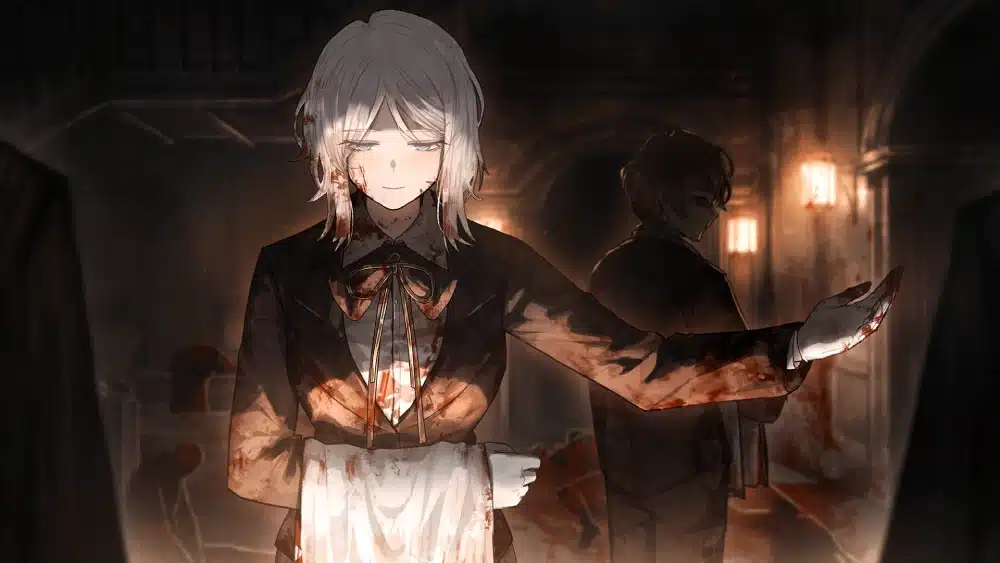

Horror games are more than entertainment. They use darkness, sound, and uncertainty to trigger real tension. In the best moments, you’re not just watching a scary scene—you’re responsible for surviving it. That’s why horror games can feel so intense, even when you know it’s “just a gameTh
Some players think “horror” is one thing, but the genre has clear branches that change the entire experience—survival tension, psychological dread, or action-heavy panic. This quick breakdown of the main genres of games makes it easier to understand what type of horror you’re actually in the mood for before you commit to a long campaign.
Horror games also come in many flavors: from slow, psychological dread to high-pressure survival systems where every bullet matters. And because 2024 delivered a mix of remakes, cinematic nightmares, and indie surprises, it’s a great year to revisit the genre and find your next obsession.
If you want best horror games recommendations, practical horror games pc performance tips, and a curated look at horror games 2024, this guide is built to be skimmable, useful, and actually scary—in the right way.
For a fast shortlist of popular options across platforms and styles, browsing a curated hub like ExitLag’s games and guides can help you jump straight into genres, titles, and performance-focused recommendations without digging through random lists.
What are horror games?
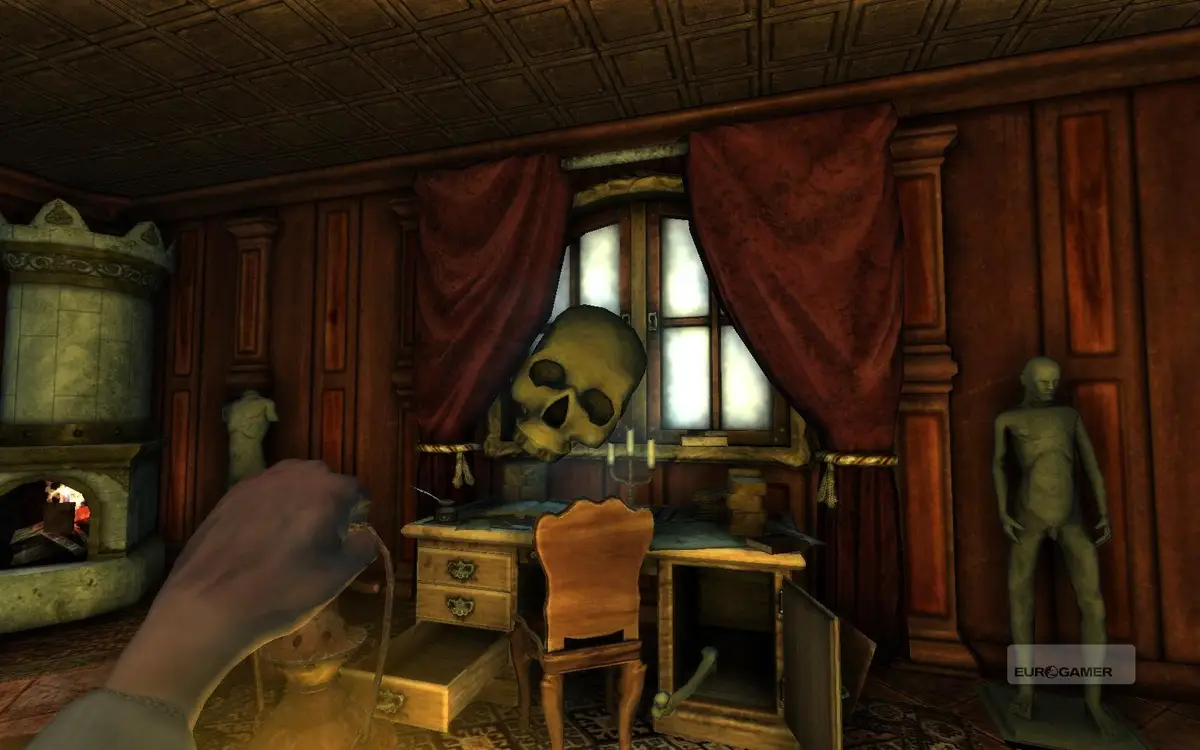
Horror games are a game genre designed to evoke fear, tension, and suspense through interactive systems. Instead of relying only on jump scares, many horror games build dread using atmosphere, limited information, and player vulnerability.
The biggest difference versus horror movies is simple: you’re in control. You choose the door. You decide whether to explore the basement. You manage the resources. You make the mistake.
That interaction is exactly why scary games hit harder for many players.
How do horror games create fear and suspense?
Most horror games use the same “fear toolbox,” but combine it in different ways. Typically, the genre focuses on:
- Atmosphere: darkness, fog, decaying spaces, oppressive architecture
- Sound design: distant footsteps, muffled voices, sudden silence, positional audio cues
- Pacing: long stretches of tension followed by spikes of panic
- Vulnerability: limited ammo, weak weapons, slow healing, fragile stamina
- Uncertainty: incomplete maps, unclear objectives, unreliable safety zones
To make this easier to scan, here’s a quick checklist of what makes horror effective:
What great horror games do well
- They make you anticipate danger, not just react to it.
- They punish impatience.
- They reward preparation.
- They use the environment as an enemy.
- They make you doubt your own plan.
If you’re searching for best horror games, prioritize titles with strong pacing and audio design. Graphics can help, but sound and tension carry the fear.
What are the main types of horror games?
A good example of how horror can change shape depending on mode and pacing is Dead by Daylight—built around pressure, timing, and the constant fear of being punished for small mistakes. If you want a practical reference for that style, this Dead by Daylight guide is a useful way to compare “chase horror” to slower, exploration-driven horror campaigns.
Most players naturally gravitate toward one of these subgenres:
1) Survival horror
You survive by managing scarcity. Healing, ammo, and tools are limited. Enemies are dangerous, and running is often smarter than fighting.
2) Psychological horror
The fear comes from confusion and mental pressure. Themes like paranoia, guilt, grief, isolation, and unreliable reality show up constantly.
3) Action horror
You can fight back more often. It’s louder, faster, and sometimes more empowering—but still built around dread and grotesque threat design.
A lot of modern horror games blend these categories. Many of the most popular scary games shift styles mid-campaign: slow psychological build-up, then survival pressure, then action burst—then back to silence.
What are the best horror games of 2024?
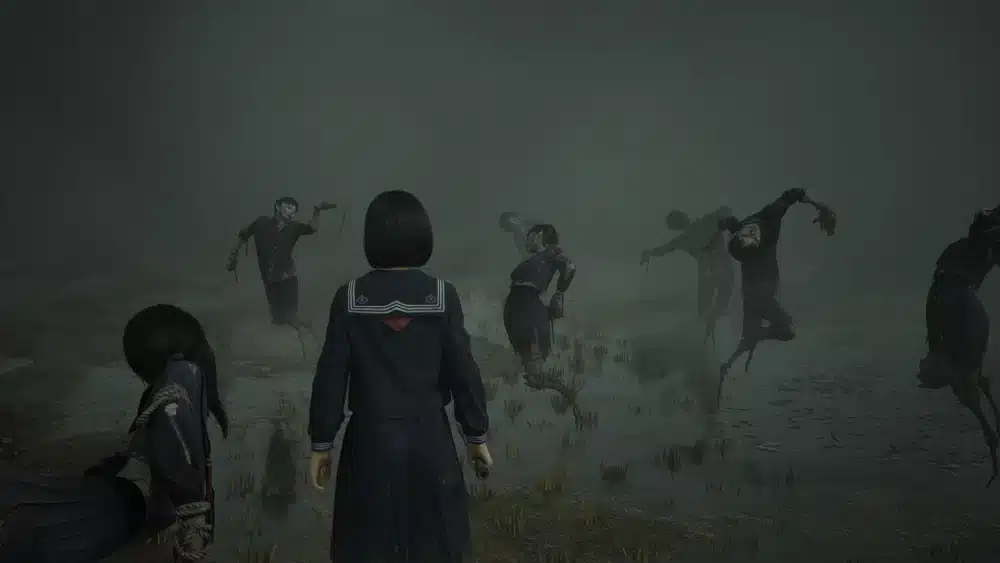
2024 delivered a strong mix of AAA remakes and smaller titles that understand exactly how fear works. If you’re looking for horror games 2024, the key is to choose the “type of fear” you want:
- Do you want slow, emotional dread?
- Do you want puzzle-heavy survival tension?
- Do you want cinematic panic?
- Do you want retro-style discomfort?
Below are curated picks that fit different tastes.
Big remakes and cinematic horror highlights
If you want high-production horror games with heavy atmosphere and mainstream visibility, start here:
- Silent Hill 2 (Remake) — Released on PC and PS5 in October 2024 (Steam lists Oct 7, 2024; broader release commonly referenced as Oct 8, 2024).
If you want a quick refresher on the original’s background, themes, and why it’s considered a landmark in psychological horror, the Silent Hill 2 overview is an easy reference point before jumping into remake comparisons and modern takes.
- Still Wakes the Deep — Released on June 18, 2024, with a strong narrative horror focus (and a claustrophobic setting).
- Alone in the Dark (2024) — Released March 20, 2024, a modern reimagining with survival horror structure and investigation elements.
For a quick context check on where this franchise came from and why it matters historically in survival horror, the Alone in the Dark overview gives a clean snapshot of the series’ legacy and how the modern reimagining fits into that lineage.
These are great when you want “big” horror: cinematic framing, heavy mood, and a more guided experience. They also tend to be strong entry points if you’re new to the genre and want something polished.
Indie and retro-inspired standouts
If you prefer scary games that are shorter, sharper, and more experimental, 2024 had excellent picks:
- Crow Country — Released May 9, 2024 on PC/PS5/Xbox Series (with later PS4/Switch releases), and built as a retro survival horror homage.
Indie horror often takes bigger creative risks. It may have simpler visuals, but it can deliver stronger discomfort because it’s willing to be weird, minimal, and relentless.
2024 horror picks by “fear style”
| Title | Release (key date) | Best for | Why it works |
| Silent Hill 2 (Remake) | Oct 2024 | Psychological dread | Heavy atmosphere, iconic psychological pressure |
| Still Wakes the Deep | Jun 18, 2024 | Cinematic panic | Claustrophobic setting, story-driven tension |
| Alone in the Dark (2024) | Mar 20, 2024 | Survival mystery | Investigation + survival pacing + classic vibes |
| Crow Country | May 9, 2024 | Retro survival | Puzzles, exploration, deliberate “old-school” design |
How to choose the right game fast
If you want a practical filter for best horror games, use this:
- If you hate being powerless → try action horror first.
- If you love story and mood → pick cinematic horror.
- If you love puzzles and planning → survival horror is your lane.
- If you want something short and intense → go indie.
Also, consider platform performance. Some horror games pc titles are very sensitive to frame-time stutter because darkness + fast camera movement makes drops more noticeable.
How do you reduce lag and stutter in horror games on PC?
Nothing ruins horror games faster than technical issues. A stutter right before a reveal kills the build-up. A ping spike during a chase turns fear into frustration. And in co-op scary games, instability can cause desync and broken timing.
To keep your horror games pc sessions smooth, focus on two things:
- stable frame time (FPS consistency)
- stable routing (low packet loss and jitter)
Here’s a setup you can actually use.
PC settings checklist for stable FPS
Start with stability. Then raise quality.
Fast fixes that usually work:
- Cap your FPS (60/90/120). Stable beats high.
- Lower shadows first (expensive and constant in horror).
- Reduce volumetrics/fog if the game uses heavy atmospheric effects.
- Disable motion blur for clearer low-light scenes.
- Use fullscreen exclusive (when available) to reduce frame pacing issues.
If stutters persist, do this next:
- Lower resolution scale slightly (a clean win).
- Avoid max ray tracing unless you have headroom.
- Close overlays you don’t need.
- Move the game to SSD/NVMe if possible.
Quick micro-checklist
- Update GPU drivers
- Keep 15–20% free disk space
- Close heavy background apps (browsers can be a hidden killer)
These steps matter because horror relies on timing. When frame-time spikes happen, your brain stops believing the world is “real,” and the tension collapses.
Network stability with ExitLag (recommended for online-connected horror)
Even when a game is mostly single-player, many modern horror games include online-connected features (events, matchmaking, co-op, cloud syncing). And when you’re playing co-op, connection instability is brutal.
Start with basics:
- Use wired Ethernet
- Reboot modem/router before long sessions
- Avoid downloads and streaming on the same network
- Shut down background traffic
But if your route to the server is unstable—meaning you see jitter, packet loss, rubberbanding, or random spikes—ExitLag is the direct “problem → solution” tool.
How ExitLag helps (in plain terms):
- It optimizes the route your data takes to reach game servers.
- It reduces packet loss and jitter, which are common causes of sudden spikes.
- It helps stabilize performance during critical moments, especially in online or co-op play.
If you want your horror sessions to stay immersive and responsive, using ExitLag is a practical upgrade—because lag shouldn’t be the scariest thing on your screen.
What are the scariest horror games?
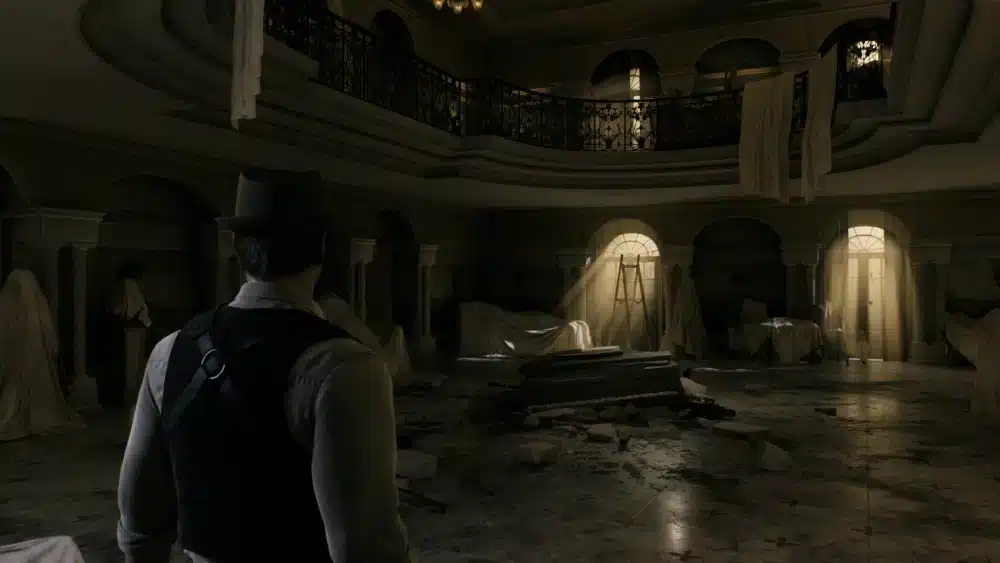
“Scariest” is subjective. What terrifies one person might feel boring to another.
Still, most players agree that the scariest horror games tend to share the same traits:
- limited control
- slow build-up
- strong sound design
- unpredictable threat patterns
- high penalty for mistakes
If you want a useful way to choose, use this quick preference map:
If you fear…
- isolation → psychological horror
- being hunted → survival horror
- losing control → games with sanity/unreliable perception mechanics
- jump scares → titles that focus on chase pacing and surprise triggers
And if you want to hunt best horror games for your specific taste, focus less on popularity and more on which fear style matches you.
FAQ: Horror games
Horror games are designed to create fear and tension through interactive systems like atmosphere, sound, pacing, and player vulnerability. The key difference is that you make the decisions.
Some of the most notable horror games 2024 releases include Silent Hill 2 (Remake) (Oct 2024 on PC/PS5), Still Wakes the Deep (Jun 18, 2024), Alone in the Dark (2024) (Mar 20, 2024), and Crow Country (May 9, 2024).
Many horror games pc versions offer better graphics options, higher FPS targets, mods (sometimes), and more performance control. But they also demand good settings to avoid stutters in dark scenes.
Start with wired internet, close background downloads, and stabilize your setup. For online-connected and co-op play, ExitLag can improve routing stability and reduce packet loss and jitter, helping prevent spikes during intense moments.
Final thoughts
The best horror doesn’t rely on cheap tricks. It builds dread slowly, uses silence like a weapon, and makes you feel responsible for every step. That’s why horror games can be unforgettable when the pacing is intact—and frustrating when performance issues break immersion.
If you want the fear to come from the game (not from lag), optimize your settings, stabilize your connection, and treat consistency as part of the experience. And if you play online or co-op horror games, ExitLag is the straightforward way to keep your route stable and your sessions smooth—so you can focus on surviving, not reconnecting.
Got questions or want to connect with other players? Join the conversation at the ExitLag Forum!