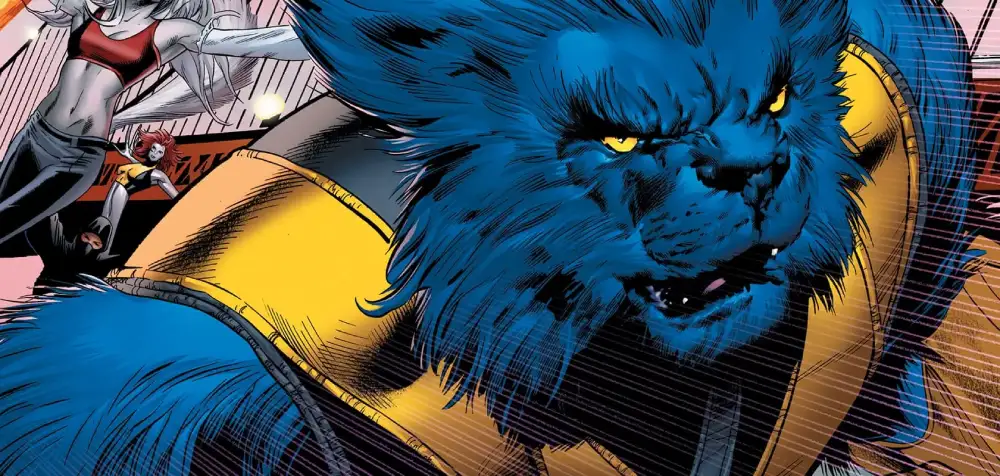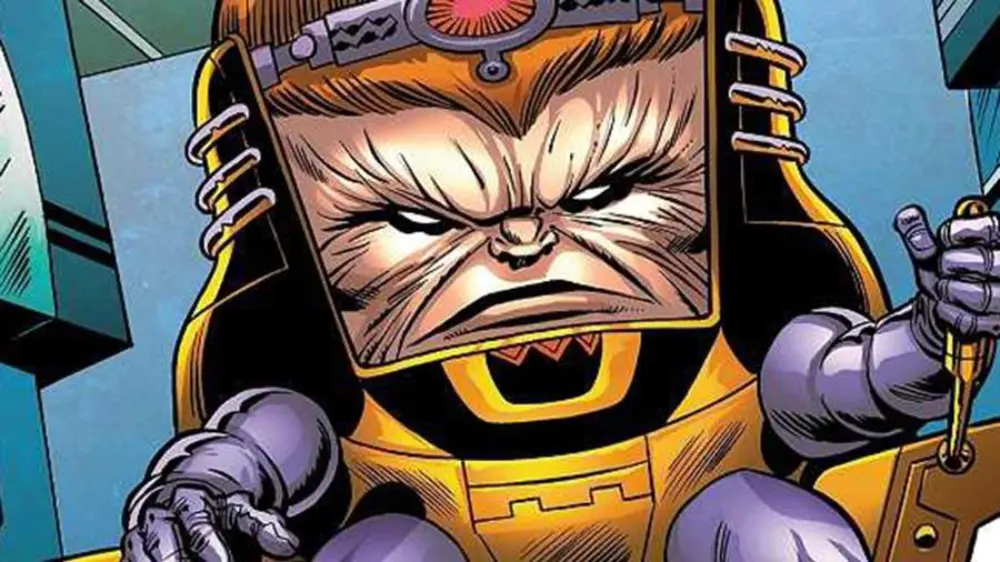

Learning how to play Marvel Rivals begins with understanding that it is an objective-focused team shooter rather than a game where eliminations alone decide every match. Each player selects a Marvel hero or villain with a unique role, ability kit, movement style, and Ultimate Ability, then works with five teammates to control objectives and win team fights.
Players researching how to play Marvel Rivals can start with a character that contributes even while they are still learning maps and aiming mechanics. The Jeff the Land Shark Marvel Rivals guide explains how a Strategist can support teammates through healing, mobility, and disruptive abilities. Jeff is not automatically the easiest choice for everyone, but his kit demonstrates how support actions can influence a fight beyond dealing direct damage.
Understanding how to play Marvel Rivals also requires flexibility. A player may begin a round as a Duelist, switch to a Vanguard when the team cannot hold space, or select a Strategist when teammates need more healing and defensive support.
Marvel Rivals is free-to-play, and its playable heroes are available without requiring individual character purchases. Optional spending focuses on cosmetics, Battle Passes, bundles, animations, and other account content rather than unlocking the basic hero roster.
Where can you play Marvel Rivals?
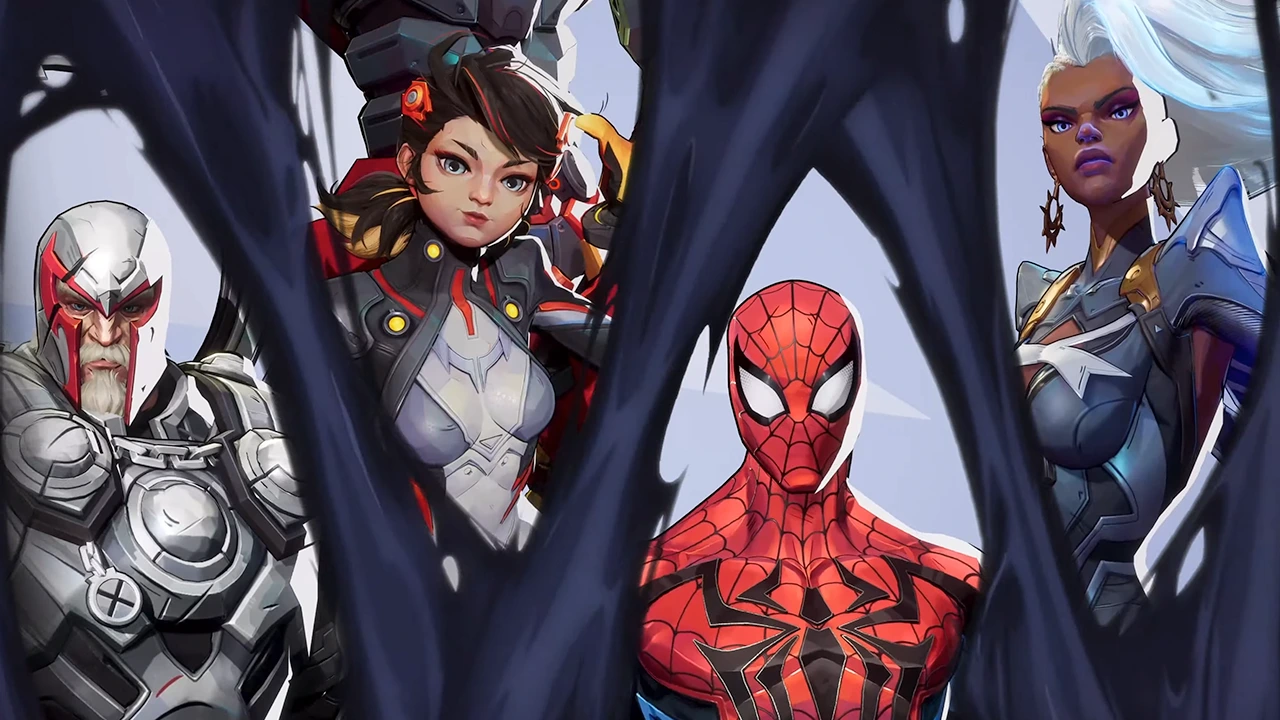
Marvel Rivals is available on Windows PC, PlayStation 5, PlayStation 5 Pro, PlayStation 4, PlayStation 4 Pro, and Xbox Series X|S. PC players can access it through Steam, Epic Games Store, or the official NetEase Loading Bay launcher.
Players asking where can I play Marvel Rivals should choose the device that offers the most stable performance and the controls they prefer. A supported platform does not guarantee identical resolution, frame rate, graphical settings, or access to every temporary mode.
How to play Marvel Rivals on PC
On Windows, download the game through Steam, Epic Games Store, or Loading Bay. Avoid unofficial installers, modified launchers, and websites that request account credentials before directing you to a recognized platform.
The official minimum PC requirements include:
| Component | Minimum requirement | Recommended requirement |
| Operating system | Windows 10 64-bit, version 1909 or newer | Windows 10 64-bit, version 1909 or newer |
| Processor | Intel Core i5-6600K or AMD Ryzen 5 1600X | Intel Core i5-10400 or AMD Ryzen 5 5600X |
| Memory | 16 GB RAM | 16 GB RAM |
| Graphics | GTX 1060, RX 580, or Intel Arc A380 | RTX 2060 Super, RX 5700 XT, or Intel Arc A750 |
| DirectX | Version 12 | Version 12 |
| Storage | 70 GB available | 70 GB available |
| Installation | SSD recommended | SSD recommended |
These specifications can change as updates add content and optimization work continues. Confirm the current requirements on the store page before installing, especially when the computer is close to the minimum.
Players who want to play Marvel Rivals at a high frame rate should prioritize a stable frame time rather than selecting the highest visual preset. Reduce shadows, effects, reflections, post-processing, and other demanding options before lowering resolution unnecessarily.
An SSD can improve loading and asset access, but it does not increase internet speed. Likewise, a faster internet plan cannot solve low FPS caused by the processor or graphics card.
How to play on PlayStation and Xbox
Console players can download Marvel Rivals through the PlayStation Store or Microsoft Store. The game supports PlayStation 5, PlayStation 5 Pro, PlayStation 4, PlayStation 4 Pro, and Xbox Series X|S.
PlayStation 4 support arrived after the original launch. The base PS4 targets a lower frame rate than current-generation hardware, while PS4 Pro offers a stronger performance profile. Certain demanding temporary modes may also be unavailable on PS4 when technical limitations prevent equivalent support.
PlayStation 5, PlayStation 5 Pro, and Xbox Series X can support high-frame-rate options when connected to compatible displays. Available modes depend on the console, display, HDMI configuration, and current game version.
There is no confirmed native version for Nintendo Switch, Xbox One, macOS, Android, or iOS. Cloud or remote-play services should not be treated as native releases unless officially supported.
Does Marvel Rivals have cross-play?
Marvel Rivals supports cross-platform play, allowing friends on supported devices to join compatible matches together. However, matchmaking rules may separate device groups in certain competitive environments to preserve input and performance balance.
Cross-play and cross-progression are different features. Cross-play allows people on different platforms to play together. Cross-progression allows linked platform accounts to use the same primary character, progression, collection, and eligible purchases.
After linking accounts, Competitive ranks and leaderboard positions remain separate for PC, PlayStation, and Xbox. A rank earned on PlayStation does not become the player’s PC rank.
Platform-exclusive cosmetics may also remain restricted to the platform where they are supported. Read every account-linking warning carefully before selecting a primary character or unlinking an account, since cooldown periods and platform limitations can apply.
How do you play Marvel Rivals?
Marvel Rivals uses teams of six players. The teams compete on objective maps where they capture areas, escort vehicles, stop an opposing push, or complete multiple stages before time expires.
The fundamental answer to how to play Marvel Rivals is to select a hero, understand that hero’s role, stay within useful distance of teammates, and prioritize the map objective. Mechanical skill helps, but positioning and team coordination often decide which side can use its abilities effectively.
Learn the three hero roles
Every hero belongs to one of three roles:
- Vanguard;
- Duelist;
- Strategist.
Vanguards create and protect space. They generally have larger health pools or defensive abilities, but their job is not simply to absorb unlimited damage. A Vanguard should help teammates enter useful positions, block important attacks, pressure objectives, and prevent enemy Duelists from reaching the backline.
Duelists focus on damage, pressure, and eliminations. Some operate from long range, while others flank, fly, dive isolated targets, or fight at close range. A Duelist must understand when to commit and when to retreat instead of chasing every low-health opponent.
Strategists provide healing, protection, utility, crowd control, damage amplification, or other team support. They are not passive spectators. Effective Strategists position safely, defend themselves, manage healing priorities, and contribute damage when teammates do not need immediate help.
A balanced team often includes representation from all three roles. A two-Vanguard, two-Duelist, two-Strategist structure is easy to understand, but it is not the only valid composition. Hero strengths, Team-Up Abilities, map design, and player familiarity can support other arrangements.
Players who enjoy mobile Duelists can use the Star-Lord Marvel Rivals guide to understand how flight, repositioning, target selection, and damage timing work together. Star-Lord can feel intuitive to players with shooter experience, but surviving with him still requires awareness of enemy cooldowns and escape routes.
Understand abilities, Ultimates, and Team-Ups
Each hero has a primary attack and a selection of abilities that define their playstyle. Some characters also have passive effects, alternative forms, charged attacks, flight controls, wall movement, transformation mechanics, or resource meters.
Ultimate Abilities charge through actions such as dealing damage, healing, or participating in combat. They can change a team fight, but using an Ultimate does not guarantee value.
Before activating one, check:
- Whether teammates can follow the play;
- Whether the enemy has a defensive answer;
- Whether the objective is active;
- Whether the target can escape;
- Whether another friendly Ultimate is already enough;
- Whether saving it would help the next fight.
Team-Up Abilities create interactions between selected heroes. Depending on the current system and seasonal balance, one hero may activate an additional effect, gain a new ability, or strengthen an existing part of the kit when paired with compatible characters.
Team-Ups change between seasons and patches. Do not assume that an old combination still works exactly as shown in an earlier guide.
Learn the main objective modes
The core competitive map structures include Domination, Convoy, and Convergence.
In Domination, both teams fight to control a central area. Winning requires maintaining objective presence, controlling entrances, and surviving repeated team fights.
In Convoy, one team escorts a moving objective while the other attempts to stop it. Attackers need to maintain pressure around the convoy, while defenders should use terrain and regroup rather than repeatedly entering alone.
Convergence combines capture and escort phases. The attacking team must secure an initial objective before advancing through additional sections, while defenders attempt to consume the available time.
The environment can also be destructible. Walls, cover, and elevated structures may change during a match, opening new lines of sight or removing safe positions.
The best Marvel Rivals tips account for those changes. A position that was safe at the beginning of a fight may become exposed after an ability or environmental event destroys nearby cover.
Which Marvel Rivals heroes are best for beginners?
The best beginner hero is not necessarily the character with the shortest ability description. A good starting choice should match the player’s preferred role while providing clear feedback when an ability succeeds or fails.
New players should test several heroes in the practice area before choosing a small starting pool. Learn at least one hero from each role so you can adjust when the team needs a different function.
Beginner-friendly Vanguards and Strategists
Vanguards with understandable defensive tools can teach positioning and objective control. Groot, for example, can create physical barriers that divide sightlines and protect an area. However, poorly placed walls can also block teammates, so every defensive tool requires awareness.
Hulk offers durability and mobility but includes transformation mechanics that require practice. Doctor Strange can protect allies and create unusual movement options, but portal placement and shield management add complexity.
For Strategists, Jeff the Land Shark provides healing, movement, and disruptive potential. Rocket Raccoon offers ranged healing and team utility, while Mantis can support allies through healing and damage-related effects.
Avoid choosing a Strategist only because nobody else selected one, then remaining far behind the team. Healing abilities have limited range, and isolated supports are easier for enemy flankers to eliminate.
A useful practice method is to play several Quick Matches while focusing on one skill:
- Maintain line of sight with teammates;
- Track which ally is under pressure;
- Save one defensive cooldown;
- Identify enemy flank routes;
- Avoid standing directly behind another teammate;
- Contribute damage between healing actions.
These Marvel Rivals tips build habits that transfer between several Strategists.
Beginner-friendly Duelists
Star-Lord can be a useful introduction for players familiar with tracking-based shooters. His mobility allows repositioning, but careless flight can expose him to several opponents at once.
The Punisher provides recognizable firearm mechanics and can help players focus on aiming, cover, and target priority. His kit still includes positioning requirements, and standing still in an exposed area will make him vulnerable.
Scarlet Witch has accessible targeting mechanics, but relying exclusively on ease of aim can slow the development of movement, range awareness, and ability timing. Use her to learn survival and positioning rather than treating automatic targeting as a complete strategy.
Duelists should avoid measuring success only through final eliminations. Damage that never creates an objective advantage may be less valuable than forcing a Strategist away, controlling high ground, or securing one important target before a team push.
Should you play one hero or several?
Begin with a small pool rather than attempting to master the entire roster. One hero from each role gives enough flexibility for most Quick Match situations.
Your pool could include:
| Role | Example learning goal |
| Vanguard | Protect space and identify safe engagement timing |
| Duelist | Improve target priority and damage positioning |
| Strategist | Manage healing, survival, and defensive cooldowns |
Specializing helps you learn ability interactions, but refusing to switch can make a difficult matchup worse. Swap when the current hero cannot reach key targets, survive the enemy composition, or contribute to the objective.
How do you improve at Marvel Rivals?
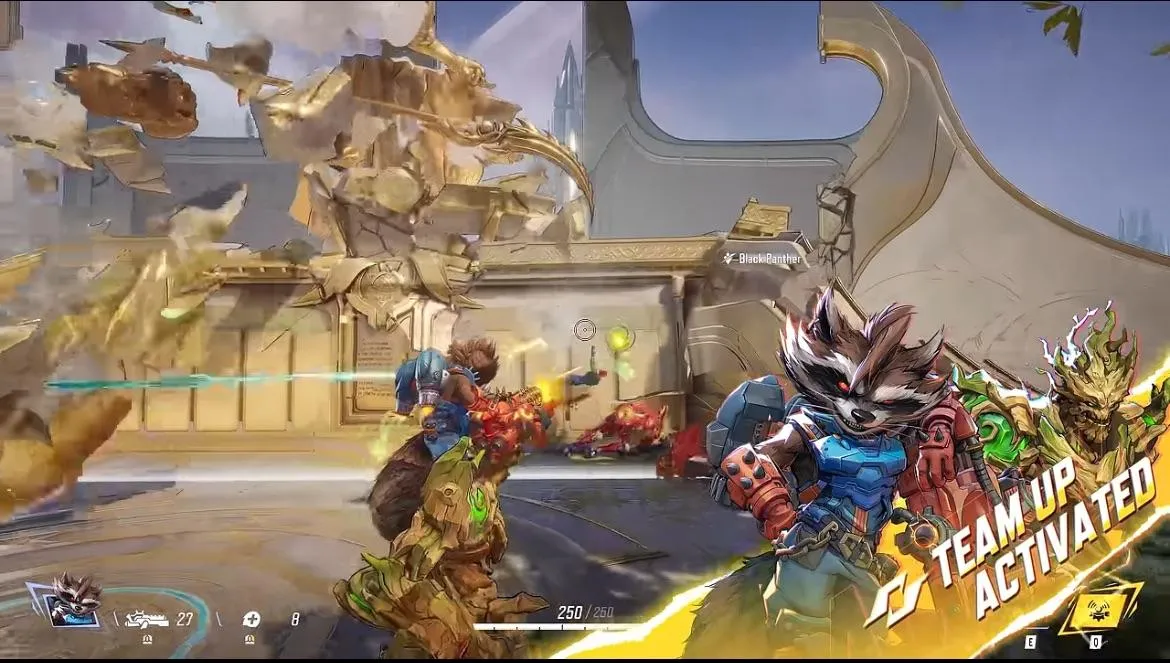
Improvement comes from reviewing repeatable decisions rather than blaming every defeat on the team. Aim matters, but many beginner deaths happen because of poor timing, weak positioning, or entering a fight after teammates have already been eliminated.
The most effective Marvel Rivals tips are often simple: group before attacking, use cover, track important Ultimates, and stop chasing enemies away from the objective.
Improve positioning and team-fight timing
Before entering a fight, identify:
- The current objective;
- Where both Strategists are positioned;
- Which routes enemies can use to flank;
- Which teammates have already been eliminated;
- Whether your Ultimate is available;
- Whether the enemy has a clear defensive counter;
- Where you can retreat.
High ground can provide sightlines and protection, but it is not automatically the best location. A close-range Vanguard may need to contest the objective, while a flying Duelist may use elevation to attack from an unexpected angle.
Do not enter six opponents alone because one target appears weak. A low-health enemy may be protected by healing, shields, crowd control, or teammates waiting to punish the chase.
After losing two or three teammates, retreat when possible. Continuing to fight usually delays your respawn and causes the team to return in separate waves.
Manage cooldowns and Ultimates
Using every ability immediately can leave the hero defenseless. Identify which cooldown allows you to survive, escape, cleanse an effect, create cover, or interrupt an enemy Ultimate.
For example, a mobility ability can be used to enter a fight or leave it. Spending it aggressively means accepting that the escape route is temporarily unavailable.
Ultimate management is similar. Avoid using several friendly Ultimates when one or two have already secured the fight. The remaining abilities may be needed for the next objective.
Listen for enemy voice lines and learn which Ultimates require:
- Breaking line of sight;
- Spreading out;
- Grouping behind protection;
- Interrupting the caster;
- Using a defensive Ultimate;
- Leaving the affected area.
How does Competitive mode work?
Competitive mode introduces ranks and a more structured environment. Players should learn several heroes and understand the objective modes before treating ranked matches as their main practice space.
A player who can use only one Duelist may struggle when that character is selected, countered, banned under applicable rules, or ineffective on the current map.
The Marvel Rivals ranks explained guide details the tier structure, progression, and competitive expectations. Rank systems can change between seasons, so compare any older explanation with the current in-game Competitive page before assuming that every division or reward remains identical.
Approach ranked play with specific goals:
- Die less during lost fights;
- Improve Ultimate timing;
- Communicate enemy positions;
- Maintain a flexible hero pool;
- Stop blaming teammates during the match;
- Review one mistake after each defeat;
- Take breaks after repeated frustration.
Your rank is a snapshot of results under a particular seasonal system. It is not a permanent measurement of personal value or potential.
Which Marvel Rivals resources are useful?
Official patch notes, the in-game hero pages, community databases, match statistics, videos, and lore resources can all be helpful. However, they answer different questions and should not be treated as equally authoritative.
A database may update statistics quickly, while the official game channels remain the strongest source for confirmed patches, maintenance, events, and new releases.
What is Marvel Rivals GG?
Marvel Rivals GG commonly refers to an independent community website containing hero information, builds, tier lists, pick rates, win rates, news, cosmetics, and Team-Up details.
Community statistics can help identify patterns, but they require context. A hero may have a high win rate because experienced specialists use the character, because the pick rate is low, or because the data represents a specific rank and platform.
Do not copy a tier list without checking:
- The season and patch;
- The rank range;
- PC or console data;
- Sample size;
- Pick rate;
- Team composition;
- Map pool;
- Whether the list is opinion-based or statistical.
Marvel Rivals GG is not operated by NetEase Games or Marvel. It can still be useful, but unofficial guides should not override current patch notes or in-game information.
What is Marvel Rivals TV Tropes useful for?
Marvel Rivals TV Tropes is better suited to narrative patterns, character portrayals, references, story themes, humor, and comparisons with Marvel comics or other adaptations.
It is not the best authority for current damage values, cooldowns, ranked rules, platform support, or balance changes. Community-edited pages may contain interpretation, spoilers, jokes, or information that has not been updated after a patch.
Use Marvel Rivals TV Tropes when exploring how the game presents a character or storyline. Use official patch information when making gameplay decisions.
The official Marvel Rivals news page publishes confirmed seasonal updates, balance changes, new heroes, maps, events, cosmetics, and maintenance information. Because Marvel Rivals changes frequently, checking the publication date and patch version is more reliable than relying on an undated social media image.
How should you use guides and tier lists?
Guides are most useful when they explain why a strategy works. A list that only tells you which hero is “S-tier” does not teach positioning, cooldown usage, or matchup adaptation.
When reading Marvel Rivals GG, watching videos, or consulting another community resource, compare the recommendation with your own matches.
Ask:
- Does this strategy match my rank?
- Is the guide for the current season?
- Does it assume coordinated teammates?
- Is the hero strong on every map or only selected maps?
- Has a recent balance patch changed the ability?
- Am I losing because of the hero or my decisions?
The strongest Marvel Rivals tips remain useful after small balance changes. Concepts such as grouping, cover usage, target priority, and Ultimate economy are more durable than exact damage numbers.
How can ExitLag help Marvel Rivals players?
ExitLag can help when inefficient or unstable network routing contributes to latency variation, packet loss, or connection interruptions. It does not increase FPS, improve aim, select a better hero, or guarantee a lower ping.
Marvel Rivals requires rapid communication between the player and the selected game server. A routing problem can become noticeable when abilities activate late, movement feels inconsistent, or latency changes sharply during a match.
How route optimization works
Game traffic travels through several network nodes before reaching the server. The route chosen by an internet provider is not always the shortest or most stable available path.
ExitLag analyzes supported routes and can direct traffic through optimized paths. Depending on the internet provider, location, destination server, and available infrastructure, it may improve connection stability.
Results depend on the network and route. Compare performance under similar conditions instead of testing one match on different servers and assuming the result applies universally.
Before using a route optimization service:
- Restart the router and gaming device.
- Stop downloads and cloud backups.
- Use Ethernet when practical.
- Select the nearest stable game server.
- Check whether other players report an outage.
- Compare ping and packet loss across several matches.
- Separate connection delay from low FPS.
- Update network and graphics drivers when relevant.
What ExitLag cannot fix
ExitLag cannot:
- Increase FPS limited by hardware;
- Repair corrupted game files;
- Prevent every server outage;
- Guarantee lower ping;
- Improve aim or decision-making;
- Unlock heroes, skins, or Battle Pass content;
- Change Competitive matchmaking;
- Carry rank between different device families;
- Correct an incorrect Marvel Rivals GG build;
- Update a Marvel Rivals TV Tropes page;
- Replace official support.
Low FPS and network lag can feel similar but require different solutions. Low FPS usually produces visual stuttering and slow rendering, while network instability can create delayed abilities, rubber-banding, or disconnections.
Frequently asked questions
Marvel Rivals continues to receive new heroes, maps, Team-Ups, modes, and balance changes. The answers below summarize the core information new players need before installing or entering Competitive matches.
Yes. Marvel Rivals is free-to-play, and its heroes are available without individual character purchases.
Optional purchases include cosmetics, Battle Pass content, bundles, animations, nameplates, and other account items. Cosmetics do not increase damage or provide stronger abilities.
The answer to where can I play Marvel Rivals currently includes Windows PC, PlayStation 5, PlayStation 5 Pro, PlayStation 4, PlayStation 4 Pro, and Xbox Series X|S.
PC players can use Steam, Epic Games Store, or Loading Bay. No confirmed native version is currently available for Nintendo Switch, Xbox One, macOS, Android, or iOS.
Cross-play allows supported platforms to share compatible matches and groups. Competitive matchmaking may use separate device pools or additional restrictions.
Account linking also supports cross-progression, but rank and leaderboard information remain separate by device family.
Yes. Players can link supported accounts and select a primary character to share eligible progression and collections.
Platform-exclusive items may remain restricted, and Competitive ranks do not transfer between PC, PlayStation, and Xbox. Account linking and unlinking can also trigger cooldowns.
Yes. Marvel Rivals launched on PlayStation 4 after its original PC and current-generation console release.
The PS4 version has different performance targets, and some demanding temporary content may not be supported because of hardware limitations.
There is no universally easiest role. Duelists may feel familiar to shooter players, Strategists provide visible team value through healing and utility, and Vanguards teach objective control and engagement timing.
Test one hero from every role before deciding where you are most comfortable.
The Punisher and Star-Lord can feel familiar to players with shooter experience. Jeff the Land Shark and Rocket Raccoon can introduce healing and support, while Groot can teach area control.
Choose a hero whose movement and effective range feel natural, then learn at least two alternatives.
No. Two Vanguards, two Duelists, and two Strategists form a balanced structure, but the game does not require every team to use it in ordinary matches.
Different maps, Team-Ups, hero balance, and player strengths can support other compositions.
Team-Up Abilities are special interactions created by compatible heroes. They may add an ability, modify an existing power, or create another synergy.
The system changes through seasonal updates. Always check the current hero and Team-Up pages rather than relying on an old combination.
No. Marvel Rivals GG is an independent community resource.
It can provide builds, statistics, tier lists, news, and database information, but official announcements and in-game data should take priority for confirmed changes.
Marvel Rivals TV Tropes is more useful for story analysis, character portrayals, references, and recurring narrative conventions.
It is not designed to be the primary source for current builds, damage values, or competitive balance.
The official Marvel page for Marvel Rivals provides an overview of the game, trailers, characters, and its place within Marvel Games. For detailed patch timing and live-service changes, compare that information with the official Marvel Rivals news hub and current in-game notices.
ExitLag does not improve mechanical skill, hero knowledge, or decision-making. It may help optimize supported network routes when routing contributes to connection instability.
Results depend on the network and route, so improvements should not be treated as guaranteed.
The best way to understand how to play Marvel Rivals is to begin with a small hero pool, prioritize objectives, learn when to regroup, and review why each team fight was won or lost. Apply practical Marvel Rivals tips, follow verified updates, and test ExitLag when route-related connection instability is affecting your matches and you want to evaluate whether an optimized path can help.
All game images used in this article belong to their respective owners. They are used for informational and educational purposes only and do not imply endorsement or affiliation with the rights holders.