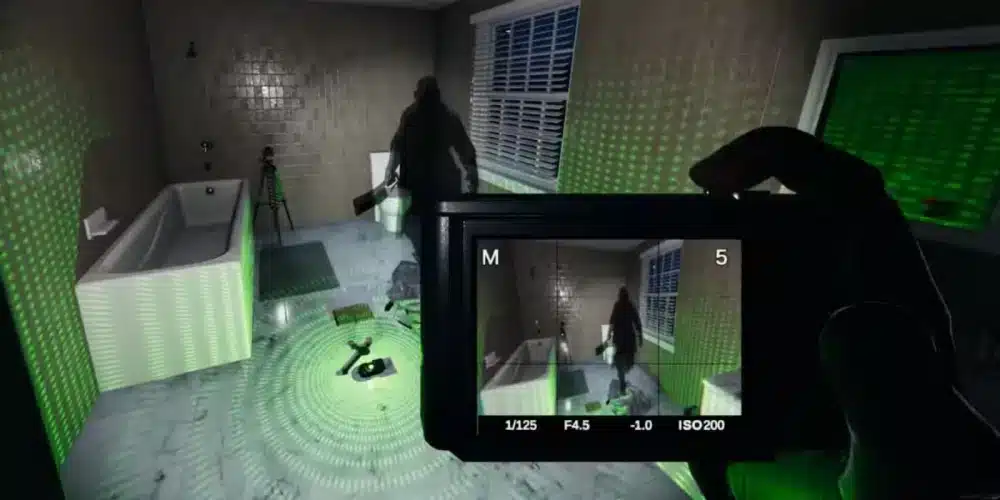
The jinn phasmophobia ghost is one of the most feared entities investigators can encounter. Known for its sudden speed bursts and deadly hunt potential, the Jinn punishes teams that are unprepared, disorganized, or suffering from unstable connections. One wrong assumption during a hunt can end the contract instantly.
In Phasmophobia, understanding ghost behavior is everything. The Jinn stands out because it appears manageable at first, only to become overwhelming once hunts begin. Many players misidentify it as other fast ghosts, leading to fatal mistakes. Learning how the Jinn works early dramatically increases your survival rate.
So what is the Jinn, who does it target, and when does it become most dangerous? The Jinn becomes lethal during hunts when the breaker is on, accelerating rapidly when it has line of sight on players. This single mechanic defines the entire investigation strategy and separates successful teams from wiped squads.
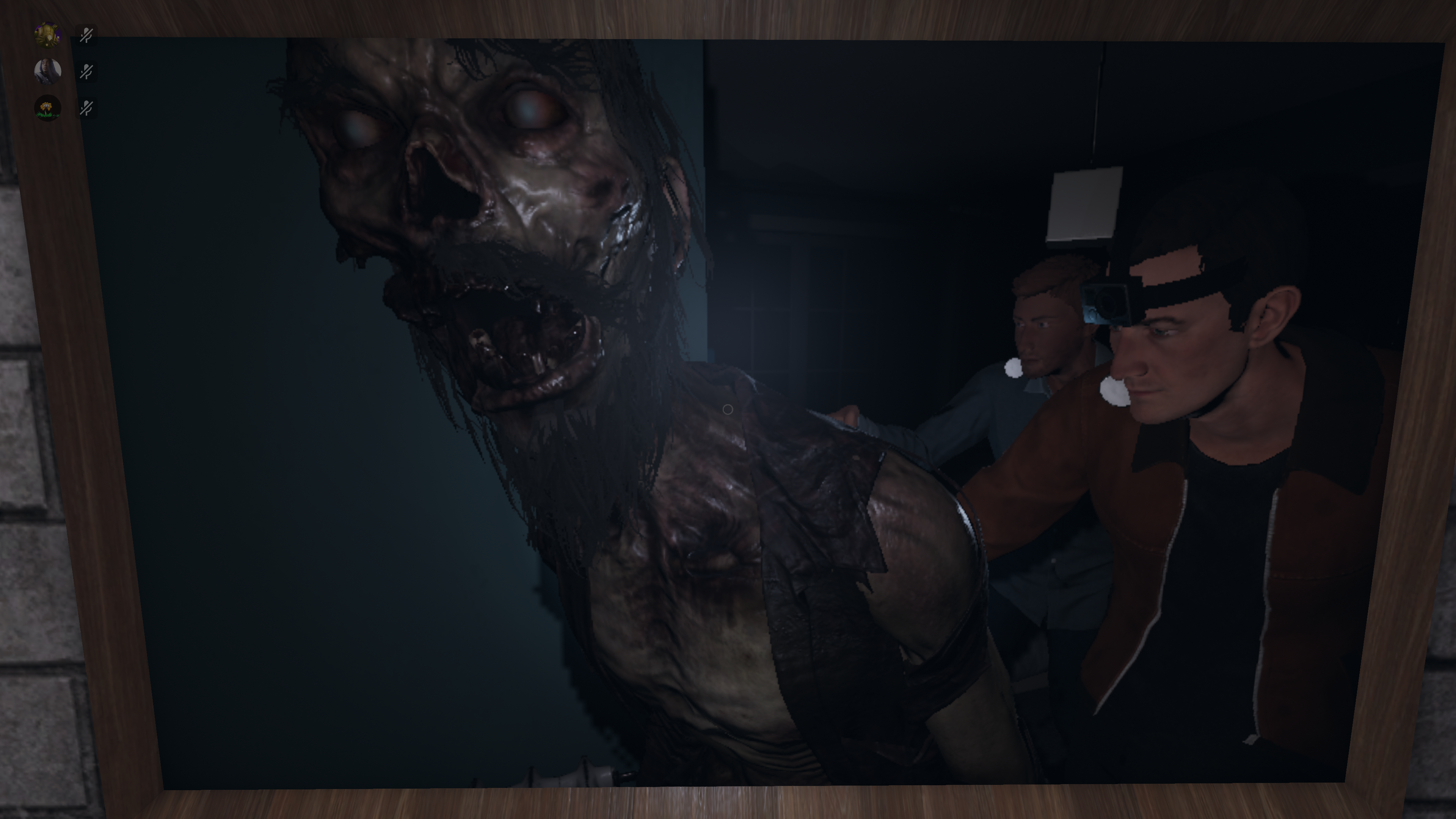
Jinn Phasmophobia: Core Behavior Explained
Understanding the fundamentals of the Jinn is the foundation of correct identification. Unlike passive ghosts, the Jinn relies heavily on environmental conditions and player positioning.
What Type of Ghost Is the Jinn?
The Jinn is an aggressive hunt-oriented ghost that excels at closing distance quickly. Its defining traits include:
- Normal movement speed when far from players
- Extreme speed when it sees a player at medium to long range
- Dependence on electrical power to use its strength
Because of this, the jinn phasmophobia experience often feels deceptive. Early hunts may seem slow, leading teams to mislabel it as a non-threatening ghost.
Where Jinn Spawns and How It Roams
Jinns behave normally outside of hunts. They roam like standard ghosts and do not teleport or blink abnormally. This makes room identification reliable, but also lulls players into a false sense of security.
During hunts, however, its roaming becomes lethal. Long hallways, staircases, and open rooms are where the Jinn truly shines, accelerating rapidly as soon as it spots a target.
Jinn Ability Phasmophobia: What Makes It So Dangerous
The defining threat of the Jinn is its ability. Misunderstanding this mechanic is the most common cause of misidentification and team wipes.
What Is the Jinn’s Ability in Phasmophobia?
The jinn ability phasmophobia players fear most is its speed boost. When the breaker is ON and the Jinn has line of sight on a player, it accelerates dramatically until it gets close.
Key conditions for the ability:
- The fuse box must be powered
- The Jinn must see a player
- The speed boost occurs at a distance, not up close
Once close, the Jinn slows back down, which often confuses players during testing.
How the Jinn Uses Power Against Players
The Jinn is unique because electricity empowers it. Turning on lights, powering the building, and keeping the breaker active directly increases its lethality.
This makes the jinn phasmophobia gameplay loop very strategic. Teams must decide between sanity management through lights and disabling the ghost’s strongest ability.
How to Identify Jinn Phasmophobia During Hunts
Correct identification happens almost exclusively during hunts. Evidence alone rarely confirms a Jinn.
Speed Tests That Confirm a Jinn
The most reliable test is the distance speed test:
- Stand at the far end of a hallway
- Allow the ghost to spot you
- Observe sudden acceleration toward you
If the ghost rapidly closes distance but slows when nearby, you are likely facing a Jinn.
Electrical Clues and Breaker Checks
Another key test involves the breaker:
- Turn the breaker OFF before a hunt
- Trigger a hunt intentionally
- Observe if the ghost remains slow at all distances
If the speed boost disappears entirely, this strongly confirms how to identify jinn phasmophobia correctly.
Jinn Test Phasmophobia: Safe Testing Methods
Testing a Jinn incorrectly often leads to instant deaths. Controlled conditions are essential.
Safe Jinn Test Setup
Before attempting a jinn test phasmophobia, ensure:
- Sanity above 60% for controlled hunts
- Smudge sticks ready
- Clear escape routes mapped
Multiplayer teams should assign one bait and one observer to reduce risk.
Common Jinn Test Mistakes
Avoid these fatal errors:
- Confusing Raiju speed with Jinn acceleration
- Testing in small rooms
- Leaving breaker on unintentionally
Misreading these details leads to wrong conclusions and failed objectives.
Jinn vs Similar Fast Ghosts
Many players confuse the Jinn with other high-speed entities.
Jinn vs Raiju
Raiju speed increases near electronics, while Jinn speed depends on distance and breaker power. Turning off equipment helps separate the two.
Jinn vs Revenant
Revenants slow down dramatically when not chasing, unlike Jinns, which remain consistent outside hunts.
Best Strategy to Survive a Jinn Hunt
Survival depends on preparation, not reaction.
What to Do Before the Hunt
- Turn off the breaker when testing
- Plan long escape routes
- Identify looping locations
What to Do During the Hunt
- Break line of sight quickly
- Avoid long hallways
- Smudge only when the ghost accelerates
Multiplayer Tips Against the Jinn
Team coordination matters more than evidence collection.
Team Roles During Jinn Investigations
Assign clear roles:
- One bait
- One breaker controller
- One evidence tracker
Voice Communication and Callouts
Clear callouts like “speed boost active” or “breaker off” save lives during hunts.
How ExitLag Improves Phasmophobia Hunts Against Fast Ghosts
Against fast ghosts like the Jinn, lag equals death. Missed inputs, delayed sprint activation, or rubber-banding during a hunt can instantly end a run.
ExitLag stabilizes your connection by optimizing routing in real time, reducing packet loss and ping spikes. In Phasmophobia, where milliseconds decide whether you break line of sight or get caught, ExitLag provides a measurable survival advantage.
For PC players facing aggressive ghosts like the Jinn, a stable connection is just as important as correct identification.
Advanced Jinn Phasmophobia Identification Techniques
Advanced identification of the jinn phasmophobia ghost goes far beyond collecting evidence. At higher difficulties, behavior analysis becomes the only reliable way to survive and correctly identify this entity.
Line-of-Sight Speed Scaling Explained
The Jinn’s speed boost is tied directly to line of sight and distance. When the ghost sees a player at medium or long range, it accelerates rapidly until it gets close. This acceleration is smooth, not instant, which is why players often underestimate it.
Long hallways, staircases, and open rooms exaggerate this effect. In contrast, small rooms can completely hide the Jinn’s defining trait, leading to misidentification.
Why Jinn Speed Feels Inconsistent to Players
Many players report “inconsistent” Jinn speed. This is not randomness. The speed boost only applies while distance exists. Once the Jinn closes in, it slows to normal hunt speed. If you only observe the final seconds of a chase, you miss the key identifier.
Phasmophobia Jinn: Evidence vs Behavior
Evidence collection alone is unreliable when dealing with a Jinn. This ghost shares evidence pools with multiple entities, making behavior testing essential.
Evidence Combinations That Mislead Players
Common evidence combinations often lead to confusion:
- EMF Level 5 shared with other aggressive ghosts
- Freezing Temperatures overlapping with multiple types
- Ghost Writing creating false confidence
Relying solely on evidence causes teams to mislabel the ghost and fail optional objectives.
When to Ignore Evidence and Force a Hunt Test
If speed-related ghosts remain possible after evidence, forcing a controlled hunt is safer than guessing. Correct behavior confirmation outweighs the risk of an extra hunt when executed properly.
Jinn Test Phasmophobia: Advanced Controlled Hunt Scenarios
Executing a jinn test phasmophobia correctly requires planning, map awareness, and discipline.
Solo Testing vs Multiplayer Testing
Solo testing offers clarity but higher risk. Multiplayer testing allows role separation:
- One bait triggers the chase
- One observer watches speed behavior
- One support controls breaker state
This reduces fatal mistakes and improves accuracy.
Ideal Maps for Jinn Testing
Large maps favor Jinn identification. Recommended environments include:
- Long residential hallways
- School staircases
- Prison cell blocks
Avoid cramped maps when testing speed-based ghosts.
Jinn vs Other Fast Ghosts (Comparison)
| Ghost | Speed Trigger | Breaker Dependency | Line of Sight Required | Common Confusion |
| Jinn | Distance + LOS | Yes | Yes | Raiju |
| Raiju | Nearby electronics | No | No | Jinn |
| Revenant | Active chase | No | Partial | Thaye |
| Thaye | Age-based scaling | No | No | Jinn |
This table highlights why the phasmophobia jinn is uniquely dependent on electrical power and distance.
What Is the Jinn’s Ability in Phasmophobia? Deep Breakdown
Understanding exactly what is the jinn’s ability in phasmophobia prevents fatal testing errors.
Electrical System Interaction Explained
The Jinn’s power only functions when the breaker is ON. Turning off lights alone does nothing. Cutting power entirely removes its speed advantage, making it behave like a standard ghost during hunts.
This mechanic allows safe confirmation when combined with distance testing.
Sanity Drain Myths vs Reality
Despite community rumors, the Jinn does not possess a unique passive sanity drain. Any perceived drain usually comes from prolonged light usage, ghost events, or stress from repeated hunts.
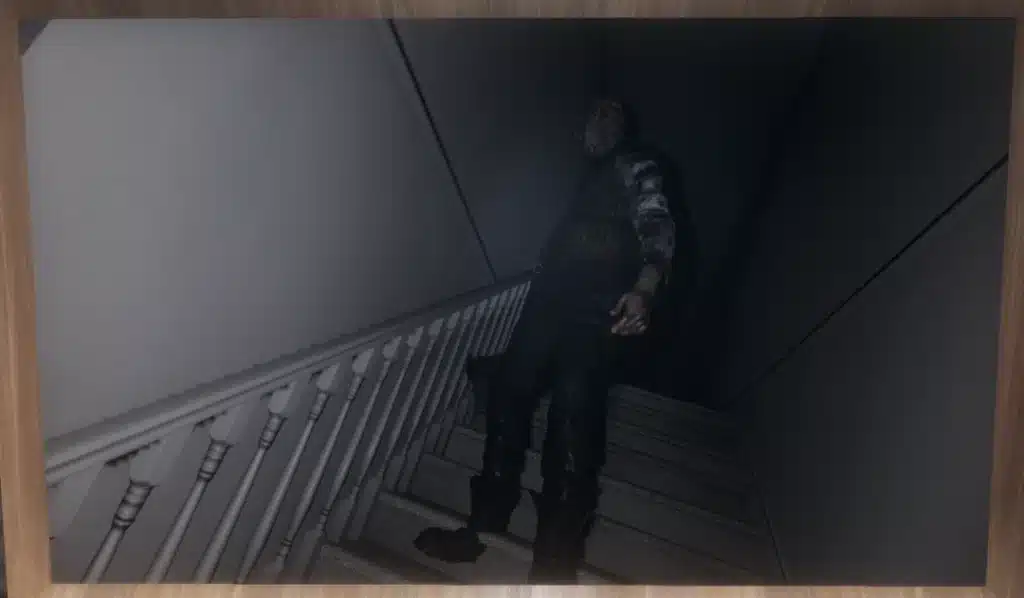
How to Identify Jinn Phasmophobia Without Dying
Safe identification requires restraint and positioning.
Safe Baiting Techniques
Effective baiting involves:
- Standing at maximum hallway distance
- Keeping an escape route open
- Breaking line of sight immediately after acceleration
Never attempt baiting in dead ends.
Smudge Timing Against the Jinn
Smudge sticks should be used only after the speed boost begins. Smudging too early wastes the window and often results in death.
Multiplayer Strategy Against Phasmophobia Jinn
Team play dramatically increases survival odds.
Role Assignment in High-Difficulty Contracts
Efficient squads assign:
- A dedicated bait
- A breaker controller
- An evidence coordinator
Clear responsibilities prevent chaos during hunts.
Communication Protocols During Hunts
Short, precise callouts save lives:
- “Breaker off”
- “Speed boost active”
- “LOS broken”
Avoid long explanations mid-hunt.
How ExitLag Helps Against Fast Ghosts Like the Jinn Phasmophobia
Fast ghosts expose network instability instantly. Against the jinn phasmophobia ghost, even a minor delay in sprint activation or door interaction can be fatal.
ExitLag optimizes routing in real time, reducing ping spikes and packet loss that cause rubberbanding during hunts. This stability allows precise movement, faster reaction times, and consistent sprint behavior when testing or escaping the Jinn.
For Phasmophobia players facing speed-based ghosts, ExitLag provides a competitive survival advantage by ensuring your inputs register exactly when you need them most.
All game images used in this blog belong to Kinetic Games. They are used for informational/educational purposes only and do not imply endorsement or affiliation with the rights holders.
Got questions or want to connect with other players? Join the conversation at the ExitLag Forum!