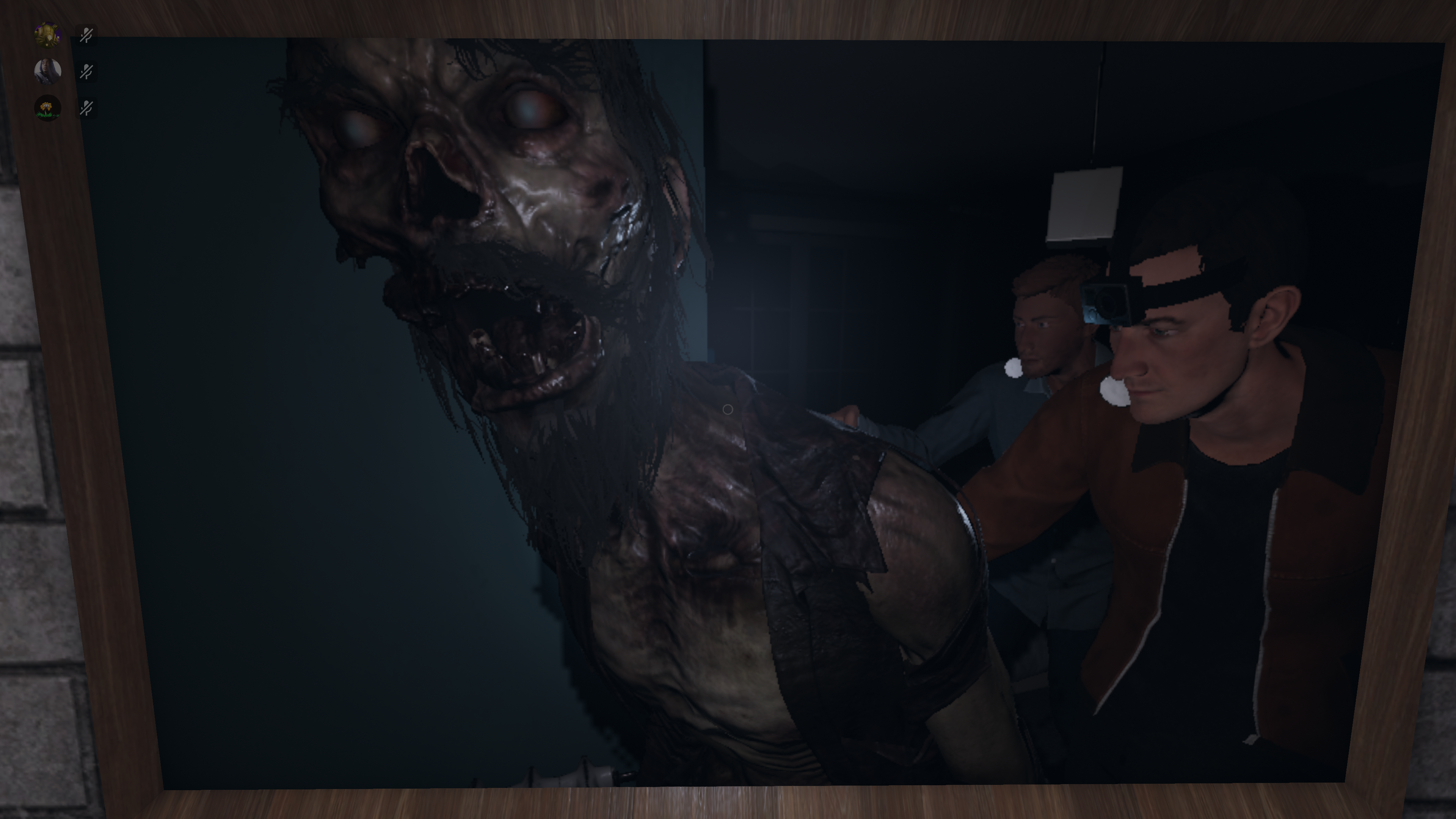
Myling Phasmophobia is one of the most deceptive ghosts in the game, known for confusing even experienced investigators. Its unique sound mechanics make it harder to detect, especially during hunts.
In fact, Myling Phasmophobia stands out because it manipulates audio cues—one of the most important tools players rely on. This makes identifying it much more challenging compared to other ghost types.
So, what is Myling Phasmophobia and why is it so difficult to confirm? A Myling is a ghost type that produces quieter footsteps during hunts but generates more paranormal sounds through equipment, forcing players to rely on smart testing rather than instinct.
Myling Phasmophobia: What Is This Ghost?
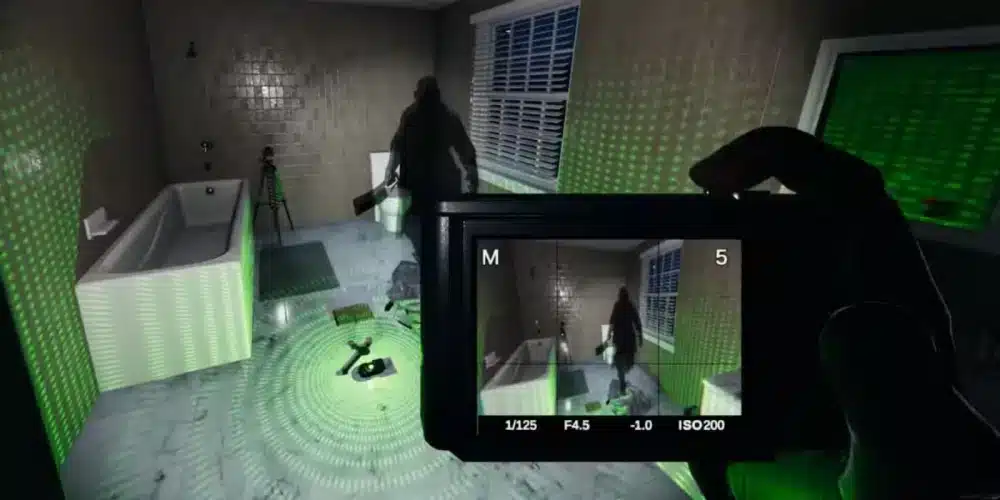
Myling Behavior Explained
The phasmophobia myling is designed to trick players who depend heavily on sound.
Its main traits include:
- Quieter footsteps during hunts
- Increased paranormal sounds via electronics
- Higher reliance on audio deception
This means you may not hear it approaching until it’s dangerously close.
Evidence for Myling
To confirm a Myling, you must collect the correct evidence:
- EMF Level 5
- Fingerprints
- Ghost Writing
If these three are present, you’re likely dealing with myling phasmophobia.
Myling Test Phasmophobia: How to Confirm It
Footstep Sound Test
The most reliable myling test phasmophobia involves listening carefully during a hunt.
Key observations:
- Footsteps are quieter than normal ghosts
- You hear electronics interference before footsteps
- Sound appears inconsistent
This difference is subtle but critical.
Electronics Sound Trick
Another phasmophobia myling test involves using equipment:
- Spirit Box
- Parabolic Microphone
- EMF Reader
Mylings tend to interact more audibly with tools than with their physical movement.
Phasmophobia Myling Test: Step-by-Step Guide
Step 1 – Prepare Your Equipment
Bring the right tools for a proper myling test phasmophobia:
- Parabolic microphone
- Sound sensors
- EMF reader
- Writing book
These will help you detect indirect activity.
Step 2 – Trigger a Hunt
To perform a proper phasmophobia myling test:
- Lower your sanity
- Stay in the ghost room
- Use cursed objects if needed
- Prepare an escape route
Always prioritize survival.
Step 3 – Analyze Audio Behavior
During the hunt:
- Listen for delayed footsteps
- Compare equipment noise vs movement
- Note how close the ghost is before you hear it
If footsteps feel unusually quiet, it strongly suggests phasmophobia myling.
Phasmophobia Myling Strengths and Weaknesses
Strengths
The myling phasmophobia ghost excels at:
- Ambushing players silently
- Confusing audio-based detection
- Creating tension during hunts
This makes it dangerous for unprepared teams.
Weaknesses
Despite its strengths, it has clear weaknesses:
- More active through electronics
- Easier to confirm with proper testing
- Predictable evidence combination
Smart players can exploit these traits.
Best Strategies Against Myling
Survival Tips
To survive myling phasmophobia, follow these tips:
- Always carry a smudge stick
- Hide early—don’t wait for footsteps
- Use sound sensors to track movement
- Stay calm during hunts
Preparation is key.
Team Coordination Tips
Working as a team improves your success rate:
- Assign one player to audio monitoring
- Have another collect evidence
- Communicate constantly
- Share observations quickly
This makes identifying phasmophobia myling much easier.
How ExitLag Improves Your Phasmophobia Experience
In a game where sound timing is everything, connection stability matters more than you might expect.
ExitLag improves your gameplay by:
- Reducing latency during hunts
- Keeping audio cues synchronized
- Preventing lag spikes at critical moments
When dealing with ghosts like myling phasmophobia, even a small delay can cost your life. ExitLag ensures your reactions match what you hear, giving you a real advantage.
Common Mistakes When Identifying Myling
Misinterpreting Silence
Many players assume silence means safety.
However:
- Myling footsteps are naturally quieter
- It may already be close when you hear it
- Delayed reactions can be fatal
Ignoring Equipment Clues
Another mistake is ignoring tool-based audio:
- EMF spikes
- Spirit Box responses
- Paranormal sound activity
These are key for confirming a myling test phasmophobia.
Advanced Tips for Myling Identification
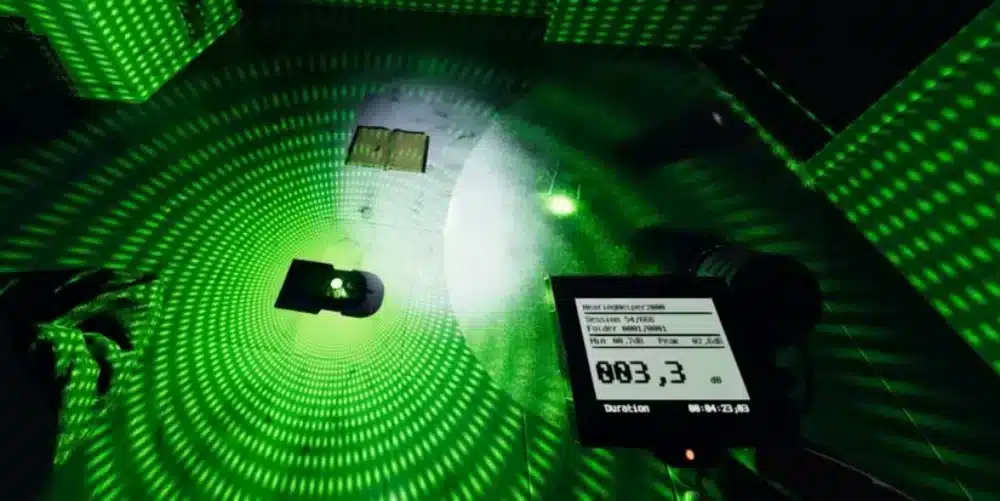
Use Sound Sensors Strategically
Place sensors in:
- Hallways
- Near ghost rooms
- Escape routes
This helps track movement indirectly.
Combine Evidence and Behavior
Never rely on one method alone:
- Confirm evidence first
- Then test behavior
- Cross-check results
This ensures accurate identification.
Myling vs Other Ghosts Comparison
| Ghost Type | Footstep Volume | Equipment Noise | Difficulty |
| Myling | Quiet | High | High |
| Revenant | Loud/Fast | Normal | Medium |
| Phantom | Normal | Low | Medium |
| Banshee | Normal | Normal | Medium |
This table highlights why myling phasmophobia is harder to detect.
Why Myling Is One of the Hardest Ghosts
Players struggle with phasmophobia myling because:
- It breaks expected sound patterns
- It punishes slow reactions
- It requires advanced testing knowledge
Mastering it separates beginners from experienced hunters.
FAQ
Myling Phasmophobia is a ghost type known for its unique audio behavior. It produces quieter footsteps during hunts but generates more paranormal sounds through equipment, making it harder to detect using normal listening cues.
To identify phasmophobia myling, you need to:
Collect evidence: EMF Level 5, Fingerprints, and Ghost Writing
Perform audio-based tests during hunts
Compare footstep volume with other ghosts
Combining evidence and behavior is the most reliable method.
The myling test phasmophobia focuses on sound differences:
Mylings have quieter footsteps
You often hear electronics interference before footsteps
The ghost may feel closer than it sounds
This test is best done during hunts.
A proper phasmophobia myling test involves:
Lowering your sanity to trigger a hunt
Hiding safely while listening carefully
Comparing footstep volume vs equipment noise
Confirming with evidence
This method helps avoid misidentification.
Yes, myling phasmophobia can be dangerous because:
It is harder to hear approaching
It can surprise players easily
It punishes slow reactions
However, with the right strategy, it becomes manageable.
The required evidence for phasmophobia myling is:
EMF Level 5
Fingerprints
Ghost Writing
If all three are present, you are likely dealing with a Myling.
Mylings are designed to confuse players by reducing footstep sound range. This forces players to rely more on tools and awareness instead of just listening.
The most common mistake in a myling test phasmophobia is:
Assuming silence means safety
Ignoring equipment sounds
Not comparing behavior during hunts
These mistakes often lead to incorrect ghost identification.
To survive myling phasmophobia hunts:
Hide earlier than usual
Don’t wait to hear footsteps
Use smudge sticks for safety
Stay aware of your surroundings
Preparation is essential.
Yes, phasmophobia myling is considered harder because:
It disrupts normal audio expectations
Requires more advanced testing
Relies on subtle behavioral clues
It’s a ghost that challenges even experienced players.
Final Thoughts on Myling Phasmophobia
Myling Phasmophobia is a ghost that challenges your perception and forces you to think differently. Instead of relying on obvious clues, you must analyze subtle audio behavior and combine it with solid evidence.
In the end, Myling Phasmophobia rewards players who stay observant, communicate well, and use the right tools at the right time.
Got questions or want to connect with other players? Join the conversation at the ExitLag Forum!