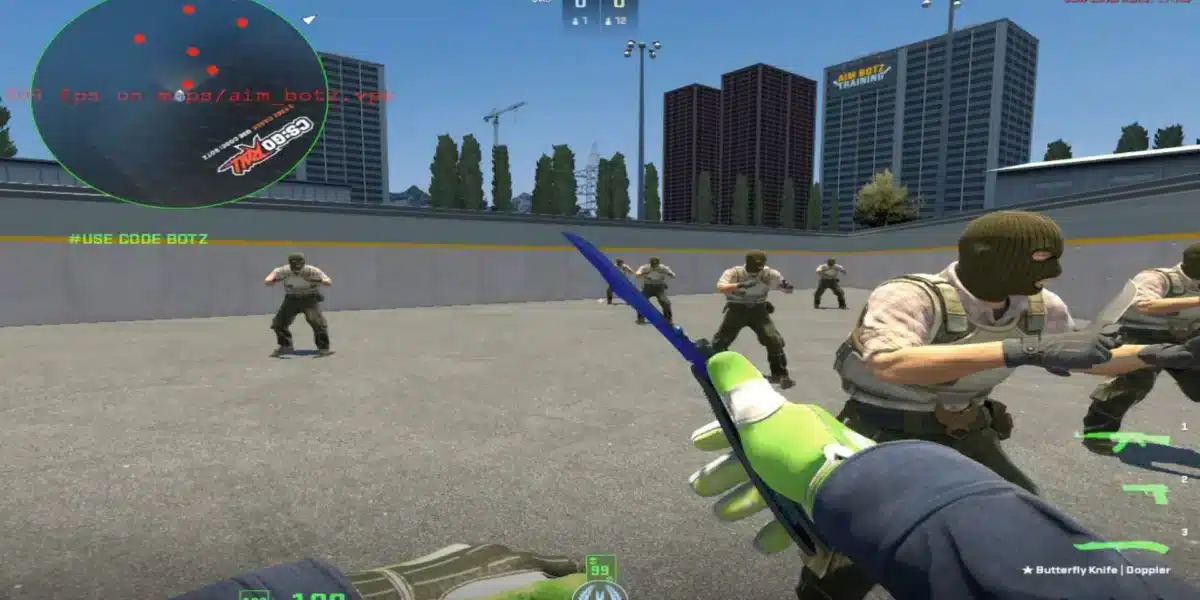
Lagging in games is one of the most frustrating problems any gamer can face, whether you play competitive shooters, MMORPGs, battle royales, or cozy simulation titles. When your character freezes mid-fight or your commands register seconds too late, the entire experience becomes stressful instead of fun.
If you are constantly dealing with lagging in games, you are not alone. Lagging can severely impact your reaction time, performance, and overall immersion, especially in online matches where every millisecond matters. In this complete guide, you will learn what causes lagging, the different types of lag, how to reduce ping, how to prevent FPS drops, and how to eliminate connection issues that disrupt your gaming sessions.
What is lagging?
Lagging in games refers to the noticeable delay between a player’s action and the game’s response, usually caused by network instability, hardware limitations, FPS drops, or connection issues that interfere with real-time data transmission between your device and the game server.
Experiencing lagging does not always mean your internet is “bad.” In fact, multiple factors can combine to create the problem. Sometimes it is a simple case of temporary server overload. In other cases, it may involve deeper hardware bottlenecks or background software conflicts.
The key to solving lagging effectively is understanding its root cause. Once you identify whether the issue is related to game lag fix strategies, hardware upgrades, or advanced network optimization, you can apply the right solution instead of guessing.
What Causes Lagging in Games
Lagging rarely happens without a reason. Most of the time, it is the result of network instability, hardware strain, or software inefficiencies working against your system.
Network Instability and High Latency
One of the most common causes of lagging is unstable internet connectivity. Online games depend on constant communication between your device and remote servers. If that communication slows down, delays appear.
High latency, often measured as ping, directly affects how fast data travels. When you fail to reduce ping effectively, you will notice delayed hit registration, rubberbanding, or character teleportation.
Common network-related causes include:
- Wi-Fi interference or weak signal
- ISP routing inefficiencies
- Server congestion
- Background downloads consuming bandwidth
- Regional distance from game servers
These connection issues are particularly harmful in competitive titles where split-second reactions define victory.
Hardware Limitations and FPS Drops
Lagging is not always about the internet. Sometimes, the issue is internal.
If your CPU or GPU cannot keep up with the game’s graphical demands, FPS drops become frequent. When frame rates fluctuate dramatically, gameplay feels choppy and inconsistent.
Hardware-related causes include:
- Outdated graphics card
- Insufficient RAM
- Overheating components
- Storage bottlenecks
- Background applications consuming resources
Even if your internet is stable, severe FPS drops can feel identical to network lagging because the gameplay flow is interrupted.
Software Conflicts and Poor Optimization
Another major cause of lagging is software inefficiency.
Games that lack proper optimization may struggle on mid-range systems. Additionally, outdated drivers, operating system conflicts, or corrupted files can create performance instability.
Sometimes the solution is as simple as updating your GPU drivers. Other times, a deeper game lag fix strategy is required, such as adjusting rendering settings or disabling unnecessary overlays.
Different Types of Lagging
Not all lagging behaves the same way. Identifying the specific type helps you apply the right fix faster.
Network Lag
Network lag appears when there is a delay in communication between your device and the server.
Symptoms include:
- Delayed ability activation
- Players teleporting
- Rubberbanding movement
- High ping spikes
- Random disconnections
This type of lagging requires network optimization strategies and tools designed to reduce ping and stabilize routing.
Hardware Lag
Hardware lag is directly connected to performance limitations inside your device.
You may notice:
- Stuttering animations
- Sudden FPS drops
- Screen freezing during intense scenes
- Audio desynchronization
This form of lagging often demands hardware upgrades or graphic setting adjustments.
Software Lag
Software lag happens when the game itself struggles due to coding inefficiencies or conflicts.
Examples include:
- Crashes during loading screens
- Memory leaks
- Background app interference
- Broken patches
Here, a structured game lag fix approach involving updates and configuration adjustments becomes necessary.
Understanding which type of lagging you are experiencing makes troubleshooting more precise and less frustrating.
How to Identify the Source of Lagging
Before applying random fixes, you should analyze your system carefully. Diagnosing lagging correctly saves time and prevents unnecessary upgrades.
Step 1: Check Your Ping and Stability
Run a speed test and monitor latency during gameplay. If your ping fluctuates heavily, connection issues are likely the main problem.
If possible, switch from Wi-Fi to a wired Ethernet connection. This simple step can significantly reduce ping and stabilize your session.
Step 2: Monitor System Performance
Use built-in tools like Task Manager to monitor CPU, GPU, and RAM usage.
If resource usage is consistently near 100%, FPS drops are probably tied to hardware strain.
Step 3: Adjust Graphics Settings
Lowering shadows, textures, and post-processing can immediately reduce hardware load.
Balancing visuals and performance is essential for preventing lagging in demanding titles.
Step 4: Update Drivers and Game Files
Always keep your GPU drivers and operating system updated. Many connection issues and performance bugs are resolved through patches.
If necessary, verify game file integrity through your platform launcher.
Practical Solutions to Fix Lagging

Now that you understand the causes, let’s focus on solutions.
Improve Your Network Environment
Start with basic network optimization steps:
- Restart your modem and router
- Position your router in a central location
- Close background streaming apps
- Limit connected devices during gaming
These steps can reduce ping and minimize connection issues immediately.
For deeper improvements, consider specialized routing tools that optimize your data path to game servers.
Optimize Your PC for Performance
Performance tuning is crucial when fighting lagging.
- Enable game mode in your operating system.
- Disable startup applications.
- Clean temporary files.
- Ensure proper cooling and airflow.
- Upgrade RAM if below recommended requirements.
These actions reduce FPS drops and stabilize frame pacing.
Adjust In-Game Settings
Reducing resolution scale and disabling unnecessary graphical effects can significantly improve performance consistency.
Many players ignore these settings, yet they are among the most effective game lag fix methods available.
Preventing Lagging Before It Happens
Prevention is more efficient than constant troubleshooting.
Maintain Regular System Updates
Keep your system clean and optimized. Remove unused software and update drivers regularly.
Consistent maintenance reduces long-term lagging risks.
Invest in Stable Connectivity
If your ISP routing is inefficient, even high-speed plans may struggle. Advanced network optimization tools help reroute your connection more efficiently.
Monitor Temperatures
Overheating leads to throttling, which causes FPS drops and performance instability. Clean dust from fans and consider upgrading cooling systems.
Essential Tools for Smooth Gameplay
Maintaining smooth gameplay requires the right tools.
Performance Monitoring Software
Applications like MSI Afterburner allow you to track frame rates and hardware usage in real time.
Monitoring helps identify whether lagging is caused by GPU overload or CPU spikes.
Network Optimization Software
Network-focused tools analyze your routing path and automatically choose more stable alternatives.
This directly helps reduce ping and stabilize online sessions.
Below is a quick comparison of common lag sources and solutions:
| Lag Type | Main Cause | Primary Fix Strategy |
| Network Lag | High latency, routing | Network optimization, reduce ping |
| Hardware Lag | Low FPS, overheating | Upgrade hardware, reduce settings |
| Software Lag | Bugs, outdated drivers | Updates, file verification |
Understanding this breakdown makes it easier to apply the correct game lag fix strategy.
How ExitLag Helps Reduce Lagging
When traditional solutions are not enough, specialized software can transform your experience.
ExitLag is designed to combat lagging by focusing on intelligent routing and real-time connection analysis.
Optimized Routing
ExitLag uses advanced algorithms to identify the best available path between your device and the game server.
By doing so, it helps reduce ping and minimize packet loss.
Real-Time Network Optimization
Unlike manual fixes, ExitLag continuously monitors your connection. If instability appears, the system adjusts automatically to maintain stable gameplay.
Traffic Shaping and Multi-Connection Support
The software prioritizes gaming traffic and can switch between connections if instability is detected.
This reduces connection issues dramatically during peak hours.
FPS Boost Capabilities
In addition to network improvements, system-level optimizations help minimize FPS drops by prioritizing game processes.
By integrating ExitLag into your setup, lagging becomes far less frequent and much more manageable.
Advanced Network Optimization Strategies for Lagging
If basic fixes are not enough, deeper network optimization techniques can dramatically reduce ping and eliminate recurring connection issues.
Use a Wired Connection Whenever Possible
Wi-Fi signals are vulnerable to interference from walls, devices, and even neighboring networks.
Switching to Ethernet reduces latency spikes and keeps lagging under control during competitive sessions.
Configure Quality of Service (QoS)
Modern routers allow you to prioritize gaming traffic.
By enabling QoS, you ensure your device receives bandwidth priority over streaming or downloads.
This minimizes sudden FPS drops caused by background bandwidth consumption.
Choose the Closest Game Server
Always select the server geographically closest to your location.
Distance directly impacts ping, and shorter routing paths reduce lagging significantly.
Additionally, monitoring tools can help determine which server offers the most stable performance.
Hardware Upgrades That Eliminate Lagging
Sometimes lagging persists despite optimization. In such cases, hardware investment becomes necessary.
Upgrade Your RAM
Modern games require substantial memory.
Insufficient RAM forces your system to rely on slower storage swaps, causing stuttering and FPS drops.
Upgrading to 16GB or more often provides immediate improvement.
Install an SSD
Solid-state drives dramatically reduce loading times and asset streaming delays.
Although SSDs do not directly reduce ping, they eliminate micro-stutters that feel like lagging.
Improve Cooling Systems
Thermal throttling is a hidden cause of performance degradation.
Better airflow ensures your CPU and GPU maintain peak performance.
Reducing FPS Drops in Competitive Games
Fps drops are one of the most common complaints tied to lagging.
To address them effectively:
- Disable vertical sync if input delay is noticeable
- Lower shadow quality and reflections
- Cap frame rate slightly below maximum stability threshold
- Close background overlays and recording software
These adjustments smooth frame pacing and enhance responsiveness.
Eliminating Connection Issues During Peak Hours
Internet congestion increases during evenings and weekends.
If lagging becomes worse at specific times, ISP routing inefficiencies are likely involved.
Advanced routing tools automatically redirect traffic through less congested nodes, helping reduce ping even during peak demand.
This approach transforms unstable sessions into consistent gameplay.
Building a Long-Term Lagging Prevention Routine
Professional players treat performance like maintenance.
Here is a sustainable routine:
- Check for driver updates weekly.
- Clean temporary files monthly.
- Monitor temperatures regularly.
- Test ping before competitive sessions.
- Keep network optimization software active.
By following this routine, lagging becomes a rare exception instead of a constant issue.
Why Lagging Impacts Competitive Performance So Much
In high-stakes matches, milliseconds determine outcomes.
Lagging disrupts aim consistency, timing windows, and reaction speed.
When you fail to reduce ping, your inputs arrive late. When FPS drops occur, visual feedback becomes inconsistent.
This combination damages confidence and strategic execution.
Stable performance restores competitive integrity and allows skill to shine.
Combining Game Lag Fix Methods for Maximum Results
There is no single universal solution for lagging.
Instead, combining hardware optimization, software updates, and advanced network optimization delivers the best outcome.
For example, upgrading RAM while also using intelligent routing software addresses both FPS drops and connection issues simultaneously.
This layered strategy ensures sustainable stability.
Conclusion About Lagging in Games
Right after understanding what lagging in games means, it is important to know that solutions exist. Tools like ExitLag are specifically designed to improve network optimization, stabilize routing paths, and reduce ping, helping players maintain a consistent and responsive connection in online games.
Frequently Asked Questions About Lagging
Start by checking your ping and switching to a wired connection. Then lower in-game settings to reduce FPS drops and update drivers. Combining these steps often delivers immediate improvements.
Close background downloads, choose the closest server, restart your router, and use network optimization software designed to reduce ping through better routing.
Yes. Outdated GPUs, low RAM, overheating, and storage bottlenecks can create FPS drops and stuttering that feel identical to network lag.
Peak-hour congestion can create routing inefficiencies and connection issues. Using tools that dynamically adjust traffic routes can stabilize performance.
For competitive gamers, yes. It helps reduce ping, stabilize routing, and prevent sudden connection issues that standard ISP paths cannot avoid.
Got questions or want to connect with other players? Join the conversation at the ExitLag Forum!