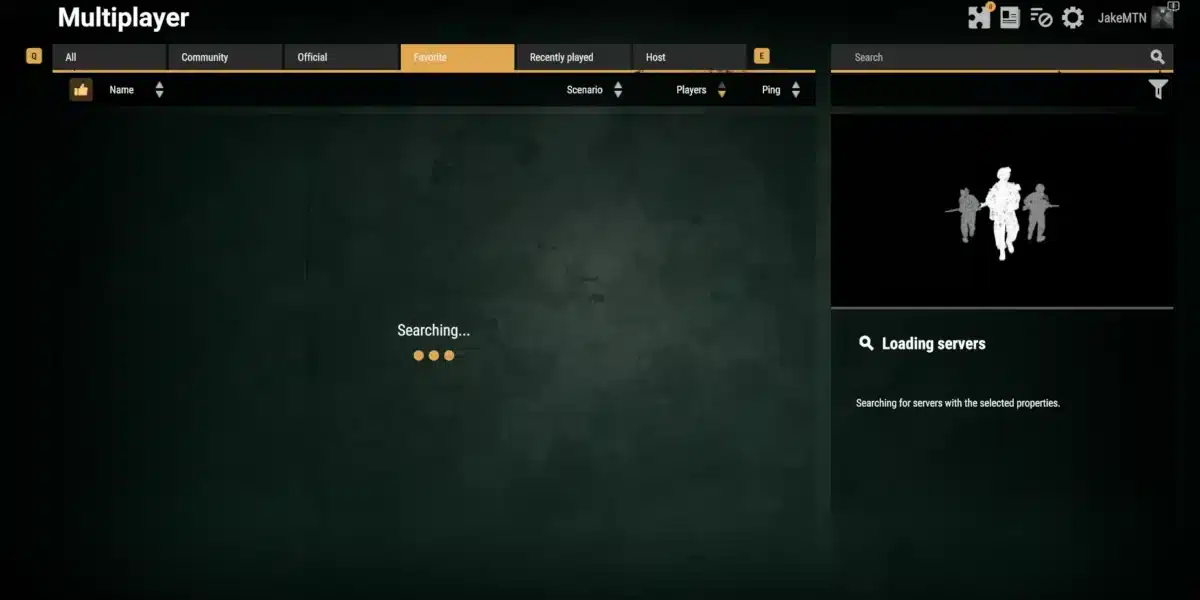

A loading screen can instantly kill the excitement of launching your favorite game. You press play, expect action, and instead you’re staring at a static image or spinning icon that refuses to move forward.
Whether you are dealing with infinite loading, a black display, or a sudden freeze, understanding how the loading screen works is the first step toward solving it.
What Is The Loading Screen?
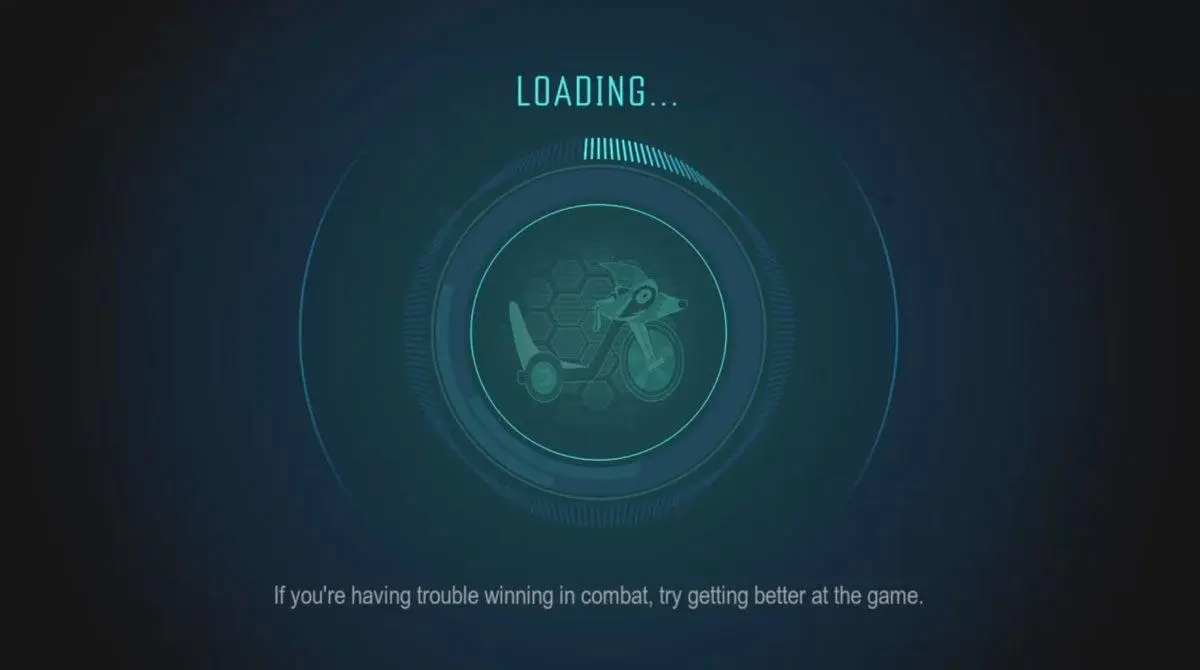
A loading screen is the transition phase in a game where assets such as textures, maps, character models, and network data are prepared before gameplay begins. During a loading screen, your hardware and internet connection work together to process files and establish servers so the game can run smoothly.
Although a loading screen is technically necessary, it should never become a barrier between you and gameplay. When delays stretch beyond a few seconds, something is wrong.
Fortunately, most loading screen issues are solvable. With the right troubleshooting approach, you can identify whether the problem is related to hardware, corrupted files, background applications, or network instability.
Loading Screen: Why It Happens and What Affects It
A loading screen exists because modern games are massive. Open worlds, realistic textures, advanced physics systems, and online synchronization all require processing time.
However, when a loading screen becomes excessive, freezes completely, or turns into infinite loading, the cause usually falls into one of several categories.
Hardware Limitations
Your hardware plays a decisive role in how fast a loading screen completes.
If your game is installed on an HDD instead of an SSD, slower read speeds can significantly increase loading time. SSDs drastically reduce file access delays.
Low RAM can also slow the loading screen. When your system lacks memory, it relies on virtual memory, which is much slower.
An outdated GPU can create bottlenecks during shader compilation or texture loading, extending the loading screen beyond normal duration.
Software and File Issues
Sometimes the problem is not your hardware, but corrupted or incomplete files.
If your game files are damaged, the loading screen may freeze or cause a stuck screen that never transitions into gameplay.
Operating system updates, outdated drivers, or incompatible background software may also interrupt file processing.
Verifying file integrity through platforms like Steam or Epic Games can often resolve these issues quickly.
Infinite Loading and Stuck Screen Problems Explained
Few things are more frustrating than a loading screen that never ends. Infinite loops are usually caused by file validation errors or server communication failures.
When players report infinite loading, the root cause is often one of the following:
- Corrupted configuration files
- Missing game assets
- Authentication failure with online servers
- Firewall blocking connection requests
- Driver conflicts
A stuck screen differs slightly. In this case, the loading screen freezes visually, but the game may still be running in the background.
How to Identify the Difference
To determine if you’re dealing with infinite loading or a frozen stuck screen, try these steps:
- Open Task Manager and check CPU or disk usage.
- Listen for background game audio.
- Wait a few minutes to see if the loading screen progresses.
If system activity drops to zero, the process likely crashed.
If CPU or disk usage remains high, the loading screen may still be processing data.
Game Won’t Load: Step-by-Step Troubleshooting Guide
When your game won’t move past the loading screen, systematic troubleshooting is essential.
A game won’t load situation often feels random, but it usually has a logical cause.
Step 1: Check System Requirements
Make sure your PC meets both minimum and recommended system requirements. Falling below minimum specs can trap you in a loading screen loop.
Step 2: Update Drivers
Outdated GPU drivers can extend a loading screen dramatically.
Visit your GPU manufacturer’s official website and install the latest stable version.
Step 3: Verify Game Files
File corruption is a common cause of loading screen failure.
Use your launcher’s verification tool to scan and repair missing files.
Step 4: Close Background Applications
Applications running in the background consume RAM and CPU resources.
Before launching your game, close:
- Browsers with multiple tabs
- Streaming software
- File syncing tools
- Overlay applications
Reducing system load helps your loading screen complete faster.
Step 5: Restart Your PC
Temporary glitches in memory allocation can interfere with the loading screen.
A full restart resets background services and often resolves random freezing.
Connection Timeout and Online Loading Screen Delays
In online games, the loading screen is not just loading files. It’s also establishing a connection with remote servers.
If a connection timeout occurs, your loading screen may hang indefinitely.
This typically happens when:
- Your ISP routing is inefficient
- Packet loss disrupts handshake signals
- Firewall rules block communication
- Server regions are overloaded
Why Network Stability Matters
Online games depend on stable communication between your PC and the server.
Even small packet inconsistencies can extend the loading screen because the server waits for confirmation before proceeding.
How ExitLag Reduces Connection Timeout
ExitLag analyzes routing paths in real time and selects optimized routes to reduce packet instability.
By stabilizing your connection, it minimizes connection timeout risks and prevents the loading screen from hanging during server authentication.
Main Causes That Affect Loading Screen Performance
Understanding what affects a loading screen helps you prevent issues before they happen.
Below is a comparative overview of common causes and their impact.
| Cause | Impact on Loading Screen | Recommended Fix |
| HDD Storage | Slow file access | Upgrade to SSD |
| Low RAM | Memory overflow | Add more RAM |
| Corrupted Files | Freeze or crash | Verify integrity |
| Outdated Drivers | Graphical hang | Update drivers |
| Network Instability | Server delay | Optimize routing |
Each of these factors can independently extend your loading screen time.
How to Improve Loading Screen Speed
Optimizing performance requires a combination of hardware tuning and software adjustments.
Adjust Graphics Settings
Lowering texture quality reduces the amount of data processed during the loading screen.
Disabling heavy features like ray tracing can also decrease initialization time.
Optimize Storage
If you still use an HDD, defragmenting it may help slightly. However, upgrading to an SSD provides the most dramatic improvement.
Clean Your System
Temporary files and outdated software can slow your PC.
Regular maintenance ensures smoother loading screen performance.
Recommended cleanup actions:
- Remove unused applications
- Clear temporary files
- Update Windows
- Scan for malware
Advanced Troubleshooting for Persistent Loading Screen Errors
If your loading screen continues failing, deeper analysis may be necessary.
Check Event Viewer Logs
Windows Event Viewer can reveal driver crashes or system conflicts related to your loading screen.
Reinstall the Game
If verification fails, reinstalling the game ensures a clean file structure.
Reinstall GPU Drivers Cleanly
Use a clean installation option to remove old driver remnants that might interfere with the loading screen.
Community Solutions for Loading Screen Problems
Gaming communities often share fixes specific to certain titles.
Forums, Reddit discussions, and official Discord servers may provide configuration tweaks that resolve unusual loading screen behavior.
Sometimes, specific GPU control panel settings can reduce shader compilation delays during the loading screen.
Researching your specific game can uncover hidden fixes that standard troubleshooting might miss.
Preventing Future Loading Screen Issues
Prevention is always better than reaction.
To avoid future loading screen frustration:
- Keep drivers updated
- Maintain stable internet
- Monitor system temperatures
- Avoid installing unverified mods
- Regularly verify files
A proactive approach ensures your loading screen remains a short transition instead of a permanent obstacle.
Loading Screen Optimization for Competitive Gamers
For competitive players, every second matters.
A slow loading screen can delay entry into ranked matches or reconnect attempts.
Minimizing loading screen time improves overall gaming efficiency.
Optimizing hardware, cleaning background processes, and stabilizing your connection are essential steps.
ExitLag further ensures that your loading screen in online games completes without routing instability interfering with server synchronization.
Advanced Loading Screen Optimization for Modern Games
Modern titles are more demanding than ever. Massive open worlds, live-service synchronization, cross-platform systems, and real-time shader compilation all increase loading screen complexity.
Therefore, optimizing your loading screen performance requires a deeper understanding of how game engines process data.
Shader Compilation and Loading Screen Delays
Many modern engines compile shaders during the first launch after updates. During this process, the loading screen may appear frozen, even though the system is actively generating graphical instructions.
If you interrupt this process, you may trigger infinite loading on the next startup.
To prevent this issue:
- Allow the first boot after updates to complete fully
- Avoid alt-tabbing repeatedly during shader compilation
- Ensure GPU drivers are stable and updated
Shader compilation is CPU-intensive, so strong processor performance reduces loading screen duration significantly.
Open-World Streaming Systems
Open-world games constantly stream textures and geometry from storage into memory.
If your storage drive cannot deliver data fast enough, the loading screen may extend while the engine prepares world chunks.
This is why NVMe SSDs outperform SATA SSDs and HDDs in modern AAA titles.
Faster storage means:
- Reduced asset streaming delay
- Faster map initialization
- Shorter transition loading screen times
Troubleshooting Loading Screen on Different Platforms
Although PC troubleshooting is common, loading screen problems also occur on consoles.
Loading Screen on PC
On PC, flexibility is both an advantage and a risk.
You can tweak drivers, update firmware, and optimize software. However, misconfigurations may lead to infinite loading or a persistent stuck screen.
Key PC checks include:
- BIOS updates
- SSD firmware updates
- GPU clean driver installation
- Disabling unnecessary overlays
Loading Screen on Consoles
On consoles, hardware is standardized, but storage and network issues still affect loading screen performance.
Common console fixes include:
- Rebuilding database (PlayStation systems)
- Power cycling the console
- Ensuring sufficient storage space
- Checking for system updates
If a game won’t load on console, reinstalling the title often resolves corrupted installation data.
The Role of Internet Stability in Loading Screen Performance
Online titles rely heavily on authentication servers, matchmaking systems, and cloud-based profile verification.
If the loading screen stalls during login, the issue often relates to connection timeout or unstable routing.
Even high-speed internet does not guarantee stable routing.
Packet loss, jitter, and inefficient ISP pathways can delay handshake communication, resulting in extended loading screen duration.
Signs Your Loading Screen Issue Is Network-Based
You may be facing a network-related loading screen problem if:
- The game loads offline modes normally
- The delay happens during server login
- You receive timeout error messages
- The issue occurs during peak hours
In these cases, connection optimization becomes more important than hardware upgrades.
ExitLag improves route efficiency by dynamically selecting stable pathways to game servers, reducing connection timeout risks and preventing infinite loading caused by packet instability.
Performance Settings That Directly Affect Loading Screen Time
Game settings influence not only visual quality but also initialization time.
Texture Resolution
Higher texture resolution increases VRAM usage and asset loading requirements.
Lowering texture settings can significantly shorten the loading screen, especially on GPUs with limited memory.
Ray Tracing and Advanced Effects
Ray tracing requires complex calculations and shader preparation.
Disabling it can reduce loading screen duration and improve stability on mid-range systems.
Background Sync Features
Some games synchronize cloud saves, achievements, and user profiles during the loading screen.
Disabling optional cloud synchronization (when safe to do so) may reduce initialization time.
Complete Loading Screen Optimization Checklist

Use this checklist to systematically eliminate loading screen bottlenecks:
- Confirm system meets recommended requirements
- Install latest GPU drivers
- Verify game file integrity
- Close background programs
- Update Windows or console firmware
- Check SSD health status
- Restart router to refresh connection
- Optimize routing for online games
Following this order prevents unnecessary hardware spending before diagnosing the real cause.
When Hardware Upgrades Become Necessary
Sometimes, no amount of troubleshooting fixes loading screen delays because the hardware is simply outdated.
If your system struggles consistently, consider upgrading:
- HDD to SSD or NVMe
- 8GB RAM to 16GB RAM
- Entry-level GPU to mid-range model
These upgrades improve not just loading screen time but overall frame stability and responsiveness.
However, before investing, ensure the issue is not related to infinite loading caused by corrupted files or connection timeout due to unstable routing.
Loading Screen Best Practices for Long-Term Stability
Maintaining a healthy gaming system ensures smoother loading screen transitions over time.
Long-term habits include:
- Keeping storage below 80% capacity
- Updating drivers monthly
- Monitoring temperatures
- Avoiding unofficial modifications
- Maintaining stable internet conditions
Consistency in maintenance reduces the likelihood of facing a stuck screen or game won’t load scenario in the future.
Conclusion About Loading Screen Issues
When a loading screen takes longer than expected, ExitLag can help by optimizing your connection routes and reducing packet instability. In online games especially, network inefficiencies can extend the loading screen beyond normal limits. ExitLag stabilizes your route to the game server, minimizing delays caused by poor routing or packet loss.
Frequently Asked Questions About Loading Screen
A loading screen may take too long due to slow storage, low RAM, outdated drivers, corrupted files, or unstable internet causing connection timeout during server authentication.
To fix infinite loading, verify game files, update drivers, close background applications, check firewall settings, and ensure your network routing is stable for online titles.
A stuck screen is often caused by corrupted assets, driver conflicts, or shader compilation errors that prevent the game from completing initialization.
Yes. In online games, unstable routing, packet loss, and connection timeout errors can extend or freeze the loading screen during server communication.
Absolutely. SSDs provide faster read and write speeds compared to HDDs, significantly reducing loading screen duration in modern games.
Got questions or want to connect with other players? Join the conversation at the ExitLag Forum!