
Discover the best logic games to boost your brainpower on PC, mobile or browser — and sharpen your reasoning.
Logical games are interactive challenges designed to test and enhance logic games skills using puzzles, deduction, and strategic thinking.
Furthermore, logic games offer notable cognitive benefits, including sharper memory, improved concentration, and enhanced problem-solving abilities.
For those seeking to elevate mental performance, combining these games with network-boosting tools — like our ExitLag guide to optimizing connection — can ensure a seamless experience without interruptions.
Additionally, logic games are accessible across multiple platforms — whether on mobile, PC or web — making them a versatile option to maintain mental agility anytime. As we’ll explore below, there’s a rich variety available to suit learners of all ages and skill levels.
Best Logic Games for Different Audiences
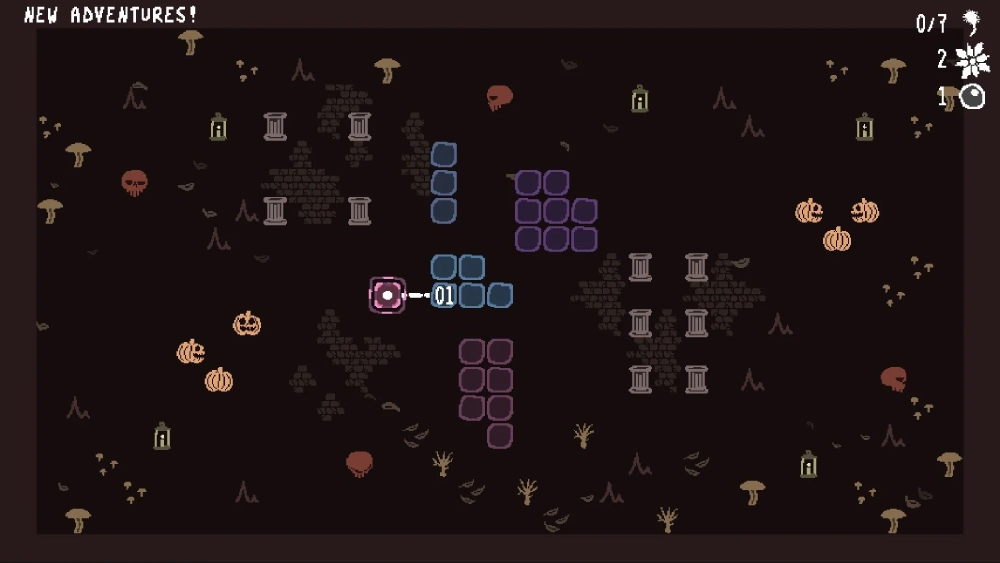
Logic games cater to diverse age groups and cognitive levels. Whether you’re an adult seeking deeper mental challenges or a younger player developing early reasoning skills, there are titles specifically crafted for each profile.
Below, we detail some of the most impactful and well-reviewed logic games by age group.
For Adults
These logic games provide advanced challenges that demand concentration, planning, and adaptive problem-solving.
Sudoku
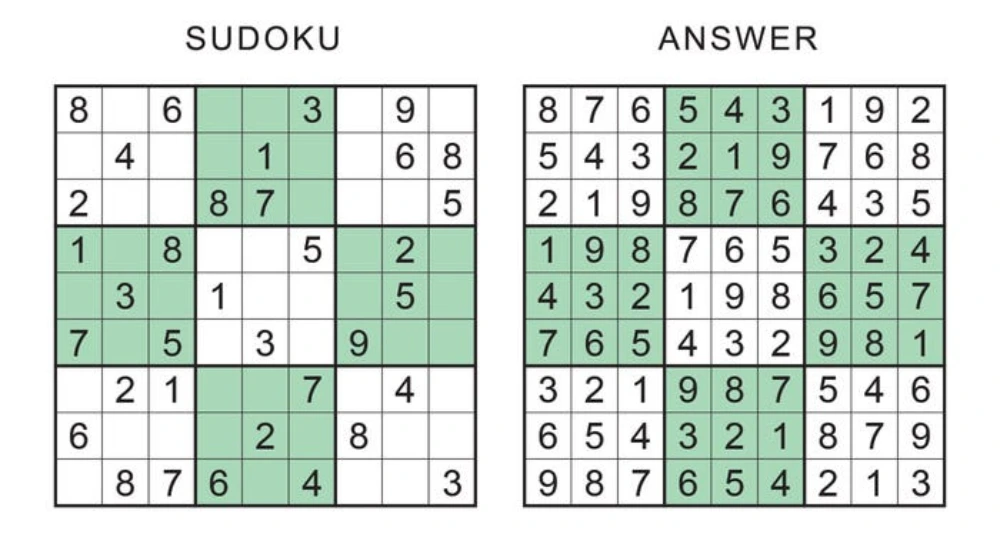
To begin with, Sudoku is a globally popular number-based logic puzzle in which players complete a 9×9 grid so that each column, row, and 3×3 box contains the numbers 1 through 9.
The Witness
Next, The Witness is an open-world first-person puzzle game that places players on a mysterious island filled with hundreds of interconnected logic problems. The core mechanic involves drawing paths on grids based on visual and environmental clues.
It stands out for its nonlinear structure and increasing difficulty, encouraging players to approach each puzzle with fresh logic and observational skills. It’s available for PC and consoles, making it one of the most immersive logic games for PC users as well.
Baba Is You
Additionally, Baba Is You introduces a unique mechanic where players alter the game’s rules by moving blocks that represent logical conditions, such as “Baba is Win” or “Wall is Stop”.
As a result, players must engage in lateral thinking and rule reconfiguration to complete each level. This innovative title is both intellectually stimulating and creatively rewarding, pushing traditional logic puzzles into new territory.
For Children and Teenagers
These games are designed to develop foundational skills in logic, problem-solving, and critical thinking through engaging and age-appropriate interfaces.
LightBot
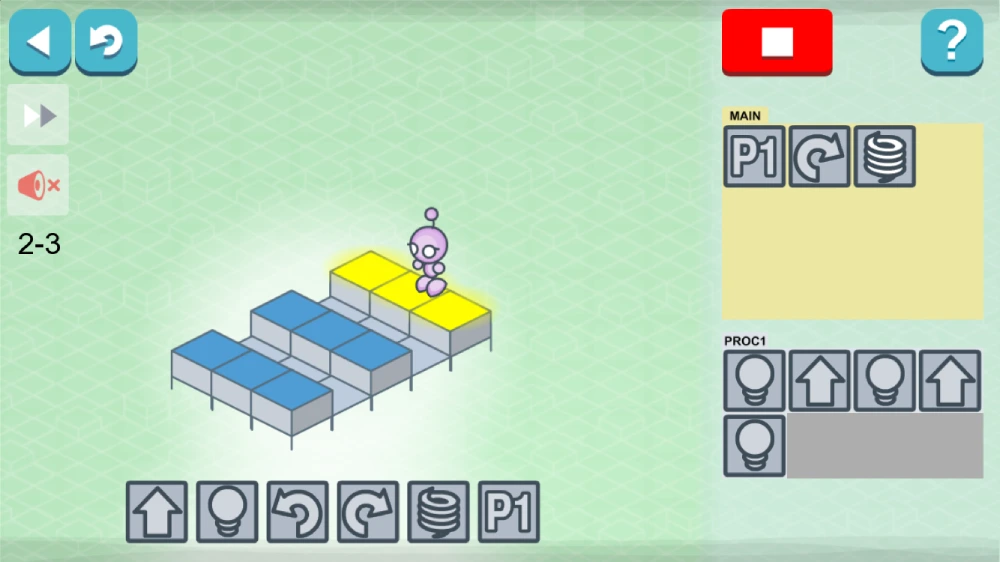
First, LightBot is a programming-inspired puzzle game that introduces children to coding logic through gameplay. Players guide a robot across a grid by sequencing commands that mimic programming structures such as loops and functions.
Math Playground
Math Playground combines math-based games with classic logic puzzles, offering a platform full of interactive challenges. Players solve word problems, number games, and spatial puzzles designed to strengthen their reasoning and arithmetic skills.
With a wide variety of activities tailored to elementary and middle school students, it stands out as a comprehensive destination for math playground games that build logic gradually.
Logic Puzzles Online
Finally, web-based logic puzzles online provide young learners with structured challenges, including logic grid puzzles, matching games, and sequence logic problems.
These platforms often include progressive difficulty levels, allowing users to advance their skills over time.
For teenagers, this format enhances attention to detail, reading comprehension, and deductive logic, all while keeping the gameplay dynamic and accessible.
By selecting logic games suited to each user’s age and skill level, it becomes possible to foster critical thinking, improve cognitive performance, and enjoy meaningful gameplay.
Logic Games by Platform

When choosing the best logic games, the platform you use can significantly influence your experience.
Whether you prefer playing on PC, mobile devices, or browsers, each environment offers distinct advantages and access to unique logic puzzles and challenges. Below, we explore the top-rated platforms and some of the most popular titles available for each.
Logic Games for PC
To begin with, logic games for PC tend to deliver richer visuals, more complex mechanics, and deeper narrative integration.
Thanks to the hardware capabilities of desktops and laptops, these titles can provide expansive environments and intricate logic problems.
The Talos Principle, for example, is a first-person logic puzzle game that blends philosophical storytelling with complex puzzles involving lasers, switches, and time manipulation.
Its immersive design and challenging gameplay have made it one of the highest-rated logic games for PC across platforms like Steam.
Moreover, Portal 2 stands as another benchmark in PC-based logic games. It combines physics, spatial reasoning, and environmental storytelling to create brain-bending challenges.
Players must use portals to navigate rooms and solve puzzles with increasing difficulty and clever design.
For fans of minimalism and deduction, Hexcells offers a quiet but deeply engaging experience, combining the mechanics of Minesweeper and logic grid puzzles. It’s ideal for those seeking structured and meditative logic problems and puzzles.
Mobile and Browser-Based Logic Games
Mobile devices and browsers provide flexibility and ease of access for casual and educational logic puzzles online. These platforms excel in quick sessions and progressive learning.
Monument Valley, available on both iOS and Android, delivers stunning visuals and perspective-based logic puzzles.
Players manipulate architecture and optical illusions to guide characters through surreal landscapes. Its intuitive interface makes it perfect for mobile play while still offering substantial mental challenges.
Additionally, Math Playground Games has gained traction among educators and students alike. Hosted online and optimized for tablets, it presents interactive puzzles and logic problems that build arithmetic and spatial reasoning skills.
With colorful visuals and gamified lessons, it’s ideal for younger audiences and classroom environments.
Another noteworthy title is Brain Out, a mobile game that combines lateral thinking and unexpected solutions to common logic problems. With short levels and addictive gameplay, it’s tailored for quick engagement without compromising cognitive stimulation.
Popular Categories of Logic Games
In the vast realm of logic games, various categories appeal to different cognitive skills. Each type has a distinct approach to stimulating reasoning, problem-solving, and mental flexibility.
Below, we outline the most prominent categories, including how they function and their learning potential.
Logic Grid Puzzles and Deductive Formats
One standout category is logic grid puzzles, which remain among the most widely practiced logic puzzles today.
These structured challenges ask players to determine the relationships between multiple variables — such as people, preferences, or items — using a fixed set of clues.
Rather than relying on guesswork, these puzzles and logic problems demand methodical deduction. The player fills in a grid, using logic to cross-reference and eliminate incorrect possibilities until only one valid solution remains.
As a result, logic problems and puzzles of this type are excellent for sharpening analytical thought and are widely used in academic and competitive environments.
Furthermore, logic puzzles online make these games easily accessible for players of all levels. Whether on a mobile app or browser, users can enjoy an interactive experience that mirrors the challenge of traditional pen-and-paper formats.
Verbal Reasoning and LSAT Logic Games
Another important category focuses on verbal and abstract reasoning, including classic riddles and structured academic formats like LSAT logic games.
These activities go beyond visual patterns or numbers, instead requiring players to interpret textual information and draw conclusions based on stated conditions.
Whereas math playground games rely on numerical fluency, verbal logic puzzles build critical reading and inference skills.
For example, players may encounter a problem involving conditional statements or the logical sequencing of events, testing their ability to manage abstract rules.
In particular, LSAT logic games are known for their difficulty and precision. Although they are being phased out of the LSAT by 2025, they continue to serve as a benchmark for high-level logical reasoning.
Many digital platforms still offer logic games for PC that emulate the structure of LSAT tasks, providing ideal practice for students and professionals alike.
Logic Games and the LSAT
Among academic and professional aptitude tests, the LSAT (Law School Admission Test) has historically been closely associated with logic games.
Although its format is evolving, understanding this section remains essential for those pursuing legal careers and others interested in advanced logic puzzles.
The Role of Logic Games in the LSAT
Historically, the LSAT included a dedicated section featuring logic games, often referred to as the “Analytical Reasoning” portion of the exam.
These exercises required test-takers to evaluate sets of conditions and determine the correct sequence or grouping of elements — skills rooted in puzzles and logic problems.
Unlike traditional math playground games or visual logic puzzles, LSAT logic problems and puzzles were highly textual and demanded precise deductive reasoning.
Participants had to navigate abstract relationships efficiently under timed conditions, making this one of the most challenging yet rewarding sections of the exam.
Moreover, this format contributed significantly to strengthening candidates’ abilities to think logically, process constraints, and draw accurate conclusions — all critical for success in law school and beyond.
Removal and Alternatives for Training Logical Reasoning
- The Logic Games section of the LSAT is being phased out by 2025, following a legal settlement and accessibility concerns raised by visually impaired test-takers.
- This change aims to make the exam more equitable, as the traditional diagram-heavy format of logic grid puzzles posed challenges for some candidates.
- Despite the removal of the section, the core reasoning skills it tested remain highly relevant for law school and professional success.
- As a result, alternative practice resources have emerged. Many platforms now offer logic puzzles online that mimic the style of LSAT logic games to help users strengthen deductive reasoning.
- Additionally, some logic games for PC and mobile simulate timed environments and offer complex logic problems, allowing for continued cognitive training in test-like conditions.
- These tools help users maintain proficiency in structured reasoning, critical thinking, and logic-based problem-solving — even outside of standardized testing.
- In short: while the LSAT format is evolving, mastering logic games remains a powerful way to enhance mental agility and analytical thinking in both academic and real-world contexts.
Tips to Sharpen Logical Thinking
To begin, integrating logic games into your daily routine can significantly enhance mental agility.
Even brief sessions with logic puzzles or puzzles and logic problems help train your brain to identify patterns and develop problem-solving strategies. Platforms offering logic puzzles online allow flexible access to these challenges, making it easier to maintain consistency.
Moreover, setting aside time each day for deductive challenges—like logic grid puzzles or analytical riddles — stimulates critical thinking.
Over time, these exercises improve not just reasoning, but also decision-making and attention to detail, especially when using well-structured logic games for PC.
Understanding Deductive and Inductive Logic
Distinguishing between deductive and inductive reasoning is crucial when tackling logic problems and puzzles. Deductive reasoning involves applying general rules to reach specific conclusions — commonly seen in structured logic puzzle formats.
On the other hand, inductive reasoning draws generalized insights from specific observations, often found in open-ended math playground games and pattern recognition challenges.
By practicing both, players develop a versatile thinking toolkit. As a result, they become more effective in academic settings, strategic games, and even professional problem-solving contexts.
Importantly, alternating between these reasoning styles within various logic games enhances cognitive flexibility and resilience in facing complex challenges.
Incorporating a range of logic puzzles and formats — whether through apps, board games, or browser-based tools — can make the process enjoyable and sustainable.
Strengthen Your Mind While Having Fun
Practicing logic games regularly is one of the most effective — and enjoyable — ways to boost your cognitive abilities.
Whether you’re solving puzzles, navigating strategy challenges, or tackling complex reasoning problems, each session contributes to mental agility and focus.
For those seeking reliable and free platforms, options like Math Playground, Logic Puzzles Online, and mobile apps such as Lumosity offer excellent starting points.
Additionally, for a smoother gaming experience without interruptions, tools like ExitLag help stabilize your connection — especially important for online or app-based logic games.
By incorporating high-quality logic games into your routine, you’ll be combining entertainment with brain training in the most rewarding way.
Got questions or want to connect with other players? Join the conversation at the ExitLag Forum!