
The foundation of MapleStory multiplayer lies in its deep focus on cooperation, progression sharing, and social gameplay. Unlike solo RPG experiences, the game is designed around interaction, where players continuously benefit from grouping up, sharing buffs, and tackling challenges together.
In MapleStory multiplayer, the experience extends beyond simple combat. Players engage in shared progression systems, coordinated boss fights, and social hubs that make the Maple World feel alive. The core loop revolves around collaboration, making every encounter more dynamic when played with others.
Core mechanics of MapleStory multiplayer interaction

The main mechanics that define MapleStory multiplayer include:
- Party-based EXP distribution
- Shared boss rewards and loot drops
- Guild systems for long-term cooperation
- Social hubs for communication and trading
- Instance-based co-op dungeons
These systems ensure that progression is always tied to teamwork and communication.
Why multiplayer matters in Maple World
The strength of MapleStory multiplayer lies in how it transforms progression. Instead of grinding alone, players benefit from:
- Faster leveling through shared EXP
- More efficient boss farming
- Access to high-level group content
- Strategic synergy between classes
In this environment, cooperation is not optional—it is essential for long-term growth.
Community-driven gameplay loops
A major appeal of MapleStory multiplayer is how the community shapes the experience. Events, guild wars, and party quests constantly bring players together, ensuring the world feels active and interconnected.
Maplestory Nexon ecosystem and multiplayer design
The publisher behind the experience, MapleStory Nexon, has designed the game to prioritize scalability in multiplayer interactions. Every system is built to support both casual and hardcore group play.
Design philosophy of Nexon multiplayer systems
Within the MapleStory Nexon ecosystem, multiplayer design focuses on:
- Accessibility for new players
- Depth for experienced players
- Long-term progression incentives
- Continuous content updates
This ensures that both solo and group players find value in the game.
Integration with progression systems
The game MapleStory structure ensures that multiplayer is tied directly to progression milestones. Players cannot ignore co-op features if they want to maximize efficiency.
Key integrations include:
- Party EXP scaling systems
- Shared boss loot tables
- Guild-based rewards
- Event-exclusive co-op missions
Social economy and trading systems
Another layer of MapleStory multiplayer is its in-game economy. Trading between players enhances cooperation and allows for item distribution across party members.
Key economic features:
- Player-to-player trading
- Auction house systems
- Guild resource pooling
- Event currency sharing
MapleStory multiplayer is one of the engaging features that bring players together to explore, battle, and conquer challenges, by gathering abilities.
This aspect of the game defines the emotional and mechanical core of MapleStory multiplayer. Players are constantly encouraged to join forces, combine skills, and overcome challenges that would be impossible alone.
Exploration and shared progression
In this stage of MapleStory multiplayer, exploration becomes a shared journey. Players travel through maps, unlock areas, and complete quests together.
Key benefits include:
- Faster map completion
- Shared quest progression
- Efficient grinding routes
Combat synergy and ability stacking
The phrase MapleStory multiplayer is one of the engaging features that bring players together to explore, battle, and conquer challenges, by gathering abilities. perfectly reflects how combat works.
In group battles:
- Classes complement each other
- Buffs stack across teammates
- Damage rotations become coordinated
- Survivability increases significantly
Progression through teamwork
Progress in MapleStory multiplayer is heavily dependent on coordination. Without teamwork, many late-game zones become extremely difficult.
Party system and co-op progression in MapleStory multiplayer
The party system is one of the most essential mechanics in MapleStory multiplayer, allowing players to form small groups for grinding, quests, and boss fights.
Creating and managing parties
To succeed in MapleStory multiplayer, players must understand party mechanics:
- Open party menu with “P”
- Invite players by character name
- Set EXP sharing rules
- Adjust contribution settings
Optimization strategies for parties
Efficient party management includes:
- Balancing damage roles
- Rotating buffs effectively
- Keeping active members only
- Choosing optimal grinding maps
Party play zones and bonuses
Party zones in MapleStory multiplayer provide enhanced rewards:
- Increased EXP rates
- Better drop chances
- Faster monster respawns
- Shared farming efficiency
Co-op dungeons, raids, and bossing in MapleStory multiplayer
One of the most exciting aspects of MapleStory multiplayer is its bossing system, where coordination becomes essential for success.
Iconic raid encounters
Some major challenges include:
- Zakum Raid
- Horntail Dungeon
- Root Abyss bosses
- Elite world bosses
These encounters require timing, strategy, and teamwork.
Dungeon mechanics and teamwork
Dungeons in MapleStory multiplayer often include:
- Multi-phase boss fights
- Puzzle-solving mechanics
- Survival-based encounters
- DPS coordination phases
Rewards and progression impact
Bossing rewards in MapleStory multiplayer include:
- High-tier equipment
- Rare crafting materials
- Progression currency
- Cosmetic items
Social features, communication, and community in MapleStory multiplayer
The social layer of MapleStory multiplayer is just as important as combat progression. Without communication, success becomes significantly harder.
Communication tools
Players rely on multiple systems:
- In-game chat
- Party communication
- Guild messaging
- External voice tools
Mini-games and casual interaction
Beyond combat, MapleStory multiplayer includes relaxing activities such as:
- Omok matches
- Card games
- Social events
- Seasonal festivals
Events and community engagement
Events strengthen the ecosystem by:
- Encouraging group participation
- Offering limited-time rewards
- Promoting guild activity
- Increasing player retention
Advanced teamwork tips in MapleStory multiplayer
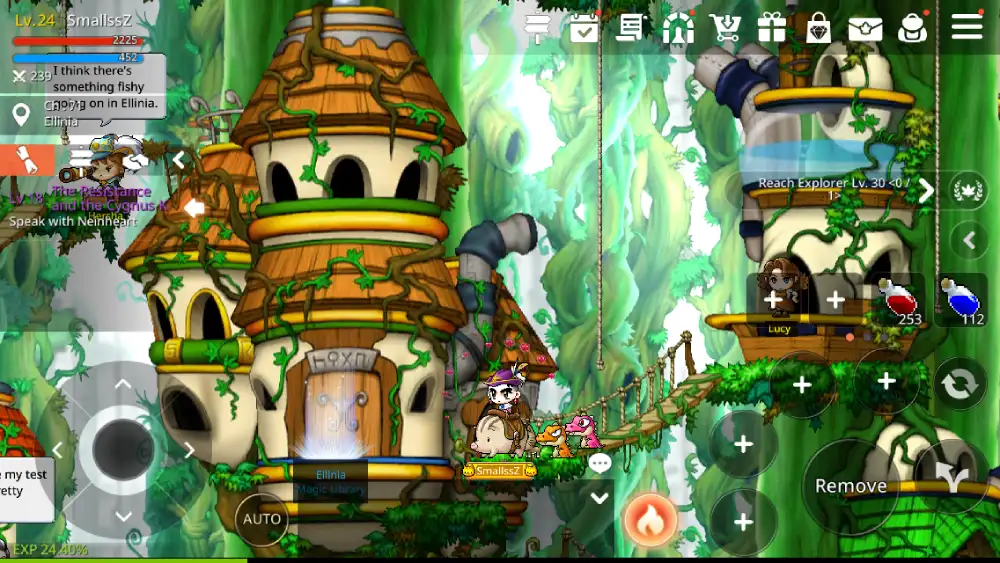
Mastering MapleStory multiplayer requires advanced coordination strategies that go beyond basic party play.
Role balancing and team composition
A strong team in MapleStory multiplayer includes:
- DPS-focused attackers
- Support and buff classes
- Tank or survivability roles
- Utility-based characters
Communication and coordination techniques
Effective teams rely on:
- Real-time strategy adjustments
- Clear role assignments
- Boss mechanic callouts
- Efficient resource sharing
Efficient resource management
Resource control includes:
- Potion sharing strategies
- Buff rotation timing
- Map control optimization
- Loot distribution fairness
External reference
For more technical details about the game ecosystem, visit:
https://MapleStory.nexon.net.
Core systems and mechanics summary table
| System | Function | Multiplayer Benefit |
| Party System | Group formation | Shared EXP and buffs |
| Guild System | Long-term cooperation | Events and rewards |
| Boss Raids | Endgame combat | High-tier loot |
| Party Zones | Grinding efficiency | Faster leveling |
| Social Chat | Communication | Coordination support |
Key strategies for success in Maple World
Essential gameplay habits
To succeed in MapleStory multiplayer, players should:
- Stay active in parties
- Participate in guild events
- Optimize class synergy
- Focus on cooperative farming
Long-term progression planning
In MapleStory multiplayer, long-term success depends on:
- Consistent boss participation
- Resource accumulation
- Equipment upgrades through teamwork
- Event engagement
Advanced co-op progression systems in MapleStory multiplayer
At higher levels, MapleStory multiplayer evolves into a highly strategic environment where optimization becomes critical.
Endgame coordination systems
Players must manage:
- Raid rotations
- Damage optimization cycles
- Defensive coordination
- Resource timing
High-level multiplayer challenges
Endgame content includes:
- Hardcore boss mechanics
- Time-limited raids
- Competitive guild rankings
- Special seasonal dungeons
Final thoughts on MapleStory multiplayer mastery
The depth of MapleStory multiplayer ensures that no two experiences are ever the same. Whether you are grinding, bossing, or socializing, the system rewards cooperation at every level. Mastering teamwork is the key to unlocking the full potential of Maple World.
For both new and veteran players, understanding MapleStory multiplayer systems is essential to long-term success and enjoyment. And to improve your gaming experience even further, you can rely on tools such as ExitLag to optimize connection and reduce lag.
FAQ
MapleStory multiplayer is a cooperative gameplay system where players team up to complete quests, defeat bosses, and progress together.
Players form groups to share EXP, tackle stronger enemies, and improve farming efficiency in MapleStory multiplayer zones.
Guilds enhance MapleStory multiplayer by offering events, rewards, and long-term social cooperation.
Because many bosses and dungeons in MapleStory multiplayer require coordinated mechanics and balanced team roles.
Yes, MapleStory multiplayer generally offers faster progression, better rewards, and more engaging gameplay through cooperation.
Got questions or want to connect with other players? Join the conversation at the ExitLag Forum!