
Thanos is one of the most recognizable villains in the Marvel universe, making his potential arrival in Marvel Rivals a major topic among players. Although he is not currently listed as an official playable hero, the character has generated considerable discussion around future content and the game's ongoing Infinity Saga-inspired events. For players interested in the Marvel Rivals hero: Thanos, understanding his potential role also means considering how a character built around overwhelming power could translate into a fast-paced 6v6 environment.
At the same time, Marvel Rivals is built around quick reactions, destructible environments, team coordination, and abilities that can change a fight within seconds. That means a character as powerful as Thanos would need carefully designed mechanics to fit the game's competitive structure. If you want to improve your overall connection before exploring future heroes, check out ExitLag's guide on how to fix high ping in Marvel Rivals.
 For competitive players, the arrival of a powerful character would also raise questions about positioning, team composition, and connection stability during intense fights. A Marvel Rivals hero: Thanos concept could potentially rely on abilities that reward precise timing and coordinated attacks, making stable network performance especially important. Even small increases in latency can affect reaction-based gameplay, particularly when multiple abilities and environmental effects happen simultaneously.
What is the Marvel Rivals hero: Thanos?
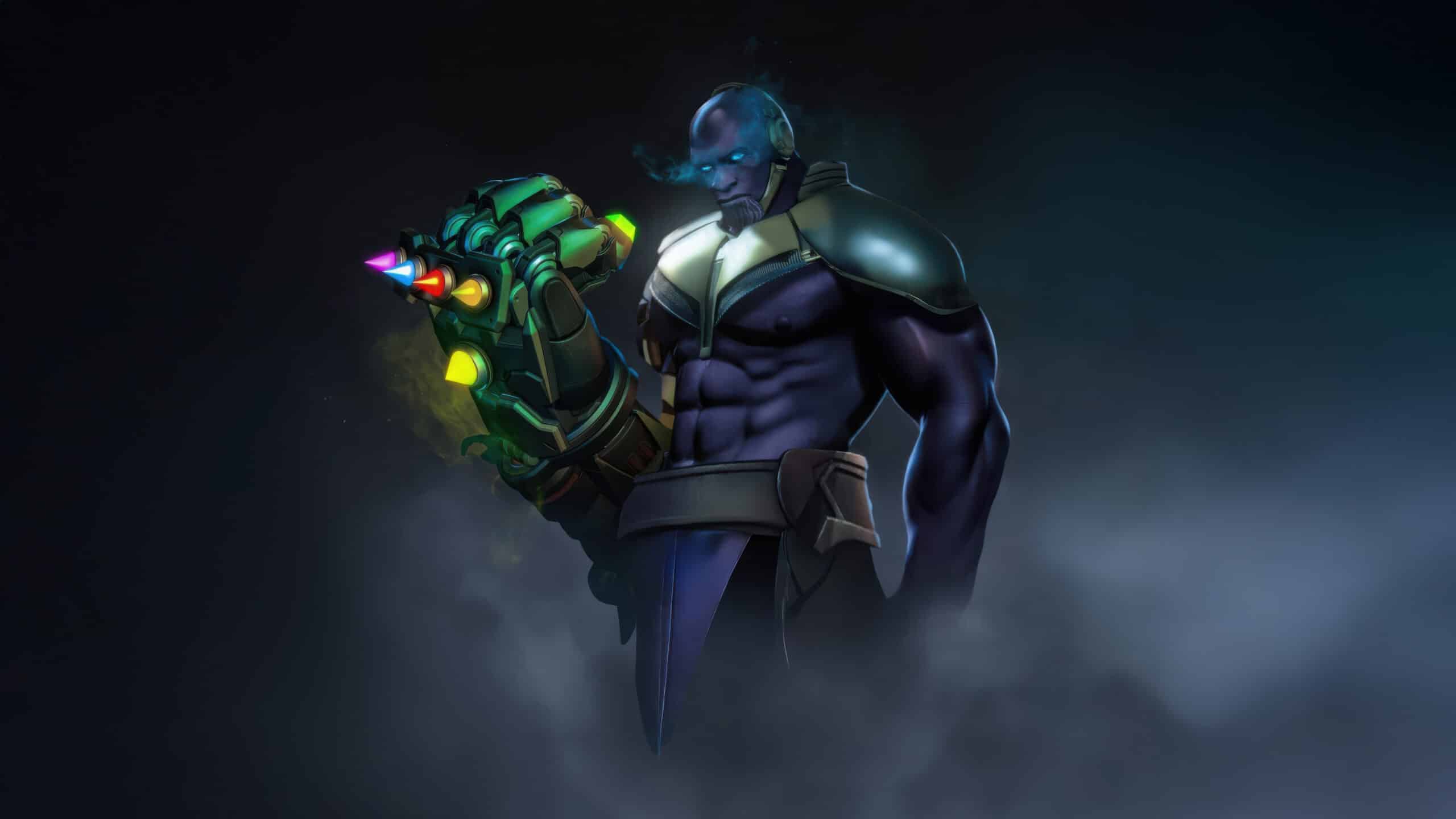
The Marvel Rivals hero: Thanos is currently a future-facing concept rather than an officially playable character. The official Marvel Rivals hero directory does not currently list Thanos among the game's playable roster, while community leaks and speculation have discussed possible versions of the Mad Titan. Therefore, any specific kit, role, cooldown, damage value, or release date should be treated as unconfirmed until NetEase officially announces them.
Marvel Rivals team compositions can change depending on the map, enemy lineup, and objective. Current team-building guides also emphasize adapting compositions rather than relying on a single fixed setup.
It is also important to separate network problems from hardware performance. ExitLag can optimize network routing, but it cannot replace a GPU upgrade or solve every FPS-related issue. Its primary focus is connection quality and routing.
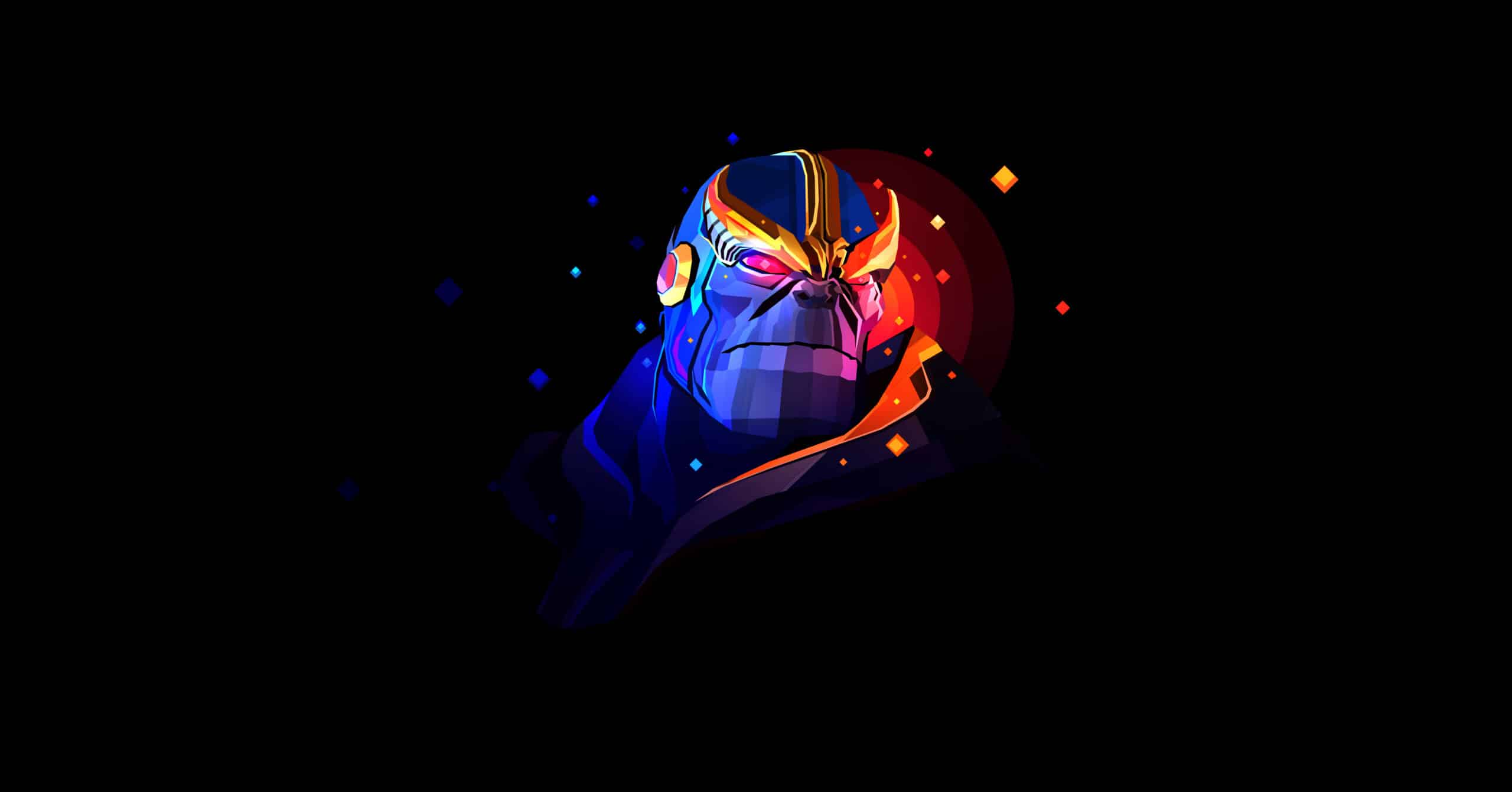
For competitive players, the arrival of a powerful character would also raise questions about positioning, team composition, and connection stability during intense fights. A Marvel Rivals hero: Thanos concept could potentially rely on abilities that reward precise timing and coordinated attacks, making stable network performance especially important. Even small increases in latency can affect reaction-based gameplay, particularly when multiple abilities and environmental effects happen simultaneously.
What is the Marvel Rivals hero: Thanos?
The Marvel Rivals hero: Thanos is currently a future-facing concept rather than an officially playable character. The official Marvel Rivals hero directory does not currently list Thanos among the game's playable roster, while community leaks and speculation have discussed possible versions of the Mad Titan. Therefore, any specific kit, role, cooldown, damage value, or release date should be treated as unconfirmed until NetEase officially announces them.
Why Thanos fits Marvel Rivals
From a design perspective, Thanos has several traits that could translate naturally into a hero-shooter environment. His enormous physical strength could support a frontline role, while the Infinity Stones could create abilities based on space, power, reality, time, or other cosmic effects. More importantly, Marvel Rivals already allows heroes and villains to combine their abilities through Team-Up mechanics. The game's official description emphasizes fast 6v6 combat and unique Team-Up abilities, creating plenty of room for a character with a highly distinctive identity.What could his role be?
One of the biggest questions is whether Thanos would function as a Vanguard, Duelist, or another role. His size, durability, and close-range presence would make a Vanguard-style design logical, but that remains speculation. A possible Thanos design could focus on:- High durability and strong frontline pressure
- Short-range attacks combined with cosmic abilities
- Area control through Infinity Stone mechanics
Abilities in Marvel Rivals: what could Thanos do?
Because no official Thanos ability kit has been published, the most useful way to discuss his Abilities is through possible gameplay concepts rather than presenting rumors as confirmed information. Community concepts have explored ideas involving the Infinity Stones, melee attacks, defensive tools, and powerful ultimate abilities.Infinity Stone mechanics
The Infinity Stones offer an obvious foundation for Thanos' gameplay identity. Instead of giving him six extremely powerful abilities immediately, the game could theoretically make each Stone influence a different part of his kit. For example, a potential system could involve:- Power Stone: temporary damage amplification or a ranged energy attack.
- Space Stone: short-distance repositioning or teleportation.
- Reality Stone: temporary changes to an area or defensive effects.
- Time Stone: cooldown manipulation or a temporary rewind-style mechanic.
- Soul Stone: interaction with defeated characters or temporary survivability.
- Mind Stone: crowd-control or disruption effects.
A possible ultimate
His ultimate would arguably be the most difficult ability to balance. Marvel Rivals already features large-scale ultimates capable of changing team fights, so an ability based on the Infinity Gauntlet would need clear limitations. A successful design could reward positioning and timing rather than simply eliminating an entire enemy team. That would make the ultimate powerful without removing counterplay. For players, this distinction matters. In a competitive shooter, an ability can feel spectacular while still giving opponents opportunities to react, reposition, or interrupt it.Marvel Rivals hero: Thanos gameplay and How to Play
If Thanos eventually becomes playable, learning How to Play him would likely revolve around controlling space rather than simply charging into every fight. A large character with strong abilities would attract enemy attention, making positioning especially important.Managing frontline pressure
A potential Thanos player would need to understand when to engage and when to wait. Entering a fight too early could expose the entire team, while waiting for enemy cooldowns could create a much stronger opening. The basic gameplay loop could look something like this:- Move with your team toward the objective.
- Force opponents to use important defensive abilities.
- Create space with your own abilities.
- Coordinate your strongest cooldowns with teammates.
- Secure the objective instead of chasing unnecessary eliminations.
Connection stability matters
Regardless of the final kit, timing would be extremely important. A delayed ability, sudden packet loss, or unstable connection can make an otherwise well-timed engagement feel completely different. ExitLag's Marvel Rivals connection guides explain that high ping and packet loss can affect movement, ability responsiveness, and consistency during team fights. The software focuses on optimizing the route between the player and supported game servers rather than increasing the speed of the player's internet plan. That distinction is particularly relevant for a hypothetical Thanos player. If his gameplay depends on precise ability timing, connection stability can influence how consistently those abilities respond.Best Team Compositions for Thanos
The Best Team Compositions would ultimately depend on Thanos' final role and abilities. Still, his theoretical design gives us some useful possibilities.Frontline and sustain
If Thanos becomes a Vanguard, he would probably benefit from teammates who can keep him active during extended engagements. A balanced composition could theoretically include:| Team function | Example hero type | Purpose |
| Main frontline | Thanos | Creates pressure and controls space |
| Second frontline | Vanguard | Shares incoming pressure |
| Damage | Duelist | Converts openings into eliminations |
| Damage | Duelist | Applies additional pressure |
| Support | Strategist | Healing and utility |
| Support | Strategist | Sustain and team protection |
Cosmic-themed synergy
Another interesting possibility would be a team built around Marvel's cosmic characters. This could create thematic synergy while also allowing different heroes to cover Thanos' weaknesses. For example, a theoretical team could combine:- A durable frontline character
- A long-range damage dealer
- A mobile flanker
- Two Strategists
- Thanos as the central space controller
How network performance could affect Thanos
Even the most carefully designed hero becomes difficult to control when the connection is unstable. In Marvel Rivals, latency can affect the relationship between player input and server response, while packet loss can produce inconsistent movement or delayed abilities.Ping, packet loss and ability timing
Imagine attempting to activate an important defensive ability while surrounded by several opponents. If your connection is stable, the server receives your input consistently. However, network instability can introduce delays or interruptions. This can be especially frustrating when playing a hero whose value depends on precise cooldown management.| Network issue | Possible gameplay effect |
| High ping | Delayed responses |
| Packet loss | Missing or inconsistent data |
| Jitter | Uneven timing between packets |
| Server lag | Delays affecting multiple players |
| FPS drops | Reduced visual smoothness |
Why stable routing matters
Your internet connection does not simply travel directly from your computer to the game server. Data can pass through multiple network points before reaching its destination. If the route becomes congested or inefficient, latency can increase even when your internet plan provides high download speeds. ExitLag's technology is designed to analyze available routes and optimize traffic toward supported gaming servers. For Marvel Rivals players, this can be particularly relevant during intense team fights where every ability, movement decision, and reaction matters.How to prepare for a possible Thanos release
Until Thanos receives an official announcement and complete ability description, players can focus on fundamentals that would remain useful regardless of his final design.
Practice positioning and team awareness
Large frontline characters generally require strong awareness because they can become obvious targets. Learning when to enter a fight, when to retreat, and how to protect teammates is more valuable than simply memorizing ability combinations. If Thanos eventually becomes a playable hero, players should also pay attention to:- His official role and base health.
- The range and cooldown of each ability.
- How his mechanics interact with Team-Ups.
- Which heroes can counter his strongest tools.
- Whether his abilities depend on collecting or managing Infinity Stones.