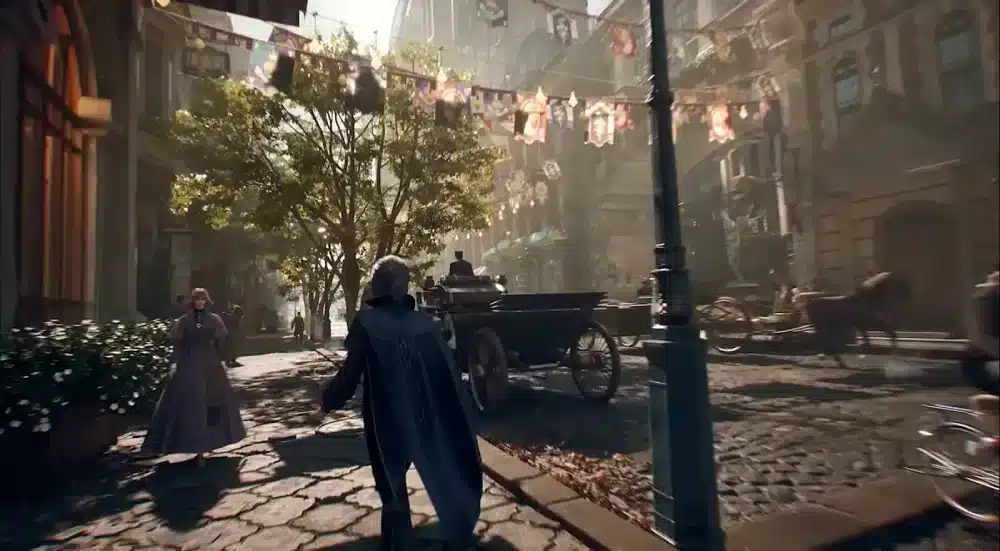

Old school MapleStory still holds a special place in MMORPG history because it made progress feel personal. Leveling was slow, maps felt dangerous, and every new piece of equipment could change the way a character performed. More importantly, players often needed one another. A long grind could become a conversation, a Party Quest could become a nightly routine, and a crowded town could feel like a real meeting place.
That lasting attachment is also why updates, community debates, and returning-player discussions still matter so much. Following MapleStory news and updates can help players connect old memories with what is happening around the game today.
For many veterans, old school MapleStory is not only about pixel art or old music tracks. It is about the pace of the game. You did not rush through every map with massive area attacks. You learned where to train, saved Mesos carefully, asked questions in town, and formed parties when a challenge was too difficult to handle alone. That slower rhythm is why the classic era remains memorable.
The appeal of old school MapleStory also comes from its clear identity. The early version of the MapleStory world felt simple enough to understand, yet large enough to explore for months. Victoria Island, Kerning City, Henesys, Ellinia, Perion, Ludibrium, and Sleepywood all had their own atmosphere, music, enemies, and player culture.
Today’s game MapleStory is far broader, faster, and more system-heavy. However, the original experience remains important because it showed how a side-scrolling MMO could create connection through shared difficulty. Players who search for Maple Story nostalgia are often looking for more than a retro version of a game. They are looking for the feeling of discovering a world with other people at the same time.
This guide explains what made the classic era different, how the modern game evolved, why nostalgia remains strong, and how to revisit that feeling safely. It also covers communities, official classic-inspired options, and connection advice for players returning to the world of MapleStory Nexon.
What Was the Original MapleStory Like?

The original old school MapleStory experience was built around a simple but demanding loop: choose a class, train on monsters, improve your gear, earn Mesos, explore maps, and slowly unlock new areas. It was not designed around instant power. Progress came from consistency, knowledge, and time.
That structure gave every achievement weight. Reaching a job advancement felt important. Buying a stronger weapon mattered. Joining a party was not only social; it was often the best way to gain experience, complete quests, or access content that was difficult alone.
The 2D World, Maps, and Exploration
Classic MapleStory stood out because it combined colorful 2D art with a huge sense of distance. A map did not need to be graphically realistic to feel memorable. A dark cave, a crowded city, or a quiet forest could create a clear mood through background music, enemy design, and layout.
The world encouraged players to move through it gradually. You often traveled by ship, taxi, portal, or long walking routes. That created anticipation. Reaching a distant destination felt like an accomplishment rather than a menu selection.
Some of the most memorable classic elements included:
- Victoria Island towns with distinct identities.
- Dangerous cave routes around Sleepywood.
- Long trips between continents.
- Platform-heavy maps that rewarded movement skill.
- Hidden areas discovered through player conversation.
- Monster zones that became famous training spots.
The maps also created natural social spaces. Players gathered in free markets, town centers, Party Quest entrances, and popular grinding zones. This is one reason Maplestory Reddit discussions still frequently focus on specific towns, songs, and training maps rather than only on class balance.
Classes, Progression, and Party Quests
Early class design was easy to understand but difficult to master. Players began with familiar archetypes such as Warrior, Magician, Bowman, and Thief. From there, job advancements created more specialized paths and gave characters a stronger identity.
The limited number of classes made each role feel more visible. You knew what a Cleric, Assassin, Fighter, Hunter, or Spearman generally contributed to a party. That made cooperative play easier to read, even for newer players.
Classic progression was built around several recurring goals:
| Classic Goal | Why It Felt Important |
| Reaching a job advancement | Opened new skills and changed your playstyle |
| Saving Mesos | Made every purchase feel meaningful |
| Finding better equipment | Improved survival and training efficiency |
| Completing Party Quests | Created social progression and rewards |
| Exploring new maps | Gave each level range a sense of discovery |
| Building a friend list or guild | Made long-term grinding more enjoyable |
This slower model is a major reason old school MapleStory remains so recognizable. Players were not simply optimizing damage. They were building routines, relationships, and memories around the world.
The economy was also part of that slower rhythm, especially when Mesos, equipment, and player trading shaped daily goals. A guide to the MapleStory marketplace and economy can help connect that old sense of value with how players think about trading and progression now.
What Happened to Old School MapleStory?
MapleStory did not disappear. It evolved. Over time, the official version added more regions, systems, story content, classes, visual effects, progression paths, and quality-of-life features. These changes helped the game remain active, but they also changed the pace that older players remember.
The central difference is not that one version is objectively better. It is that each version asks players to enjoy different things. Classic MapleStory emphasized gradual advancement and social dependence. Modern old school MapleStory comparisons often focus on how the current game emphasizes speed, accessibility, specialization, and large-scale character growth.
The Shift Toward Faster Progression
Modern MapleStory gives players more ways to move through early levels quickly. Events, boosted progression systems, mobility skills, stronger area attacks, and broader account-wide progression systems make it easier to reach later content.
For new players, that can be helpful. They can try more classes, reach current content faster, and avoid repeating the slowest parts of the original grind. However, it can also reduce the importance of some early milestones that once defined the classic experience.
Here is a broad comparison:
| Feature | Old School MapleStory | Modern MapleStory |
| Leveling pace | Slow and grind-focused | Faster with events and progression tools |
| Combat | Smaller skill sets and deliberate movement | Flashier, faster, and often wider-area focused |
| Classes | Limited early archetypes | Many class paths and specializations |
| Progression | Individual character growth | More systems and account-wide benefits |
| Social play | Often necessary for key activities | More solo-friendly overall |
| Exploration | Travel and map discovery mattered more | Faster movement and more guided systems |
| Gear economy | Mesos, drops, and player trading | More complex currencies and upgrade systems |
A MapleStory Nexon update can make the official game more convenient, but convenience also changes the emotional rhythm of progression. That is why some players miss the feeling of saving for a single item or spending an evening trying to clear one Party Quest.
What the Modern Game Still Does Well
It is easy to describe the modern version only through nostalgia, but that misses why many players enjoy it today. Current MapleStory gives returning players more class variety, more story content, faster access to endgame goals, and more flexibility in how they play.
The game also supports players who prefer solo progression, short play sessions, or a more action-heavy combat style. A player who does not have hours to grind in one map may find the modern structure more practical.
Modern MapleStory can be a good fit for players who want:
- More classes to experiment with.
- Faster leveling during active events.
- Larger skill effects and more mobile combat.
- More structured endgame goals.
- Stronger account-wide progression systems.
- A broader range of solo activities.
Still, old school MapleStory fans are not wrong to miss the earlier design. They are responding to a different kind of MMO experience, one where the journey between milestones often mattered as much as the milestone itself.
Why Do Players Still Want Old School MapleStory?
The demand for classic MapleStory is largely emotional, but it is not only nostalgia. Players often miss systems that encouraged patience, local knowledge, and cooperation. In a faster modern MMO environment, the slower pace can feel refreshing rather than outdated.
A classic-style old school MapleStory session gives players room to focus on smaller goals. You may spend an hour improving one level, gathering equipment, chatting in town, or helping someone complete a quest. That can feel more personal than constantly chasing the next high-speed progression system.
Nostalgia Is About More Than Old Graphics
When players say they miss classic MapleStory, they often mean a collection of details rather than one feature. They remember the background music in Henesys, the anxiety of losing experience after dying, the excitement of finding a valuable drop, and the first time they reached a new continent.
Those memories are powerful because they are tied to time and place. For many people, MapleStory was one of their first online communities. It was where they learned how to trade, join a guild, coordinate a party, or make friends through a shared routine.
Music is one of the fastest ways to reconnect with an older version of Maple World. A video like this classic MapleStory music reference can help bring back the atmosphere behind the towns, maps, and memories players still talk about years later.
The nostalgic appeal often includes:
- Familiar town music and sound effects.
- Old training maps and monster designs.
- Slower leveling milestones.
- Early job advancement excitement.
- Party Quest coordination.
- Mesos management and equipment upgrades.
- Casual conversations in crowded towns.
That is why Maple Story nostalgia is still visible in videos, forums, fan art, and archived screenshots. The classic game was not only played. It became part of people’s early internet memories.
Communities Keep the Classic Spirit Alive
Community discussion remains a major reason the old era survives. Players compare memories, share old screenshots, debate balance choices, recommend music playlists, and explain why certain maps felt special.
A Maplestory Reddit thread can be useful for finding current community conversations, but it is important to treat personal opinions as personal opinions. One player may remember pre-Big Bang MapleStory as the perfect version, while another may prefer a slightly later era with additional maps or job advancements.
The same is true for content creators. Videos and streams can help you understand why the original experience mattered, but they often focus on highlights. The real classic experience also included long grinds, limited inventory space, expensive potions, and plenty of waiting.
The enduring appeal of old school MapleStory comes from that full package. It was rewarding partly because it was inconvenient. The game created stories by making players solve small problems together.
That is also why returning-player discussions can be so useful, even when opinions vary. A look at picking up MapleStory again through Reddit can help players compare nostalgia, expectations, and practical advice before jumping back in.
Can You Still Play Old School MapleStory Today?
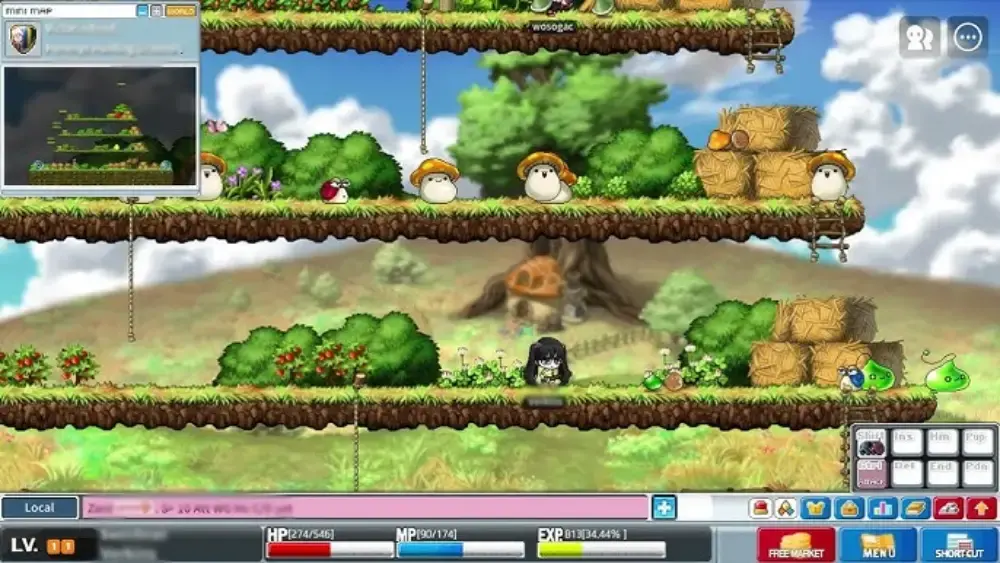
You can still explore classic-style MapleStory experiences today, but it is important to separate official options from unofficial recreations. The exact original global version is not simply preserved as a permanently selectable mode inside the current official game.
That means players should be clear about what they are looking for. Some want the early visual style. Others want slower leveling, old Party Quests, specific maps, or early class systems. “Classic” can mean different things to different players.
Official Ways to Explore Classic-Style Maple Content
The current official MapleStory client is a modern version of the game. It offers a large amount of content, but it is not a direct time capsule of the earliest era.
For broader historical context, it can help to review a general overview of the game before comparing eras. The MapleStory page on Wikipedia gives a quick reference point for the game’s background, release history, and long-running place in MMORPG culture.
For players seeking a classic-inspired approach through official channels, MapleStory Worlds is worth understanding. It is a Nexon platform that hosts community-created Worlds, including projects built around retro or pre-Big Bang-inspired Maple gameplay.
These projects can offer a more nostalgic atmosphere while remaining inside an official ecosystem. However, each World has its own rules, progression rate, content scope, community size, and update schedule.
Before investing time, review:
- Whether the project is still actively updated.
- Which era or gameplay style it aims to recreate.
- Whether it is designed for solo or party progression.
- What platform and region support it has.
- Whether its content is an exact recreation or a modernized interpretation.
- How the project handles account safety and community moderation.
This approach helps you choose an experience based on what you actually miss about old school MapleStory, rather than expecting every classic-inspired project to feel identical.
Why Unofficial Recreations Require Caution
Some players discuss unofficial MapleStory recreations because they may attempt to replicate a specific historical version more closely. However, these projects are independent from MapleStory Nexon and can involve legal, security, and longevity risks.
They may shut down without warning. Their account systems may not have the same security controls as official platforms. Their updates can change direction, and their player population can vary significantly over time.
Do not share your official MapleStory password, recovery email, or payment information with an unofficial service. Use unique credentials for any separate account, and avoid downloading unknown files from unverified sources.
A safer way to approach the topic is to ask:
- Is this project officially supported?
- Who runs it and how transparent are they?
- Does it require unsafe downloads?
- Does it have clear community rules?
- What happens if the project closes?
- Am I comfortable losing the time I invest there?
The goal is to revisit the feeling of old school MapleStory, not create avoidable account or device problems.
How Can You Recreate the Old School MapleStory Feeling?
You do not need to find a perfect historical replica to enjoy a classic-style experience. Sometimes the feeling comes from changing how you play. A slower, more social approach can make even a modern MMO session feel more meaningful.
Start by deciding which part of classic MapleStory you miss most. Is it the maps? The social progression? The music? The class identity? The difficulty? Once you know that, you can build a play routine around it.
Build a Slower, More Social Play Routine
Classic MapleStory was memorable because players often stayed in one area long enough to learn it. Instead of rushing through every task, try creating smaller, intentional goals.
For example:
- Explore old towns without using the fastest route.
- Play with friends at a similar level range.
- Set a gear or Meso goal before moving on.
- Spend time reading quest dialogue instead of skipping it.
- Use party-oriented content when available.
- Keep a small group chat or guild routine.
- Create a themed character around a favorite early class.
This approach helps recreate the social side of game MapleStory. You may not be playing the exact same version you remember, but you can recover some of the pacing and connection that made it special.
Use Communities Without Chasing Every Opinion
Online communities are useful for nostalgia, guides, and finding people who remember the same era. However, they can also make the past seem more perfect than it was.
Use community spaces to learn, not to let someone else decide what your best MapleStory experience should be. A popular Maplestory Reddit post may help you find a forgotten map or song, but your own memories and preferences matter more than a debate about which update “ruined” the game.
A healthy community routine can include:
| Community Activity | Why It Helps |
| Sharing old screenshots | Preserves personal memories |
| Joining nostalgia discussions | Helps identify maps, quests, and events |
| Watching historical videos | Gives context for older eras |
| Finding casual guildmates | Recreates social progression |
| Comparing playstyles | Helps you define what you enjoy |
| Avoiding account sellers | Protects your progress and security |
The best old school MapleStory experience is not necessarily the strictest recreation. It is the one that helps you reconnect with the parts of Maple World that mattered to you.
How Can ExitLag Help MapleStory Players?
ExitLag is a connection optimization solution for online gaming. It does not recreate old MapleStory content, unlock discontinued items, or change the design of the official game. However, it can be relevant when connection instability interferes with your sessions.
This matters most when you are playing on a server far from your location, joining party content, managing precise movement, or dealing with repeated disconnects. A classic-style session can lose some of its charm quickly if lag turns simple movement or combat into a frustrating experience.
When Connection Optimization May Help
ExitLag may be worth testing if you notice network-related issues such as:
- Delayed skill activation.
- Rubberbanding during movement.
- Sudden ping spikes.
- Disconnections during long sessions.
- Delayed enemy reactions.
- Unstable play when joining distant servers.
- Inconsistent performance across different times of day.
It cannot fix every problem. Low frame rates may come from your device, outdated drivers, high graphics settings, overheating, or background programs. Server-wide issues may also be outside your control.
However, if the main problem is unstable routing or packet loss, a more consistent connection can help make your old school MapleStory sessions feel smoother.
Create a More Reliable MapleStory Setup
Start with basic troubleshooting before changing your connection setup. Close bandwidth-heavy programs, pause downloads, restart your router if necessary, and check whether the problem affects other online games.
Then compare your experience with ExitLag during normal gameplay. Test movement, map changes, party content, and combat over several sessions instead of judging performance from one short login.
Use this checklist:
- Keep MapleStory and your operating system updated.
- Close streaming apps and background downloads.
- Check whether your device is overheating.
- Lower settings if frame rate is the issue.
- Test different times of day.
- Use a stable wired or Wi-Fi connection.
- Try ExitLag when routing instability continues.
A smoother connection cannot bring back the past, but it can help you focus on exploration, grinding, party play, and the details that make old school MapleStory worth revisiting.
FAQ
The classic era means different things to different players. Some remember the earliest maps and four core class paths, while others think of later pre-Big Bang content, Party Quests, or a specific regional version. These answers address the most common questions without treating unofficial projects as permanent or risk-free.
Start by deciding what you want from the experience. If you want current official MapleStory content with modern systems, use the official client. If you want a classic-inspired style, explore official community-created experiences on MapleStory Worlds and check what era, progression speed, and systems each project supports.
Avoid using your official MapleStory password on unrelated services. Also, do not download files or share account information through random links, Discord messages, or account-selling websites.
The original early-era version is not available as a permanent selectable mode in the modern official client. However, the classic experience remains present through community memories, archived content, retro-inspired projects, and official community-created Worlds that aim for a pre-Big Bang atmosphere.
Availability can change. A project may update, close, or change its design, so check current information before investing significant time.
The biggest differences are progression speed, combat style, class variety, and the role of social play. Old MapleStory was slower, more grind-focused, and often more dependent on parties. Modern MapleStory offers faster progression, many more classes, larger skill effects, and more solo-friendly systems.
Neither approach serves exactly the same audience. The classic version is often remembered for its community rhythm and long-term milestones, while the modern game offers broader systems and quicker access to later content.
Old school MapleStory remains meaningful because it represents a different kind of online adventure: slower, more social, and full of small achievements that players remember years later. Whether you revisit Maple World through modern content, classic-inspired community projects, or old screenshots and music, focus on the parts that made the journey special. Then, when connection instability gets in the way, try ExitLag and see whether a more consistent route helps you enjoy old school MapleStory without avoidable lag.