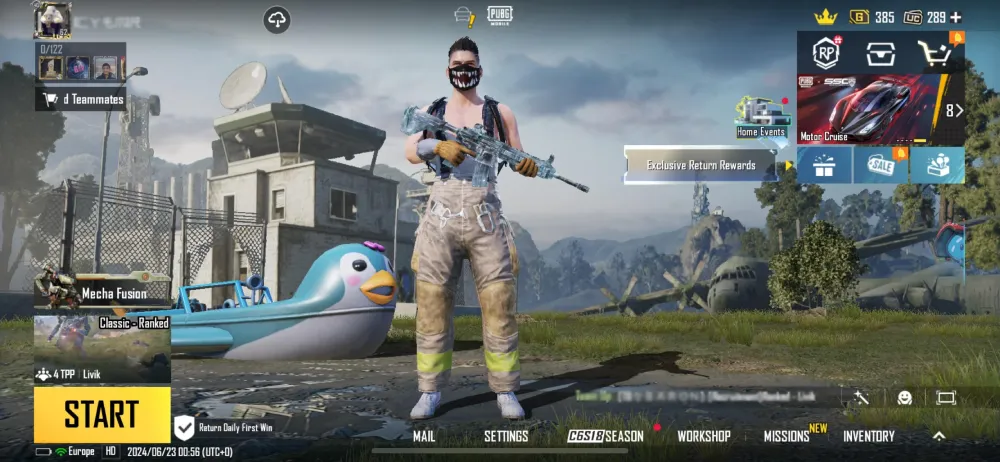
One of the most defining features of PUBG maps is how each battlefield changes the way you play. From the iconic landscapes of Erangel to the snowy terrain of Vikendi and the dynamic features of Taego, every PUBG map requires different strategies, positioning, and weapon choices.
For players looking to gain a competitive edge, understanding the best regions to connect is equally important — guides like Optimal PUBG servers and best regions can help ensure your map knowledge isn’t wasted due to bad latency.
Whether you’re a veteran looking to sharpen your tactics or a beginner learning the ropes, understanding each PlayerUnknown’s Battlegrounds map is crucial. Knowing the rotation schedule, map sizes, and gameplay strategies can make the difference between early elimination and a Chicken Dinner.
This guide will cover all current PUBG maps in 2025, explain how map rotation works, and provide practical strategies to help you adapt.
How many maps are in PUBG in 2025?
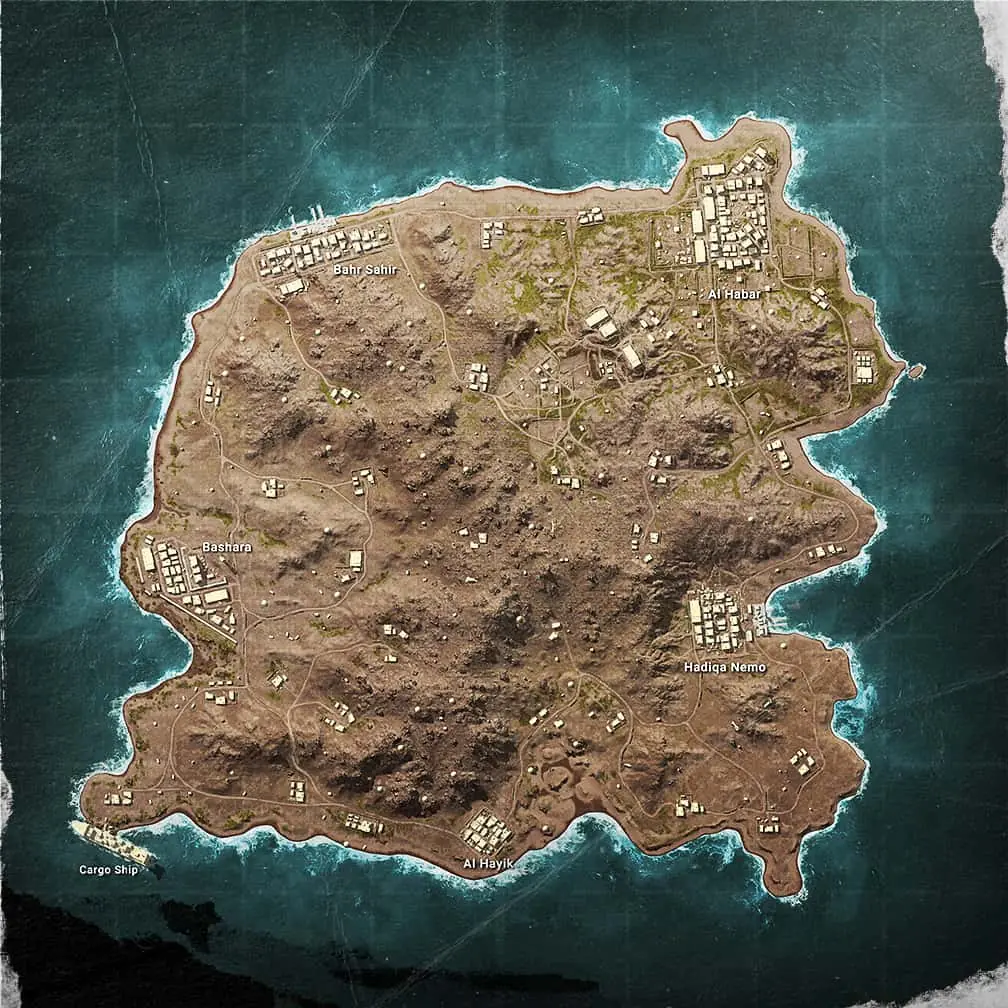
Players often ask: how many PUBG maps are there right now? As of 2025, PUBG features a diverse pool of battlefields, each offering unique terrain and tactical opportunities.
Current list of PUBG maps
- Erangel – The original and most balanced map.
- Miramar – Large desert terrain favoring long-range combat.
- Sanhok – Compact jungle map for high-intensity matches.
- Vikendi – Snowy terrain with reduced visibility.
- Taego – South Korean-inspired 8×8 km map with a revival mechanic.
- Deston – A futuristic urban battlefield with verticality.
- Karakin – Small desert island with destructible walls.
- Haven – Nighttime urban map with tight, high-risk firefights.
- Livik – Mobile-first map, later added to the main pool, featuring varied biomes.
Why the map count matters
- More maps = more variety in playstyles.
- Understanding map availability helps with competitive preparation.
- Certain maps appear more often in ranked rotations.
So, the answer to how many maps are in PUBG in 2025 is: nine core maps, with some appearing more regularly depending on rotation.
The variety of these environments ensures the game remains dynamic and engaging. To stay engaged with the community’s evolving strategies, it’s worth following discussions in the best PUBG Reddit communities, where players share insights on drops, rotations, and balance changes in real time.
PUBG map rotation in 2025
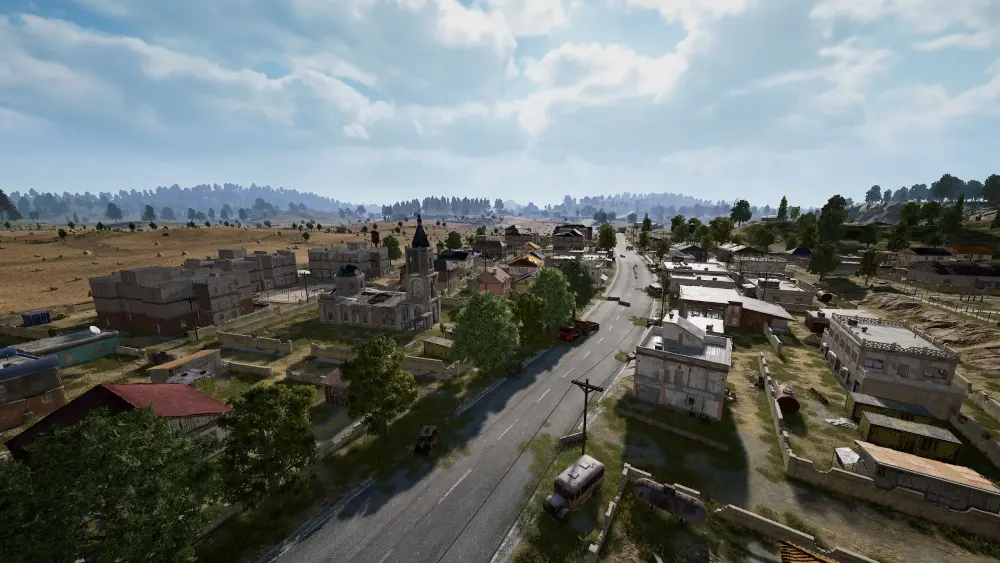
Map rotation keeps gameplay fresh by cycling different battlefields in and out of matchmaking. Many players ask: how does PUBG map rotation work?
How the rotation system works
- Ranked mode: Usually limited to larger, competitive-friendly maps such as Erangel, Miramar, Taego, and Sanhok.
- Casual/normal mode: Includes the full pool of maps, rotated weekly or bi-weekly.
- Event modes: Occasionally feature smaller maps like Karakin or Haven.
Benefits of rotation
- Prevents meta stagnation.
- Keeps players adjusting strategies.
- Highlights different aspects of PUBG combat, from long-range sniping to close-quarters chaos.
For official announcements, always refer to the PUBG news page, where developers update the community on rotation changes and event map availability.
Staying updated on the rotation
To stay prepared, always check the official PUBG blog for the current PUBG map rotation. Developers typically announce changes monthly.
PUBG map sizes and strategies
One of the most common questions players ask is: how big is a PUBG map? The answer depends on which battlefield you’re playing. Size directly impacts your strategy, pacing, and weapon choices.
PUBG map size and strategies (2025)
| Map | Size | Playstyle Focus | Key Strategy Tip |
| Erangel | 8×8 km | Balanced mix | Land central (Pochinki) for versatility |
| Miramar | 8×8 km | Long-range sniping | Prioritize DMRs/Snipers + vehicles |
| Sanhok | 4×4 km | Fast-paced close combat | Use SMGs/Shotguns, stick to cover |
| Vikendi | 6×6 km | Tactical, snowy terrain | Use white camo + mid-range weapons |
| Taego | 8×8 km | Aggressive with revival | Take risks knowing revival exists |
| Deston | 8×8 km | Urban + vertical combat | Use rooftops + parachute mechanics |
| Karakin | 2×2 km | Intense, destructible | Carry explosives, use dynamic walls |
| Haven | 1×1 km | Night urban firefights | Prioritize CQB weapons (SMGs/Shotguns) |
| Livik | 4×4 km | Mixed biomes | Adapt weapon loadouts to terrain |
Tactical insights
- Large maps (8×8): Best for slower-paced, strategic play. Great for snipers and careful rotations.
- Medium maps (6×6, 4×4): Balance of pacing, allowing both close and long-range combat.
- Small maps (2×2, 1×1): Pure chaos. Aggressive players thrive, matches end fast.
By adapting your weapons and rotations to the size of the PUBG map, you’ll increase your survival rate significantly.
Tracking your growth across these maps can be enhanced by using the best PUBG tracker tools, which provide detailed stats on kills, survival rates, and map-specific performance.
PUBG heatmaps and best drop zones
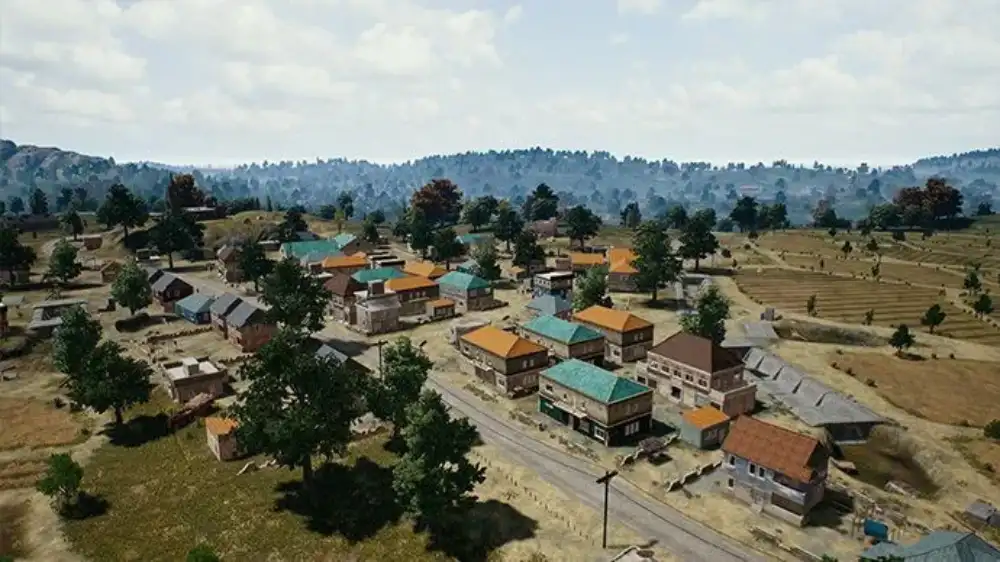
A frequent question from players is: where do most people land in PUBG maps? Heatmaps show player drop data across regions, giving insight into high-risk zones and safer areas.
Livik PUBG heatmap
- Hot drops: Midstein, Blomster, and Iceborg are among the busiest locations.
- Why players land here: Centralized loot, quick fights, and vehicle availability.
- Safer zones: Crabgrass or Waterfall for quieter looting before rotating in.
Haven PUBG map
- Unique traits: Small (1×1 km) nighttime urban map with dense firefights.
- Hot drops: Industrial Complex and Residential are immediate warzones.
- Strategy tip: Stick to rooftops and use vertical play to your advantage.
General drop advice across PUBG maps
- High-risk, high-reward: Military Base (Erangel), Hacienda (Miramar), Bootcamp (Sanhok).
- Balanced drops: Quarry (Erangel), Cosmodrome (Vikendi), Buxley (Taego).
- Low-risk, slower loot: Outer villages, often skipped by aggressive players.
Common hot drops by map
| Map | Hot Drop Location | Why it’s Popular |
| Erangel | Pochinki, School | Central, high loot |
| Miramar | Hacienda, Pecado | Loot-rich, early fights |
| Sanhok | Bootcamp, Paradise | Aggressive close-range fights |
| Vikendi | Castle, Cosmodrome | Unique terrain, loot density |
| Taego | Buxley, Palace | High loot + revive potential |
| Livik | Midstein, Blomster | Central + quick rotations |
| Haven | Industrial Complex | Small map, immediate combat |
Dropping smartly is as important as aim — a good start sets up your entire match.
Are PUBG maps based on real places?
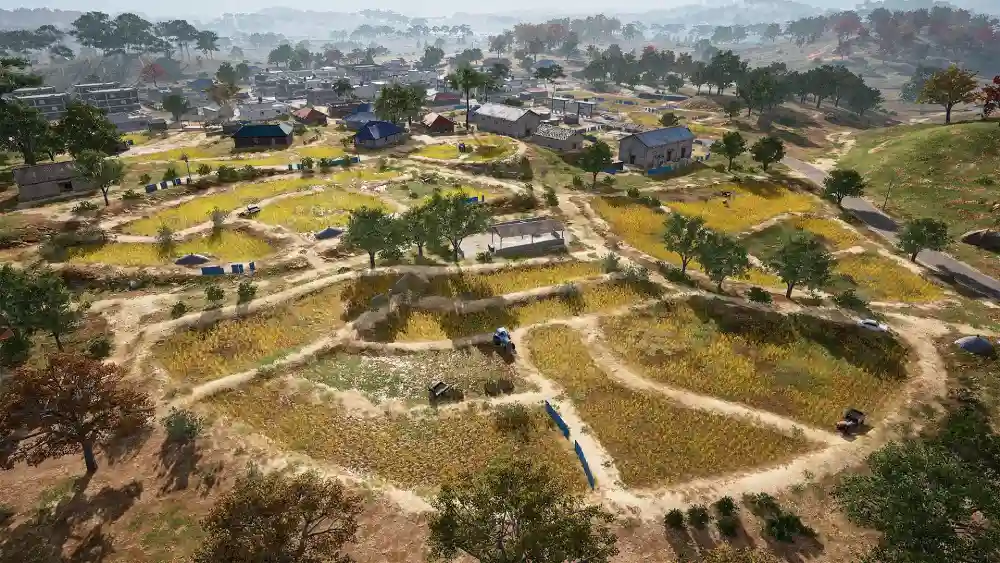
Yes — PUBG maps are inspired by real-world regions, such as Eastern Europe (Erangel), Mexico (Miramar), South Korea (Taego), and alpine Europe (Vikendi). This realism grounds the maps while ensuring variety.
For players who want to explore lore, updates, and new map details, the official PUBG website provides deep dives, patch notes, and developer insights.
Examples of real-world PUBG map inspirations
- Erangel: Inspired by Eastern Europe, with Soviet-style buildings.
- Miramar: Based on northern Mexico, featuring desert terrain and haciendas.
- Vikendi: Modeled after snowy European regions, including alpine villages.
- Taego: Inspired by South Korea, with authentic villages and highways.
- Deston: A futuristic version of American coastal cities.
- Haven: Urban industrial zones inspired by U.S. steel towns.
Why real-world design matters
- Enhances immersion with authentic terrain.
- Makes maps easier to navigate by leveraging familiar landscapes.
- Keeps the game feeling grounded while offering variety.
So, if you’ve ever wondered are PUBG maps based on real places, the answer is yes — they are stylized versions of real environments, adapted for battle royale gameplay.
ExitLag in PUBG: Turning map knowledge into victories
Even if you know every battleground map inside out, performance issues can ruin your match. High ping, jitter, or poor routing often turn a winning fight into instant defeat.
How ExitLag helps on PUBG maps
- Optimized routing: Chooses the fastest path to PUBG servers.
- Reduced latency: Lowers ping, crucial for quick reactions in firefights.
- Stable connection: Avoids packet loss in crowded areas like Bootcamp or Pochinki.
- Multi-route technology: Ensures backup routes if one path fails.
Why this matters for map performance
- In close-range fights (Sanhok, Haven), milliseconds decide outcomes.
- In long-range maps (Miramar, Erangel), smooth bullet registration is critical.
- In chaotic team fights (Taego, Vikendi), stable performance ensures survival.
Dominate every PUBG map with lower latency. Use ExitLag to reduce ping, stabilize your connection, and react first in critical battles. Test it free for 3 days.
Conclusion: Mastering every PUBG map in 2025
Each PUBG map offers its own challenges, from Erangel’s balanced design to Haven’s intense urban warfare. Understanding rotations, map sizes, and drop heatmaps gives you the tactical edge needed to succeed.
But winning isn’t just about map knowledge — it’s also about execution. With ExitLag, you ensure that your skills and strategies aren’t wasted due to lag or unstable routing.
In 2025, mastering PUBG means mastering both the battlefield and your connection.
FAQ: PUBG Maps in 2025
There are currently nine main maps: Erangel, Miramar, Sanhok, Vikendi, Taego, Deston, Karakin, Haven, and Livik.
Maps rotate weekly or bi-weekly. Ranked mode usually includes Erangel, Miramar, Sanhok, and Taego, while casual includes all maps.
Erangel, Miramar, Taego, and Deston are the largest at 8×8 km each.
Rotation changes frequently. Always check the official PUBG blog for the current PUBG map rotation.
Yes. Maps are inspired by real-world locations like Eastern Europe (Erangel), Mexico (Miramar), and South Korea (Taego).
Got questions or want to connect with other players? Join the conversation at the ExitLag Forum!