
The Red Dead Redemption 2 map is one of the most impressive open worlds ever created. It is not just large for the sake of scale. Instead, it feels layered, alive, and carefully built to reward curiosity. Every road, forest, swamp, mountain trail, and abandoned shack can lead to a story, a collectible, a stranger encounter, or a valuable discovery.
Players coming back to the world often do it because the journey feels just as memorable as the destinations. That is part of why a character-focused piece like this look at Arthur Morgan’s role in Red Dead Redemption 2 fits so naturally here, since the map feels richer when you remember how much of the game’s identity is tied to riding through it as Arthur. The world and the character work together in a way few open-world games manage.
In fact, the Red Dead Redemption 2 map stands out because it combines scale with detail in a way few games manage. The map of Red Dead Redemption 2 is packed with towns, wilderness routes, hidden cabins, dynamic events, and secrets tied to exploration. Whether you are chasing Red Dead Redemption 2 treasure maps, looking for the best routes with a Red Dead Redemption 2 collector map, or simply trying to understand the Red Dead Redemption 2 full map, there is always something worth finding.
Rockstar designed this world to feel natural rather than mechanical. Because of that, exploration never feels like checking icons off a list. You may ride toward one destination and end up discovering a crashed wagon, a legendary animal trail, a hidden cave, or a strange cabin filled with lore. That sense of surprise is a huge part of why the game world still feels memorable years after release.
For a more game-structured view of how the world supports missions and progression, the Red Dead Redemption 2 Story page on Rockstar Social Club fits well at this stage. It complements the exploration angle by showing how the map is not just scenery, but the foundation for the story’s movement, mission flow, and regional tension. That balance is a big part of why the frontier feels so alive.
More importantly, the map supports multiple playstyles. Some players focus on missions. Others hunt, collect, fish, track rare items, or complete treasure chains. Many use the Red Dead Redemption 2 map as a giant sandbox for roaming without any fixed objective. That flexibility is what turns the world from a background into a major part of the experience.
What is the Red Dead Redemption 2 map?
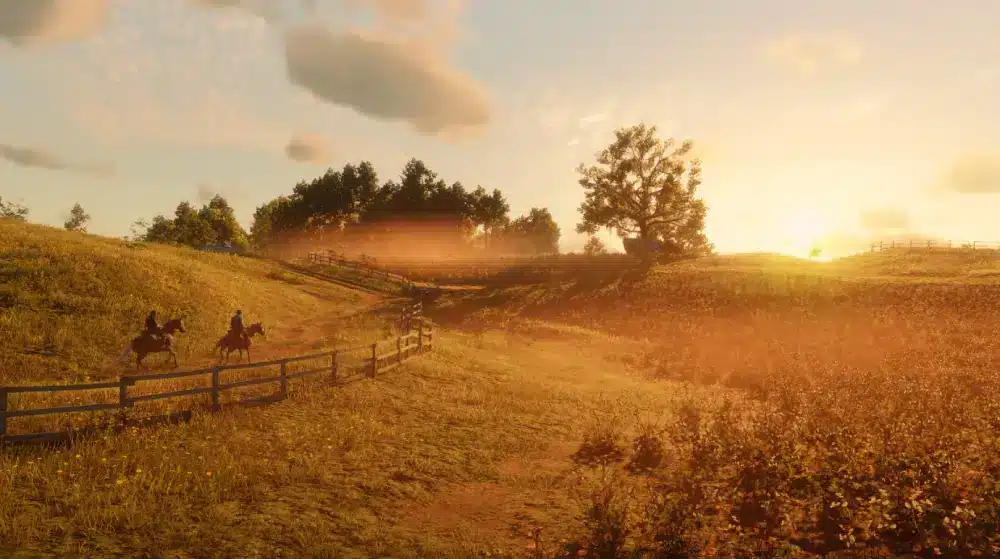
The Red Dead Redemption 2 map is a massive open-world environment set in a fictionalized version of the American frontier during the late 1800s. It includes several major regions, each with its own identity, weather, wildlife, terrain, and atmosphere. Instead of feeling repetitive, each area pushes players to adapt the way they travel, explore, hunt, and fight.
If you want the official baseline for the world, Rockstar’s Red Dead Redemption 2 page is a useful source to keep in mind while reading the map more broadly. It helps ground the setting, tone, and overall presentation before you start breaking the frontier down into routes, regions, and collectible paths. That bigger framing makes the world design easier to appreciate.
At a high level, the world includes:
- Snow-covered mountains
- Open plains and grasslands
- Dense forests
- Industrial towns
- Large cities
- Swampy bayous
- Desert-adjacent frontier spaces
- Lakes, rivers, and railroad lines
That variety matters because the world is built around contrast. Saint Denis feels crowded and modern compared to Valentine. Lemoyne feels humid and politically tense compared to the harsher, more rugged northern areas. Ambarino feels dangerous and isolated. West Elizabeth sits between wild territory and social change.
The result is a map that constantly changes your mood and your priorities. One minute you are hunting in silence. The next, you are in a town dealing with lawmen, shops, strangers, and story-driven tension.
Here are the main strengths of the world design:
- Environmental variety keeps exploration fresh
- Story integration makes locations matter
- Dynamic encounters create memorable surprises
- Hidden content rewards players who slow down
- Collectibles and treasure chains encourage repeated travel
That is why the Red Dead Redemption 2 map is often discussed as more than a world size statistic. It is a design system that supports pacing, immersion, and long-term exploration.
How big is the Red Dead Redemption 2 map?
The Red Dead Redemption 2 map feels enormous, even if you never measure it in strict numbers. What matters more is how the size is used. The game spreads out important content in a way that makes travel feel meaningful. Long rides are not empty. They are filled with random encounters, wildlife activity, weather changes, ambushes, and side discoveries.
Before getting into regions, it helps to understand why the scale works so well:
- Distances create realism
- Different biomes break repetition
- Roads and railways guide organic travel
- Hidden locations reward off-road exploration
- Side content gives every route purpose
Compared to older Rockstar titles, this world feels denser. The original Red Dead Redemption had a strong frontier atmosphere, but the sequel adds more verticality, environmental storytelling, and regional contrast. That makes the Red Dead Redemption 2 full map feel richer rather than simply bigger.
Major regions across the map
The world is broadly divided into several major areas:
| Region | Key identity | What to expect |
| Ambarino | Snowy, remote, dangerous | Mountains, wolves, isolation, harsh weather |
| New Hanover | Balanced frontier space | Open land, Valentine, forests, railroads |
| Lemoyne | Humid and politically charged | Rhodes, Saint Denis, swamps, plantations |
| West Elizabeth | Scenic and transitional | Forests, plains, Blackwater area |
| New Austin | Frontier throwback | Dry terrain, classic western feeling |
Each region changes how you interact with the world. In colder areas, visibility and terrain become more challenging. In swamps, the atmosphere feels tense and eerie. In busy towns, you are more likely to interact with shops, bounty systems, and law enforcement.
Why the map feels larger than it looks
The world feels especially large because it avoids feeling gamey. Travel includes:
- Curved roads rather than straight lines
- Elevation changes
- Weather interruptions
- River crossings
- Animal encounters
- Hidden landmarks
So even when you know the destination, the journey still has weight. That is why the Red Dead Redemption 2 map continues to feel rewarding after dozens of hours.
What are the best locations to visit on the Red Dead Redemption 2 map?
The best locations are not all marked by the story. Some are famous because of missions, while others become memorable because of mood, loot, or mystery. If you want to get the most from the Red Dead Redemption 2 map, you should balance major towns with hidden stops.
First, the essential towns and hubs include:
- Saint Denis for urban density, shops, culture, and unique atmosphere
- Valentine for classic frontier energy and easy early-game access
- Rhodes for regional tension and major story importance
- Blackwater for backstory weight and future relevance
- Strawberry for a quieter but scenic mountain-edge town
These places are useful for supplies, side activities, and immersion. However, the map becomes truly special when you move beyond settlements.
Hidden areas worth exploring
Many players remember the Red Dead Redemption 2 map because of its secretive side. Some hidden or unusual areas include:
- Isolated cabins with eerie stories
- Caves containing rare items
- Shipwrecks and ruined camps
- Strange points of interest tied to lore
- Remote lakes and hunting grounds
- Abandoned structures with environmental storytelling
Some standout examples are:
- O’Creagh’s Run for fishing, scenery, and quiet exploration
- Cotorra Springs for its striking look and memorable atmosphere
- Strange Man’s Cabin for mystery and fan discussion
- Swamp shacks in Bayou Nwa for unsettling discoveries
- Remote mountain caves for treasure-hunting routes
These places matter because they break the rhythm of predictable exploration. You are not just moving between missions. You are uncovering fragments of a world that feels older, stranger, and more haunted than the main story alone suggests.
Special exploration categories
The world is also filled with content types that turn travel into a checklist of meaningful discoveries:
- Dinosaur bones
- Rock carvings
- Dreamcatchers
- Cigarette cards
- Legendary animals
- Treasure chains
- Stranger mission locations
This is where terms like Red Dead Redemption 2 map collector, Red Dead Redemption 2 legendary animals map, Red Dead Redemption 2 treasure map, and Red Dead Redemption 2 collector map become especially useful. Players often use map-based planning to avoid wasting time and to connect several objectives in a single route.
Red Dead Redemption 2 treasure maps and collectible routes
Treasure hunting is one of the most rewarding uses of the Red Dead Redemption 2 map. It combines travel, puzzle-solving, and progression. Instead of simply looting obvious chests, you follow visual clues and regional hints that encourage careful reading of landmarks.
That is why Red Dead Redemption 2 treasure maps remain popular. They turn the world itself into the puzzle.
Some of the best-known treasure chains include:
- Jack Hall Gang
- High Stakes
- Poisonous Trail
- Landmarks of Riches
Each one sends you across multiple regions. As a result, treasure hunting becomes one of the best ways to appreciate the Red Dead Redemption 2 full map.
How treasure map progression works
Most treasure hunts follow a similar pattern:
- Find or earn the first map
- Study the visual clues
- Identify a landform, rock shape, ruin, or overlook
- Travel to the correct region
- Claim the next clue or final reward
This is where players often search specifically for Red Dead Redemption treasure map 2 or Red Dead Redemption 2 jack hall gang map 1, because each stage of the chain builds on the last one.
Best tips for treasure hunting
Use these tips to make treasure routes smoother:
- Visit nearby points of interest while traveling
- Bring enough supplies for long rides
- Study elevation on cliffside clues
- Check unusual rock formations carefully
- Search caves and ledges, not just open ground
- Pair treasure runs with hunting or collectible tasks
Treasure routes are also one of the best arguments for using a Red Dead Redemption 2 collector map mindset. Even if you are not following an external tracker, planning a route around multiple goals saves time and makes each ride more productive.
For players deciding where to experience all of this exploration, platform choice can shape how the map feels over long sessions. This guide on Red Dead Redemption 2 and the PS5 experience works well here because it adds context on how modern hardware changes the feel of travel, performance, and moment-to-moment immersion across such a large world. That matters when the map itself is one of the main reasons to play.
How does the map compare to previous Red Dead games?
The Red Dead Redemption 2 map improves on previous entries in several important ways. It is not just a larger version of what came before. It adds more density, realism, and environmental storytelling.
Here is a quick comparison:
| Feature | Red Dead Redemption 2 | Red Dead Redemption |
| Scale | Larger and more regionally diverse | Smaller overall footprint |
| Detail | Much richer environmental detail | Strong atmosphere, less depth |
| Wildlife | More dynamic and reactive | More limited ecosystem behavior |
| Exploration | More secrets, collectibles, and side events | Simpler side exploration |
| Town variety | Greater contrast between settlements | Fewer dramatically different hubs |
| Map design | Stronger narrative and geographic layering | More straightforward frontier structure |
The original game still has a powerful western identity. However, the sequel turns the world into a more dynamic experience. Locations feel more lived in. Roads feel less like connectors and more like content spaces. Regions feel socially and politically distinct.
What changed the most?
The biggest upgrades are:
- More believable ecosystems
- More hidden interactions
- Better use of travel time
- More vertical exploration
- Stronger connection between map and story
Why that matters for players
These changes make the Red Dead Redemption 2 map better for both casual roaming and completion-focused play. Whether you are looking for Red Dead Redemption 2 treasure maps, rare wildlife, or the best scenic rides, the world gives you more reasons to keep exploring.
Why ExitLag matters when exploring the Red Dead Redemption 2 map
Exploring a huge world feels best when performance and connection issues do not interrupt the experience. That is where ExitLag becomes relevant. Even in a game centered on exploration, lag, stuttering tied to unstable routing, and connection inconsistency can hurt immersion, especially in online-related sessions or when your network conditions fluctuate.
ExitLag helps optimize traffic routes between your device and game servers. In practice, that can support smoother responsiveness, more stable performance, and fewer frustrating spikes that break the rhythm of travel or combat. When you are crossing the Red Dead Redemption 2 map, tracking collectibles, or managing activities that rely on a steady connection environment, consistency matters.
There are a few clear benefits:
- More stable routing
- Lower chance of sudden connection drops
- Better responsiveness during active gameplay
- Smoother overall online experience
- Less frustration during long sessions
That makes ExitLag a strong companion for players who want a cleaner experience while exploring the Red Dead Redemption 2 map. If your goal is to focus on discovery instead of network instability, it is a practical solution worth considering.
How to explore the map more efficiently
A world this large can feel overwhelming at first. The best approach is to explore with intention without becoming too rigid. You want structure, but you also want room for surprise.
A smart exploration routine usually looks like this:
- Pick one major region at a time
- Mark nearby collectibles or treasure clues
- Restock before long rides
- Hunt or gather while traveling
- Investigate unusual structures immediately
- Revisit regions later for missed content
Best habits for completion-focused players
Some players also like to experiment while roaming, testing unusual encounters or just creating chaos between treasure runs and long rides. In that kind of sandbox mindset, a reference like this Red Dead Redemption 2 cheats guide makes sense because it connects naturally to the game’s freer, less structured side. Exploration is not always about efficiency; sometimes it is about seeing what the world lets you do.
If you are trying to clear more of the world, focus on these habits:
Use route stacking
Do not chase one objective at a time across the entire map. Instead, combine:
- Treasure clues
- Hunting targets
- Stranger missions
- Collectibles
- Town errands
That makes the map of Red Dead Redemption 2 far easier to manage.
Learn regional patterns
Different regions support different goals better. For example:
- Swamps are great for eerie encounters and unique atmosphere
- Mountain areas support hunting and remote exploration
- Central routes around Valentine are ideal for early efficient travel
- Saint Denis is best for urban interactions and commerce
FAQ
The Red Dead Redemption 2 map is significantly larger in feel and in usable diversity. It includes more biomes, more detailed settlements, more hidden content, and more layered exploration routes than the original Red Dead Redemption.
Many players rank the Jack Hall Gang line among the best because it is accessible, memorable, and rewarding. Searches for Red Dead Redemption 2 jack hall gang map 1 remain common because that treasure chain introduces players to how map-based clue hunting works.
Yes. The game places bones, carvings, dreamcatchers, cards, treasure clues, and legendary animal locations across many regions. That is why players often rely on a Red Dead Redemption 2 collector map approach to plan efficient routes.
Legendary animals appear in specific wilderness zones across the world. Many players use a Red Dead Redemption 2 legendary animals map to track them efficiently and avoid repeated travel through the same regions.
Absolutely. Some of the best moments in the game come from going off-road. Hidden cabins, strange encounters, environmental stories, and valuable discoveries often sit far away from the main missions.
Yes. ExitLag can help improve route stability and reduce frustrating connection inconsistencies, which is useful for players who want a smoother overall experience while exploring and playing.
Final thoughts on the Red Dead Redemption 2 map
The Red Dead Redemption 2 map is not memorable just because it is big. It is memorable because it constantly rewards attention. The world supports treasure hunts, scenic exploration, rare encounters, legendary hunts, collectibles, and story immersion without ever feeling flat. From town streets to remote mountain ledges, the Red Dead Redemption 2 map keeps offering reasons to look closer.
Better yet, the Red Dead Redemption 2 map works for every kind of player. You can treat it like a completionist challenge, a hunting ground, a treasure puzzle, or a place to get lost for hours. The Red Dead Redemption 2 treasure maps, the Red Dead Redemption 2 collector map mindset, the Red Dead Redemption 2 full map scale, and even specific searches like Red Dead Redemption treasure map 2 all point to the same truth: this world is built to be explored slowly and deeply.
If you want a smoother ride while discovering every secret, treasure trail, and hidden route, try ExitLag and make your next journey across the frontier feel more stable, responsive, and immersive.
Got questions or want to connect with other players? Join the conversation at the ExitLag Forum!