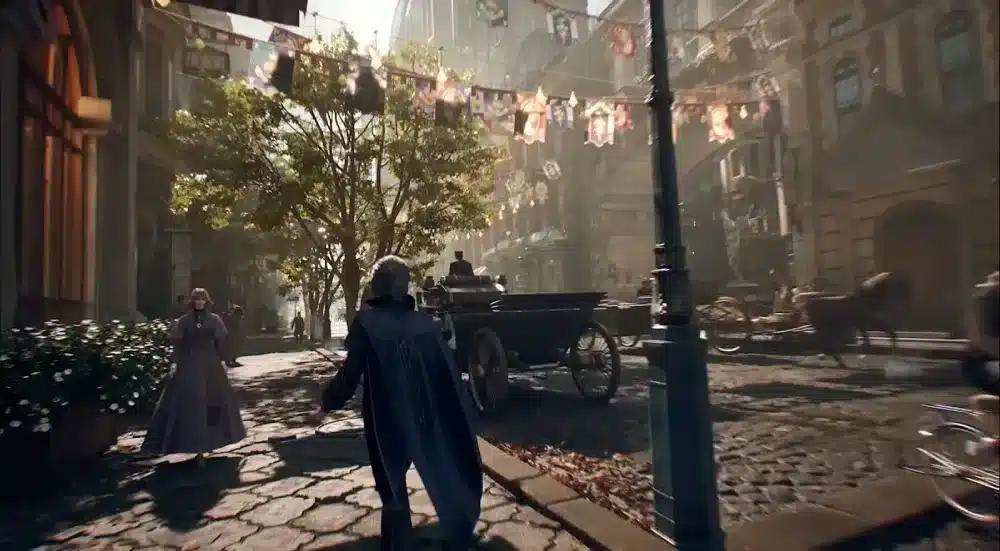
Roleplaying games have fascinated players for decades because they allow you to step into another identity and live a completely different adventure. From medieval fantasy worlds to futuristic galaxies, these games combine storytelling, exploration, and decision-making in ways few genres can match.
Today, roleplaying games dominate the gaming landscape. Massive open worlds, complex rpg mechanics, and deep character development systems make them some of the most immersive experiences available. First of all, whether you enjoy story-driven quests or multiplayer adventures, RPG experiences offer nearly endless possibilities. And before we continue, know that to know more about all the relevant content about gaming, you just have to check our blog.
What are roleplaying games?
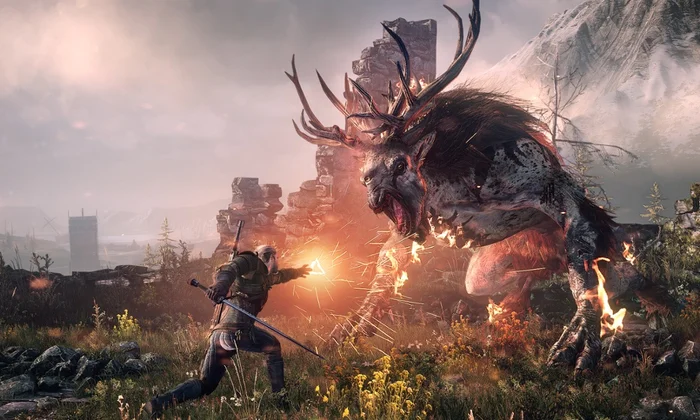
In simple terms, roleplaying games are interactive experiences where players control characters inside a fictional narrative. Unlike traditional action titles, roleplaying games focus heavily on progression, decision making, and long-term character development, allowing players to shape the outcome of the story.
Now, roleplaying games exist in many formats. Some are massive digital worlds with thousands of players, while others are classic tabletop rpg adventures played with dice and imagination. Despite the format, the core idea remains the same: players influence a story through the actions of their characters.
What makes roleplaying games so immersive?
First of all, immersion is the main reason players keep returning to roleplaying adventures. Unlike fast arcade games, roleplaying games place players inside living worlds filled with lore, characters, and long narrative arcs.
Developers design these worlds to react to player choices. As a result, players feel that their decisions matter, which strengthens engagement and emotional connection to the story.
Story and worldbuilding
One key element of rpg games is storytelling. Large worlds are filled with side quests, character interactions, and secrets waiting to be discovered.
Important storytelling features include:
- Branching dialogue choices
- Dynamic story outcomes
- Hidden lore across the world
- Memorable companions and rivals
These systems make role playing games feel more like interactive novels than traditional games.
You may also like: Lag spikes: how to reduce lag in online game for a smoother experience
Character progression systems
Another defining feature is deep character development. Players start with a basic character and gradually unlock new abilities, equipment, and skills.
Typical progression systems include:
- Skill trees and perks
- Customizable armor and weapons
- Leveling systems
- Class specialization
Because of this progression, players often invest dozens or even hundreds of hours in roleplaying games.
Types of roleplaying games players can explore
Although the genre shares core mechanics, several different formats exist. Each style offers its own way to experience storytelling and exploration.
Tabletop adventures
Traditional tabletop rpg games rely on imagination rather than graphics. Players gather around a table while a game master narrates the story and controls the world.
These games emphasize creativity and social interaction. Popular examples include fantasy campaigns, science-fiction adventures, and mystery investigations.
Digital RPG experiences
Modern rpg games bring the genre to life through graphics, voice acting, and massive environments.
Digital RPGs usually include:
- character creation systems
- branching story paths
- open-world exploration
- loot and equipment progression
As a result, video game role playing games can deliver cinematic experiences that rival films or television series.
Five roleplaying games that defined the genre
Many titles shaped the RPG genre, influencing design choices across the industry. The following games represent some of the most respected modern RPG experiences.
| Game | Platform | Key feature | Multiplayer |
| The Witcher 3 | PC, PlayStation, Xbox, Switch | Story driven open world | No |
| Elden Ring | PC, PlayStation, Xbox | Challenging exploration | Optional |
| Final Fantasy XIV | PC, PlayStation | Massive online world | Yes |
| Divinity Original Sin 2 | PC, PlayStation, Xbox | Tactical combat | Yes |
| Genshin Impact | PC, Console, Mobile | Anime inspired exploration | Yes |
Each of these roleplaying games stands out for a different reason. Some focus on storytelling, others emphasize exploration or cooperative gameplay.
For example, The Witcher 3 became famous for its branching narrative and moral choices. Meanwhile, Elden Ring introduced players to an unforgiving world full of secrets and powerful enemies. Similarly, Final Fantasy XIV represents the social side of rpg games, allowing thousands of players to explore the same universe together.
Why roleplaying games remain one of gaming’s biggest genres
Above all, the popularity of roleplaying games continues to grow because the genre constantly evolves. Developers experiment with new mechanics, richer narratives, and increasingly detailed worlds.
Even more, modern RPGs combine features from multiple genres. Open-world exploration, survival mechanics, and cooperative multiplayer now appear in many modern role playing games.
Another reason is the flexibility of rpg mechanics. Systems like crafting, skill trees, and dialogue choices can adapt to many different settings, from fantasy kingdoms to futuristic space colonies.
Finally, players love the sense of ownership that comes from shaping their character’s journey. That personal connection is exactly what makes roleplaying games so powerful and memorable.
Roleplaying games mechanics, progression systems and online worlds
Roleplaying games continue evolving because they combine storytelling, exploration, and progression systems into a single experience. While many genres rely on quick action, roleplaying games focus on long‑term engagement and deep world interaction.
In many modern roleplaying games, players spend dozens of hours improving their characters, discovering hidden locations, and shaping the story through meaningful choices. These design philosophies transformed rpg games into one of the most influential genres in gaming history.
At their core, roleplaying games rely on progression systems, strategic combat, and strong character development. Players build their abilities over time while exploring large environments filled with quests, enemies, and allies.
Even more, the best roleplaying games reward curiosity. Players who explore every corner of the world often discover rare items, hidden quests, or powerful upgrades.
Check this: Ping for Gaming: what’s slowing your sessions and how to prevent
How rpg mechanics shape roleplaying games
First of all, the core of roleplaying games lies in their rpg mechanics. These systems determine how players level up, fight enemies, and customize their characters.
Game designers carefully balance these mechanics to create a sense of progression and achievement. When players unlock new abilities, they feel their character becoming stronger and more capable.
Core RPG systems
Most rpg games rely on several fundamental systems that define the gameplay loop.
Key mechanics include:
- Experience points and leveling systems
- Skill trees and ability upgrades
- Inventory management and loot
- Crafting and equipment customization
Together, these systems form the backbone of many successful role playing games.
Strategic combat design
Combat in roleplaying games varies widely. Some titles use real‑time action systems, while others rely on turn‑based strategy.
For example, tactical games like Divinity Original Sin 2 emphasize positioning and environmental interaction. Meanwhile, action‑focused RPGs such as Elden Ring demand precise timing and reflexes.
How multiplayer transformed roleplaying games
While early RPGs focused on single‑player storytelling, modern roleplaying games increasingly incorporate online systems.
Massively multiplayer RPGs, often called MMORPGs, allow thousands of players to interact inside the same virtual world. These games create living economies, guild systems, and cooperative raids.
Social systems in online RPGs
Online rpg games often emphasize collaboration and teamwork.
Common multiplayer activities include:
- Cooperative dungeon runs
- Large scale raids against bosses
- Player driven trading markets
- Guild events and community competitions
Because of these features, MMORPGs remain some of the most socially engaging role playing games available today.
Player progression in online worlds
Multiplayer RPGs typically follow a progression cycle that encourages long‑term play.
- complete story quests and missions
- collect gear upgrades
- improve character development through abilities
- challenge stronger enemies and raids
This loop keeps players invested for months or even years.
Popular RPG progression systems
Another key aspect of roleplaying games is progression design. The following table shows common systems used in modern RPGs.
| System | Purpose | Example |
| Leveling | Improves character stats | Experience points |
| Skill trees | Unlock new abilities | Combat skills |
| Gear upgrades | Increase power | Weapons and armor |
| Crafting | Create items | Potions and equipment |
These systems combine to create meaningful growth within roleplaying games, ensuring players feel stronger as they progress. You should check more games compatible with ExitLag at our official games page.
Frequently Asked Questions (FAQ)
What are roleplaying games?
Roleplaying games are interactive experiences where players control characters within a fictional narrative world. Instead of simply completing levels, players develop characters, make story decisions, and explore large environments filled with quests and challenges.
What is the difference between rpg games and role playing games?
The terms usually mean the same thing. "RPG" is simply the abbreviation of role‑playing game. Both refer to games focused on progression systems, storytelling, exploration, and character customization.
Are tabletop rpg games still popular?
Yes. Traditional tabletop rpg games remain extremely popular because they emphasize imagination and social interaction. Many modern RPG video games were actually inspired by tabletop systems such as dice‑based mechanics and narrative storytelling.
Why do players enjoy roleplaying games so much?
Players enjoy roleplaying games because they offer freedom and creativity. Instead of following a strict path, players shape their own stories, build unique characters, and experience worlds that evolve based on their decisions. Check also: What is Packet Loss? Understanding and Fixing It
In conclusion
Ultimately, roleplaying games remain one of the most influential genres in gaming because they combine storytelling, exploration, and progression into a single experience. Players are not just completing missions — they are living inside dynamic worlds.
However, smooth gameplay is essential for enjoying online roleplaying games. Lag can interrupt combat, delay abilities, and ruin cooperative missions.
That is why many players rely on ExitLag. The platform optimizes your connection routes, reduces latency, and stabilizes network performance so you can fully enjoy your RPG adventures.
If you want the best possible experience in online RPG worlds, downloading ExitLag can make a huge difference in performance and responsiveness while playing roleplaying games. Download ExitLag now!