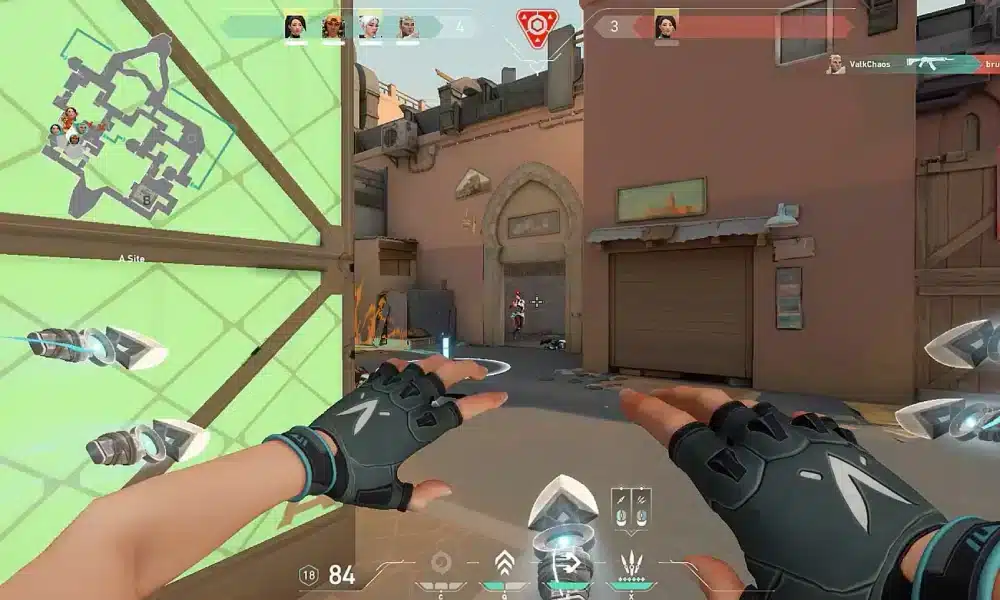
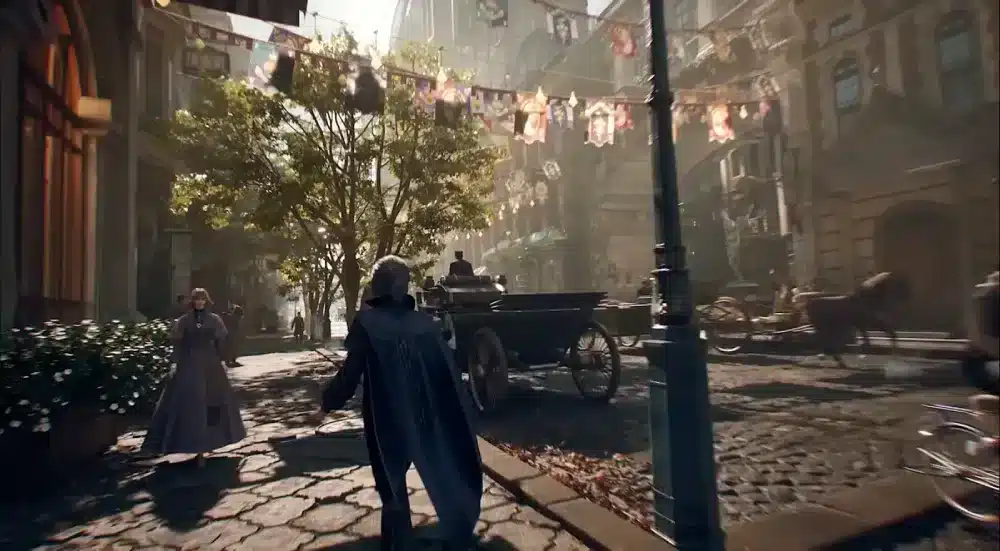
A tactical RPG combines character progression, party building, equipment, and narrative choices with battles that reward positioning and long-term planning. Instead of relying only on reflexes, players must understand movement ranges, terrain, turn order, enemy behavior, and the strengths of every unit on the field.
Connection problems can still interrupt a tactical RPG when it includes online co-op, multiplayer battles, cloud gaming, or remote play. Learning the common causes of lag spikes helps separate network instability from slow animations, demanding graphics, or deliberate pauses created by the combat system.
The tactical RPG genre is broader than a single grid or combat format. Many famous games use turn-based battles on square or isometric maps, but others experiment with free movement, real-time phases, simultaneous actions, or hybrid systems while preserving character growth and tactical decision-making.
What is a tactical RPG?
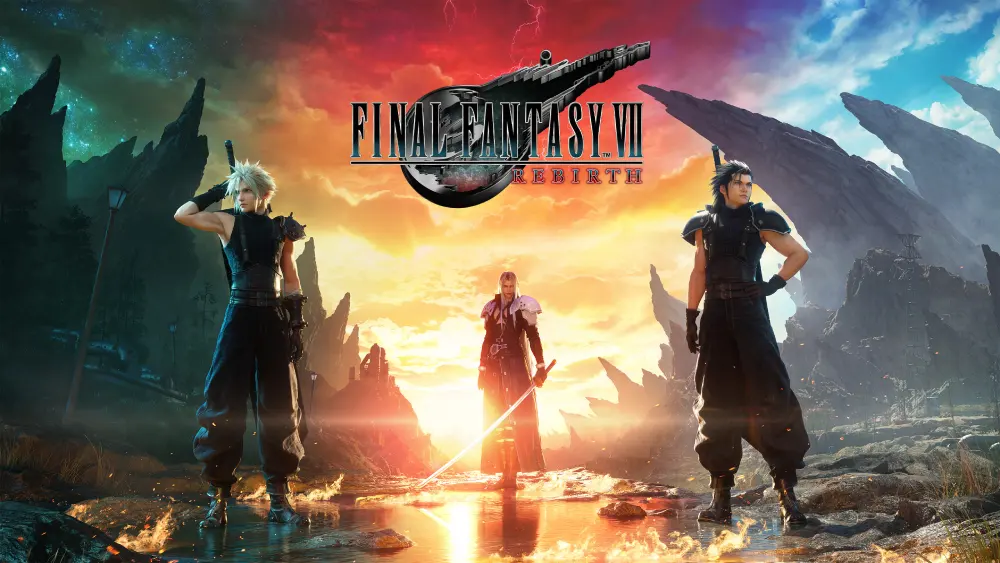
A tactical RPG is a role-playing game in which combat is structured around small-scale tactical decisions. The player usually controls a party or squad, develops individual characters between missions, and enters battles where positioning matters as much as statistics.
The genre is also called a strategy RPG or simulation RPG in some communities. However, labels can overlap. A game may sit between tactical role-playing, squad tactics, computer RPGs, and broader strategy design without fitting perfectly into one category.
The defining role-playing elements
Character development separates the genre from a pure tactics game. Units normally gain experience, learn abilities, equip weapons, change classes, build relationships, or receive permanent upgrades as the campaign progresses.
That progression creates continuity. A soldier is not merely a disposable piece on a board. The player remembers the archer who survived a difficult mission, the healer who unlocked a decisive ability, or the recruit who eventually became the strongest unit in the team.
A strong tactical battle system connects these RPG systems to battlefield decisions. A new skill should create additional options rather than functioning only as a larger damage number. For example, a teleport ability may open flanking routes, while a defensive reaction can protect a vulnerable ally.
Narrative is also important, although its role varies. Fire Emblem: Three Houses emphasizes relationships and political conflict, Tactics Ogre: Reborn connects choices to branching events, and Final Fantasy Tactics places personal struggles inside a larger story about class, power, and war.
The defining tactical elements
Tactical combat focuses on local decisions within a battle. Players consider where to move, which target to pressure, when to spend a limited resource, and how to prevent the enemy from controlling important areas.
Common mechanics include:
- Square, hexagonal, or free-movement battlefields;
- Turn order or initiative systems;
- Attack ranges and movement limits;
- Terrain, elevation, cover, or environmental hazards;
- Character classes and specialized battlefield roles;
- Status effects, cooldowns, mana, ammunition, or action points;
- Mission objectives beyond defeating every enemy;
- Permanent or temporary consequences for defeated units.
Many turn based strategy games use some of these systems without being RPGs. The key difference is that a tactical role-playing game usually attaches those decisions to persistent characters, builds, equipment, and campaign progression.
Does every tactical RPG use a grid?
No. Grids are common because they communicate distance, movement, and range clearly, but they are not mandatory. Valkyria Chronicles 4 allows characters to move more freely during their actions, while Unicorn Overlord centers much of its strategy on squad composition, deployment, and automated encounters.
Even traditional grid games can use different rules. Some allow units to act in any order during the player phase. Others calculate initiative individually, alternate entire teams, or let actions change the upcoming turn sequence.
This flexibility is why the genre should not be reduced to “chess with levels.” A tactical strategy RPG can emphasize spatial puzzles, character builds, resource attrition, political choices, procedural campaigns, or combinations of these ideas.
Players also use genre terms differently. A search for role playing games turn based may include traditional party RPGs such as classic Dragon Quest titles, even though those games do not always place units on a tactical battlefield.
How does a tactical battle system work?
A tactical battle system transforms a combat encounter into a sequence of meaningful choices. The player reads the battlefield, predicts enemy actions, assigns roles, and decides how much risk to accept before committing each move.
The exact rules change from game to game. Still, most systems create tension by limiting what a unit can accomplish during one activation and by making position difficult or costly to reverse.
Movement, range, and terrain
Movement determines which options are available. Advancing too far may expose a damage dealer, while staying back may surrender an objective or allow reinforcements to arrive.
Range adds another layer. Archers, mages, firearms, healing spells, and support abilities may each operate at different distances. A good formation keeps useful targets within reach while denying the enemy an easy attack.
Terrain can affect defense, accuracy, visibility, movement cost, or line of sight. High ground may expand range in one game, while cover may reduce incoming accuracy in another. Environmental effects can also create fire, poison, ice, smoke, or destructible obstacles.
When a game feels delayed or unresponsive online, it is important to understand what lagging means and how to diagnose it before blaming the tactical battle system. Turn animations and confirmation phases may be intentional, while unstable network responses usually appear as delayed commands, disconnections, rubber-banding in free-movement sections, or synchronization errors.
Action economy and turn order
Action economy describes how much a team can accomplish before the opponent responds. A unit may receive one action, separate movement and attack phases, a pool of action points, or bonus actions triggered by specific conditions.
Efficient turns do not always mean attacking as many times as possible. Moving to cover, guarding an ally, preparing an overwatch shot, applying a status effect, or delaying an activation can produce more value than immediate damage.
Turn order changes how players plan. In Fire Emblem-style systems, the entire player side may move before the enemy phase. In initiative-based systems, allies and enemies act in an interwoven sequence. Some games allow players to manipulate that order by increasing speed, stunning enemies, or spending resources.
The best turn based strategy games make this information readable. Players should know which enemies can reach a tile, what an ability costs, and what consequences are likely before confirming a move.
Classes, builds, and team synergy
A team becomes effective when its members create options for one another. A tank can control a narrow passage, a support unit can increase movement, and a ranged attacker can exploit the opening created by both.
Traditional roles such as tank, healer, and damage dealer may appear, but many tactical games use more specialized functions:
- Scouts reveal threats or reach objectives quickly;
- Controllers move enemies or restrict areas;
- Debuffers reduce armor, accuracy, speed, or resistance;
- Summoners create temporary units;
- Engineers deploy traps, turrets, or cover;
- Leaders provide passive bonuses or extra commands;
- Hybrid units change roles according to equipment or stance.
A deep tactical strategy RPG rewards flexible teams rather than one universal solution. The ideal party for a defensive mission may perform poorly in a timed rescue or a map filled with flying enemies.
Progression should support experimentation, but excessive grinding can weaken the tactical challenge. When raw levels solve every problem, positioning and synergy become less important.
Online features add another variable. Players can learn how to run a network ping test and compare results over time before blaming the combat rules. One low result does not prove that a connection is stable; variation, packet loss, and route changes can matter during longer sessions.
A turn-based game may hide minor latency better than an action game because players do not need frame-perfect reactions. However, unstable connections can still interrupt multiplayer turns, delay synchronization, disconnect a co-op session, or reduce cloud-streaming quality.
What is the difference between tactical RPGs and turn-based RPGs?
All tactical RPGs contain role-playing elements, but not every turn-based RPG is tactical in the same way. The distinction depends less on whether characters wait for turns and more on what information the battlefield asks the player to manage.
Traditional turn-based RPGs often organize allies and enemies into opposing groups. Tactical RPGs usually make space itself part of the rules through movement, range, cover, zones of control, elevation, or objectives located across a map.
Tactical RPG versus traditional turn-based RPG
In a traditional turn-based RPG, players may choose attacks, spells, items, and defensive actions from a menu. Position can matter, but movement across a battle map is not always central.
In a tactical RPG, the same ability may be strong or useless depending on where the character stands. A fire spell might hit several enemies only if they are grouped together, while a melee unit may need two turns to cross difficult terrain.
This is why searches for role playing games turn based return a much wider group of games than searches for tactical RPGs. Pokémon, Persona, and many Dragon Quest games are turn-based RPGs, but their standard battles do not use the same map-focused structure as Final Fantasy Tactics or Tactics Ogre.
The categories can still overlap. Baldur’s Gate 3 and Divinity: Original Sin 2 use turn-based encounters with movement, elevation, surfaces, and environmental interactions, although they are usually described first as computer RPGs rather than traditional strategy RPGs.
Tactical RPG versus turn-based strategy
Turn-based strategy often operates at a larger scale. The player may manage cities, economies, research, diplomacy, production, or entire armies across a campaign map. Individual units can improve, but character-centered progression is not always the main focus.
A tactical strategy RPG usually narrows attention to a persistent squad. Decisions about equipment, classes, relationships, and individual growth remain important between missions.
The border is not absolute. XCOM 2 includes strategic base management and tactical missions while giving soldiers classes, abilities, equipment, and personal history. Many players therefore place it beside tactical RPGs, even when they consider it primarily a turn-based tactics game.
The following comparison helps clarify the emphasis:
| Feature | Tactical RPG | Traditional turn-based RPG | Turn-based strategy |
| Main scale | Party or squad | Party against enemy group | Armies, factions, or empires |
| Positioning | Usually central | Sometimes limited | Varies by strategic layer |
| Character progression | Central | Central | Optional or secondary |
| Persistent named units | Common | Common | Not always required |
| Campaign management | Light to moderate | Narrative and exploration focused | Often extensive |
| Typical battle goal | Tactical objective | Defeat the opposing group | Tactical or strategic control |
Tactical RPG versus real-time strategy
Real-time strategy games continue while the player makes decisions. Speed, simultaneous management, production, and rapid adaptation may matter as much as long-term planning.
Most iconic turn based strategy games pause the opposing side during a player’s decision window, although timers and simultaneous turns can create pressure. Tactical RPGs generally provide time to inspect skills, calculate movement, and compare outcomes.
However, some strategy RPGs use real-time or hybrid structures. This is another reason not to define the genre exclusively by turns. The RPG progression and tactical control can remain intact even when units act continuously or execute previously configured behaviors.
For a broader historical overview, the definition and development of tactical role-playing games shows how the genre grew from role-playing systems, wargames, and tactical strategy traditions. The terminology has changed across regions, platforms, and gaming communities.
What are the best tactical RPG games for beginners?
The best starting point depends on how much complexity a player wants. Some games teach positioning through small, readable maps. Others introduce many classes, statistics, and branching systems almost immediately.
Beginners should prioritize clear information, forgiving difficulty options, and missions that demonstrate one concept at a time. A famous classic is not automatically the easiest introduction.
Approachable games that teach the basics
Mario + Rabbids: Sparks of Hope is accessible because it presents movement, team abilities, and environmental positioning with clear visual language. Its free-movement approach also shows that a tactical battle system does not need a visible grid.
Fire Emblem: Three Houses gives players a recognizable turn structure and strong character motivation. Its social and training systems add complexity, but difficulty options make it possible to learn formation, attack ranges, and unit roles gradually.
Triangle Strategy is useful for players who enjoy dialogue and political decisions alongside carefully designed maps. It emphasizes elevation, directional attacks, turn order, and the consequences of moving units away from support.
Tactical Breach Wizards uses compact encounters with readable abilities and the option to rewind decisions during its puzzle-like battles. It teaches players to test combinations instead of treating every mistake as permanent failure.
Deeper games for players who want long campaigns
Final Fantasy Tactics remains foundational because of its flexible job system and layered battles. However, new players should expect older design conventions and a learning curve that can punish weak preparation.
Tactics Ogre: Reborn combines team management, branching narrative choices, elevation, equipment, and large encounters. It is a strong choice for players who want a campaign where tactical decisions and political consequences share the spotlight.
XCOM 2 suits players who enjoy uncertainty, destructible environments, ranged combat, and campaign pressure. Its soldiers develop distinct identities, but missed shots, injuries, and strategic deadlines can be demanding.
The Disgaea series takes a different approach. It offers grid battles and class systems, but its identity comes from extreme progression, unusual mechanics, and optional optimization far beyond what is required to complete the main story.
How to choose a game for your platform
Instead of beginning with a universal “best” list, ask four questions:
- Do you prefer fantasy, science fiction, military, or modern settings?
- Do you want a story-heavy campaign or frequent battles?
- Are permanent consequences exciting or frustrating?
- Do you want a fixed cast or customizable recruits?
PC players can browse the Tactical RPG catalogue available on Steam to compare user tags, supported features, and current store availability. Tags are community tools rather than strict academic definitions, so some listed games may be hybrids or adjacent genres.
Console libraries also include many major series, but platform availability can change through ports, remasters, subscriptions, and delistings. Check the current store page before buying a game based on an older platform list.
How do you get better at tactical RPG games?
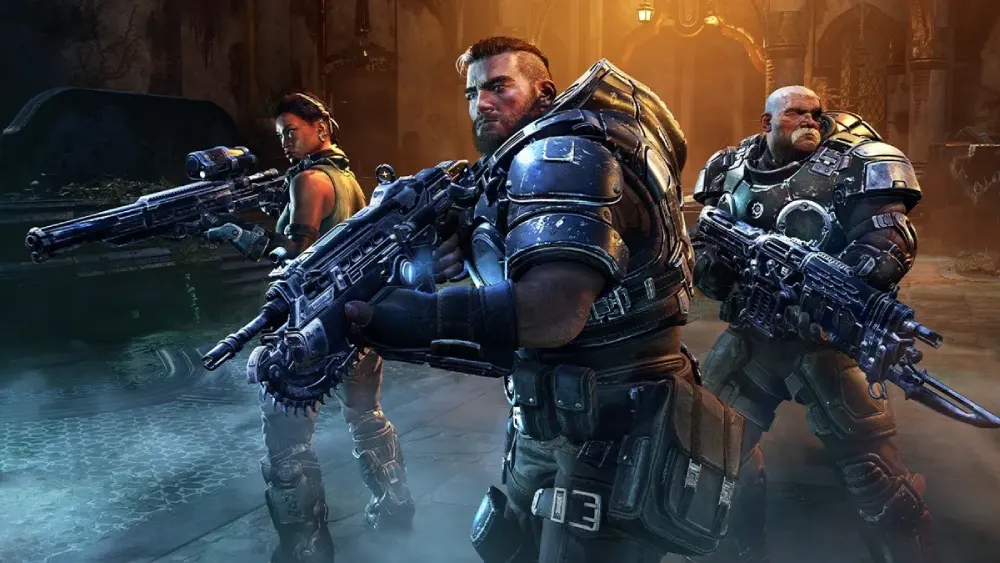
Improvement comes from understanding why a decision failed. Restarting a map without reviewing positioning, threat ranges, and resource use often repeats the same mistake with slightly different results.
Strong players do not predict every event perfectly. They build plans that remain useful when an attack misses, reinforcements appear, or an enemy uses an unexpected ability.
Read the battlefield before moving
Before activating the first unit, identify:
- The mission objective;
- Enemy movement and attack ranges;
- High ground, cover, hazards, and narrow routes;
- Units that can heal, disable, summon, or reinforce;
- Safe positions for fragile allies;
- Escape routes if the first plan fails.
Many losses begin with a move that cannot be reversed. A fast unit reaches an exposed target, but the rest of the team cannot support it. The enemy then concentrates several actions on one isolated character.
A reliable tactical battle system gives enough information to recognize this risk. Use threat previews and turn timelines instead of relying only on intuition.
Build around roles, not favorite characters alone
Favorite characters make a campaign memorable, but a balanced squad needs answers to different problems. Bring damage, protection, mobility, control, and recovery according to the mission.
Avoid giving every unit the same job. Several powerful melee attackers may struggle against ranged enemies across difficult terrain. A team with too much healing may survive but fail a timed objective.
In a deep tactical strategy RPG, equipment can change roles. A heavy shield may turn a fighter into a defensive anchor, while a movement accessory can help a support unit reach more allies.
Do not upgrade only direct damage. Initiative, range, accuracy, movement, resistance, cooldown reduction, and action efficiency can produce stronger turns than a small increase to attack power.
Plan for failure and preserve resources
A tactical plan should include a recovery option. Keep one unit available to heal, reposition, interrupt, or finish an enemy if the primary attack fails.
Consumables are part of the system. Saving every item for a future mission can make the current battle harder than necessary, but using limited resources on minor threats can create problems later.
Games with permanent death or injuries require additional caution. Retreating, abandoning an optional objective, or accepting a slower victory may be better than losing a developed unit.
This type of risk management distinguishes tactical play from solving each turn in isolation. The best turn based strategy games ask players to protect campaign strength while still achieving immediate objectives.
How can ExitLag help tactical RPG players?
ExitLag is relevant only when a tactical RPG uses an online connection and routing contributes to the problem. Many games in the genre are fully playable offline, and a network optimization service will not change their single-player calculations, animations, frame rate, or artificial intelligence.
Online co-op, competitive modes, cloud gaming, remote play, authentication, and cross-region sessions can introduce network variables. In those situations, testing the connection is more useful than assuming every pause is lag.
Network routing in online and cloud-based play
Game traffic may travel through several network hops before reaching a server. Congestion or an inefficient route can contribute to unstable latency, packet loss, or disconnections.
ExitLag analyzes available routes for supported games and services and may help provide a more stable path. Results depend on the player’s location, internet provider, destination server, and available routes, so improvements are not guaranteed.
What ExitLag cannot improve
ExitLag cannot:
- Make offline enemy turns calculate faster;
- Increase FPS limited by hardware;
- Repair corrupted saves or game files;
- Change class balance or difficulty;
- Prevent every multiplayer disconnect;
- Guarantee lower ping;
- Remove platform outages;
- Improve a poorly optimized user interface;
- Unlock characters, classes, or DLC;
- Replace strategic practice.
If a game stutters during offline battles, lower graphics settings, update drivers, check system requirements, and investigate CPU, GPU, memory, or storage limitations. If commands are delayed only in online sessions, network testing becomes more relevant.
Frequently asked questions
The genre includes traditional grid-based classics, modern squad tactics, computer RPG hybrids, and games that use automated or real-time systems. These answers address the most common questions without treating one design formula as mandatory.
It means a role-playing game that combines persistent character development with tactical combat. Positioning, unit roles, movement, terrain, and mission objectives usually have a major effect on battle outcomes.
The abbreviation TRPG is common. Strategy RPG and SRPG may describe the same general category, although communities sometimes use each term differently.
No. Turn-based combat is the most recognizable format, but the broader genre can include real-time, automated, or hybrid systems. What matters is the combination of role-playing progression and meaningful tactical control.
Most players still associate the genre with turn based strategy games because series such as Fire Emblem, Final Fantasy Tactics, Tactics Ogre, and Disgaea helped establish that structure.
XCOM is usually classified as turn-based tactics or strategy, but modern entries include persistent soldiers, classes, abilities, equipment, injuries, and campaign progression. Those RPG elements make it relevant to tactical RPG audiences.
Genre labels describe emphasis rather than creating rigid borders. XCOM places more attention on strategic management and ranged squad combat than many traditional Japanese strategy RPGs.
Baldur’s Gate 3 is primarily a computer RPG, but its turn-based battles use movement, range, elevation, environmental interactions, and positioning. It therefore overlaps with tactical RPG design without belonging to the classic strategy RPG structure.
Players searching for role playing games turn based may encounter it alongside both traditional party RPGs and grid-focused tactical games.
There is no universal easiest option, but games with clear previews, flexible difficulty, and reversible decisions are more welcoming. Mario + Rabbids: Sparks of Hope and Tactical Breach Wizards explain tactical interactions clearly, while Fire Emblem: Three Houses offers adjustable challenge and strong character motivation.
Choose a game whose setting and campaign structure interest you. Learning is easier when you care about the characters and want to understand why each battle works.
Threat assessment is the most transferable skill. Before moving, understand which enemies can act, what they can reach, and how many resources the team must spend to remain safe.
Positioning, team synergy, and action economy all depend on reading those threats accurately.
Usually not. Most provide time to inspect the battlefield and plan. However, hybrid systems, timers, online modes, or action-based movement can introduce time pressure.
The main challenge is decision quality. Players must compare several reasonable options and understand the long-term cost of each one.
A great tactical RPG turns every battlefield into a problem with several possible solutions. Explore the genre, experiment with different squads, review failed plans, and try ExitLag when supported online play is affected by network routing or connection instability rather than offline game performance.
All game images used in this article belong to their respective owners. They are used for informational and educational purposes only and do not imply endorsement or affiliation with the rights holders.
Got questions or want to connect with other players? Join the conversation at the ExitLag Forum!