If you love strategy RPGs, Final Fantasy Tactics is still the gold standard: a sharp political story, a job system with absurd depth, and battles that reward patience, positioning, and planning instead of button-mashing.
Coming from FFVII and curious about how the crossover vibe lands in a tactics format? This quick background on Aerith Gainsborough in Final Fantasy helps frame why FFT fans still love the wider universe connections without spoiling the fun. It’s a good lens before you dive into Ivalice’s politics.
Even decades later, Final Fantasy Tactics holds up because it’s not just a classic—it’s a design blueprint. It’s also the kind of Tactics game that teaches you to think two turns ahead, then punishes you (fairly) when you don’t. And yes: it’s still surprisingly replayable.
Most importantly, Final Fantasy Tactics remains approachable if you know what to focus on early. This Final Fantasy Tactics guide breaks down the systems that matter most, gives beginner-friendly job paths, and shows you how to avoid common early mistakes—while still letting you discover the magic on your own. Along the way, you’ll see why fans still shorten the name to FFT or FF Tactics like it’s a secret handshake.
What is Final Fantasy Tactics?
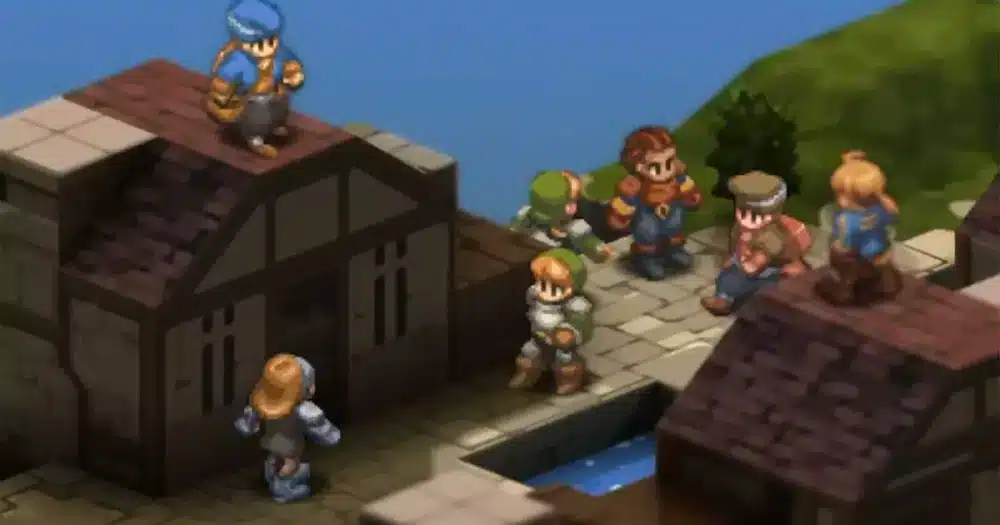
Final Fantasy Tactics is a tactical RPG originally released for PlayStation in 1997, set in the world of Ivalice. It follows Ramza Beoulve through a civil conflict packed with ambition, betrayal, and moral compromises. The writing doesn’t treat you like a kid, and that’s a big reason the story still lands.
At the same time, it’s a systems-driven Tactics game: grid maps, turn order manipulation, terrain height, and character builds that can shift dramatically depending on jobs and abilities. If you enjoy “build crafting,” Final Fantasy Tactics is a buffet.
Story and setting: why Ivalice feels so alive
Ivalice isn’t just a backdrop—it’s political pressure. Factions collide, the church has influence, and characters make choices that feel grounded in their social position. That structure gives weight to battles because you’re not fighting “random evil.” You’re fighting consequences.
A good way to approach the plot:
- Treat it like a political drama, not a heroic quest.
- Pay attention to who benefits from each conflict.
- Notice how Ramza and Delita respond differently to the same injustice.
That contrast is a big part of why FF Tactics is still quoted in tactical RPG circles.
Combat basics: CT, turns, and positioning
Combat is turn-based, but it’s not “everyone moves once per round.” Actions are governed by a timing system (commonly discussed as CT / turn charge), where Speed influences how often units act. In practice, faster units can create tempo advantages—especially when you start stacking movement, range, and turn economy.
Positioning matters constantly:
- Height affects line-of-sight and hit chance.
- Facing impacts evasion and back attacks.
- Clumping gets you punished by AoE.
Once you internalize this, Final Fantasy Tactics stops feeling “hard” and starts feeling “precise.”
FFT makes more sense when you see it as a pure tactics sandbox, not a “level up and win” RPG. If you want a broader baseline for what defines the genre, this tactical RPG game overview and core fundamentals breaks down the patterns you’ll keep noticing in FFT (tempo, positioning, and turn economy). After that, the CT system clicks faster.
How does the job system work in Final Fantasy Tactics?
The job system is the heart of Final Fantasy Tactics. You earn Job Points (JP) in battle, unlock new jobs by leveling prerequisite jobs, and mix-and-match ability sets to build exactly the kind of unit you want. This flexibility is why the game stays fresh on replays.
In other words: the story pulls you forward, but the job system keeps you experimenting. It’s also why nearly every Final Fantasy Tactics guide spends serious time on jobs.
Unlock paths and JP planning (so you don’t waste time)
You can brute-force your way through the game, but smart JP planning makes everything smoother. The biggest beginner mistake is spreading JP too thin across too many jobs early.
A practical early approach:
- Build a stable core team (4–5 units).
- Focus those units on a few jobs first.
- Unlock key movement/survival skills before chasing “cool” jobs.
Here’s a simple unlock roadmap (not exhaustive—just useful):
| Goal | Early Jobs to Raise | Why it helps |
| Better movement | Squire | Mobility skills are game-changing |
| Reliable healing | Chemist | Items are consistent and fast |
| Safe ranged damage | Archer | Good while you learn positioning |
| Early magic power | Wizard/Black Mage | Big damage spikes, good tempo |
| Early support magic | Priest/White Mage | Stabilizes difficult story fights |
This style works whether you’re playing FFT on original hardware or modern versions.
Beginner-friendly job combos that feel “unfair” (in a good way)
Once you unlock a few layers, you can create units that cover weaknesses and smooth out difficulty spikes. A few beginner-friendly patterns:
- Tanky frontliner
- Job base: Knight / Squire path
- Focus: durability + control
- Why: makes chaotic fights manageable
- Stable support
- Job base: Chemist + White Mage tools
- Focus: items + healing
- Why: items don’t care about Faith and are instant
- Tempo mage
- Job base: Black Mage
- Focus: burst damage + area denial
- Why: ends fights faster, reduces risk
You don’t need “perfect builds” to enjoy Final Fantasy Tactics. You just need one thing: a plan.
(And yes, if you’re a job-system addict, this is where FF Tactics becomes a life choice.)
Is Final Fantasy Tactics worth playing in 2026?
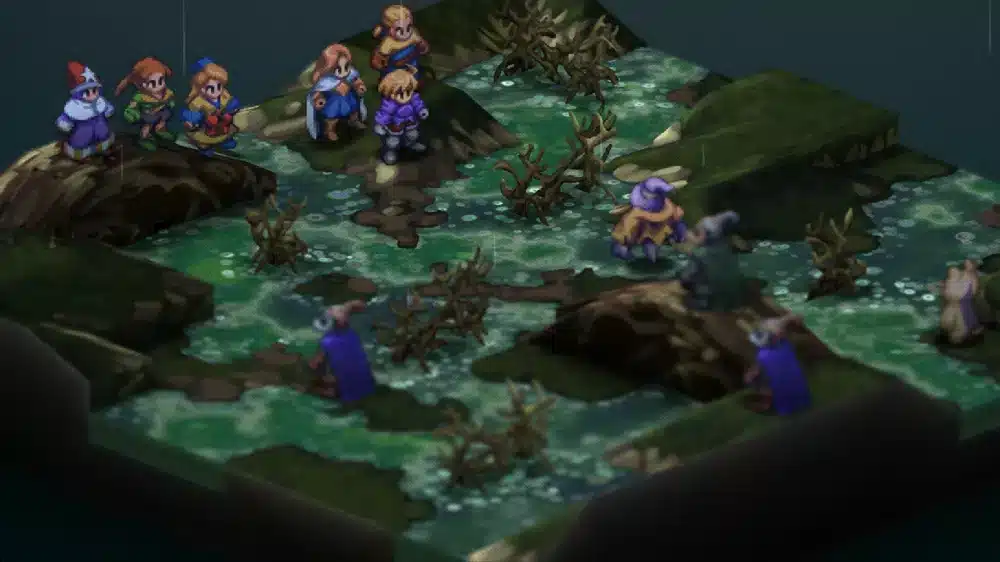
This is a real, common SERP question—and it keeps showing up because new tactical RPG fans discover the genre through modern hits, then wonder if the classic still holds up.
The honest answer: yes, Final Fantasy Tactics is still worth playing in 2026—if you like thoughtful combat and don’t mind learning a few older-school quirks.
What holds up: writing, systems, and replay value
The strengths haven’t faded:
- The story treats politics and morality with real nuance.
- The job system is still deeper than most modern Tactics game designs.
- Builds stay interesting because mixing abilities creates new solutions.
- The soundtrack and tone remain iconic.
Also, the game respects your intelligence. It doesn’t constantly explain itself, which is part of the charm.
If you want a strategy RPG that feels “designed,” not “assembled,” Final Fantasy Tactics still hits.
What feels dated: difficulty spikes and some friction
At the same time, it’s not a modern onboarding experience. A few things can feel rough:
- Some story battles spike in difficulty if you aren’t prepared.
- Older UI conventions can slow you down.
- RNG and hit rates can feel cruel if you take risks too often.
That said, these aren’t deal-breakers. They’re “learn the rules” moments. And once you do, FFT becomes incredibly satisfying.
How long is Final Fantasy Tactics?
Another SERP-classic question: “How long is it?” People ask because the game can be a clean story run—or a 100-hour obsession if you grind jobs, hunt side content, and build “perfect” squads.
A good expectation:
- Main story: roughly ~35–50 hours, depending on how much you grind and how often you reset fights.
- Completionist / heavy grinding: easily 80–100+ hours.
Main story vs completionist time (what changes the clock)
Your playtime depends mostly on three things:
- Grinding (JP farming and job leveling)
- Side quests (especially late-game optional chains)
- Experimenting with builds (which is… half the fun)
If you play it like a story-first tactical RPG, you’ll land closer to the 40-ish hour range. If you play it like a sandbox, you’ll go long—and enjoy it.
How to reduce grind without losing the fun
If you want a smoother pace:
- Don’t try to unlock every job immediately.
- Build around a few strong, flexible roles.
- Use skills that prevent disasters (movement, healing, revival options).
- Save before major story fights and don’t be afraid to rethink strategy.
This keeps Final Fantasy Tactics challenging without becoming a time sink.
How to recruit Cloud in Final Fantasy Tactics (War of the Lions)
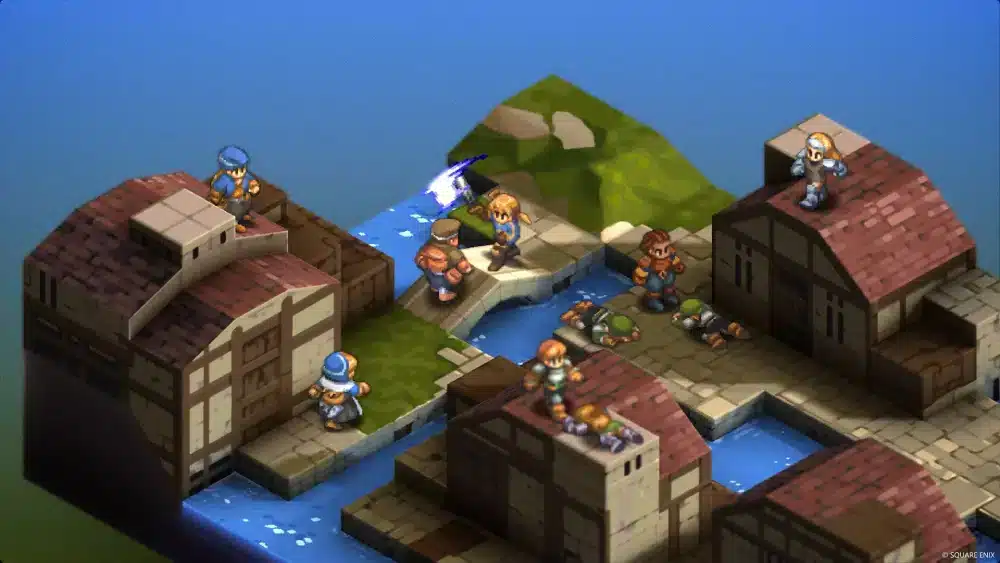
This is one of the most searched “how-to” topics around the game, especially for players coming from FFVII who want the crossover character in their squad. (It’s also a big reason the War of the Lions version stayed popular.)
That crossover hits harder when you remember what Cloud is escaping from and why it matters to fans. For a fast refresh, this Midgar in Final Fantasy explained for FFVII context gives you the backdrop without turning this guide into an FFVII recap. Then you can focus on the actual checklist and not the nostalgia rabbit hole.
Cloud recruitment is a late-game side quest chain, and it’s easy to miss steps if you’re rushing.
Prerequisites, trigger locations, and the clean checklist
A safe, simplified checklist:
- Reach late story chapters (commonly referenced as Chapter 4 territory).
- Maintain the key characters required for the quest chain.
- Trigger the correct events in the correct locations.
- Make sure you have an open party slot when the recruitment moment hits.
Because the exact flow can vary by version and translation, a version-specific walkthrough is still recommended for the final steps.
Common mistakes (and how to avoid wasting hours)
Most players mess up one of these:
- They don’t keep required characters in the roster.
- They forget to revisit a location after an event.
- They arrive with a full party and miss the recruitment prompt.
So: save often, keep your roster flexible, and treat side quests like they’re their own mini-story.
If you’re using this Final Fantasy Tactics guide for planning, here’s the mindset: don’t “speedrun” the Cloud quest. It’s more fun when you treat it like a discovery chain.
ExitLag for Final Fantasy Tactics: when it helps and how to use it
Final Fantasy Tactics is a single-player game—so ExitLag isn’t about multiplayer advantage. Instead, it matters if you’re playing through legal cloud gaming, Remote Play, or any authorized streaming setup where input latency and packet loss can make turn-based controls feel sluggish.
That use case is real: when streaming quality drops, menus feel sticky, inputs feel delayed, and the experience becomes tiring. ExitLag can help stabilize routing to reduce spikes and keep sessions smoother—especially on congested networks.
Cloud/Remote Play stability: what ExitLag can improve
In streamed play, your “game feel” depends on network stability:
- Ping spikes cause noticeable input delay.
- Packet loss can create visual stutters and buffering.
- Poor routing can turn a smooth session into constant micro-pauses.
ExitLag aims to optimize routing and reduce instability. In practice, the goal is fewer spikes—so your Final Fantasy Tactics session feels consistent from start to finish.
Quick setup checklist (keep it simple and test-based)
If you’re trying ExitLag for streamed play:
- Test the same service/time window with and without ExitLag.
- Compare consistency (spikes/jitter), not just average ping.
- Keep other variables stable (same Wi-Fi, same device, same time).
The best result isn’t “zero lag.” It’s “no surprises.”
Where to play Final Fantasy Tactics today
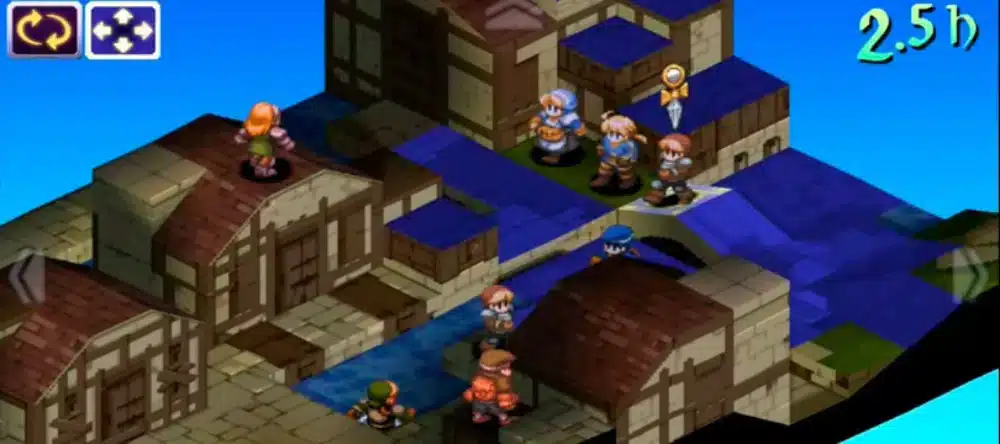
You’ve got legitimate options depending on what you want: original feel, enhanced script/content, or modern quality-of-life.
The most widely available official version for many players remains Final Fantasy Tactics: The War of the Lions, which released on PSP and later came to mobile platforms.
If you want a quick reference for versions, releases, and the basics in one place, this Final Fantasy Tactics overview and release history is a solid starting point. Use it to cross-check names and editions, then come back here for the builds and decisions that actually affect your run.
Official versions and platforms (what’s real and accessible)
Common legal options include:
- Original PlayStation release (classic baseline)
- PSP: War of the Lions (enhanced content/script)
- iOS/Android: War of the Lions mobile version
If you want portability, mobile is a straightforward path—just be sure you’re buying the official Square Enix listing.
The Ivalice Chronicles: what we know about the modern release
There has also been an officially announced enhanced edition titled Final Fantasy Tactics – The Ivalice Chronicles, with store listings showing a late-September 2025 release date (often displayed as Sep 29–30, 2025 depending on region/store).
For the most direct “is this real and where do I get it?” reference, check the Final Fantasy Tactics – The Ivalice Chronicles Steam store page. That listing is also the cleanest place to watch dates, platform notes, and any updates that appear over time.
Reported features include modernized UI and quality-of-life updates, while retaining a classic mode option.
If you’re deciding whether to wait or play now, the simplest answer is:
- Want the story and systems immediately? Play War of the Lions now.
- Want modern UI/QoL and a refreshed presentation? Track The Ivalice Chronicles.
Either way, Final Fantasy Tactics is worth your time.
FAQ about Final Fantasy Tactics
This FAQ keeps answers short, but practical—especially for players jumping in for the first time.
A tactical RPG set in Ivalice with grid-based combat, deep job customization, and a politically driven story.
It can be. However, most difficulty comes from build choices and positioning mistakes. Once you understand tempo and survival tools, it becomes much more manageable.
The job system depth and the “mix abilities” flexibility. Many modern Tactics game titles offer roles; FFT offers build design.
Often ~35–50 hours for the main story, longer if you grind jobs or chase all side content.
They influence physical and magical behavior in key ways (damage, reaction triggers, spell effectiveness/vulnerability). They’re powerful—but you don’t need to min-max them on your first run.
In War of the Lions, it’s a late-game side quest chain with specific triggers and prerequisites. Keep your roster flexible and follow a version-specific walkthrough for exact steps.
All game images used in this blog belong to Square Enix. They are used for informational/educational purposes only and do not imply endorsement or affiliation with the rights holders.
If you’re ready to commit, start with War of the Lions and play it like a long political drama—with smart builds and patient positioning. And if you’re using Remote Play or cloud streaming, try ExitLag to keep your session stable—so Final Fantasy Tactics feels crisp, responsive, and distraction-free.
Got questions or want to connect with other players? Join the conversation at the ExitLag Forum!