The Team Fortress 2 Engineer is one of the most iconic and strategically important classes in Valve’s legendary multiplayer shooter. Unlike classes focused purely on aim or mobility, the Engineer reshapes the battlefield using intelligence, positioning, and construction. Mastering this class means understanding timing, map control, and team support at a deeper level.
In Team Fortress 2, every class has a clear identity, but few influence the flow of a match as much as the Engineer. A single well‑placed sentry or teleporter can completely change how a team attacks or defends an objective. That is why experienced teams almost always rely on a strong Engineer presence.
At its core, the Team Fortress 2 Engineer answers a simple question: who controls the map? The answer is often the player who knows where to build, when to upgrade, and how to keep structures alive under pressure.
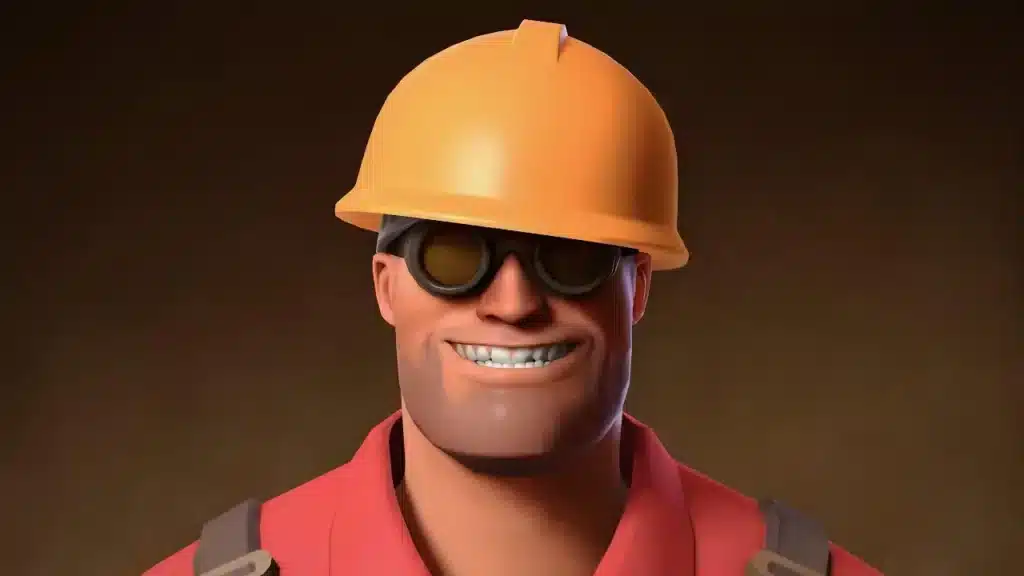
Team Fortress 2 Engineer Class Overview
The Engineer is a defensive‑support class designed to protect objectives and enable teammates. Instead of relying on raw damage output, he creates infrastructure that benefits the entire team. This makes him especially powerful in objective‑based modes such as Payload, Control Points, and Attack/Defense.
Engineer Role and Identity
The Engineer excels at holding territory. By constructing buildings, he slows enemy pushes, creates safe zones for allies, and ensures fast reinforcements through teleporters. While other classes roam the map, the Engineer anchors the team’s position.
His playstyle rewards patience and planning. Rushing without preparation often leads to destroyed buildings, while smart placement and constant maintenance can lock down entire choke points.
Strengths and Weaknesses
Strengths:
- Excellent area denial through sentry guns
- Strong team utility with dispensers and teleporters
- High strategic impact even without constant combat
Weaknesses:
- Vulnerable when caught alone
- Relies heavily on setup time
- Buildings require constant attention
Understanding these strengths and weaknesses is essential to mastering the Team Fortress 2 Engineer and contributing consistently to your team.
Team Fortress 2 Engineer Weapons and Tools
The Engineer’s loadout is unique because it combines traditional weapons with construction tools. His equipment is designed to protect his buildings and keep enemies at bay rather than dominate direct firefights.
Primary and Secondary Weapons
The default shotgun is the Engineer’s main source of damage. It performs well at close to medium range and is reliable when defending sentries or dispensers. The pistol complements the shotgun by providing sustained fire when reloading or finishing off weakened enemies.
These weapons are not meant for aggressive pushes. Instead, they are tools for survival while maintaining your structures.
Team Fortress 2 Engineer Wrench
The team fortress 2 engineer wrench is the most important item in the Engineer’s arsenal. While it functions as a melee weapon, its real purpose is building management. The wrench is used to:
- Construct buildings
- Repair damaged structures
- Upgrade buildings to higher levels
- Remove sappers placed by enemy Spies
Good wrench management separates beginner Engineers from advanced ones. Knowing when to repair, when to upgrade, and when to reposition buildings is critical.
Construction and Management Tools
Beyond weapons, the Engineer uses specialized tools that allow him to control his infrastructure. These tools define the class and give it its unique strategic depth.
Engineer Buildings: The Heart of the Class
Engineer buildings are what truly define his role. Each structure serves a specific purpose and works best when combined with the others.
Sentry Guns
Sentry guns provide automated defense. They track enemies, deal consistent damage, and act as both deterrents and killing machines. Proper sentry placement is essential, as exposed sentries are easily destroyed.
A well‑positioned sentry can protect an entire objective, forcing enemies to coordinate attacks or use specific counters.
Dispensers
Dispensers supply health, ammo, and metal to nearby teammates. While less flashy than sentries, dispensers are often more important. They keep frontline players alive longer and allow Engineers to maintain their buildings without leaving their position.
Strong teams treat dispensers as strategic assets rather than simple support tools.
Teleporters
Teleporters reduce travel time and keep pressure on objectives. By placing teleporters near the front lines, Engineers ensure their team maintains momentum even after deaths.
A functioning teleporter network often determines which team controls the pace of the match.
Team Fortress 2 Engineer Cosmetics and Customization
Cosmetics play a huge role in Team Fortress 2’s identity, and the Engineer is no exception. Players have access to a wide range of hats, accessories, and themed outfits that allow for extensive personalization.
Popular Engineer Cosmetic Styles
Some players prefer classic looks that emphasize the Engineer’s Texan roots, while others choose humorous or exaggerated designs. Common cosmetic themes include:
- Traditional workwear and helmets
- Industrial and mechanical accessories
- Comedic or over‑the‑top visual styles
While team fortress 2 engineer cosmetics do not affect gameplay, they contribute to player identity and community culture.
Cosmetic Loadouts and Expression
Many players enjoy creating themed cosmetic loadouts that match their playstyle or personality. Whether aiming for a serious defensive look or a lighthearted appearance, cosmetics allow Engineers to stand out without changing mechanics.
Meet the Engineer: Character Personality and Design
The Engineer’s personality is calm, confident, and methodical. He represents intelligence over brute force and problem‑solving over aggression. This design philosophy is reflected in his gameplay, voice lines, and overall presentation.
The character’s popularity comes from this balance of humor and competence. He is approachable yet deadly when properly supported by his creations.
Playing Engineer in Competitive and Casual Modes
The Team Fortress 2 Engineer performs well in both casual and competitive environments, but expectations differ.
In casual play, Engineers often experiment with creative building placements and cosmetic styles. In competitive formats, efficiency and consistency matter more than creativity. Teleporter uptime, dispenser placement, and sentry survivability become priorities.
Regardless of the mode, communication and awareness are key. Engineers who coordinate with their team are far more effective than those who build in isolation.
Performance, Stability, and Why Connection Matters
Because the Engineer relies on precise timing and constant interaction with buildings, connection stability is extremely important. Lag can delay repairs, disrupt upgrades, and cause missed reactions during critical moments.
This is where ExitLag becomes a valuable ally for Team Fortress 2 players. ExitLag optimizes routing, reduces packet loss, and stabilizes your connection, ensuring that every wrench swing, repair action, and defensive response happens instantly.
For a class as timing‑sensitive as the Engineer, a stable connection can be the difference between holding an objective and watching it collapse.
Advanced Team Fortress 2 Engineer Weapons and Loadouts
Once you move past the basics, mastering engineer team fortress 2 gameplay depends heavily on smart loadout decisions. Weapon choices directly influence how long your buildings survive and how effectively you can hold territory under pressure.
Primary Weapon Choices for Engineer
The default shotgun remains the most reliable option for most situations. Its consistent damage output and forgiving spread make it ideal for defending sentries and dispensers during close‑range encounters. Advanced Engineers prioritize reliability over raw damage, especially when fights happen suddenly around their buildings.
Alternative primaries can support more aggressive or mobile playstyles, but they require sharper positioning and awareness. In high‑pressure matches, consistency is almost always more valuable than experimentation.
Secondary Weapons and Utility Impact
Secondary weapons define how long you can stay active without abandoning your setup. The pistol excels at sustained damage and finishing weakened enemies while conserving shotgun ammo. This is especially important when multiple attackers pressure your sentry.
Good secondary management allows Engineers to protect structures without overexposing themselves, maintaining constant control of the area.
Team Fortress 2 Engineer Wrench Variants Explained
The team fortress 2 engineer wrench is the centerpiece of every Engineer loadout. Choosing the right wrench directly affects your repair speed, upgrade efficiency, and survivability during sabotage attempts.
Core Wrench Mechanics
All wrenches allow Engineers to:
- Repair damaged buildings
- Upgrade structures to higher levels
- Remove sappers placed by enemy Spies
Advanced Engineers understand that timing matters more than raw speed. Reacting instantly to damage or sabotage often saves an entire defensive setup.
Popular Engineer Wrenches and Use Cases
Different wrench variants support different strategies. Some favor static defense and faster upgrades, while others reward mobility and repositioning. The key is aligning your wrench choice with your intended role-holding a choke point requires different tools than supporting a forward push.
Choosing the correct wrench is not about preference alone; it’s about adapting to the match state.
Engineer Building Optimization and Placement Strategy
Buildings are only as strong as their placement. Advanced Engineers focus on survivability, coverage, and team accessibility rather than obvious positions.
High‑Value Sentry Placement
Effective sentry placement avoids predictable lines of sight. Placing sentries slightly off‑angle or behind natural cover increases their lifespan and forces enemies to commit resources to removal.
Smart Engineers anticipate enemy routes and build where attackers least expect resistance. A well‑hidden sentry can delay pushes long enough for teammates to regroup.
Dispenser and Teleporter Optimization
Dispensers should be accessible without exposing teammates to danger. Positioning them just behind the frontline maximizes value while minimizing risk.
Teleporters are the backbone of sustained pressure. Keeping teleporters active and protected ensures your team maintains momentum throughout the match. Engineers who prioritize teleporter uptime often decide games quietly but decisively.
Team Fortress 2 Engineer Cosmetics and Loadout Identity
While team fortress 2 engineer cosmetics do not affect gameplay mechanics, they play a significant role in player identity and readability.
Cosmetic Rarity and Community Favorites
Some Engineer cosmetics have become community staples due to their clean visuals or iconic designs. Players often favor cosmetics that maintain silhouette clarity while adding personality.
Rare cosmetics may signal experience or trading success, but visual simplicity is often preferred in competitive environments.
Themed Loadouts and Competitive Readability
In casual play, Engineers frequently experiment with humorous or elaborate cosmetic combinations. In competitive formats, however, visual clarity matters more than expression.
Many high‑level players choose understated cosmetic loadouts that reduce distraction and maintain a recognizable Engineer profile during chaotic fights.
Engineer Synergies and Team Compositions
The Engineer reaches peak effectiveness when paired with the right teammates. Understanding class synergy transforms good setups into nearly unbreakable defenses.
Best Classes to Pair with Engineer
Engineers benefit greatly from teammates who can:
- Protect buildings from explosives
- Provide sustained healing
- Control space around sentry nests
Strong synergy turns static defenses into flexible strongholds that adapt to enemy pressure.
Countering Common Engineer Threats
Enemy Spies, Demomen, and coordinated pushes pose the biggest threats. Advanced Engineers prepare for failure by planning rebuild locations and keeping metal reserves available.
Quick recovery often matters more than stubbornly holding a lost position.
Performance, Ping, and Competitive Consistency for Engineer
The Engineer is one of the most timing‑sensitive classes in Team Fortress 2. Even slight delays can mean missed repairs, failed sapper removals, or destroyed teleporters.
This is where ExitLag becomes essential. ExitLag optimizes network routing, reduces packet loss, and stabilizes latency, ensuring every wrench swing and repair action registers instantly. For Engineers defending under pressure, stable connection performance is not optional-it’s a competitive requirement.

Engineer Mastery in Casual vs Competitive TF2
Casual Engineer Playstyle
Casual environments encourage experimentation. Engineers can explore creative building spots, unusual loadouts, and expressive cosmetics without severe punishment.
This freedom helps players learn maps and mechanics organically.
Competitive Engineer Expectations
Competitive Engineer play prioritizes efficiency and predictability. Teleporter uptime, dispenser positioning, and sentry survivability take precedence over creativity.
Clear communication and disciplined building management define high‑level Engineer performance.
Engineer Tools and Strategic Impact
| Tool or Weapon | Primary Function | Strategic Impact |
| Shotgun | Close‑range defense | Protects buildings |
| Pistol | Sustained damage | Ammo efficiency |
| Wrench | Repair and upgrades | Structure survival |
| Sentry Gun | Area denial | Objective control |
| Dispenser | Sustain | Team longevity |
| Teleporter | Mobility | Map pressure |
All game images used in this blog belong to Valve Corporation. They are used for informational/educational purposes only and do not imply endorsement or affiliation with the rights holders.
Got questions or want to connect with other players? Join the conversation at the ExitLag Forum!