A wargame can mean many things in gaming: a deep historical simulation, a fast online shooter with team tactics, a grand strategy campaign, or even a base-defense experience with military themes. That variety is exactly why the genre remains so popular. If you are new to the category, learning the basics of a wargame helps you choose the right title and avoid jumping into something that does not match your style.
If your idea of “war games” starts with modern FPS or big combined-arms lobbies, you are not alone. A lot of people land here from searches about access and platforms, so this guide on MW3 Game Pass availability explained can help you sort out that side quickly. Once access is clear, it’s easier to focus on the gameplay style you actually want.
In simple terms, a wargame is a game built around conflict, planning, and decision-making. Some focus on realism and military strategy, while others lean into accessibility, action, or stylized combat simulation. You may also see overlap with war games, tactical games, and broader strategy wargaming communities depending on the format and platform.
This guide explains what a wargame is, how the genre is structured, and which types of titles fit different players. It also fixes a common confusion: not every military-themed game is the same kind of wargame. For example, a fast FPS and a long-form command simulation can both be “war games,” but they demand very different skills and expectations.
If you want a practical starting point, you are in the right place. We will cover:
- Core wargame definitions
- Main subgenres and styles
- Beginner-friendly entry points
- Strategy basics for better performance
- A curated list of standout titles
- How to reduce lag in war games with ExitLag
By the end, you will have a clear roadmap for exploring the genre without feeling overwhelmed.
What is a wargame?
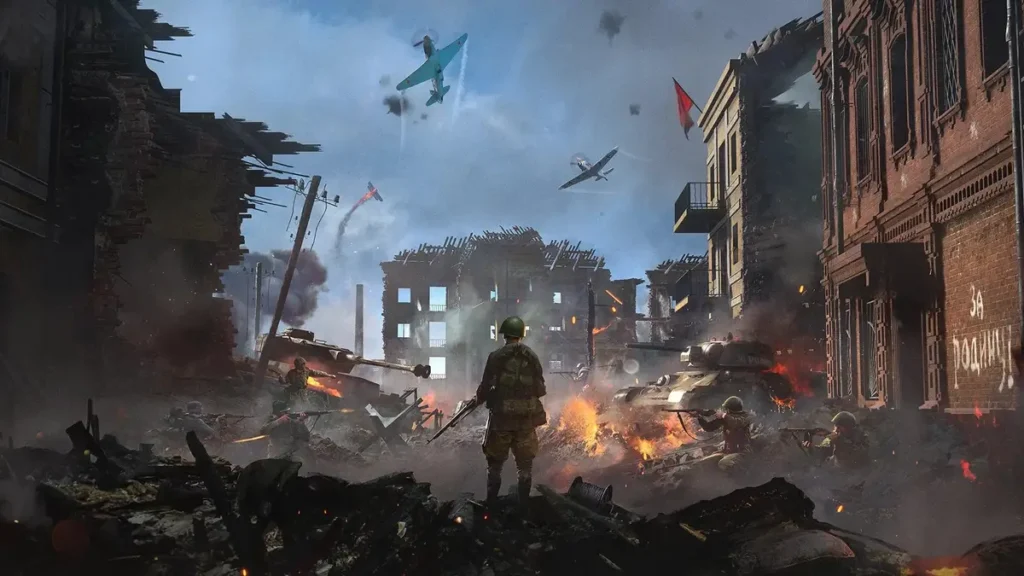
A wargame is a game centered on military conflict, strategic planning, and tactical execution. The player usually acts like a commander, squad leader, or decision-maker who must manage units, resources, positioning, or timing to achieve objectives.
Those objectives often include:
- Capturing territory
- Eliminating enemy force
- Defending key points
- Completing mission-based goals
- Surviving waves or campaigns
That broad structure is why the term wargame includes many formats. Some games simulate real historical wars with detailed systems. Others are more arcade-like, but still rely on military strategy and tactical thinking.
Before getting into specific categories, it is important to understand that “wargame” is a genre family, not one single gameplay style. A player who enjoys tactical games with pause-and-plan combat may not enjoy high-speed shooters, even if both are called war games.
What makes a wargame different from other strategy genres?
A wargame usually emphasizes conflict resolution, force deployment, and battlefield decision-making. Even when it includes economy or diplomacy systems, the core loop is still about conflict outcomes.
Typical genre traits include:
- Unit positioning and movement
- Terrain awareness
- Timing and tempo management
- Resource or force preservation
- Risk vs reward decisions under pressure
This is where strategy wargaming differs from general strategy games. A city builder may focus on growth and logistics, while a wargame usually prioritizes combat effectiveness and battlefield control.
Are all war-themed games wargames?
Not always. Some war-themed games are mostly action games with minimal planning. Others are pure simulations. In everyday language, many players group them all under war games, and that is fine for casual discussion. But if you are choosing a game, the details matter.
For example:
- A realistic combat simulation may require patience and systems knowledge
- An arcade shooter may focus more on reflexes
- A grand strategy wargame may reward long-term planning over mechanical skill
That is why understanding the genre’s subtypes helps so much.
What are the main types of wargame?
A wargame can appear in several forms, and each type attracts a different kind of player. Some players want strict realism. Others want fast matches, simplified controls, or large cinematic battles.
If you are just starting, this section will help you identify what kind of wargame fits your taste before you spend hours learning a system that feels too heavy.
In general, the genre can be grouped into historical, modern military, fantasy/sci-fi military, tactical squad games, grand strategy, and defense-oriented hybrids.
Historical wargames and realistic combat simulation
Historical wargames focus on real conflicts, periods, or military doctrine. They often attract players who enjoy history, scenario recreation, and more grounded decision-making.
These games may include:
- World War I / World War II settings
- Era-specific weapons and vehicles
- Real factions and military units
- Map design inspired by historical operations
Some historical titles lean toward combat simulation, while others stay accessible. If you enjoy military strategy and historical context, this is usually the best place to start.
Tactical and strategy-focused war games
This category includes tactical games and broader strategy titles where planning matters more than raw reaction speed. Matches may be slower, but they demand stronger decision quality.
Common features:
- Unit command and positioning
- Flanking and cover usage
- Resource management
- Mission planning
- Tactical timing
For many players, this is the “classic” strategy wargaming experience. It is also where you often see the clearest link between planning and outcomes.
Tower defense and hybrid war games
Your original draft mentions tower defense, and that is a useful bridge for beginners. While not every tower defense title is a pure wargame, many of them teach core ideas that carry over into the genre:
- Lane control
- Resource prioritization
- Timing
- Threat evaluation
- Defensive positioning
These hybrids can be a great entry point if full combat simulation games feel too complex at first.
What are the best wargame and war games to play?
Choosing the best wargame depends on what you want: realism, scale, fast action, co-op, or long strategic campaigns. Instead of ranking everything in one list, the best approach is to group games by playstyle.
If “large-scale combined arms” is the vibe you want, it helps to start from the official franchise overview instead of bouncing between outdated lists. The official Battlefield games hub on EA lets you compare entries by platform and focus so you pick the right pace from the start. That keeps your first hours spent learning the game, not hunting the “correct” version.
That makes the recommendations more useful. A player looking for a grand strategy experience should not be sent straight into a reflex-heavy FPS and vice versa.
Below is a practical breakdown of strong options across the broader war games space.
Best wargame choices by playstyle
1) Grand strategy and campaign-scale planning
These are ideal if you love long-form military strategy and macro decision-making:
- Hearts of Iron IV (global war planning, diplomacy, logistics)
- Total War entries (campaign map + real-time battles)
- Command & Conquer Remastered Collection (classic RTS feel with modern polish)
If the “campaign + battles” loop is what you’re after, it’s worth checking the official hub so you can pick the right era and entry without guesswork. The Total War official site and game lineup is a solid starting point for comparing titles by setting and scope. It helps you choose a first campaign that matches your patience level.
2) Tactical RTS and battlefield control
Great for players who want strong tactical games depth:
- Company of Heroes series
- Men of War series
- Wargame: Red Dragon (if you want a more systems-heavy modern battlefield experience)
3) Realism-focused shooters and simulations
Good for players who want an immersive combat simulation feel:
- Arma 3
- Hell Let Loose
- IL-2 Sturmovik (air combat sim focus)
4) Accessible online war games
Strong if you want shorter sessions and multiplayer progression:
- World of Tanks
- World of Warships
- Battlefield titles (for large-scale action with lighter sim depth)
Quick comparison table for beginners
| Game Type | Best For | Learning Curve | Match Pace |
| Grand strategy wargame | Long planning, macro control | High | Slow to medium |
| Tactical RTS | Unit control, battlefield tactics | Medium to high | Medium |
| Combat simulation | Realism and immersion | High | Medium to fast |
| Arcade-style war games | Quick action and progression | Low to medium | Fast |
| Tower defense hybrids | Beginner strategy fundamentals | Low to medium | Medium |
This is the easiest way to choose your first wargame without frustration.
What skills do you need to improve in a wargame?
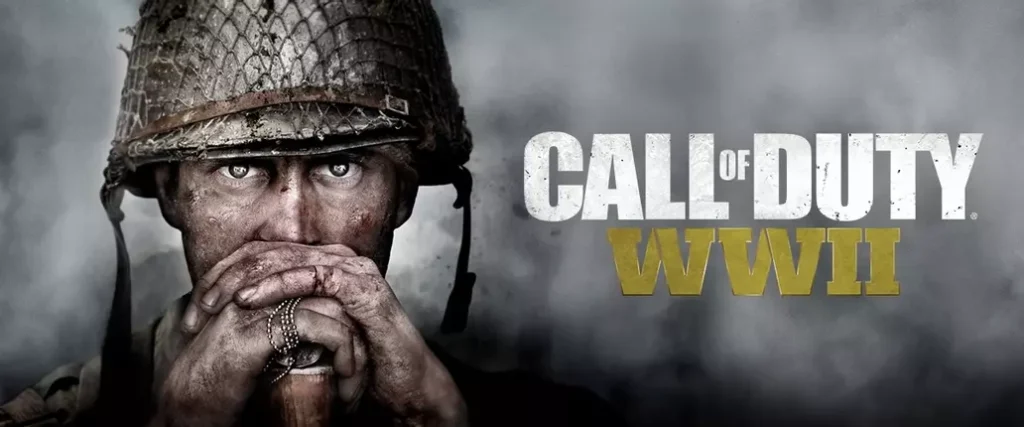
A wargame rewards thinking, not just speed. Even in action-heavy titles, players who improve decision-making usually perform better over time than players who rely on mechanical skill alone.
The good news is that most core skills transfer between different war games. If you learn how to prioritize objectives, read the battlefield, and manage risk, you can move between genres more easily.
Before the specific tips below, remember this: improvement in strategy wargaming comes from reviewing decisions, not only grinding matches.
Core wargame skills every player should practice
1) Positioning and map awareness
This is one of the biggest skill gaps in both tactical games and action-based war titles.
Practice:
- Using cover and terrain
- Holding high-value positions
- Avoiding overextension
- Recognizing chokepoints and flanks
Good positioning makes average aim or average unit control look much stronger.
2) Tempo and timing
A wargame is often won by timing:
- Attacking before reinforcements arrive
- Rotating before pressure builds
- Saving resources for a key wave or push
- Counterattacking after enemy overcommitment
This matters in RTS, shooters, and tower-defense hybrids. Timing is a universal genre skill.
Strategic habits that accelerate learning
1) Play with one clear objective per session
Instead of “I need to win,” try:
- “Today I will improve map control”
- “Today I will preserve units better”
- “Today I will learn one opening build”
That makes practice more focused and less frustrating.
2) Review losses for decision errors
After a bad match, ask:
- Did I misread the map?
- Did I waste resources?
- Did I force a bad fight?
- Did I ignore team coordination?
This mindset improves military strategy faster than random repetition.
Which wargame is best for beginners?
If you are completely new to the genre, the best wargame is not necessarily the most famous one. It is the one that matches your patience level and your preferred pace.
Many new players quit because they start with games that are too complex, too slow, or too punishing. A better approach is to choose a title that teaches fundamentals in a readable way.
Beginner-friendly entry points by preference
If you like action first, strategy second
Start with more accessible war games that still teach battlefield thinking:
- Battlefield (large-scale team play)
- World of Tanks / World of Warships
- Some Call of Duty modes with objective play
For players coming from shooters, performance tuning can make objective play feel cleaner and more readable. This guide on best Warzone graphics settings to increase FPS is a practical reference for stabilizing frame pacing and visibility. Even if you’re not playing Warzone specifically, the same principles apply to many fast FPS war games.
These are not the deepest strategy wargaming experiences, but they can teach map flow, pressure timing, and target prioritization.
If you like planning and control
Start with:
- Command & Conquer Remastered Collection
- Company of Heroes (campaign modes first)
- A simpler Total War campaign
These help you build military strategy habits without overwhelming you with the heaviest simulation rules immediately.
How to know when to move to deeper tactical games
You are ready for more advanced tactical games or a heavier combat simulation when:
- You understand map control basics
- You can manage resources without panicking
- You enjoy slower decision-heavy gameplay
- You are willing to learn systems and keybinds
At that point, more demanding wargame titles become much more rewarding.
How to reduce lag in wargame and war games with ExitLag
No matter what kind of wargame you play, lag can ruin the experience. In multiplayer titles, high ping and packet loss can break timing, make controls feel delayed, and create unfair outcomes. In strategy-heavy matches, a few seconds of instability can cost an entire engagement.
That is why performance optimization matters just as much as game knowledge in online war games. If your connection is inconsistent, your decisions may be correct but still fail because your inputs arrive late or data packets are unstable.
This is especially important in:
- Team-based shooters
- RTS multiplayer matches
- Vehicle combat games
- Any title with reaction windows and synchronization
Progression systems can also change how people approach online matches, especially when ranks or levels become the main obsession. If you’ve seen confusion around endgame leveling in newer releases, this guide on Battlefield 6 max level explained helps set expectations without turning improvement into a grind-first mindset. It’s a useful reminder to prioritize decisions and consistency over chasing numbers.
Why lag hurts tactical and strategy gameplay so much
Lag is not only a “shooter problem.” In tactical games and strategy wargaming, lag can affect:
- Unit command responsiveness
- Target selection timing
- Ability activation windows
- Team coordination calls
- Real-time decision execution
In other words, network issues damage both reflexes and military strategy execution.
Practical ways to reduce lag before using ExitLag
Start with these fundamentals:
- Use a wired connection instead of Wi-Fi
- Pause downloads, updates, and cloud sync
- Close heavy background apps
- Reboot router/modem when needed
- Choose servers closest to your region
- Update network and GPU drivers
These steps alone can improve many combat simulation and multiplayer sessions.
How ExitLag helps wargame players
ExitLag can help improve routing stability and reduce connection-related issues by optimizing the network path between your device and game servers. For online wargame titles, this can improve consistency during matches, especially when your ISP routing is unstable.
Potential benefits may include:
- More stable ping
- Reduced packet loss in some routes
- Better connection consistency at peak hours
- Smoother online match behavior
ExitLag does not replace skill, but it supports your performance by reducing avoidable network instability. For competitive or timing-sensitive war games, that can make a real difference.
FAQ
A wargame is a game focused on military conflict, planning, and tactical or strategic decision-making. It can range from simple action titles to deep simulations.
In casual use, yes. “War games” and wargame are often used interchangeably. However, some players use “wargame” to refer more specifically to strategy-heavy or simulation-style titles.
A combat simulation usually prioritizes realism and detailed systems, while a wargame can be broader and include arcade, tactical, strategy, and hybrid formats.
Some are. Tower defense titles with military themes and tactical planning can overlap with the wargame genre, especially as beginner-friendly strategy hybrids.
Beginner-friendly options depend on preference, but accessible RTS titles, objective-based shooters, and simpler strategy games are usually better starting points than heavy simulations.
Use a wired connection, close background apps, choose nearby servers, and optimize your network setup. Tools like ExitLag can also help improve routing stability and reduce lag-related issues.
Yes, it can help in online tactical games and strategy wargaming titles by improving connection stability and reducing routing problems that affect responsiveness.
Final thoughts on wargame and the best way to start
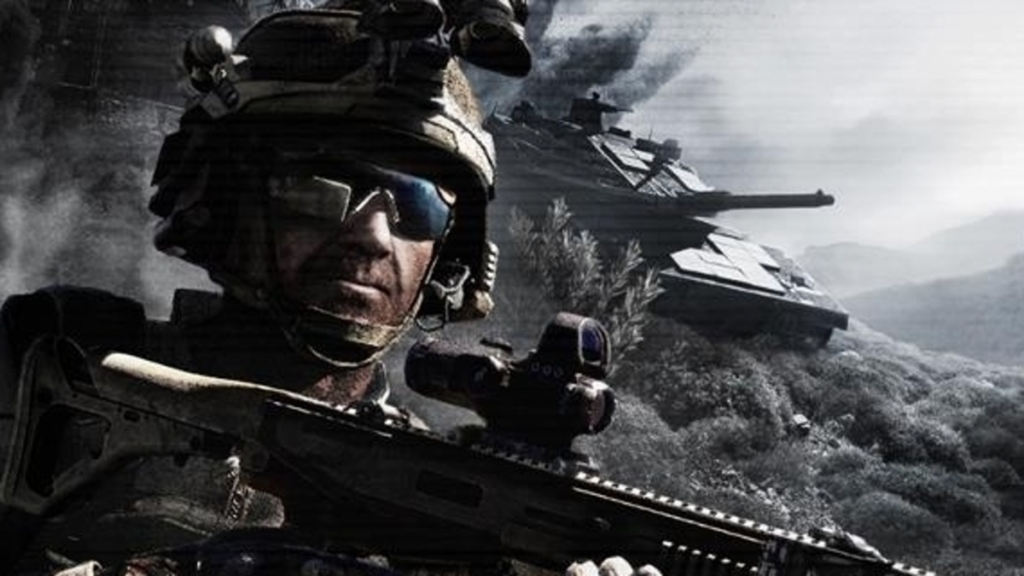
A wargame is one of the most rewarding genres in gaming because it challenges how you think, not just how fast you react. Whether you prefer historical battles, modern war games, deep military strategy, or more accessible tactical games, there is a strong entry point for your style.
The best way to begin is simple:
- Pick a subtype you actually enjoy
- Learn one game at a time
- Practice positioning and timing
- Review your mistakes
- Optimize your connection for online play
As you grow, you can move from casual titles into deeper combat simulation experiences and more advanced strategy wargaming systems. And if lag is getting in the way, combine basic network hygiene with ExitLag to create a smoother, more reliable experience.
Ready to improve your next wargame session? Choose your style, build your strategy, and test ExitLag to play with better consistency and fewer connection-related interruptions.
Got questions or want to connect with other players? Join the conversation at the ExitLag Forum!