The Origins of Roblox
Roblox is one of the most ambitious online gaming platforms ever created. Millions of players know it today as a place where you can play and build virtual worlds but when was Roblox Creation Date in reality? And who was behind this innovative platform? Let’s dive into the story.
Roblox’s history began in the early 2000s, long before its official release. The idea started with physics simulation software that inspired a broader creative vision for a gaming universe. The founders believed that players shouldn’t only play games they should be able to build them too. This idea would become the foundation of Roblox.
What Year Was Roblox Founded?
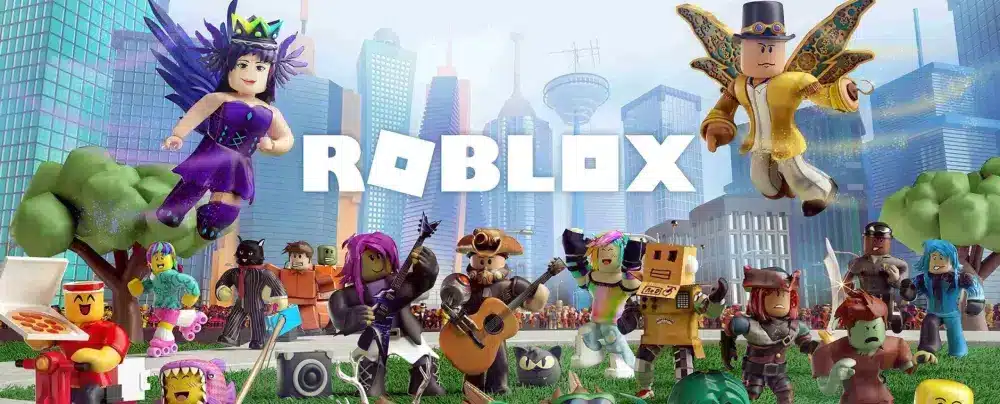
Roblox was created in 2004 as a project and company. That year marks the foundation of the Roblox platform and the beginning of development. The company behind Roblox, Roblox Corporation, was also formed at the same time by its founders.
But while 2004 marks the birth of the company and concept, the world didn’t get access to Roblox right away. The platform underwent years of development and testing to refine its creative tools and multiplayer systems before becoming public.
Roblox’s Official Launch
Although Roblox began development in 2004, the platform was officially released to the public on September 1, 2006. This date marks when players worldwide could finally start using the platform as it was intended to play games and create content.
The period between 2004 and 2006 was crucial. During this time, the platform evolved from an internal prototype into a user-friendly system that combined building tools, physics simulation, and early multiplayer gameplay. And by the time 2006 rolled around, Roblox was ready to connect players globally.
Who Created Roblox?
One of the most asked parts of Roblox history is: who created Roblox? The answer is two visionary software engineers.
- David Baszucki: Co-founder and long-time CEO of Roblox Corporation.
- Erik Cassel: Co-founder and VP of Engineering who helped build the original foundations of the platform.
Both Baszucki and Cassel had previously worked together on software focused on physics education and simulations. That experience directly influenced how Roblox was shaped especially its emphasis on creativity and player experimentation.
The Meaning Behind the Name “Roblox”
The name “Roblox” comes from a blend of the words robots and blocks a nod to the platform’s creative, construction-based gameplay. Early versions of the project were tested under different names like DynaBlocks, before settling on the memorable name Roblox during development.
How Roblox Changed Gaming
When it launched in 2006, Roblox wasn’t just another online game. It was a platform a place where people could not only play different games but also design them using Roblox Studio. This was a major shift in gaming at the time.
Instead of a single fixed game, Roblox became a universe of endless possibilities. Creators could design worlds, scripting logic, and gameplay using Lua the platform’s programming language. And players could explore, interact, and share these worlds with others across devices like PC, mobile, and consoles.
Why Roblox’s Founding Matters
Understanding when Roblox was created and who built it helps explain why the platform is so unique today:
- Player-driven content: From the start, users design the majority of games.
- Community growth: Players don’t just play they become creators.
- Platform evolution: Roblox shifted from a simple creation toolkit to a global gaming ecosystem.
This community-centric design helped Roblox grow from a small project into a platform with billions of game experiences, millions of developers, and a vibrant player base around the world.
What Roblox Did Next
After its official launch in 2006, Roblox continued to evolve quickly. Developers added important features like:
- Multiplayer servers
- Virtual currency systems
- Premium memberships
- Advanced scripting and game design tools
The platform’s growth accelerated with each new tool release, bringing in creators from all backgrounds from hobbyists to professional game developers.
Roblox history after launch
Once Roblox was officially available in 2006, growth was gradual but steady. Early players were mostly young users experimenting with simple block-based games. At that stage, Roblox was far from the massive platform it is today.
However, updates began arriving consistently. Roblox Studio improved. Multiplayer servers became more stable. Community tools expanded. Most importantly, creators gained more freedom to build complex experiences. This creator-first philosophy became Roblox’s strongest asset.
By allowing players to develop their own games, Roblox turned its community into its main content engine. Instead of relying on a single development team, thousands of creators began publishing experiences daily.
That decision shaped the entire Roblox history going forward.
When Roblox became popular worldwide
Roblox’s biggest growth phase started in the early 2010s. During this period, several changes pushed the platform into the mainstream gaming space.
Some of the most impactful moments included:
- The release of improved monetization systems
- Expansion to mobile devices
- Introduction of social features like friends, chats, and groups
- Better discovery systems for player-made games
These changes transformed Roblox from a niche PC game into a global platform available across devices. At this point, many players started asking again: when was Roblox created, and how did it grow this big?
The answer lies in consistency. Roblox kept improving its tools while staying true to its original vision: empowering players to create.
Who created Roblox and why that still matters
Understanding who created Roblox helps explain why the platform feels different from traditional games.
David Baszucki and Erik Cassel didn’t want to build a single title. Their goal was to create a digital playground where creativity came first. That mindset influenced every major decision the company made.
Even today, Roblox Corporation prioritizes:
- User-generated content
- Educational creativity through game design
- Long-term platform growth instead of short-term trends
Although Erik Cassel passed away in 2013, his influence remains deeply embedded in Roblox’s technical foundations. Meanwhile, David Baszucki continues to guide the platform’s vision.
That long-term leadership is a key reason Roblox remains relevant across generations of players.
Roblox creation date vs public release
One of the most common points of confusion is the difference between Roblox creation date and its official launch. To make this clearer, here is a simple breakdown.
| Event | Date | What it represents |
| Roblox founded | 2004 | Company and project created |
| Early development | 2004–2006 | Internal testing and tool building |
| Public release | September 1, 2006 | Roblox officially launched |
| Major growth phase | 2010–2015 | Global popularity expansion |
| Modern platform era | 2016–present | Cross-platform, creator economy |
This timeline helps clarify why some sources mention 2004 while others point to 2006. Both dates are correct, depending on context.
Roblox founded as a creator platform
When Roblox was founded, the idea of player-created games was still rare. Most games at the time followed a traditional development model.
Roblox changed that by offering:
- A free creation tool
- A shared marketplace
- Multiplayer access without advanced setup
- A scripting language accessible to beginners
This lowered the barrier to entry for game development. As a result, Roblox became a training ground for future developers. Many creators who started on Roblox later moved into professional game development careers. This creator economy is now one of Roblox’s defining features.
How Roblox games evolved
Early Roblox games were simple:
- Obstacle courses.
- Basic roleplay maps.
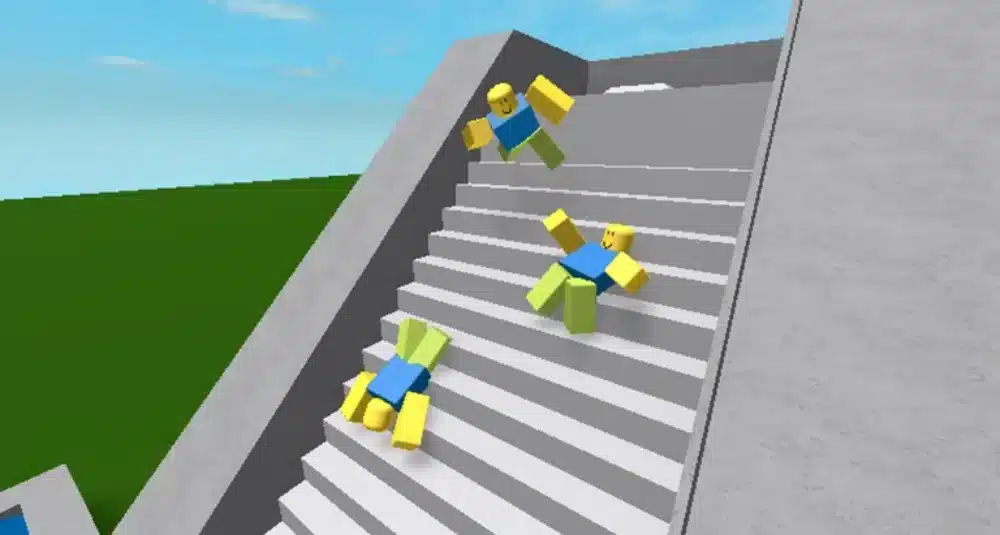
- Physics experiments.
Over time, complexity increased.
Today, Roblox experiences include:
- Competitive shooters
- Open-world RPGs
- Social simulators
- Horror games
- Tycoon and management games
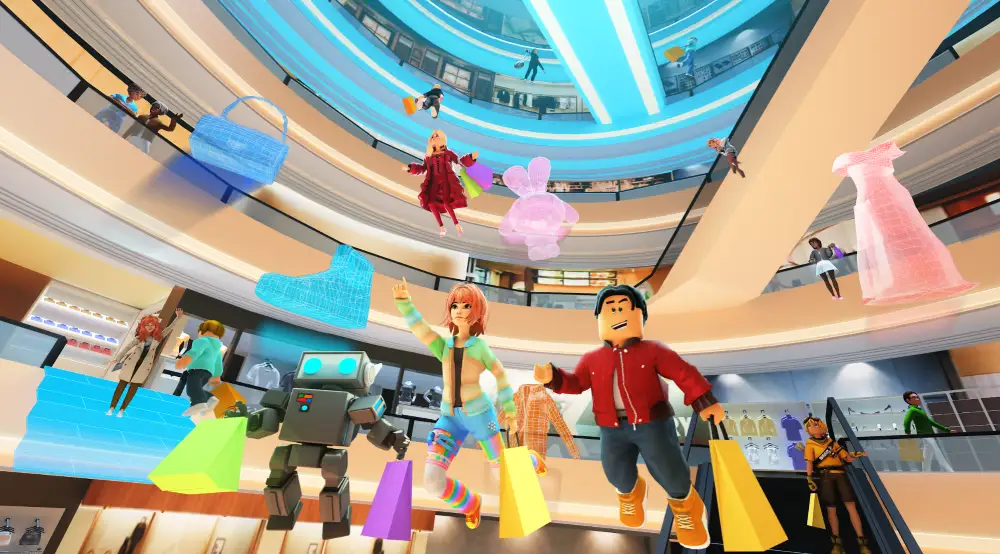
Many of these experiences rival standalone games in depth and polish. This evolution proves that Roblox is no longer just a “kids’ game.” It is a full gaming platform with diverse genres and communities.
Performance challenges in modern Roblox
As Roblox experiences became more complex, performance demands increased as well. Large maps, real-time multiplayer, advanced scripting, all of this puts pressure on network stability.
Lag, high ping, and packet loss can severely impact gameplay, especially in competitive or fast-paced Roblox games. That’s where ExitLag becomes essential.
ExitLag optimizes your connection by routing your traffic through the best available paths. This reduces latency, stabilizes your connection, and improves responsiveness in Roblox experiences.
For players who care about smooth movement, fast reactions, and stable servers, ExitLag makes a noticeable difference.
Why Roblox is still growing today
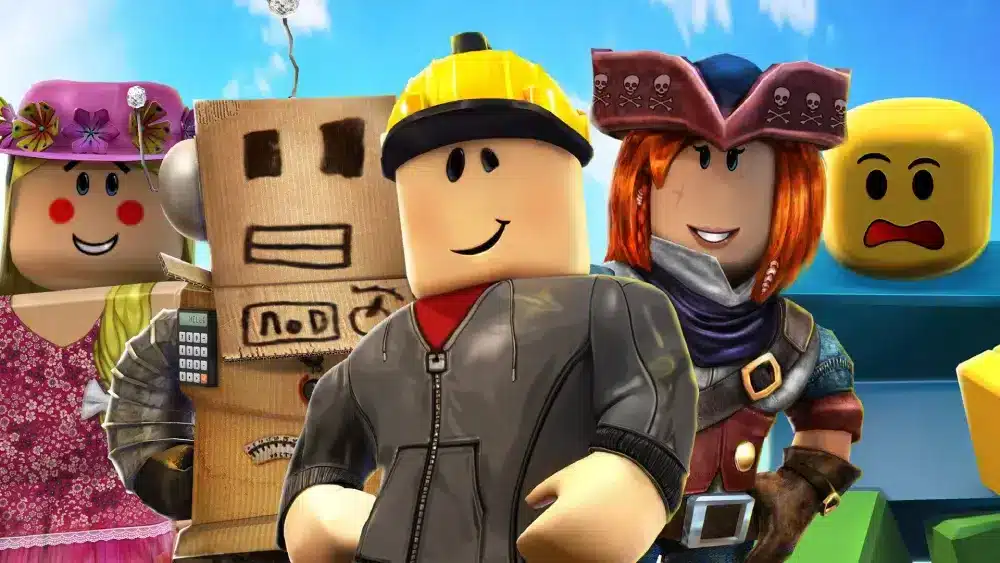
Roblox continues to expand because it adapts.
The platform constantly introduces:
- New creator tools
- Better monetization for developers
- Cross-platform compatibility
- Improved moderation systems
At the same time, it stays true to the core idea established when Roblox was created. Players create. Players play. Players build communities. That loop keeps Roblox alive and growing.
Roblox history and its future
Looking at Roblox history, one thing becomes clear: the platform was never meant to be static. From its early days as a physics sandbox to its current role as a global gaming ecosystem, Roblox has always evolved with its community.
As long as players continue creating new experiences, Roblox will keep expanding and as performance demands increase, tools like ExitLag will remain essential for delivering the smooth, competitive gameplay modern players expect.
Got questions or want to connect with other players? Join the conversation at the ExitLag Forum!