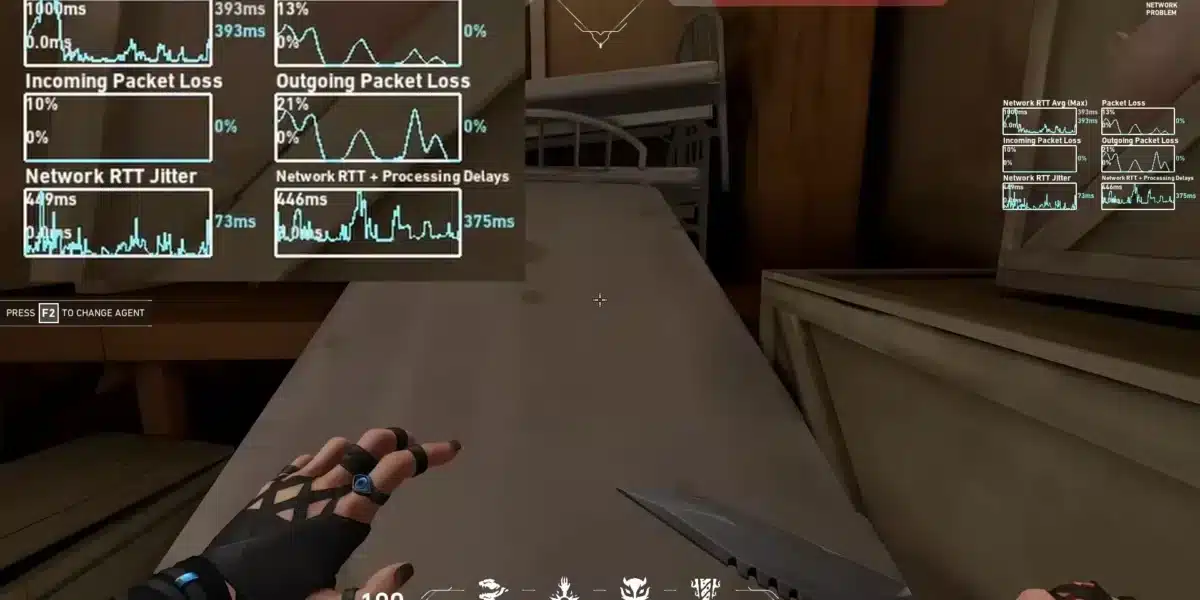

Learning breeze Valorant is essential for players who want to perform consistently on one of the most unique maps in Riot Games’ tactical shooter. Known for its long sightlines, open spaces, and challenging engagements, Breeze demands excellent aim, smart positioning, and coordinated teamwork. Unlike tighter maps that favor close-range combat, Breeze rewards players who understand map control and strategic rotations.
Breeze Valorant has become one of the game’s most distinctive battlegrounds because of its large layout and emphasis on long-range duels. Breeze Valorant encourages teams to adapt their agent compositions, communication, and utility usage to take advantage of wide angles and multiple attack paths. Whether you’re climbing ranked matches or improving your competitive skills, mastering Breeze can significantly increase your chances of success.
What is breeze Valorant? It is an official VALORANT map developed by Riot Games, featuring two bomb sites, expansive mid control, and numerous long sightlines that create a unique tactical environment. Compared to other maps in the game, Breeze requires stronger positioning, careful utility management, and effective teamwork to secure rounds.
In this guide, you’ll discover Breeze’s layout, important callouts, recommended agents, attacking and defending strategies, common mistakes, and practical tips to help you perform more confidently.
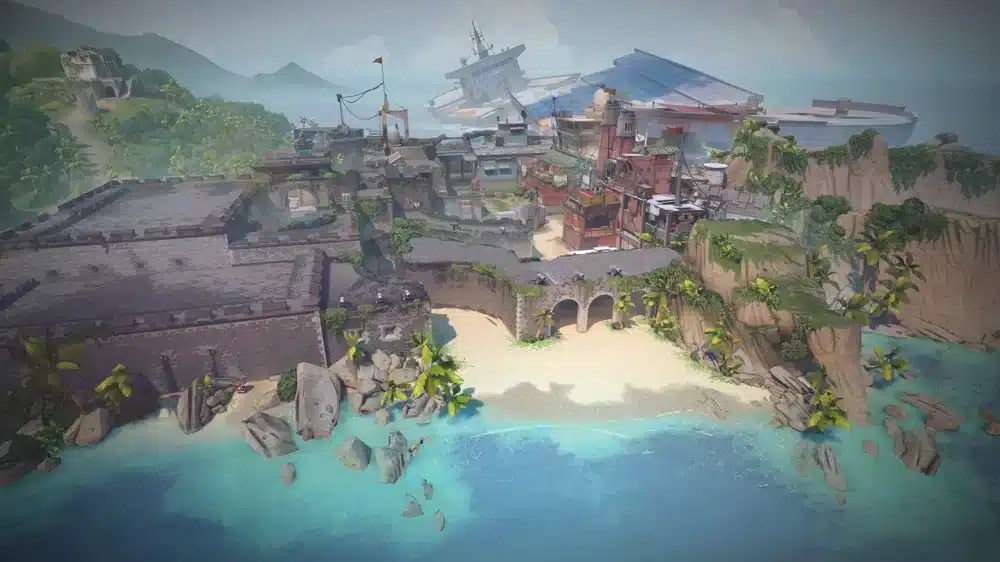
Breeze Valorant: Understanding the Map Layout
Before discussing tactics, it’s important to understand why Breeze plays differently from many other VALORANT maps. Its wide-open design changes how players approach almost every round.
A Large and Open Battlefield
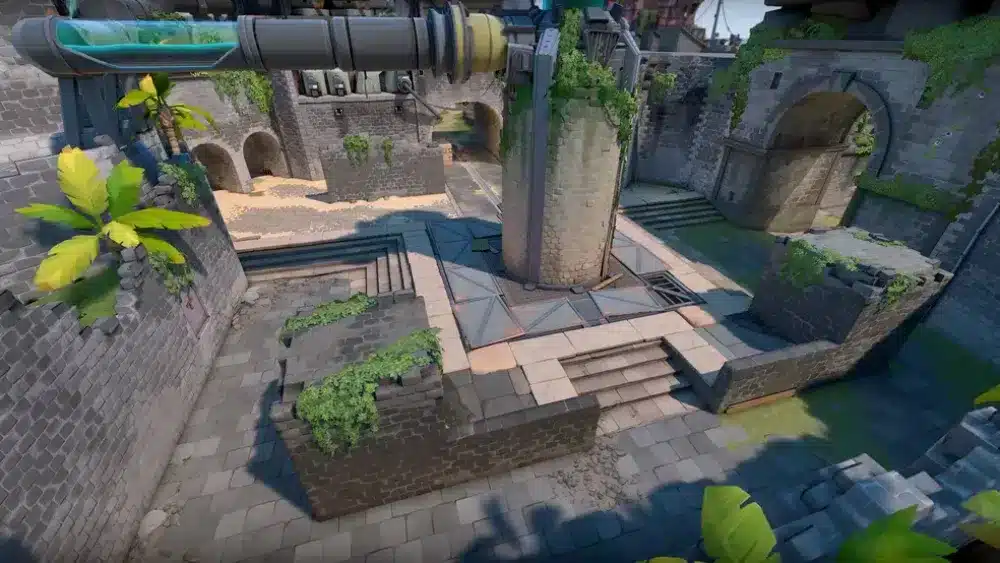
Unlike compact maps with narrow corridors, Breeze map Valorant offers long engagement distances and multiple entry points.
Some of its defining characteristics include:
- Large open areas;
- Long sightlines;
- Wide bomb sites;
- Extensive mid control;
- Multiple flanking routes.
These elements reward accurate shooting and disciplined positioning.
Key Areas of the Map
Learning the map’s most important locations improves communication with teammates.
Major callouts include:
- A Site;
- B Site;
- Mid;
- Cave;
- Hall;
- Tunnel;
- Elbow;
- Nest;
- Bridge.
Knowing these locations allows your team to react faster during every round.
How Breeze Differs from Other VALORANT Maps
Every VALORANT map encourages different strategies.
However, Valorant Breeze stands out because of its emphasis on map control and precision.
Long-Range Gunfights
One of the biggest differences is the frequency of long-distance engagements.
Because of the open design, players often favor:
- Vandal;
- Operator;
- Guardian;
- Sheriff;
- Marshal.
Weapons with high accuracy at range tend to perform exceptionally well.
Mid Control Is Critical
Unlike some maps where mid is optional, controlling the center of Breeze often determines the outcome of a round.
Teams that dominate Mid gain:
- Faster rotations;
- More attack options;
- Better information;
- Stronger post-plant positioning;
- Increased pressure on defenders.
As a result, coordinated teams frequently prioritize Mid control early in the round.
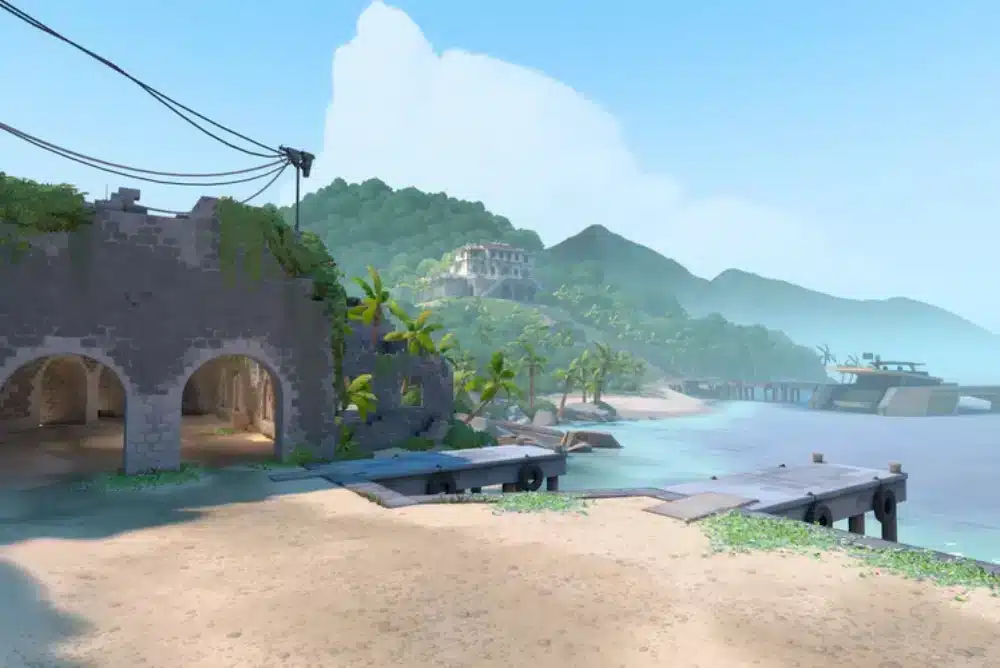
Best Agents for Breeze Valorant
Agent selection has a significant impact on your success.
Certain agents naturally perform better because of Breeze’s large open spaces.
Controllers
Controllers capable of blocking long sightlines are especially valuable.
Popular choices include:
- Viper;
- Harbor;
- Omen.
Their utility helps reduce the number of dangerous angles attackers must clear.
Duelists and Initiators
Aggressive agents also benefit from good utility support.
Strong picks often include:
- Jett;
- Sova;
- Skye;
- KAY/O;
- Yoru.
Each provides tools that help teams safely enter sites or gather information.
Breeze Valorant Map Callouts
Clear communication wins rounds.
Learning the most common Breeze Valorant map callouts allows teammates to react immediately.
A Site Callouts
Important A Site locations include:
- Cave;
- A Main;
- Shop;
- Pyramids;
- Bridge;
- Hall.
Using consistent terminology prevents confusion during intense firefights.
B Site Callouts
B Site also contains several frequently used locations.
These include:
- B Main;
- Tunnel;
- Elbow;
- Back Site;
- Pillar;
- Nest.
Practicing these callouts improves teamwork and faster decision-making.
Breeze Map Overview
The following table summarizes Breeze’s main characteristics.
| Feature | Description | Tactical Impact |
| Size | One of VALORANT’s largest maps | Rewards map control |
| Sightlines | Long engagement distances | Favors precise aim |
| Mid Area | Highly contested | Influences rotations |
| Bomb Sites | Spacious layouts | Requires coordinated utility |
| Flanking Routes | Multiple options | Encourages awareness |
Understanding these characteristics helps players adapt their strategy before each round begins.
Attacking on Breeze
Successful attacks require patience and coordination.
Rather than rushing immediately, teams often benefit from gathering information first.
Default Before Committing
Strong attacking teams frequently begin with a default setup.
This allows them to:
- Collect information;
- Pressure multiple areas;
- Force defensive utility;
- Identify weak sites;
- Create rotation opportunities.
After gathering information, committing becomes much safer.
Use Utility Efficiently
Because Breeze features many open angles, utility becomes even more valuable.
Effective utility usage includes:
- Blocking Operator sightlines;
- Clearing corners with flashes;
- Revealing hidden defenders;
- Isolating duels;
- Supporting post-plant positions.
Careful coordination usually outperforms individual aggression.
Defending Breeze Successfully
Defenders face unique challenges due to the map’s size.
Rotations often take longer, making communication essential.
Control Space Without Overcommitting
Instead of constantly pushing forward, defenders should balance aggression with information gathering.
Helpful defensive habits include:
- Holding disciplined angles;
- Communicating enemy positions immediately;
- Saving utility for executes;
- Watching potential flanks;
- Rotating only after confirming enemy pressure.
Patience often produces better defensive results than unnecessary risks.
Play Around Team Utility
Coordinated defensive utility can dramatically slow attacking teams.
Smokes, walls, flashes, and reconnaissance abilities become much stronger when used together instead of individually.
Common Mistakes Players Make on Breeze Valorant
Even experienced players can struggle on breeze Valorant if they approach the map the same way they play smaller environments like Bind or Split.
Because Breeze emphasizes long-range engagements and map control, adapting your decision-making is essential.
Recognizing common mistakes is one of the fastest ways to improve your consistency.
Ignoring Mid Control
One of the biggest errors is giving up Mid without contesting it.
When the opposing team controls Mid, they gain several advantages:
- Faster rotations;
- More options for splitting bomb sites;
- Better map information;
- Easier access to flanks;
- Increased pressure on defenders.
For this reason, successful teams usually dedicate resources to contesting Mid early in the round.
Taking Unnecessary Long-Range Duels
Because Valorant Breeze features wide-open spaces, many players challenge Operators or Vandals without proper utility.
Instead, try to:
- Peek with teammates.
- Use flashes before swinging;
- Smoke dangerous sightlines;
- Gather information first;
- Avoid predictable positions.
Winning rounds often depends more on teamwork than mechanical aim alone.
Breeze Mapping and Positioning Tips
Understanding Breeze mapping goes beyond memorizing callouts. It also means learning how the map flows during different stages of a round and how positioning changes as information becomes available.
Players who understand rotations and spacing usually perform much more consistently.
Strong Attacking Positions
While every round is different, attackers often benefit from controlling key areas before committing to a bomb site.
Important locations include:
- Mid Doors;
- Cave;
- Hall;
- B Main;
- Tunnel.
Controlling these positions gives attackers more flexibility and forces defenders to spread their resources.
Defensive Positioning
Defenders should avoid becoming too predictable.
Good defensive habits include:
- Changing angles between rounds;
- Playing crossfires with teammates;
- Falling back after gaining information;
- Saving utility for executes;
- Watching flank routes carefully.
Varying your positioning makes it much harder for attackers to read your defense.
Best Weapons for Breeze Valorant
Because of its open design, Breeze rewards precision and long-range accuracy more than many other maps.
Choosing the right weapon can significantly improve your effectiveness.
Recommended Rifles
These rifles perform especially well:
- Vandal;
- Guardian;
- Phantom (situational).
The Vandal remains a favorite because it can eliminate opponents with a single headshot at any distance.
Situational Weapons
Depending on your role and economy, these options may also be effective:
- Operator;
- Marshal;
- Sheriff.
Each excels in specific situations, particularly when holding long sightlines.
How Communication Improves Performance on Breeze
Mechanical skill is important, but communication often decides close matches.
Because Breeze is such a large map, teammates need timely information to rotate efficiently.
Helpful communication includes:
- Enemy locations;
- Utility usage;
- Spike position;
- Rotation timing;
- Available ultimate abilities.
Clear, concise callouts help every player make better decisions throughout the round.
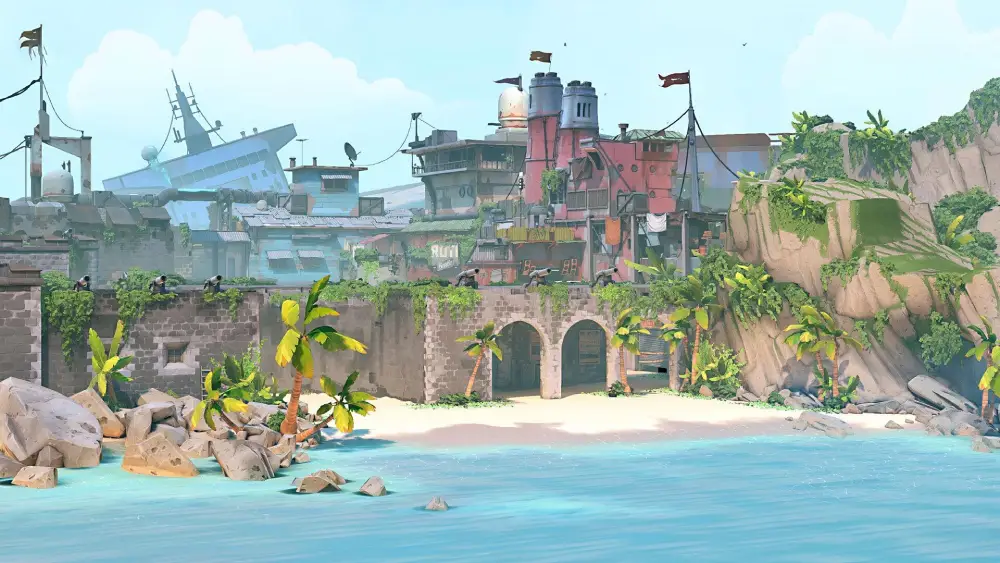
Why Connection Stability Matters in VALORANT
VALORANT is a tactical shooter where every millisecond can influence the outcome of a duel.
On a map like breeze Valorant, players frequently engage opponents across long sightlines, making consistent responsiveness especially valuable.
Network instability may contribute to:
- Higher ping;
- Packet loss;
- Delayed ability activation;
- Inconsistent hit registration;
- Rubberbanding.
While no software can eliminate every network issue, optimizing your connection route can help improve overall stability during online matches.
ExitLag uses intelligent multi-path routing technology to optimize the connection between your PC and supported game servers.
Rather than functioning as a VPN, ExitLag focuses exclusively on improving routing efficiency, helping reduce lag, high ping, and packet loss whenever possible.
FAQ
Is Breeze still in the VALORANT map pool?
The active competitive map pool changes over time as Riot Games rotates maps in and out. Check the latest official VALORANT updates to confirm whether Breeze Valorant is currently available in ranked play.
Which agents are strongest on Breeze?
Controllers such as Viper and Harbor perform well because they can block long sightlines. Initiators like Sova and Skye are also valuable for gathering information across the map’s large open areas.
Why is Breeze considered difficult?
Many players find Breeze challenging because of its size, long-range engagements, and emphasis on map control. Teams that communicate effectively and manage utility well generally perform better.
What weapons work best on Breeze?
The Vandal, Operator, Guardian, and Marshal are popular choices due to the map’s long sightlines. However, weapon selection should always consider your role, economy, and team strategy.
Does ExitLag help with VALORANT?
Yes. ExitLag supports VALORANT on PC by optimizing the connection route to supported game servers. It is not a VPN and does not change your location or IP address.
Master Breeze Valorant with Better Strategy and ExitLag
Learning breeze Valorant takes practice, communication, and a solid understanding of the map’s unique design. From controlling Mid and selecting the right agents to using utility effectively and positioning intelligently, every decision has a significant impact on your team’s success.
As you continue improving, you’ll discover that Breeze map Valorant rewards players who think strategically rather than relying solely on mechanical skill. Developing better map awareness, refining your communication, and adapting to different situations will help you perform more consistently across both casual and competitive matches.
Finally, maintaining a stable connection is just as important as mastering tactics, especially during high-pressure rounds where every shot and ability matters.
Ready to improve your VALORANT experience? Download ExitLag today and optimize your connection for lower ping, greater stability, and smoother gameplay on Breeze and every other supported map.
alorant experience.
Got questions or want to connect with other players? Join the conversation at the ExitLag Forum!