

If you’re drawn to the thrill of discovery, the mystery of uncharted worlds, and the satisfaction of uncovering hidden secrets, then you’re likely a fan of exploration games. These games deliver some of the most immersive and expansive gameplay experiences available, inviting players to lose themselves in beautifully crafted virtual worlds.
Whether you prefer the vast openness of space, ancient ruins, or fantasy realms, exploration games offer something unique. They often combine adventure, survival, storytelling, and freedom, creating unforgettable journeys. In this guide, we’ll dive into the top exploration games across platforms, covering PC, console, and even mobile titles.
What are exploration games?

They are titles that emphasize discovering environments rather than following linear paths. Players are encouraged to roam freely, investigate surroundings, and unravel narratives hidden within the game world.
ExitLag enhances your experience in these games by optimizing your connection, reducing lag spikes, and improving server routing. This is particularly relevant in multiplayer or cloud-connected exploration titles. For purely offline, single-player games, the benefits may be more limited, although stability improvements in background processes can still provide smoother overall gameplay.
Why people love exploration games
Freedom of movement
One of the defining traits of exploration games is the sense of freedom. Instead of being confined to specific routes or objectives, you’re given the liberty to venture in any direction. This design element allows for deeper immersion and personal storytelling.
Discovery and secrets
Exploration games reward curiosity. From hidden caves to secret items and lore, they build worlds that feel alive and layered. This motivates players to observe their environment carefully, promoting engagement over simple action.
Types of exploration games
Open-world exploration
Many exploration games fall under the open-world umbrella. These include vast maps where every corner can hide a new discovery. Open world exploration games like The Legend of Zelda: Breath of the Wild1 or Subnautica invite players to experiment and interact with their environment at their own pace.
Narrative exploration
Also known as “walking simulators,” these focus more on story than combat or mechanics. Games like Firewatch and What Remains of Edith Finch2 are excellent examples of narrative exploration games where the player uncovers the story by moving through the game world.
Space and sci-fi exploration
For fans of cosmic journeys, space exploration games like No Man’s Sky or Outer Wilds offer vast galaxies to roam, filled with planets, anomalies, and interstellar lore. These are ideal for players who want to experience solitude and wonder.
Best exploration games across genres

Action-adventure
Games like Tomb Raider and Assassin’s Creed: Odyssey blend action with exploratory mechanics, rewarding players for thorough investigation and navigation of the environment.
Fantasy and RPG
Titles such as Elden Ring, Skyrim, and The Witcher 3 integrate exploration deeply into RPG systems, encouraging players to talk to NPCs, unlock lore, and find hidden quests. These fantasy exploration games bring rich storytelling and dynamic worlds.
Indie and minimalist
Smaller studios have mastered the art of crafting tight, impactful exploration experiences. Journey, Abzû, and Inside offer atmospheric storytelling and stunning visuals without overwhelming complexity.
Best PC exploration games to download
Note: Installation requirements and compatibility can vary across exploration titles. Always check system specs before downloading.
1. Subnautica
Dive into an alien ocean world filled with mystery and danger. The game masterfully balances survival with exploration.
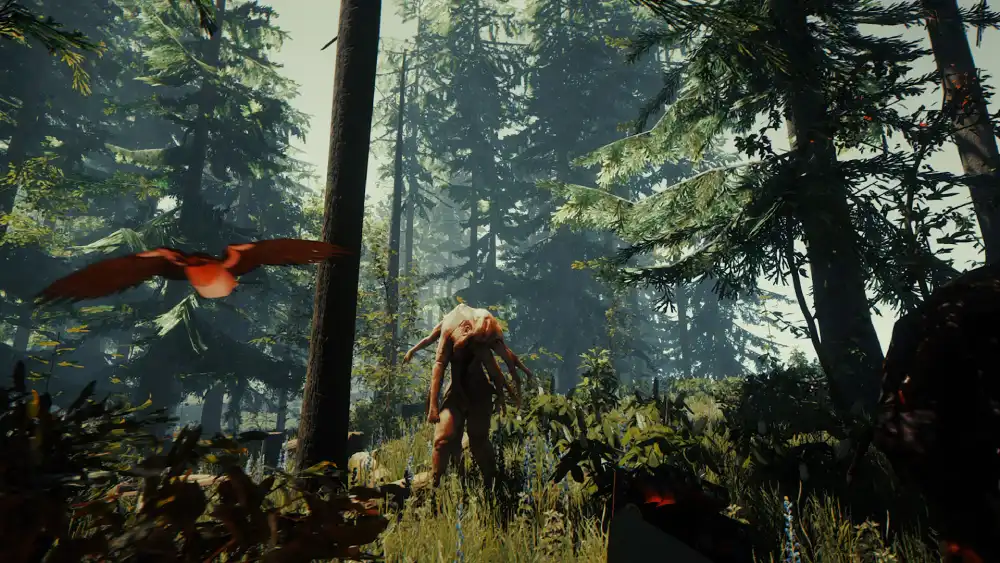
2. The Forest
This survival horror game adds narrative and discovery to its core mechanics, inviting players to explore and uncover its dark secrets.
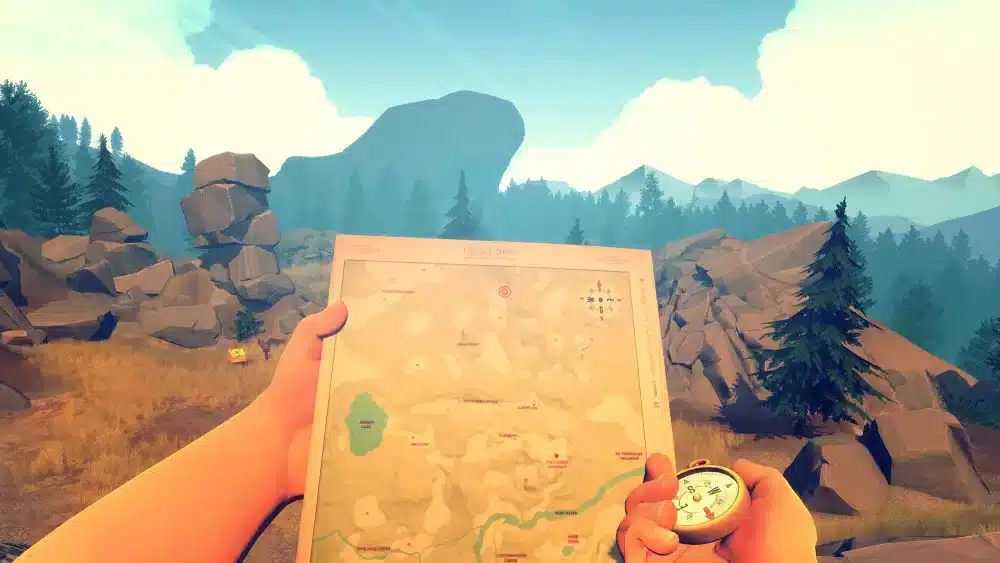
3. Firewatch
Set in the Wyoming wilderness, this narrative game emphasizes emotional depth and environmental storytelling.
Exploration games on Steam
Steam remains the go-to platform for PC gamers. It features a specific “Exploration” tag3 for discovering relevant titles. Some standout Steam exploration games include:
- Outer Wilds: Critically acclaimed for its time-loop narrative and interplanetary exploration.
- Eastshade: Paint and explore a tranquil fantasy world.
- The Long Dark: A survival exploration title set in a post-apocalyptic frozen landscape.
Great exploration games for fantasy lovers
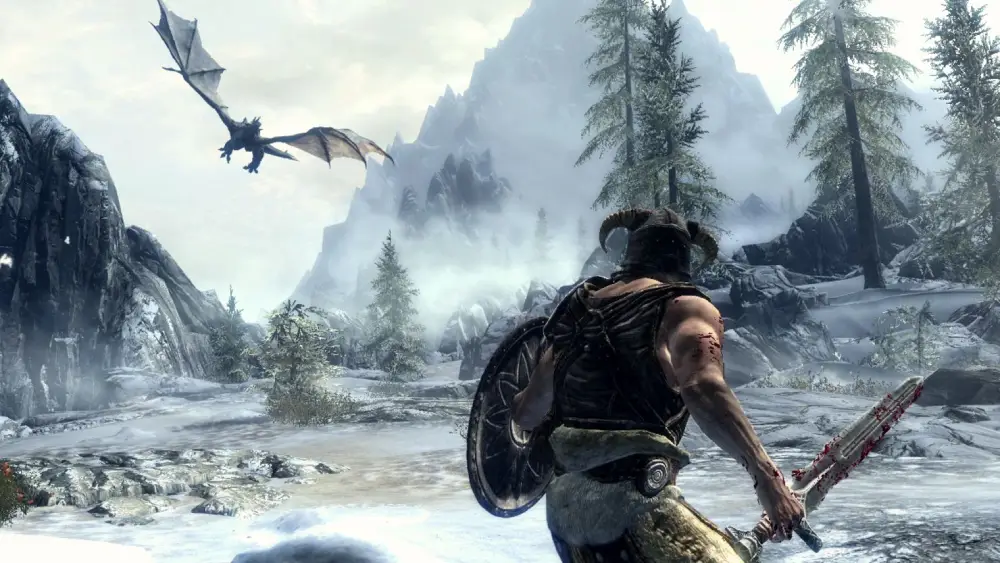
If you’re into magic, dragons, and medieval quests, great exploration games in the fantasy genre will scratch that itch:
- Skyrim: The benchmark for fantasy open-world games.
- Dragon Age: Inquisition: Mixes exploration with deep character interaction.
- GreedFall: Offers colonial-era exploration with RPG depth.
Best exploration games for casual players
Low-pressure adventures
Not every exploration game demands combat or complex controls. Casual exploration games like ABZÛ and A Short Hike allow for relaxing gameplay focused on scenery and gentle discovery.
Cozy exploration experiences
Titles like Spiritfarer and Stardew Valley incorporate exploration into slice-of-life mechanics. Perfect for players seeking something emotionally rewarding.
How exploration games promote immersion
Rich environments
Exploration games shine when environments feel lived-in. Developers pay extra attention to detail, from weather systems to sound design, to immerse players in their world.
Storytelling through space
Environmental storytelling is key. The world itself becomes a character, conveying plot and emotion without exposition. This subtle method enhances immersion without breaking pace.
How ExitLag optimizes your exploration experience
ExitLag reroutes your connection through optimal paths to game servers, reducing lag and packet loss. This is particularly important in large, seamless worlds or multiplayer-enabled exploration games where latency can break immersion. For entirely offline single-player titles, the benefits may be more limited.
Whether you’re playing solo or online, ExitLag ensures that your experience in the best exploration games is fluid and uninterrupted.
How to pick the best exploration game for you
Key factors to consider
- Setting: Do you prefer fantasy, post-apocalyptic, sci-fi, or real-world environments?
- Pacing: Some games are relaxing and slow-paced, others intense and filled with action.
- Level of combat: Are you looking for a peaceful walking simulator or something with survival elements?
- Multiplayer vs single-player: Some experiences are better shared, while others are deeply personal.
- Platform availability: Always check if a title is available for PC, console, or mobile — and consider how controls and visuals might differ across platforms.
Top-rated exploration games worth trying
Critically acclaimed gems
Some top exploration games that consistently receive praise include:
- The Legend of Zelda: Breath of the Wild1
- Red Dead Redemption 2
- Outer Wilds
- Hollow Knight
Underrated experiences
Less mainstream but equally engaging titles:
- Eastshade
- Return of the Obra Dinn
- Sable
These games offer artistic innovation and memorable worlds for those willing to dig a bit deeper.
Exploration games with strong visual storytelling
Environmental narrative design
The visual elements of exploration games often do more than create atmosphere — they tell the story. Environmental storytelling means you can walk into a room and immediately sense its history through clutter, lighting, decay, or subtle clues. Games like Return of the Obra Dinn and The Vanishing of Ethan Carter are outstanding in using surroundings to deliver impactful narrative moments.
Symbolism and visual metaphors
Games like Journey and Inside use symbolism to drive emotional storytelling. Instead of dialogue-heavy exposition, these games let you interpret the world’s meaning. This style suits players who appreciate artistic depth and open-ended narratives.
Multiplayer exploration experiences
Cooperative exploration
Exploration isn’t always a solo journey. In games like Sea of Thieves or Raft, players can team up to discover new islands, build shelters, and solve mysteries together. These co-op experiences make discovery social and dynamic.
MMO and persistent worlds
Massively multiplayer online (MMO) games take exploration to another level. Titles like Elder Scrolls Online or Black Desert Online offer expansive maps filled with lore, quests, and player-driven economies. Exploration in MMOs can be both guided and spontaneous.
Mobile-friendly exploration games
Compact adventures on the go
Mobile platforms have grown rich in exploration titles. Games like Sky: Children of the Light bring console-level ambiance to smartphones. These are perfect for quick sessions that still offer emotional impact.
Touchscreen-enhanced mechanics
Some exploration games are built specifically for mobile, utilizing pinch, swipe, and tilt. Titles like Monument Valley use puzzle-based exploration with tactile interfaces, redefining how players interact with the game world.
The evolution of exploration mechanics
From 2D maps to living worlds
Early exploration games were confined to side-scrolling or top-down maps. Today, games offer procedurally generated universes, dynamic weather, and real-time interaction. This technological leap allows for more immersive, unpredictable gameplay.
Integration with other genres
Exploration mechanics now integrate with genres like survival (Green Hell), horror (SOMA), and even roguelike (Dead Cells). This hybridization adds variety to player experience while keeping exploration central.
Accessibility in exploration games
Inclusive design practices
Games like The Last of Us Part II include groundbreaking accessibility options — from navigation aids to colorblind modes. These features help make exploration more inclusive for all players.
Narrative pacing and player control
Allowing players to adjust text speed, enable guided pathing, or modify difficulty ensures that exploration doesn’t become overwhelming. This is especially vital in narrative-rich or puzzle-heavy environments.
Educational and real-world inspired exploration games
Historically grounded adventures
Some exploration games double as interactive history lessons. Heaven’s Vault incorporates real languages and archaeology, while Assassin’s Creed Origins offers Discovery Tours to explore Ancient Egypt without combat.
Science and nature themes
Games like Beyond Blue and Terra Nil center around ecology and conservation. These titles are not only relaxing but subtly educate players on environmental topics, merging gameplay with real-world relevance.
Fan communities and modding scenes
User-generated content
Games like Minecraft or No Man’s Sky thrive thanks to passionate fanbases. Player-made maps, quests, and mods extend the life of exploration games far beyond official releases.
Community guides and discussions
Reddit threads, Discord servers, and wikis often document entire universes discovered by communities. These resources become essential companions for players wanting to dig deeper.
Future trends in exploration games

AI-generated worlds
Procedural generation has been around for a while, but future exploration titles may use AI to create intelligent environments that adapt to player behavior — offering fresh experiences with every login.
Cross-platform and cloud gaming
With services like Xbox Cloud Gaming and GeForce NOW, players can explore complex game worlds without needing powerful hardware. This democratization of access means more people can enjoy premium exploration experiences.
Immersive technologies
VR and AR open new dimensions for exploration. Games like Half-Life: Alyx already showcase how immersive physics and spatial design can transform narrative discovery. Expect more titles to adopt these technologies in the coming years.
FAQ
Some excellent free titles include Genshin Impact, Creativerse, and Sky: Children of the Light, which offer expansive worlds without upfront cost.
Yes, many exploration games are kid-friendly. Titles like Minecraft, ABZÛ, and Ori and the Blind Forest balance visual beauty with intuitive mechanics.
Absolutely. Many exploration games are designed for offline, single-player experiences. However, for online or co-op games, tools like ExitLag can optimize your connection.
Adventure games often focus on story progression and puzzles, while exploration games prioritize freedom, discovery, and environmental interaction.
ExitLag improves routing for online games by reducing latency and avoiding packet loss. It’s most effective for multiplayer or cloud-connected exploration games.
All game images used in this article about exploration games belong to their respective developers. They are used for informational/educational purposes only and do not imply endorsement or affiliation with the rights holders.
Got questions or want to connect with other players? Join the conversation at the ExitLag Forum!