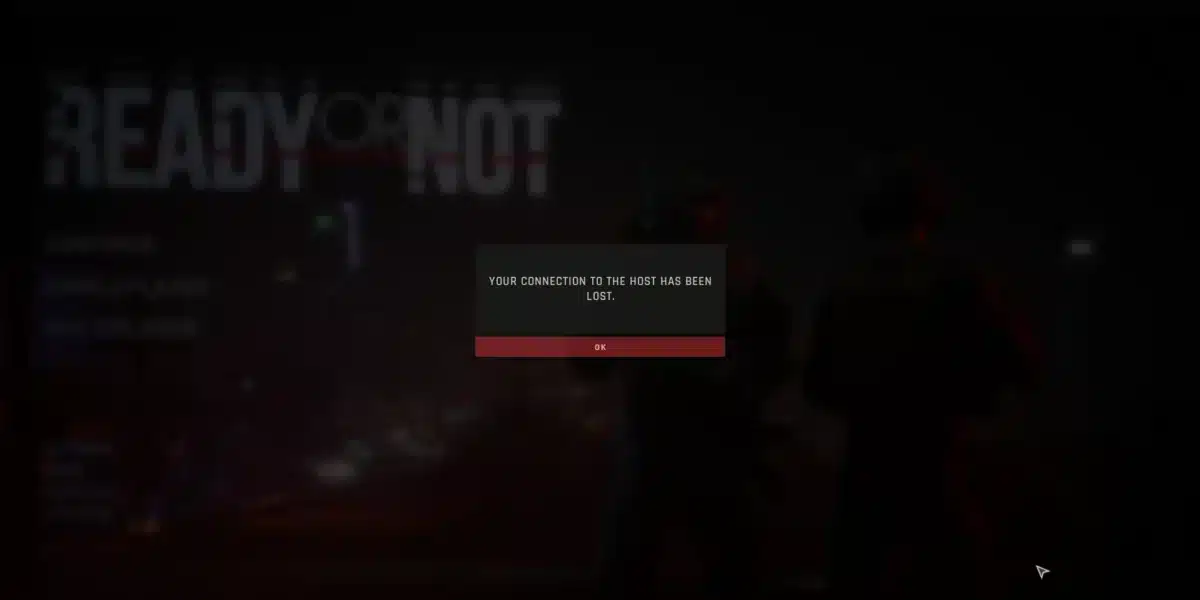
When it comes to online gaming, nothing ruins a great match faster than lag. Every gamer knows the frustration of delayed shots, teleporting enemies, or losing because your commands didn’t register in time. That’s why understanding what constitutes a good ping for gaming is crucial for any competitive or casual player who wants consistent performance.
If your game feels sluggish or unresponsive, your ping might be the reason. In this guide, we’ll explore everything you need to know about ping, how it affects gameplay, and how to improve it for a better experience across all your favorite titles. A good ping for gaming ensures your actions are transmitted instantly to the server and other players, creating a smoother and fairer gaming experience.
What Is Good Ping for Gaming?
Ping measures the time it takes for your device to send and receive information from a game server. It’s expressed in milliseconds (ms), and the lower your ping, the faster your connection responds. In short, good ping for gaming means minimal delay between your input and the game’s response.
What is considered good ping for gaming? This is a reference of ping quality levels, based on multiple technical sources (Virgin Media, Hyperoptic):
| Ping Range (ms) | Connection Quality | Gaming Experience |
| 0–30 ms | Excellent | Ideal for competitive e-sports and FPS titles |
| 30–60 ms | Good | Smooth experience for most online games |
| 60–100 ms | Average | Playable, but minor delays may appear |
| 100–150 ms | Poor | Noticeable lag, difficult for fast-paced genres |
| 150+ ms | Bad | Severe delay, generally unplayable |
So, what is a good ping for gaming? For highly competitive genres (FPS, e-sports), the best performance comes from maintaining under 30–40 ms. For genres less dependent on reaction time, such as RPGs or strategy games, up to 80–100 ms can still be acceptable. Ideally, anything under 50 ms provides a balanced experience for most players, though tolerance varies by game type and region.
It’s also important to remember that ping is not the only metric that affects gameplay. Low jitter (latency variation) and minimal packet loss are equally vital for a stable and responsive experience, as highlighted by PingPlotter.
Factors That Affect Your Ping
Besides knowing what’s a good ping for gaming, understanding what influences your ping helps you pinpoint the cause of poor performance and take targeted action.
1. Distance to the Server
The farther your device is from the game’s server, the longer it takes for data to travel. Always choose servers closest to your region to achieve a good ping for gaming.
2. Network Congestion
During peak hours, internet traffic spikes, causing slower data transfer. This can lead to latency increases even on high-speed plans.
3. Connection Type
Wired connections (Ethernet) are always faster and more stable than Wi-Fi. Using an Ethernet cable drastically improves your response time.
4. ISP Routing and Quality
Your Internet Service Provider’s (ISP) routing paths and infrastructure quality can make or break your latency. Some ISPs route traffic inefficiently, adding unnecessary delays.
5. Background Usage
Downloads, updates, or streaming happening simultaneously can steal bandwidth and increase latency.
How to Improve Ping for Better Gaming Performance

Now you know what’s good ping for gaming. On top of that, optimizing your connection for a good ping for gaming involves both hardware and software adjustments. Below are proven methods that every gamer should try.
Use a Wired Connection
Switching from Wi-Fi to Ethernet immediately reduces signal interference and packet loss.
Close Background Apps
Disable unnecessary applications like streaming software, cloud sync, and large downloads before gaming.
Choose the Right Server
Most online games let you pick your regional server. Always select the one geographically closest to you.
Restart Your Router Regularly
Routers can accumulate performance issues over time. Restarting them clears cached data and reestablishes a stable connection.
Limit Devices on Your Network
Too many connected devices can congest your network. Prioritize gaming devices for bandwidth allocation.
Use ExitLag for Routing Optimization
ExitLag identifies the fastest route between you and the game server using real-time data, keeping latency low and stable. This helps ensure a consistently good ping for gaming across multiple platforms.
Best Ping for Different Game Genres
Different games handle latency differently. Knowing the acceptable range for each type helps set realistic expectations. Note that the following ranges are estimates and may vary depending on game server quality, region, and infrastructure.
- FPS Games (Call of Duty, Valorant, CS2): Shooters rely heavily on reflexes and precision. The ideal ping for FPS games is below 30–40 ms. Anything higher than 60 ms can create noticeable delays between shooting and registering hits.
- MOBA Games (League of Legends, Dota 2): MOBA players can manage up to 60 ms without major issues, though professional play often demands 30 ms or less.
- MMORPGs (World of Warcraft, Final Fantasy XIV): Ping below 100 ms is generally fine, as these games rely more on strategy than real-time reaction.
- Battle Royale Games (Fortnite, Apex Legends): Because of large server populations, a good ping for gaming in these titles is typically under 60 ms for stable shooting and movement.
Tools to Measure and Track Your Ping
Monitoring your ping regularly ensures consistent performance. Here are reliable tools you can use:
Speedtest by Ookla
Provides a quick overview of your download, upload, and latency metrics.
PingPlotter
Offers visual tracking of packet routes, helping diagnose routing problems and measure jitter and packet loss.
ExitLag’s Built-In Metrics
ExitLag continuously monitors your connection quality while playing, giving real-time feedback to maintain a good ping for gaming.
Command Prompt (Windows)
You can manually check your ping by typing ping [server address] to test specific routes.
Common Myths About Ping and Lag

Understanding what truly affects your connection helps avoid unnecessary fixes.
Myth 1: Higher Internet Speed Always Means Lower Ping
Speed and ping are separate metrics. Fast downloads don’t guarantee quick communication between your PC and the game server.
Myth 2: Gaming VPNs Always Increase Ping
While some VPNs may cause delays, tools like ExitLag are designed specifically to optimize routing and reduce ping.
Myth 3: Console Players Can’t Improve Ping
Consoles benefit from the same network optimizations as PCs. Using Ethernet and selecting closer servers helps achieve a good ping for gaming.
How Latency Affects Competitive Gaming
Latency determines how fast your actions register in the game. Even a 20 ms difference can decide the outcome in ranked matches. In fast-paced games, milliseconds matter.
Professional players invest in optimized networks, fiber connections, and tools like ExitLag to maintain a good ping for gaming at all times.
Examples of Latency Impact:
- FPS: Delayed hit registration and missed shots.
- MOBA: Late skill activation and missed combos.
- Racing: Slower lap responses during time trials.
- MMO Raids: Desynchronized movement between players.
Advanced Techniques to Maintain Low Ping
- Enable Quality of Service (QoS): Some routers allow prioritization of gaming traffic, ensuring stable performance.
- Use DNS Optimization: Switching to faster DNS servers like Google DNS or Cloudflare can improve routing efficiency.
- Update Network Drivers: Outdated drivers can cause instability. Regular updates ensure compatibility with modern game servers.
- Monitor Network Jitter: Jitter measures fluctuations in latency. Keeping it low is essential for a good ping for gaming.
- Optimize In-Game Settings: Lowering visual effects may not directly reduce ping, but it prevents input lag that feels similar.
External Resources
For deeper understanding of latency and connection metrics, you can check PC Gamer’s guide to ping and lag, PingPlotter’s network performance guide, and official ISP references from Virgin Media and Hyperoptic about latency standards.
Good Ping for Gaming Conclusion: How ExitLag Helps Improve Your Ping
ExitLag is a connection optimization tool that uses multipath technology to stabilize and reduce latency. It finds the best route between your PC and the game server, minimizing packet loss and fluctuations that cause lag. Depending on your network path and location, players may experience noticeable improvements in stability and response time.
By connecting through optimized routes, ExitLag often provides more consistent latency, fewer spikes, and a good ping for gaming, especially in demanding regions or during high server load.
Having a good ping for gaming can transform your online experience from frustrating to flawless. By understanding what ping means, the factors that affect it, and how tools like ExitLag optimize routes, you can take control of your connection.
FAQ: Good Ping for Gaming
A good ping for gaming is typically under 50 milliseconds, ensuring a responsive connection. For highly competitive titles like Valorant or CS2, under 30–40 ms is ideal. For less time-sensitive games like MMOs, ping up to 100 ms can still provide a smooth experience.
You can check your ping using tools such as Speedtest by Ookla, PingPlotter, or the in-game network diagnostics menu. For a detailed route analysis, PingPlotter also reveals packet loss and jitter, helping identify unstable connections.
Ping fluctuations often occur due to network congestion during peak hours, shared connections, or temporary server load. Restarting your router or using a service like ExitLag can help reroute your traffic for more stable latency.
ExitLag can improve routing efficiency by finding optimal network paths between your device and the game server. In some cases, users report significant latency reduction and stability gains, though results vary based on location, ISP routing, and game server conditions.
No. Along with ping, other metrics like jitter (latency variation) and packet loss heavily influence performance. Even with low ping, unstable connections can cause lag spikes or disconnections. Aim for low jitter and zero packet loss for the best experience.
While using Android emulators like BlueStacks or LDPlayer doesn’t necessarily increase ping, some games or servers restrict their use. Always review the game’s Terms of Service before playing via emulator to avoid potential account issues.
High-speed internet plans focus on bandwidth, not latency. Ping is influenced by distance to servers, ISP routing, and network stability — not just download or upload speed.
While possible, Wi-Fi connections are prone to interference. For consistent good ping for gaming, a wired Ethernet connection is always recommended.
Latency (ping) measures the delay in milliseconds, while lag describes the overall responsiveness of your game. Lag can be caused by high ping, packet loss, or hardware performance issues.
Use Ethernet, close background apps, select the nearest game server, enable QoS on your router, and consider network optimization tools like ExitLag for dynamic routing improvements.
Got questions or want to connect with other players? Join the conversation at the ExitLag Forum!