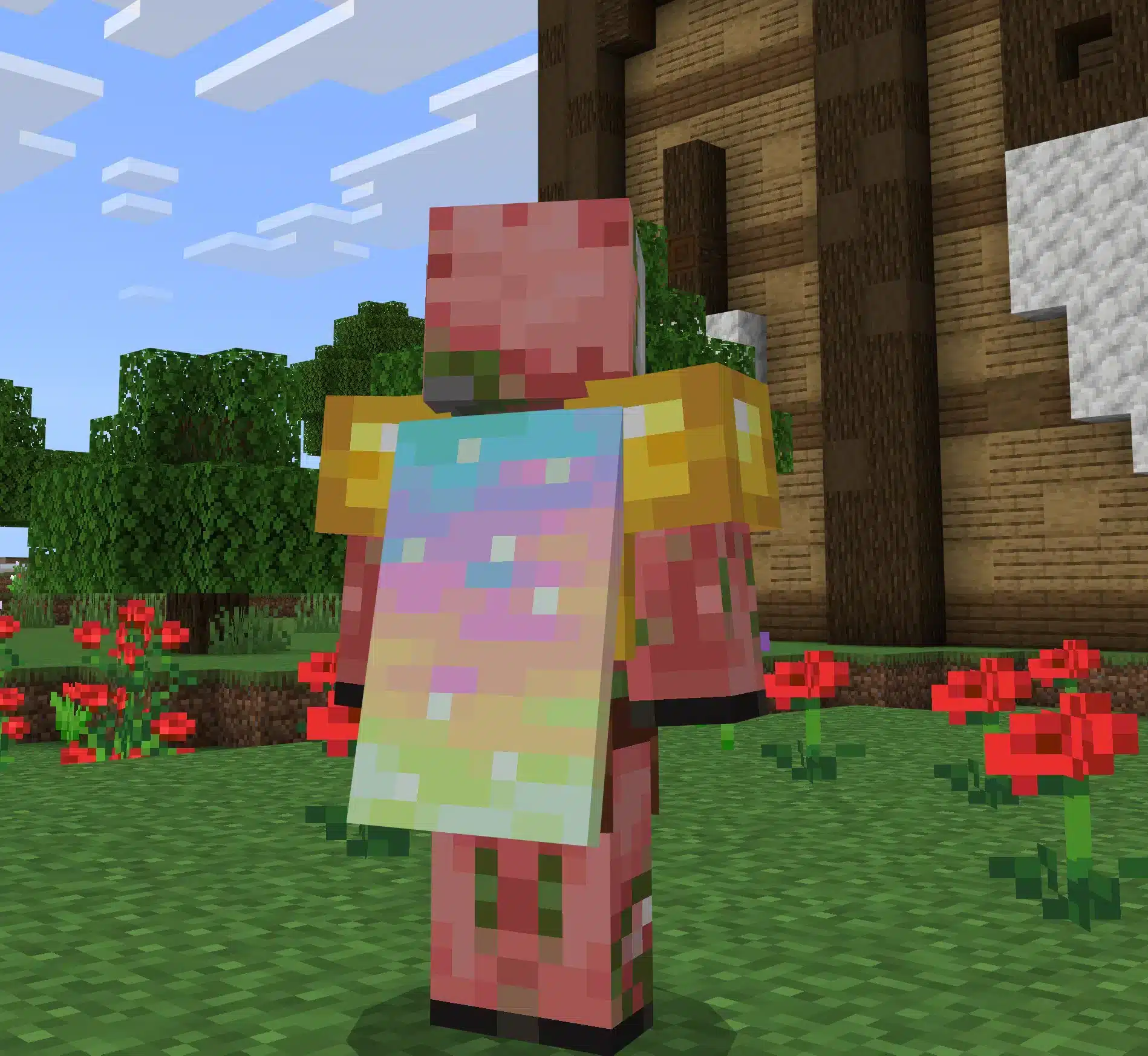
Learning how to get leather in Minecraft is important surprisingly early in a survival world. Leather is needed for books, item frames, leather armor, leather horse armor, and several other useful crafting paths, so a small supply can disappear quickly once you begin enchanting or organizing a large base.
Connection problems can become especially annoying when you are gathering resources on an online server or Realm. If disconnects are interrupting your farms or exploration, this guide to fixing a Minecraft connection timeout error covers common network-related causes and troubleshooting steps while you continue learning how to get leather in Minecraft.
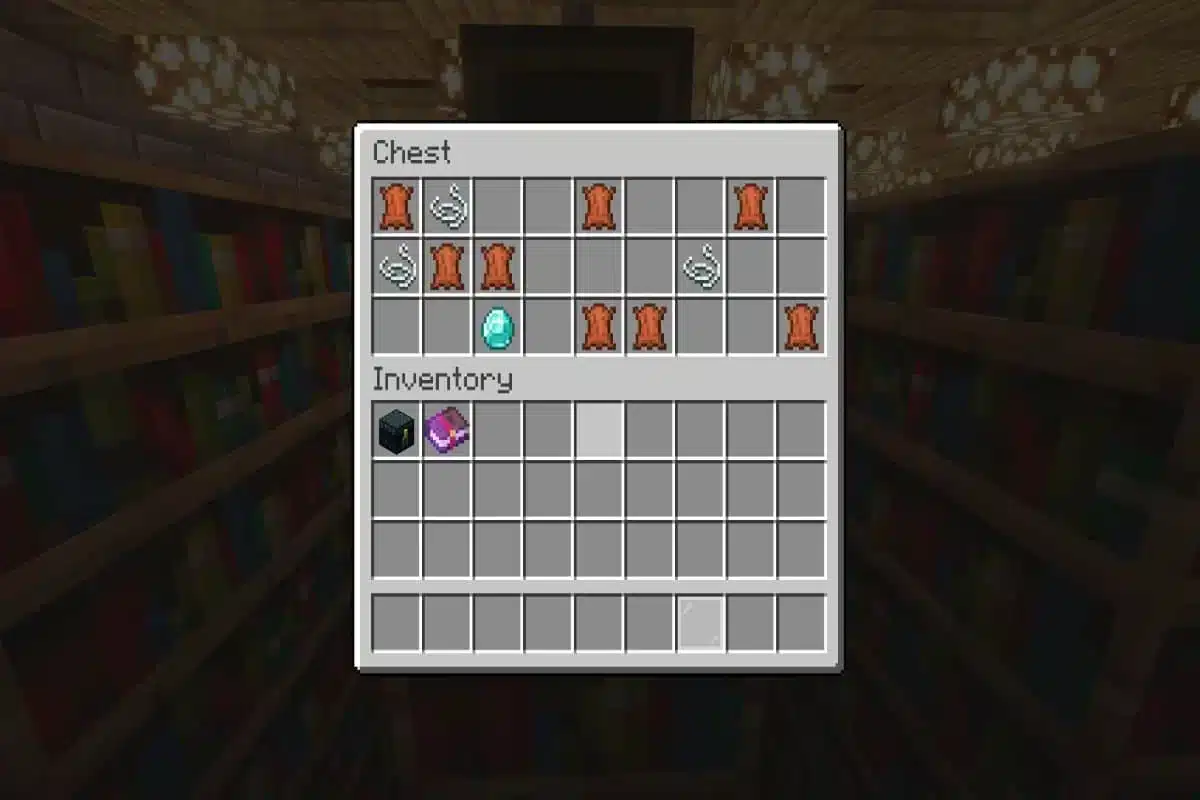
Fortunately, how to get leather in Minecraft is not limited to wandering around and killing every cow you find. Cows are still one of the easiest renewable sources, but you can also use mooshrooms, horses, llamas, hoglins, rabbit hide, piglin bartering, fishing, chest loot, and certain villager-related mechanics.
The best method depends on your stage of progression. Early-game players usually benefit from a simple cow pen, while established worlds can produce large amounts through breeding or Nether farms. Players researching how to get leather Minecraft methods without harming cows also have several alternatives.
What is the fastest way to get leather in Minecraft?
For most survival players, the fastest practical answer is a renewable animal farm. Cows are easy to find, easy to breed, and provide both leather and beef, which makes them useful long before you need an industrial-scale setup.
Later in the game, hoglin farming can produce large amounts of leather and food, especially if you already have the resources and Nether access required for a more advanced farm.
The best leather Minecraft farming method therefore changes as your world develops. A small cow enclosure is usually more efficient on day three than spending hours building a complicated Nether system.
Farm cows and mooshrooms
Cows are the classic answer to how to get leather in Minecraft because they require very little setup.
Start by finding at least two cows. Wheat can be used to lure them into a fenced enclosure and then breed them. Once you have enough adults, keep a breeding population alive and harvest only the excess animals.
A straightforward progression looks like this:
- Find two or more cows.
- Build a fenced enclosure.
- Grow wheat nearby.
- Feed wheat to two adult cows to breed them.
- Allow calves to grow.
- Repeat the breeding cycle.
- Harvest excess adult cows when you need leather.
Mooshrooms can also drop leather and can be bred, making them another renewable option if your world gives you convenient access to them.
Using a sword enchanted with Looting can increase the potential leather yield from eligible mob drops. That makes Looting particularly useful once your farm has enough animals to support repeated harvesting.
As your survival setup expands, improving and maintaining equipment becomes part of the same resource loop. Understanding the Minecraft grindstone recipe and how it works can help when you need to repair or manage enchanted equipment used during farming and exploration.
Use hoglins for late-game leather farming
Hoglins provide another renewable source of leather, but they are much more dangerous than cows.
They naturally inhabit the Nether and can drop leather when killed. Because they also provide pork, a properly designed hoglin farm can produce two highly useful resources at once.
For advanced players asking how to get leather in Minecraft in large quantities, this can be more scalable than manually breeding cows.
However, the setup is not ideal for beginners. You need Nether access, suitable building materials, a safe location, and enough knowledge of hoglin behavior to avoid turning your resource project into repeated deaths.
A cow farm is safer and simpler. A hoglin farm makes more sense when you are already comfortable operating in the Nether.
Other mobs that can drop leather
Several other mobs can provide leather, including:
- horses;
- donkeys;
- mules;
- llamas;
- trader llamas.
These are valid sources, but they are rarely the best animals to farm specifically for leather.
Horses, donkeys, and mules have transportation and storage value. Llamas can also be useful animals. Killing them merely for leather is therefore usually less efficient than breeding cattle.
For most players searching for leather Minecraft resources, cows remain the best balance of safety, availability, renewability, and useful secondary drops.
How do you get leather in Minecraft without killing cows?
You have several options if you do not want to kill cows. Some still involve hostile mobs or other animals, while others allow you to obtain leather without killing any creature at all.
This matters for challenge worlds, role-playing servers, peaceful-style playthroughs, or situations where cows are simply difficult to find.
Players searching how to get leather Minecraft without cattle can combine rabbit hide, piglin bartering, fishing, chest loot, and villager gifts rather than depending on a single source.
Craft leather from rabbit hide
Four rabbit hides can be crafted into one piece of leather.
The recipe is simple:
| Ingredient | Result |
| 4 rabbit hides | 1 leather |
You can perform the recipe in your personal crafting grid or a crafting table.
Rabbit hide is particularly useful when you are exploring regions where rabbits are plentiful but cattle are not. However, converting four hides into one leather makes this less efficient than a well-established cow farm if your goal is bulk production.
Still, it is an important backup option when learning how to get leather in Minecraft because it prevents unused rabbit hides from accumulating in storage.
Get leather through piglin bartering
Piglin bartering provides a completely different method.
In the Nether, adult piglins can give various items when you provide gold ingots. Leather is one of the possible results.
Because the outcome is random, you should not expect every gold ingot to produce leather. Instead, bartering works best when you already have a renewable or abundant gold supply and want several different Nether-related resources at the same time.
For players building large automated systems, managing all those materials eventually becomes another challenge. A Minecraft item sorter for organizing resources can be useful once leather, food, gold-related drops, and other farm outputs begin filling multiple storage chests.
Piglin bartering is particularly attractive when your world already has extensive Nether infrastructure. It is less practical when you only need two pieces of leather for an early book.
Find leather through loot and fishing
Leather can also appear through exploration and fishing.
Village tannery chests can contain leather, and leather may also appear in certain Nether structure loot such as bastion remnants. This makes exploration another possible answer to how to get leather in Minecraft, although chest contents depend on generated loot rather than a guaranteed farming cycle.
Fishing can also provide leather as junk loot.
That means fishing offers a renewable route that does not require killing animals, but it is not efficient when leather is your only objective. You may spend considerable time collecting fish and other items before receiving the leather you want.
For a relaxed survival world, however, that randomness can be part of the appeal.
Receive leather through Hero of the Village
There is also a special villager-related method.
In Java Edition, villagers can give gifts to players who have the Hero of the Village effect. A leatherworker can provide leather as its profession-specific gift.
This is different from ordinary trading.
You are not purchasing raw leather from the villager. Instead, the gift is associated with the Hero of the Village mechanic.
This distinction is important because guides sometimes describe a leatherworker Minecraft villager as though it were a normal renewable shop for buying leather. Standard trading works in the opposite direction: the villager can buy leather from you.
How do you make a leatherworker villager in Minecraft?
A leatherworker is one of Minecraft's villager professions, and its job-site block is the cauldron.
If you want to understand how to make villager trade leather, the important point is that the villager does not normally sell raw leather. Instead, a novice leatherworker can buy leather from the player in exchange for emeralds.
That makes the profession useful when your farm produces more leather than you need.
How to create a leatherworker
To create a leatherworker Minecraft villager, you need an unemployed adult villager that is capable of taking a profession and an available cauldron.
Place the cauldron where the villager can claim it as a workstation.
Once the villager links to the block, its clothing changes to reflect the leatherworker profession and its trade menu becomes available.
However, profession mechanics have some important restrictions.
A nitwit cannot take a profession. In addition, once you have traded with a villager, its profession and trade progression become locked. Breaking the workstation afterward does not let you freely reroll that established villager.
Before making your first trade, you can generally replace or remove the workstation if you are trying to change an unlocked villager's profession or available trade selection.
How to make villager trade leather for emeralds
If your question is specifically how to make villager trade leather, give an eligible villager access to a cauldron so it becomes a leatherworker.
At novice level, the standard leather trade allows the villager to buy 6 leather for 1 emerald.
The direction of the trade matters:
You give the leatherworker leather, and the leatherworker gives you an emerald.
It does not normally work as:
You give the leatherworker emeralds, and the leatherworker gives you raw leather.
That makes a leatherworker Minecraft setup useful as an emerald-generating outlet for a productive cow or hoglin farm.
If you regularly generate stacks of leather, selling some of the surplus can add another purpose to the farm instead of allowing chests to overflow.
What does a leatherworker sell?
A leatherworker primarily sells leather-related equipment as it gains profession levels.
Depending on trade level and edition, its offers can include pieces of leather armor and other related equipment. Trade availability can vary, so inspect the individual villager rather than assuming every leatherworker will present the exact same set of optional offers.
What matters for this guide is that ordinary villager trading should not be considered one of the main ways to obtain raw leather.
Instead, think of the profession as a way to turn excess leather into emeralds and buy selected leather-related equipment.
This makes the keyword how to make villager trade leather slightly misleading unless you understand which direction the resource moves.
What is leather used for in Minecraft?
Knowing how to get leather in Minecraft becomes much more useful once you understand why large quantities are worth collecting.
Leather is not generally an end-game material in the same way as diamonds or Netherite. Its importance comes from being an ingredient in several items that support exploration, enchanting, decoration, and organization.
Players can follow current game news and official information through the main Minecraft website and game hub as recipes and mechanics continue to evolve through future game drops and updates.
Books and enchanting progression
One of leather's most important uses is crafting books.
Books matter because they are required for bookshelves, and bookshelves are central to traditional enchanting-table progression.
Therefore, a player asking how to get leather Minecraft efficiently may actually be trying to build an enchanting setup.
This is why creating a renewable source early can save time later. A small supply of leather feels plentiful until you suddenly need multiple bookshelves.
Sugar cane and leather therefore pair naturally in survival progression:
- sugar cane becomes paper;
- paper combines with leather to create books;
- books are used in bookshelves;
- bookshelves support higher-level enchanting setups.
Building both a sugar cane farm and a cow farm near your base creates a reliable supply chain.
Item frames and base organization
Leather is also used to craft item frames.
Item frames are extremely valuable for storage rooms because they provide a visual label for chests, barrels, or different sections of a warehouse.
A large storage build can consume much more leather than expected.
That makes leather Minecraft farming relevant even after you have completed your initial enchanting area.
Players who enjoy detailed bases may use dozens or even hundreds of item frames across sorting halls, map rooms, shops, workshops, and decorative builds.
Leather armor and horse equipment
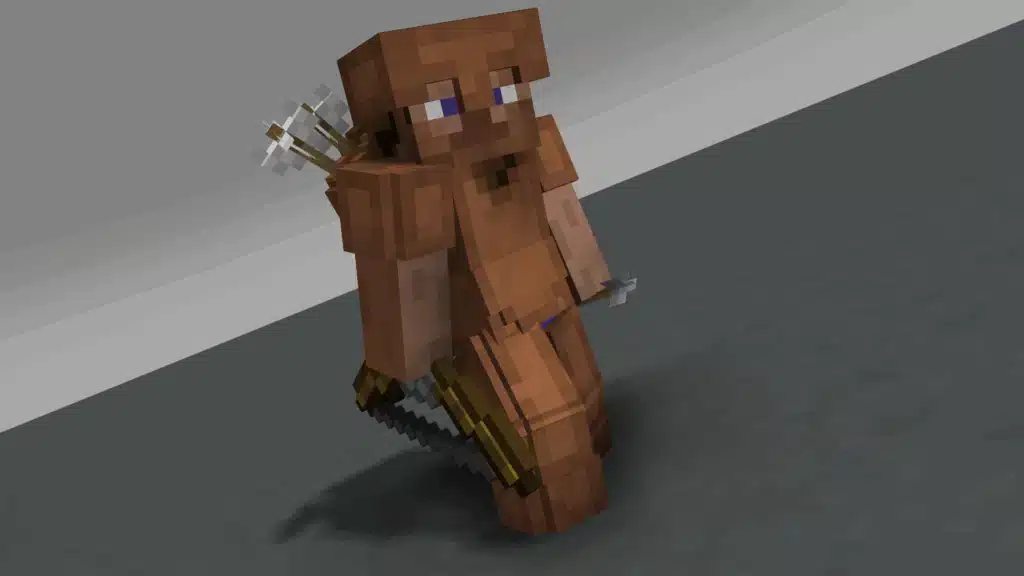
Leather is used to craft leather armor.
It is relatively weak compared with later armor tiers, so most survival players replace it quickly. However, leather armor has unique utility because it can be dyed, making it popular for customization, minigames, decoration, armor stands, and multiplayer team identification.
Leather boots also have an important gameplay property when dealing with powder snow, making them useful beyond raw protection.
Leather can additionally be used for leather horse armor.
As a result, the material stays relevant for specialized situations even when you already have significantly stronger combat equipment.
How can you build an efficient leather farm in Minecraft?
The best farm is not necessarily the most complicated farm.
If you only need bookshelves and a few item frames, a basic cattle pen can produce more than enough leather. Automation becomes worthwhile when you are building at scale or running a long-term multiplayer world.
The ideal answer to how to get leather in Minecraft efficiently is therefore to match production to demand.
Start with a simple cow breeding farm
For a normal survival world, keep several adult cows and maintain a wheat farm nearby.
Breed the adults whenever their breeding cooldown allows, wait for the calves to mature, and harvest only part of the adult population.
Never eliminate your entire breeding group.
A simple farm has several advantages:
- minimal materials;
- no redstone required;
- renewable leather;
- renewable beef;
- experience from breeding and harvesting;
- easy expansion.
This setup also works in both early and established worlds without requiring complicated mechanics.
Upgrade production only when necessary
Large farms are useful when you need significant quantities of books, item frames, or emerald-producing trade goods.
However, overbuilding can waste time.
A massive farm may generate more leather Minecraft resources than you will ever use while also creating additional storage and entity-management problems.
Before expanding, decide what the leather is actually for.
If you need 45 leather for a project, increasing your cow population may be enough. If you operate a multiplayer shop or a huge decorative build, automation becomes more reasonable.
Organize the full production loop
Efficient farms are about more than drops.
You also need:
- wheat production;
- breeding space;
- safe harvesting;
- storage;
- tools;
- inventory management.
Keep wheat close to the animal area so you are not constantly walking across your base.
Store leather separately from food if you use both resources frequently. Once production becomes substantial, hoppers and automated sorting can reduce manual inventory work.
Players curious about how much Minecraft has changed can also play the official Minecraft Classic browser version and compare its extremely limited early sandbox with the farming, villagers, enchanting, and survival systems available in the modern game.
How can ExitLag help when farming leather on Minecraft servers?
ExitLag does not change leather drop rates, accelerate breeding timers, create additional animals, or modify Minecraft's internal mechanics.
Its relevance comes specifically from online connectivity.
When you play on multiplayer servers, your actions must communicate with the server. Poor routing, latency spikes, or packet loss may make movement, combat, interactions, or other network-dependent actions feel inconsistent.
When network optimization may help
ExitLag is designed to optimize routes between the player and supported online game services.
Depending on your network, ISP, location, and route, that may help provide a more stable connection path while you play.
This can be useful if you are gathering resources on:
- survival multiplayer servers;
- community servers;
- minigame networks;
- online worlds where connection instability is noticeable.
For example, rubber-banding around a farm or experiencing delayed interactions can make routine resource collection frustrating.
Route optimization may help when the underlying problem is related to the network path.
What ExitLag cannot fix
ExitLag cannot fix every Minecraft problem.
It cannot:
- increase leather drop rates;
- force cows to spawn;
- speed up animal growth;
- change villager trades;
- repair broken redstone logic;
- increase FPS limited by hardware;
- restore a server during a global outage;
- guarantee lower ping;
- prevent every disconnect.
If your farm design does not work because of Minecraft mechanics, changing your connection route will not redesign it.
Use ExitLag when the symptoms suggest a connectivity issue, and evaluate the result on your own network because performance can vary by route and location.
FAQ about how to get leather in Minecraft
Leather has many different acquisition methods, which can make simple questions surprisingly confusing. The answers below summarize the most common issues involving farming, villagers, crafting, and peaceful alternatives.
They are also useful for players comparing how to get leather Minecraft strategies before committing to a larger farm.
Can you craft leather in Minecraft?
Yes.
Four rabbit hides can be combined to create one leather.
You cannot normally craft leather directly from common materials such as paper, string, or rotten flesh in vanilla Minecraft.
What mob is best for leather?
Cows are usually the best all-around option because they are common, renewable, easy to breed with wheat, and also provide beef.
Hoglins can become an excellent source for advanced farms.
Can you get leather without killing animals?
Yes.
Possible methods include fishing, finding leather in applicable loot chests, piglin bartering, and receiving leather from a leatherworker through the Hero of the Village gift mechanic in Java Edition.
These methods are generally less direct than breeding cows.
How do you make leather from rabbits?
Collect four rabbit hides and place them together in the crafting grid.
The result is one leather.
This makes rabbits a useful backup when cattle are difficult to find.
Does a leatherworker sell leather?
Not through the normal standard trade used for raw leather.
A novice leatherworker Minecraft villager instead buys leather from the player. The standard novice trade is 6 leather for 1 emerald.
The villager can sell leather-related equipment, but that is different from selling the raw crafting material.
How do you make villager trade leather?
For how to make villager trade leather, place an available cauldron near an eligible unemployed villager so the villager can claim the leatherworker profession.
Once it becomes a leatherworker, check its trade menu. At novice level, the normal leather trade allows you to sell leather for emeralds.
What is the easiest way to get lots of leather?
Breed cows.
A basic renewable cattle farm is easy to build, requires inexpensive materials, and scales gradually with your needs.
Add Looting to your harvesting weapon when available to improve potential drops.
Is a hoglin farm better than a cow farm?
It can be better for large-scale production, especially in advanced worlds where Nether infrastructure already exists.
However, hoglin farms are more complex and dangerous to build.
For most early-game players, cows remain the more practical choice.
Can you fish leather in Minecraft?
Yes, leather can appear among fishing junk results.
However, fishing is not a fast leather farm. Treat it as an occasional additional source rather than the main strategy if you need stacks of leather.
Why should I keep farming leather after making bookshelves?
Leather remains useful for item frames, leather armor, leather horse armor, decoration, trading, and other projects.
Large storage systems in particular can consume significant amounts through item frames.
Once you know how to get leather in Minecraft, maintaining a small renewable supply is usually better than searching for animals every time a new project requires it. If you play on online servers and connection instability is disrupting that resource gathering, ExitLag can help optimize network routes where supported, although results depend on your specific connection. The most reliable long-term approach to how to get leather in Minecraft is still simple: establish a renewable source, scale it only when needed, and keep your production organized.
All game images used in this article belong to their respective owners. They are used for informational and educational purposes only and do not imply endorsement or affiliation with the rights holders.