Hard Leather RuneScape Dragonwilds is one of those materials that quietly gates your whole mid-game gear plan. Almost every upgraded armor piece and weapon asks for it, so knowing How To Make Hard Leather RuneScape Dragonwilds early saves hours of backtracking.
The good news is that the recipe is short. The bad news is that the setup behind it is not, because you need several stations and a handful of upgrades before the first piece rolls out. This guide breaks down How To Make Hard Leather RuneScape Dragonwilds step by step, with the real costs and the mistakes that waste resources.
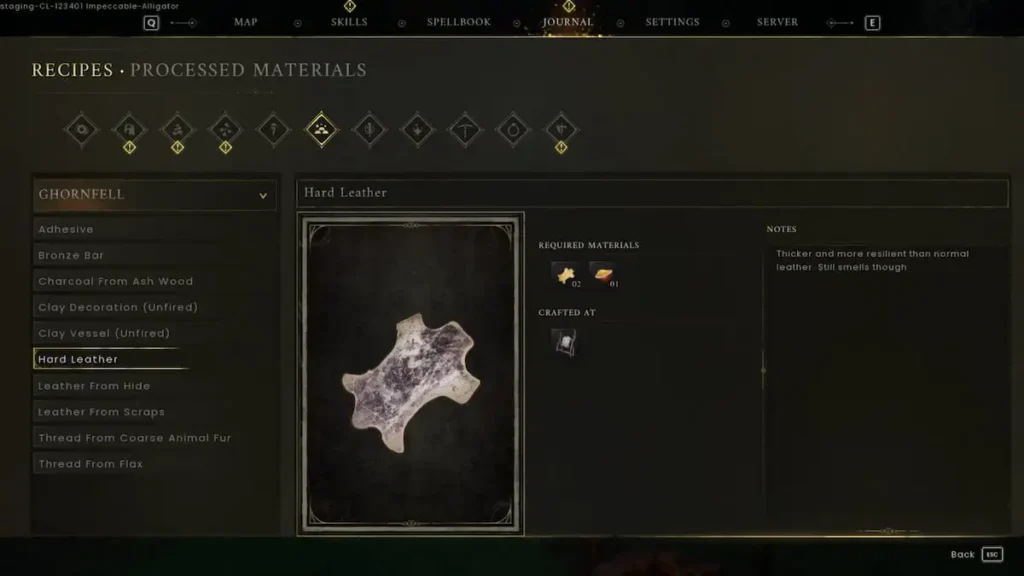
In short, you craft Hard Leather at an upgraded Tannery by inserting two pieces of regular Leather and one Adhesive, and it requires Artisan level 40. You can also combine four Hard Leather Scraps instead. Adhesive comes from Swamp Tar processed in a Kiln, which is the part that trips most players up.
How To Make Hard Leather RuneScape Dragonwilds: The Core Recipe
Before gathering anything, it helps to see the whole picture. Hard Leather has two production routes, and both happen at the Tannery.
The Two Recipes
According to the community wiki, these are the two ways to produce it:
- Main recipe: two Leather and one Adhesive.
- Scrap recipe: four Hard Leather Scraps.
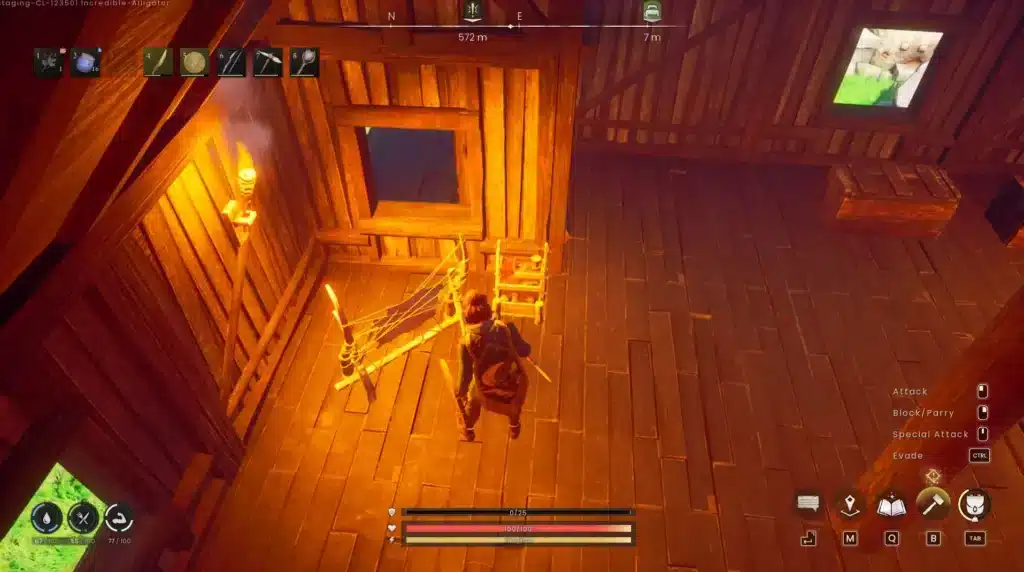
- Station: a Tannery with the tanner’s kit built and placed nearby.
- Skill gate: Artisan level 40.
Notably, crafting itself gives no experience. Instead, the wiki lists 20 Artisan XP when you pick the finished item up, so it is a small bonus rather than a leveling method.
What Hard Leather Is Used For
Once you have a stack, you will spend it quickly. Hard Leather feeds into a long list of recipes.
- Hard Leather Body, Chaps and Cowl.
- Bronze, Iron and Paladin equipment.
- Studded Leather armor, Wild Archer gear and Dragonkin Mage robes.
- Several swords, axes, maces and shields.
Most of these are made at the Armour Bench or the Blacksmith’s Bench. As a result, the earlier you automate Hard Leather, the smoother your gear progression feels.
What Do You Need Before You Can Craft It?
This is the section other guides gloss over. The recipe is two lines, but the stations behind it are the real investment.
Stations And Materials Checklist
Based on community crafting guides, here is the build order most players follow:
- Tannery: built with Ash Logs, Animal Bones and Coarse Thread.
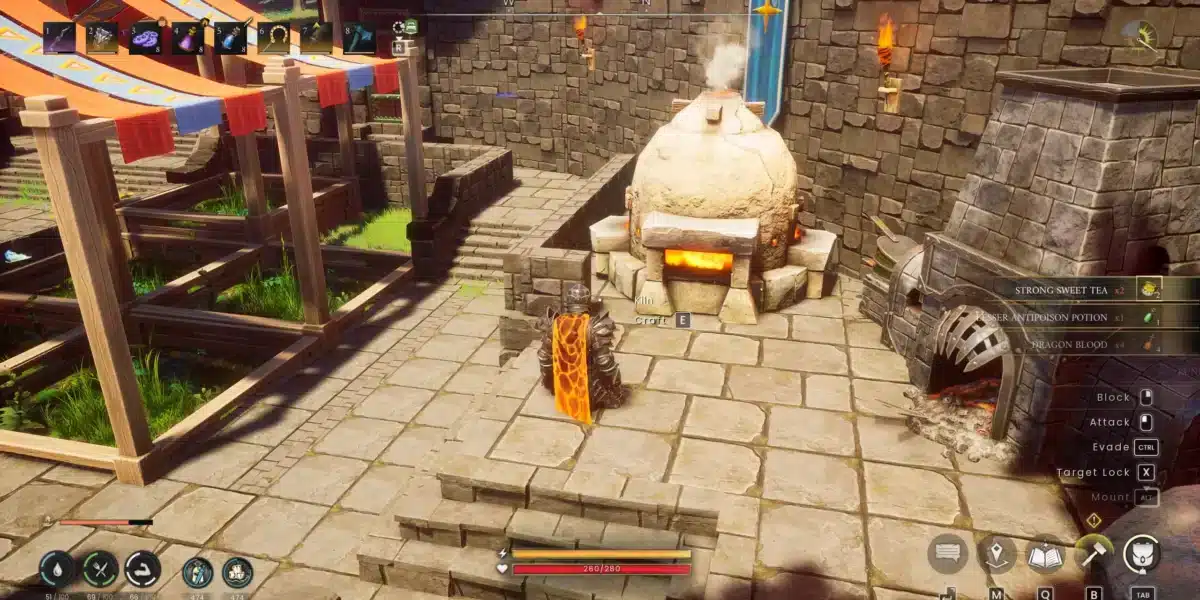
- Kiln: built with Ash Logs, Stone, Clay and Fire Runes. It turns Swamp Tar into Adhesive.
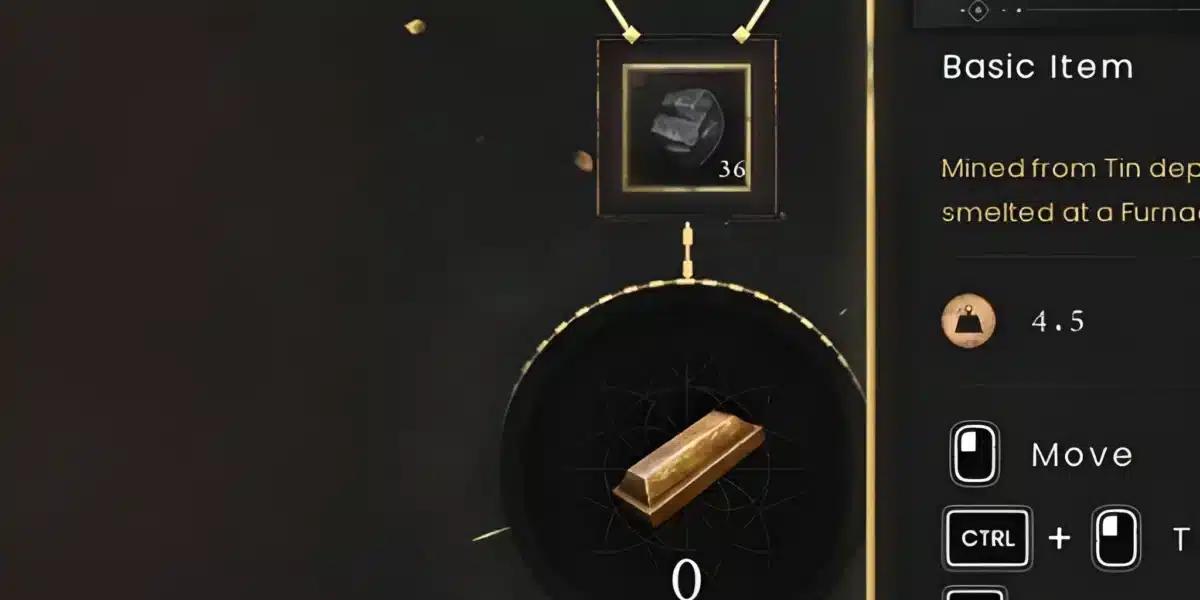
- Furnace: needed to smelt Bronze Bars for the kit upgrade.
- Sawmill: needed to turn Ash Logs into Ash Planks.
- Tanner’s Kit upgrade: Bronze Bars, Coarse Thread, Adhesive and Ash Planks.
Exact quantities can shift with patches, so always compare the numbers on your build menu before you farm. In practice, the in-game menu is the final authority.
Where Does Swamp Tar Come From?
Players report that Swamp Tar is found in the Whispering Swamp region. You carry it back to your Kiln and process it into Adhesive.
Because the tanner’s kit upgrade also needs Adhesive, grab a generous stack on your first trip. That way you do not walk back through the swamp twice.
How To Get Hard Leather RuneScape Dragonwilds Without Crafting It
Players asking How To Get Hard Leather RuneScape Dragonwilds quickly learn that crafting is the dependable route, but it is not the only one. Understanding the alternatives helps you decide where to spend your time.
Hard Leather Scraps
The scrap recipe is useful when you already hold leftover pieces from other activities. Four scraps become one Hard Leather at the Tannery.
Therefore, never throw scraps away. They stack neatly and turn into progress later.
Enemy Drops
Some community guides mention that Abyssal Demons can drop Hard Leather. However, drop rates are described as poor, so treat it as a bonus rather than a plan.
Here is how the three methods compare:
| Method | Reliability | Effort | Best For
|
|---|---|---|---|
| Tannery (2 Leather + 1 Adhesive) | High | Medium (setup needed) | Steady supply for armor sets |
| Four Hard Leather Scraps | Medium | Low | Using up spare drops |
| Enemy drops | Low | High | Lucky extras while fighting |
How Do You Set Up An Efficient Tannery Loop?
Searching for How To Make Hard Leather Dragonwilds tips usually ends with the same advice: automate it. Once the stations stand, the goal is to stop thinking about Hard Leather at all. A good loop runs while you do something else.
Build Everything Close Together
Place the Tannery, Kiln and storage within a few steps of each other. Short walking distances matter more than most players expect.
Consequently, your inventory trips shrink, and you spend more time actually crafting gear.
Batch Your Adhesive
Instead of processing one Adhesive at a time, queue several Swamp Tar in the Kiln before you leave for another task.
- Check your Leather count first, since you need two per Hard Leather.
- Keep a spare stack of Adhesive for future kit upgrades.
- Store scraps in a dedicated chest so they never mix with ore.
Pro Tips: Faster Hard Leather
- Plan for Artisan 40 early: The skill gate blocks the recipe, so level Artisan with simple crafts first. It prevents a stalled build with all materials ready.
- Double your Swamp Tar run: Adhesive appears in both the kit upgrade and every Hard Leather. A bigger first haul removes a whole return trip.
- Craft in bulk before a gear session: Many armor recipes need several pieces. Stockpiling first means you can finish a set in one sitting.
- Keep a repair buffer: Hard Leather gear wears out like everything else. Saving a few spare pieces protects you before a boss attempt.
How Is The Game Different Since The 1.0 Release?
Jagex moved the game out of early access with its 1.0 update in mid-September. According to the official RuneScape: Dragonwilds 1.0 launch announcement, the update brought new armor tiers, wands, a new end-game boss and an Advanced Tannery used for Black Dragon Hide.
That matters for your crafting plans in two ways.
Basic Tannery Versus Advanced Tannery
The standard Tannery handles Hard Leather. The Advanced Tannery is tied to the new high-tier material Black Dragon Hide.
So if you only want mid-game armor, you do not need to chase the newer station yet.
Crossplay And Dedicated Servers
The launch notes also mention crossplay with invite codes and a crossplay option for dedicated servers. This is great for building a shared base with friends on different platforms.
However, shared bases also mean more network traffic, which brings us to connection quality.
Common Mistakes Hard Leather Crafters Make
- Building the Tannery before gathering Adhesive materials: You then stall at the kit upgrade. Fix: collect Swamp Tar and build the Kiln first.
- Skipping Artisan levels: Players reach the Tannery and cannot craft. Fix: reach Artisan 40 before you plan the build.
- Using only one Leather per Adhesive: The recipe needs two Leather per craft. Fix: count your Leather stack before starting a batch.
- Trusting old quantities from videos: Patches change costs. Fix: read the build menu in your current version.
Can Lag Ruin Your Crafting Sessions?
Yes, and it hurts more than you think. Crafting is mostly calm, but the moments around it are not: swamp fights, boss attempts and shared servers with friends.
Rubber-banding can reset your station interactions or make a swing land late. If this sounds familiar, our guide on packet loss in games explains the cause well.
Check Your Basics First
Before blaming the game, run through this short list:
- Use a wired connection instead of Wi-Fi when possible.
- Close heavy background downloads.
- Restart your router if it has run for weeks.
- Avoid streaming 4K video on the same network.
Similar Survival Games Face The Same Issue
Base-building multiplayer games often share these symptoms. For example, the Project Zomboid mods guide discusses desync during modded multiplayer, and the same logic applies to crowded Dragonwilds servers.
If your issue is more about smoothness than ping, the FPS boost in Minecraft guide shows how stability changes how a game feels, and the Minecraft FPS drop guide separates frame rate problems from network lag.
How Does ExitLag Help In RuneScape Dragonwilds?
ExitLag is not a VPN. It is a game connection optimizer that tests multiple network paths in real time and picks the fastest, most stable route to the game server.
It does not encrypt traffic or hide your IP. It simply improves the path your game data takes, which suits a survival MMO-style game where you share a world with other players.
Why It Fits Co-Op Survival Play
- Real-time optimization: reduces delay and packet loss during fights and base building.
- Multipath technology: sends packets through several routes so one bad path does not break your session.
- Multi-Internet: supports up to 4 connections, so if one drops another takes over.
- Traffic Shaper: prioritizes game traffic over other apps on your network.
How To Start
- Download and install the app.
- Search for RuneScape: Dragonwilds in the game list.
- Choose the automatic route or pick one manually.
- Launch the game and craft without stutters.
ExitLag supports 4,000+ titles with 1,500+ servers in 190+ countries. Do not run it alongside a VPN, since that lowers its effectiveness. Ready to test it? Grab the ExitLag Download and try it in your next Dragonwilds session.
Final Thoughts On How To Make Hard Leather RuneScape Dragonwilds
Anyone wondering How To Make Hard Leather RuneScape style should remember the formula: two Leather, one Adhesive, an upgraded Tannery and Artisan level 40. Everything else is logistics, and good logistics turn Hard Leather from a chore into background noise.
Mastering How To Make Hard Leather RuneScape Dragonwilds means you can focus on the fun parts: bosses, bases and friends. Build your stations close together, stockpile Adhesive, and keep your connection stable so every session counts.
All game images used in this blog post belong to Jagex. They are used for informational and educational purposes only and do not imply endorsement or affiliation with the rights holders.
Got questions or want to connect with other players? Join the conversation at the ExitLag Forum!