
Minecraft Realms is one of the easiest ways to run a private world for friends or family without learning server hosting, port forwarding, or maintenance.
A private world is only “easy” if it actually runs clean when everyone logs in at once. If your Realm starts hitching, rubberbanding, or feeling delayed during peak hours, use this guide on how to fix Minecraft lag problems before you start blaming the server itself.
Minecraft Realms is especially popular because it stays invitation-only and Mojang handles updates and upkeep, so you can focus on building, surviving, and actually playing instead of troubleshooting.
Minecraft Realms also comes in a few flavors (Bedrock Realms, Realms Plus, and Java Realms), and each one changes player limits, features, and the Minecraft Realms cost.
If you want a practical Minecraft Realms guide, this covers exactly what most players search for: how to join Minecraft Realms, how to set one up, what Realms Plus adds, and how to keep gameplay smooth when your group gets online at the same time.
What is Minecraft Realms?

Minecraft Realms is Mojang’s official subscription-based, cloud-hosted server service. It’s designed to be simple: you pay a monthly fee, choose a world, invite players, and your Realm stays online and managed by Mojang.
Realms are different from public servers because they’re invitation-only, which means:
- you decide who can join
- you control permissions (member vs operator)
- you avoid random griefers and modded chaos
Also, Realms works slightly differently depending on edition:
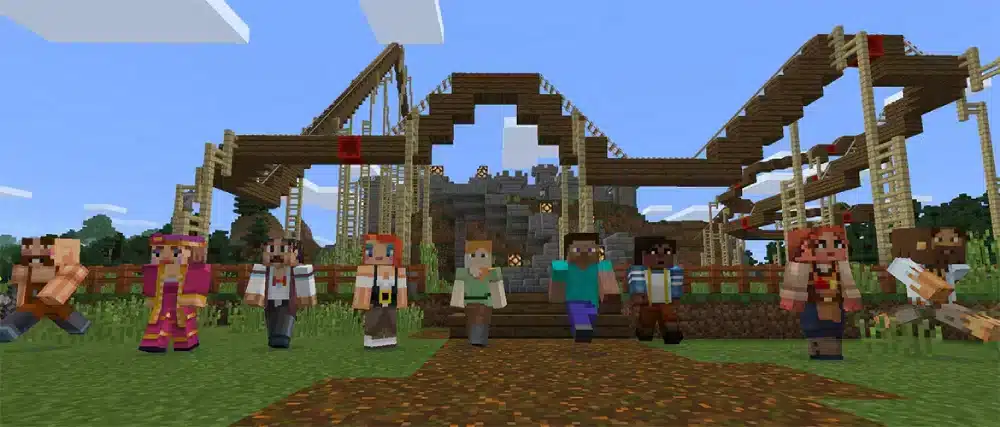
- Bedrock Edition Realms (consoles, mobile, Windows) supports Bedrock cross-play.
- Java Edition Realms works for Java players across Windows, macOS, and Linux.
To keep things clear, here are the terms you’ll see most often in Trivia games online-style “quick guides,” but for Realms:
- Minecraft Realms cost = your monthly subscription price
- Minecraft Realms plus = the Bedrock tier that adds Marketplace Pass content and supports more players
- how to join Minecraft Realms = accepting an invite and entering the Realm from the Realms menu
- Minecraft Realms guide = setup + invites + permissions + best practices
How much does Minecraft Realms cost?
Minecraft Realms cost depends on your edition and plan. Mojang publishes the pricing and player limits on its official Realms pages, and it differs between Bedrock and Java.
For the cleanest baseline, always verify the plan details directly from the source before you compare regions or platform stores. The official page for Minecraft Realms pricing and plans is the fastest way to confirm what each tier includes and how the player limits are framed.
Before the details, one practical note: “cost” can vary by region and platform store, but the official USD monthly pricing is a reliable baseline.
Realms vs Realms Plus pricing
On Bedrock Edition, there are two subscription tiers:
- Realms (Bedrock): USD $3.99/month
- Realms Plus (Bedrock): USD $7.99/month
Realms Plus is the plan most people mean when they say Minecraft Realms plus, because it includes Marketplace Pass access and higher player capacity.
Java vs Bedrock pricing and player limits
The easiest way to compare is with one table:
| Plan | Edition | Monthly price (USD) | Who can play together | Simultaneous players |
| Realms | Bedrock | $3.99 | Bedrock cross-play (console/mobile/Windows) | You + 2 friends |
| Realms Plus | Bedrock | $7.99 | Bedrock cross-play + Marketplace Pass content | You + 10 players |
| Realms | Java | $7.99 | Java (Windows/macOS/Linux) | You + 10 players |
Two important clarifications that save a lot of confusion:
- You can usually invite more people than the “simultaneous players” limit — the limit is about how many can be online at once, not your total invite list.
- Console multiplayer may require the console’s own online subscription (sold separately), depending on the platform.
Also, Realms Plus includes Marketplace Pass content access, and Mojang describes that catalog as rotating curated premium content.
How to join Minecraft Realms?
If you’re searching how to join Minecraft Realms, the process is simple: the owner invites you, you accept, and you enter the world from the Realms tab/menu.
That’s it. No IP address. No port. No server list spam.
What changes is where the invitation appears depending on edition, and how the owner sends it.
Joining on Bedrock Edition
On Bedrock (console/mobile/Windows), joining usually looks like this:
- Step 1: Receive an invite
The Realm owner invites your Microsoft account gamertag. - Step 2: Open Minecraft and go to the Realms section
Look for the Realms tab/menu where invites and available Realms appear. - Step 3: Accept the invite and enter
Select the Realm and load into the world.
Quick tips that prevent the most common “why can’t I join?” issues:
- Make sure you’re logged into the correct Microsoft account
- Update Minecraft (older versions can cause mismatch errors)
- Confirm you’re on Bedrock if the Realm is Bedrock (Java and Bedrock Realms don’t mix)
Joining on Java Edition
On Java Edition, the flow is similar but the invite is tied to your Minecraft Java account.
- Step 1: Get invited by your Java username
The owner adds your Java username to the Realm access list. - Step 2: Open Minecraft Java and click “Minecraft Realms”
You’ll see the invitation in the Realms interface. - Step 3: Accept and join
Click the Realm and load in.
If joining fails, check these first:
- Your Java username is spelled correctly (case matters sometimes in older contexts)
- You’re on the correct launcher profile
- The Realm is active (subscription not expired)
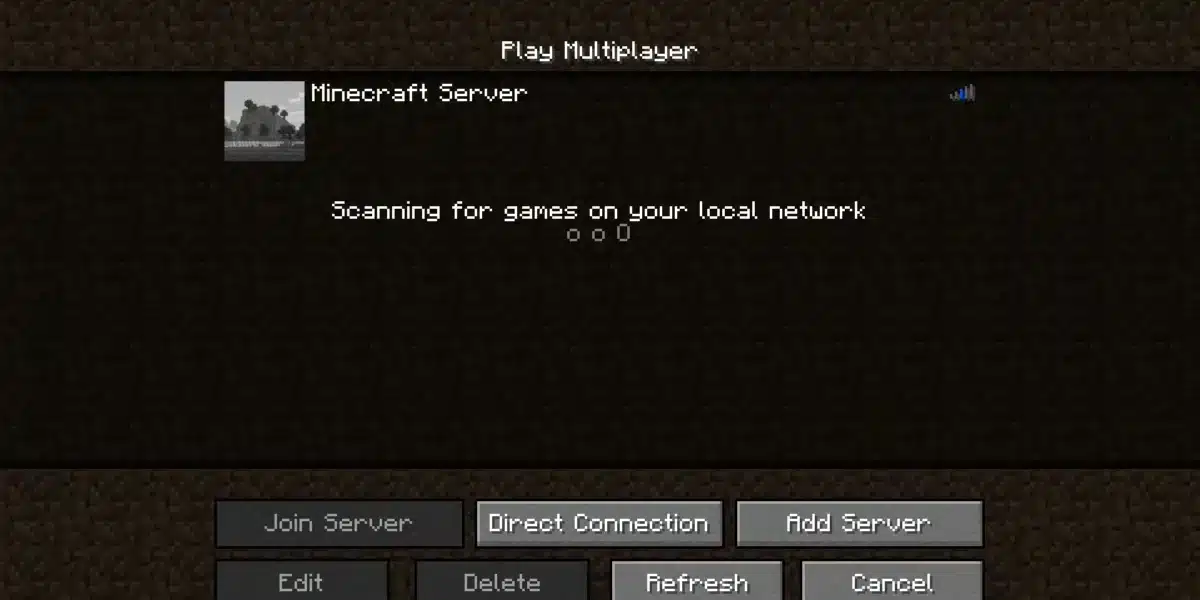
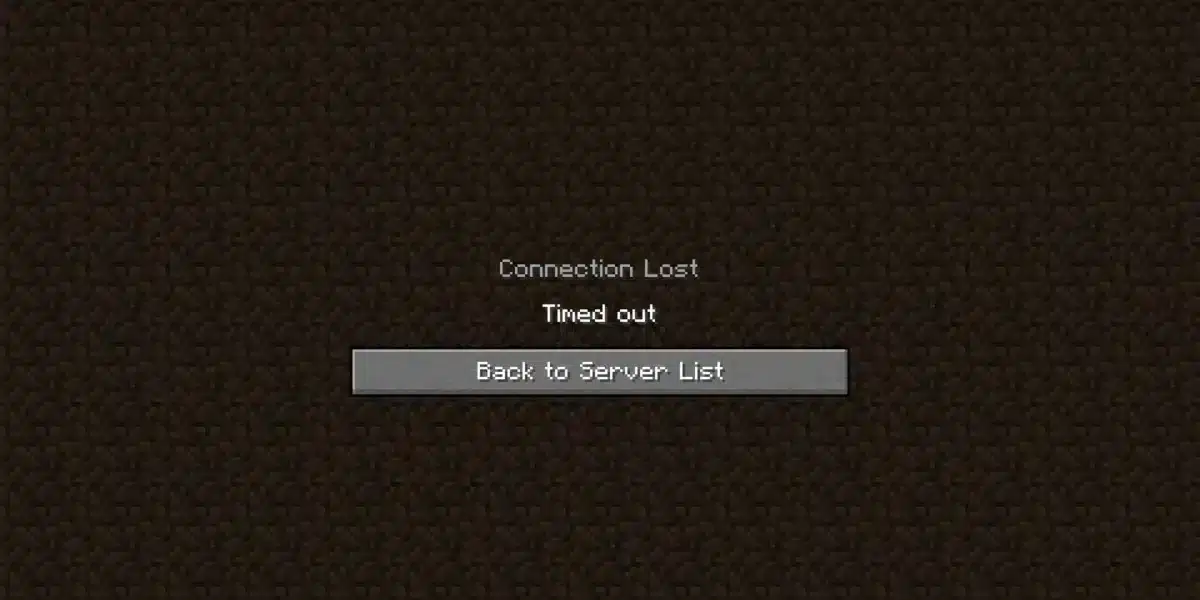
When joining fails, it’s often a launcher-side or config issue that looks random from the Realms menu. If you keep getting kicked back to the title screen or the game won’t start correctly, follow this walkthrough to fix Minecraft error code 1 and 2 and then try the invite again.
This is the “no-drama” reason Realms is popular: joining is designed to be beginner-friendly—perfect for groups that just want to play.
How do you set up a Minecraft Realms?

Setting up Minecraft Realms is basically a guided purchase + world creation flow. The actual steps vary slightly by platform, but the logic is always the same: subscribe, pick a world slot, invite players.
If you want the shortest path from “I’m thinking about it” to “the Realm is live,” follow the official purchase flow once and then do your world setup inside the menu. Mojang’s step-by-step guide on how to buy a Minecraft Realm lays out the exact sequence so you don’t get stuck bouncing between store prompts and the Realms screen.
Mojang also highlights that Realms Plus includes a personal server and Marketplace Pass catalog access (150+ items, rotating).
Create a Realm on Bedrock
Here’s the clean Bedrock setup path:
- Subscribe to a Realm plan
Choose Bedrock Realms (smaller) or Realms Plus (bigger + Marketplace Pass). - Create a world (or select a template)
You can start from scratch or use curated templates and Marketplace-style content depending on your plan. - Configure settings
Common settings to pick early:- difficulty
- cheats on/off
- keep inventory
- fire spreads / mob griefing
- coordinates on/off
- Invite players and set permissions
You can keep players as members or promote trusted people to operator status.
Best practice for families and friend groups:
- keep “operator” permissions limited
- use a shared rule list (no griefing, no stealing, agree on PvP rules)
Create a Realm on Java
Java Realms is similarly simple, but it’s Java-only:
- Buy the Java Realms subscription (USD $7.99/month baseline)
- Pick a world slot and upload/create a world
- Invite players using Java usernames
- Manage access and backups through the Realms interface
A practical note for Java players:
- Realms is intentionally limited compared to full server hosting (mods/plugins are not the “point” here)
- if you want heavy modpacks, you’ll usually prefer self-hosting or third-party hosts
But if your goal is “private world, no maintenance,” Realms is exactly built for that.
Minecraft Realms Plus: is it worth it?
Minecraft Realms plus is worth it when your group actually uses the two big benefits: more simultaneous players and Marketplace Pass content access. Mojang describes Realms Plus as including a catalog of Marketplace Pass items that rotates over time, and it’s framed as a major part of the value.
If your group is just 2–3 people, standard Bedrock Realms might be enough. If your group is 6–11 people at peak hours, Realms Plus stops being optional.
Marketplace Pass benefits
Realms Plus includes:
- play online with up to 10 friends simultaneously
- access to a rotating catalog of Marketplace Pass content (often described as 150+ items)
This matters if your group likes:
- curated adventure maps
- mini-games
- skins and cosmetic packs
- “fresh content” without hunting for downloads
If your friends are the type who gets bored fast, Realms Plus helps you keep the Realm feeling alive.
Who should skip Realms Plus
Realms Plus might not be worth it if:
- your group is always 2–3 people online at once
- you don’t care about Marketplace content
- you’re primarily a modded Java player
- you already run a dedicated server and enjoy managing it
In that case, your money is better spent on:
- a good hosting plan (for modded/advanced needs)
- or simply staying on standard Bedrock Realms if your player count is small
Either way, the “worth it” decision becomes obvious once you answer one question:
How many people are actually online at the same time?
ExitLag for Minecraft Realms
Minecraft Realms is meant to feel smooth because Mojang handles the server side. But “smooth” also depends on your route to the server, your region, and how stable your ISP is during peak hours.
This is where ExitLag fits: it’s a routing optimizer that can help reduce instability (spikes, jitter, packet loss) by choosing a more stable network path between you and the game servers.
If you’re playing with friends and every second matters—especially during fights, Elytra travel, redstone-heavy builds, or big farms—connection stability changes the whole experience.
Why routing matters for Realms
Even in a private Realm, lag can show up as:
- blocks breaking late or popping back
- rubberbanding while sprinting/flying
- delayed hits on mobs or PvP
- chests opening slowly
- “everyone freezes” moments when multiple players load chunks
Some of that is client-side (hardware/settings), but some is network path instability. ExitLag’s value is in improving route stability so your actions register more consistently.
Quick setup checklist
If you want the most realistic improvement path, do this:
- Use Ethernet if possible (Wi-Fi adds volatility)
- Close background downloads and cloud sync
- Lower render distance if your device struggles when multiple players load chunks
- Test your connection at the same time window you usually play (evenings/weekends)
Sometimes the “lag” you feel isn’t network-related—it’s your client choking when the world gets busy. If Minecraft stutters when chunks load or farms run, allocating more memory can stabilize the session. This guide show show to allocate more RAM to Minecraft safely without turning your settings into guesswork.
Then run a simple A/B test:
- Play 20 minutes in the Realm without ExitLag.
- Note spikes, rubberbanding, delayed interactions.
- Play the same 20 minutes with ExitLag enabled.
- Compare stability, not just “average ping.”
If the game feels more consistent, that’s the win.
FAQ
This FAQ is built around what people actually search when they’re deciding between plans or trying to join a friend’s world.
Yes. The limit is typically about how many can be online simultaneously, not how many can be invited total—so you can invite a larger group, but only a set number can be in the world at once.
Realms are designed as “always-online” personal servers where friends can keep playing even if the owner isn’t currently logged in (as long as the subscription is active). This “shared world always online” concept is part of how Realms Plus is described in official store listings and Mojang-facing explanations.
Minecraft Realms is the simplest answer to “I want a private Minecraft server and I don’t want to maintain anything.” It’s clean, invite-only, and designed for groups who just want to play.
And if your world is great but your sessions feel unstable, treat performance like part of your setup: optimize your client settings, then test ExitLag for routing stability—because a private world is only fun when it’s consistent.
If you want a smoother private-server experience today, try ExitLag, stabilize your connection, and make your next Minecraft Realms session feel as clean as it should.
Got questions or want to connect with other players? Join the conversation at the ExitLag Forum!