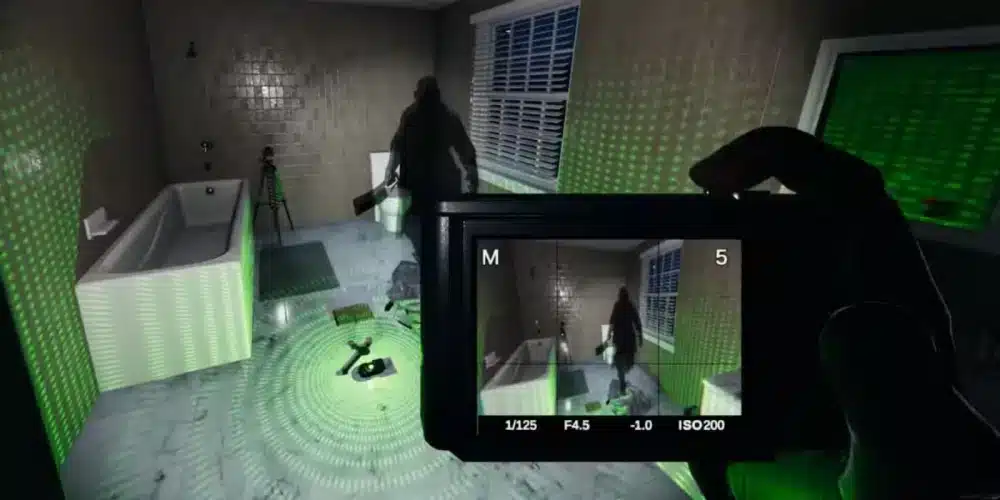
Phasmophobia ghosts are the core threat and mystery behind every investigation. Each contract revolves around identifying what kind of ghost you are dealing with while surviving its increasingly aggressive behavior. Understanding how ghosts work is essential if you want to progress beyond beginner difficulty.
For many players, phasmophobia ghosts feel unpredictable and overwhelming at first. One moment the house is quiet, and the next, lights are flickering, doors are slamming, and a hunt begins. Without knowledge of ghost behavior, speed, and triggers, even experienced teams can be wiped out quickly.
So what are Phasmophobia ghosts, who do they target, and when do they become dangerous? In simple terms, Phasmophobia ghosts are hostile paranormal entities that interact with the environment, drain player sanity, and initiate hunts based on specific conditions. Each ghost type follows unique rules that determine how and when it attacks.

Phasmophobia Ghosts: How They Work in Investigations
Every investigation in Phasmophobia is built around understanding ghost mechanics rather than relying on visuals alone.
What a ghost is in Phasmophobia
A ghost in Phasmophobia is an AI-driven entity that roams a location, interacts with objects, and reacts to player actions. While the ghost may appear physically during events or hunts, most of its presence is detected through environmental signs.
Ghosts influence the investigation by:
- Interacting with doors, lights, and objects
- Triggering paranormal events
- Lowering player sanity over time
- Initiating hunts when conditions are met
The goal is not to defeat the ghost, but to identify it correctly and escape alive.
Evidence-based identification system
Phasmophobia relies on an evidence system to determine ghost types. Each ghost leaves a specific combination of evidence, and gathering this evidence is the only reliable way to identify it.
Common evidence types include:
- EMF Level 5
- Ghost Writing
- Spirit Box responses
- Freezing Temperatures
- Ghost Orbs
- D.O.T.S Projector
Visual appearances alone do not determine the ghost type, which often leads to dangerous misconceptions.
Phasmophobia Ghost Types and Their Unique Traits
There are many phasmophobia ghost types, and each one behaves differently during an investigation.
Overview of ghost categories
While every ghost is unique, most can be grouped by behavioral tendencies:
- Highly aggressive ghosts that hunt early
- Passive ghosts that prefer events over hunts
- Ghosts that target specific players
- Ghosts influenced by sanity, light, or sound
These behavioral differences are what allow skilled players to narrow down possibilities even before all evidence is collected.
Why each ghost behaves differently
Each ghost type has hidden traits that affect how it interacts with the environment. These traits can influence:
- Sanity drain speed
- Hunt thresholds
- Frequency of interactions
- Player targeting behavior
Learning these patterns is a key step toward mastering higher difficulty contracts.
Phasmophobia Ghost Models vs Ghost Types
One of the most common misunderstandings involves phasmophobia ghost models.
What ghost models actually are
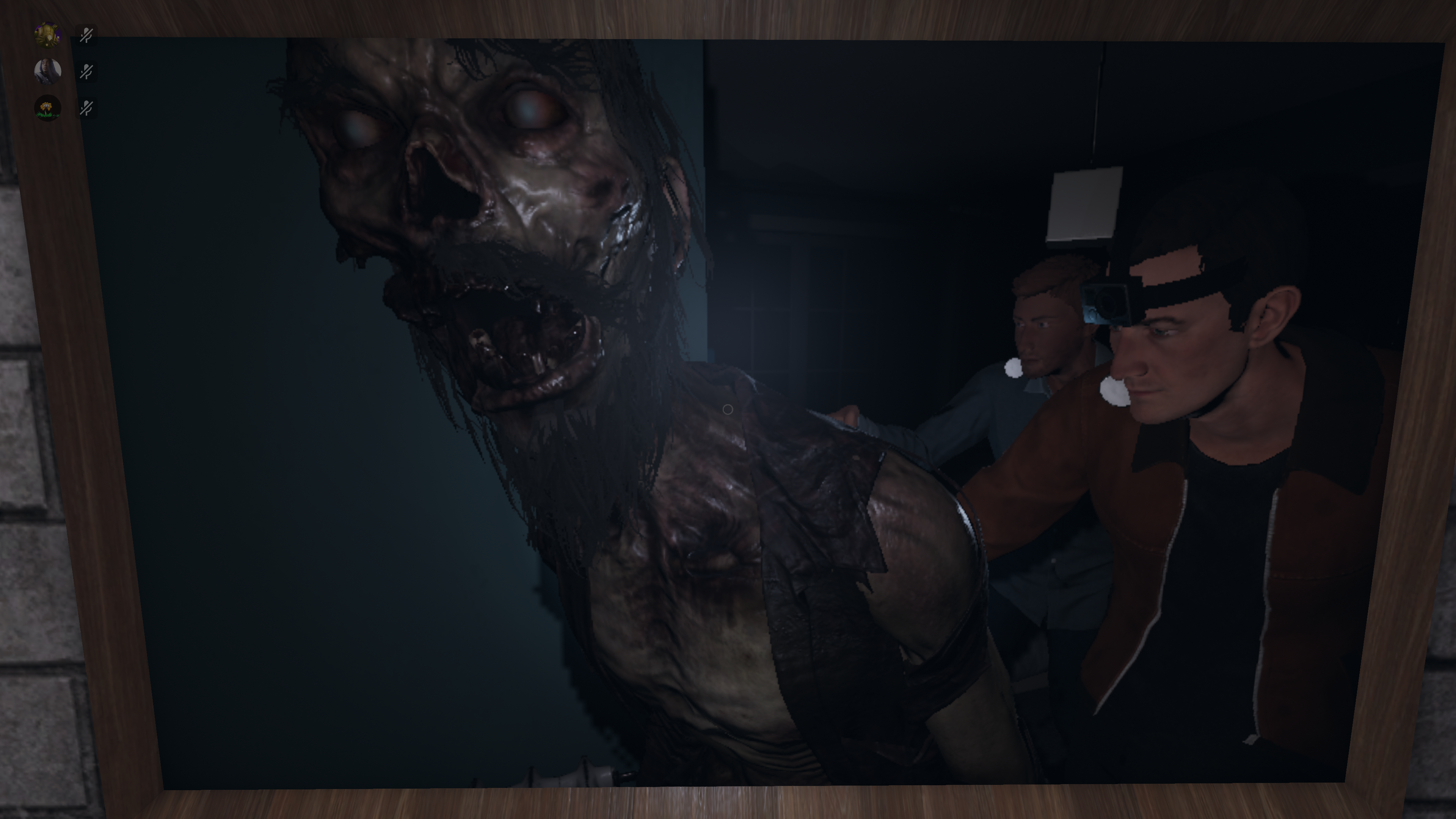
Ghost models are purely visual representations of the ghost. They include different appearances such as crawling figures, shadowy forms, or humanoid silhouettes.
These models are:
- Randomly assigned
- Shared across multiple ghost types
- Not linked to behavior or evidence
A terrifying model does not mean a more dangerous ghost.
Common player misconceptions
Many new players assume certain ghost models indicate specific ghost types. This is incorrect and can lead to fatal mistakes during hunts.
The only reliable identifiers are evidence, behavior, and hunt mechanics-not appearance.
Fast Ghosts Phasmophobia: Movement and Hunt Speed
Speed is one of the most dangerous aspects of fast ghosts phasmophobia players encounter.
How ghost speed works during hunts
Ghost movement speed is not fixed. Many ghosts can speed up under certain conditions, such as:
- Maintaining line of sight with a player
- Being in specific environments
- Reacting to sound or electronics
Some ghosts accelerate rapidly, turning a manageable hunt into a deadly chase.
Why speed is one of the biggest threats
Fast ghosts are especially dangerous because:
- Hiding spots become ineffective
- Sprinting players can be caught quickly
- Team coordination becomes critical
On smaller maps, speed often matters more than ghost aggression.
Phasmophobia Ghost Guide: Surviving Hunts Safely
A proper phasmophobia ghost guide focuses on survival as much as identification.
Early-game survival basics
To survive early hunts, players should:
- Identify hiding spots as soon as the map loads
- Turn off electronic equipment during hunts
- Break line of sight before hiding
These habits drastically increase survival chances.
Multiplayer investigation strategies
In multiplayer, coordination is vital. Teams should assign roles such as:
- Evidence gatherer
- Sanity monitor
- Equipment carrier
Clear communication and timing prevent panic during hunts, especially when ghosts become faster or more aggressive.
Maintaining stable connections during hunts is also important, as lag or desync can cause delayed reactions or failed hiding attempts-an issue many multiplayer teams encounter on higher difficulties.
Phasmophobia Ghost Types: Complete Breakdown by Behavior
Understanding phasmophobia ghost types goes far beyond memorizing names. Each ghost behaves differently based on hidden rules that affect hunts, sanity drain, and how aggressive the investigation becomes. Recognizing these patterns is the key to surviving higher difficulties.
Aggressive vs passive ghost types
Some ghosts are naturally more aggressive and will attempt to hunt early, while others prefer to interact with the environment before attacking.
Common behavior categories include:
- Early-hunt ghosts that attack above normal sanity thresholds
- Passive ghosts that rely on events rather than hunts
- Ghosts that punish specific player actions
- Ghosts that scale aggression over time
Learning these categories allows teams to narrow down possibilities even before all evidence is collected.
Ghosts with special mechanics
Certain ghosts stand out because they break normal rules. These mechanics can instantly reveal their identity if players pay attention.
Examples include ghosts that:
- Mimic abilities of other ghost types
- Teleport or roam more frequently
- Target specific players repeatedly
These traits are especially noticeable on higher difficulties where evidence is limited.
Fast Ghosts Phasmophobia: How Speed Really Works
Speed is one of the deadliest aspects of fast ghosts phasmophobia players encounter. Many deaths happen because teams underestimate how quickly a hunt can escalate.
Base speed vs conditional speed
Every ghost has a base movement speed, but many can become much faster under certain conditions.
Speed increases may occur when:
- The ghost maintains line of sight with a player
- Specific environmental conditions are met
- Player sanity drops to critical levels
This means a ghost that feels manageable at first can suddenly become impossible to outrun.
Line of sight and map size impact
Line of sight is one of the biggest speed modifiers. If a ghost sees you for too long during a hunt, it may rapidly accelerate.
On small maps, this is especially dangerous, as there is less space to break line of sight and reposition safely.
Fastest Ghost in Phasmophobia: Ranked and Explained
Many players ask which entity is the fastest ghost in phasmophobia, but the answer depends heavily on conditions rather than raw numbers.
Ghosts considered the fastest
Several ghosts are known for extreme speed under the right circumstances:
- Revenant, which becomes incredibly fast when it has line of sight
- Hantu, which gains speed in cold or freezing environments
- Moroi, which scales speed as player sanity decreases
- Deogen, which is extremely fast at range but slows down up close
Why “fastest” depends on conditions
A Revenant without line of sight is slow, while a Deogen becomes harmless if players stay close. Temperature, sanity, and player movement all influence which ghost feels the fastest in practice.
Understanding these nuances is critical for accurate identification.
Fastest Ghosts in Phasmophobia (Speed Comparison)
| Ghost | Speed Condition | Threat Level | Notes |
| Revenant | Line of sight | Extreme | Very slow without LOS |
| Hantu | Cold rooms | High | Faster in freezing temperatures |
| Moroi | Low sanity | High | Speed scales throughout match |
| Deogen | Long distance | Unique | Slows dramatically up close |
This comparison highlights why speed alone should never be judged without context.
Phasmophobia Ghost Guide: Identifying Ghosts During Hunts
A strong phasmophobia ghost guide emphasizes learning from hunts rather than avoiding them entirely.
Hunt-based identification clues
During hunts, players can identify ghosts by observing:
- Footstep speed and acceleration
- Breathing or vocal sounds
- Reaction to electronics and hiding behavior
These clues often reveal more than evidence alone.
Common mistakes players make
Many teams fail hunts due to avoidable errors:
- Misjudging ghost speed based on one encounter
- Confusing abilities between similar ghosts
- Panicking instead of breaking line of sight
Staying calm and observant greatly improves survival rates.
How ExitLag Improves Phasmophobia Ghost Hunts in Multiplayer
Multiplayer Phasmophobia relies heavily on timing. Any delay in audio cues, movement, or hit detection can result in instant deaths during hunts.
ExitLag helps stabilize multiplayer sessions by optimizing the network route between your PC and the game servers. Instead of relying on unstable ISP paths, it selects faster and more consistent routes in real time.
For Phasmophobia players, this means:
- Clearer and more reliable hunt audio cues
- Consistent ghost movement and speed perception
- Smoother co-op coordination during high-pressure hunts
ExitLag is available for PC only and is particularly useful for multiplayer horror games where reaction timing directly impacts survival.
Phasmophobia Ghost Survival Tips for High Difficulty Contracts
High-difficulty contracts leave little room for error, making preparation essential.
Solo vs multiplayer survival
In solo play, awareness and map knowledge are everything. In multiplayer, dividing responsibilities increases efficiency and safety.
Effective teams usually assign:
- A lead investigator
- A sanity and activity monitor
- A support player managing equipment
Preparation before hunts
Before hunts begin, players should:
- Identify safe hiding spots early
- Plan escape routes
- Position equipment strategically
Preparation often matters more than bravery.
All game images used in this blog belong to Kinetic Games. They are used for informational/educational purposes only and do not imply endorsement or affiliation with the rights holders.
Got questions or want to connect with other players? Join the conversation at the ExitLag Forum!