If you’ve ever matched colorful candies, flipped Mahjong tiles, or rotated Tetris blocks for hours, then you’ve played a tile game. These games aren’t just time-killers — they’re one of the most enduring and addictive genres in the history of gaming.
From casual mobile apps to classic tabletop puzzles, tile games attract millions of players daily. Their appeal? A perfect blend of simplicity, strategy, and satisfaction. Whether you’re into match games, brain-training challenges, or relaxing visual puzzles, there’s a tile-based experience for you.
In fact, we recently broke down how mechanics like these power mobile engagement in our guide to addictive game design. Just like that, tile games have quietly become one of the most-played genres — across all ages and platforms.
What are tile games?
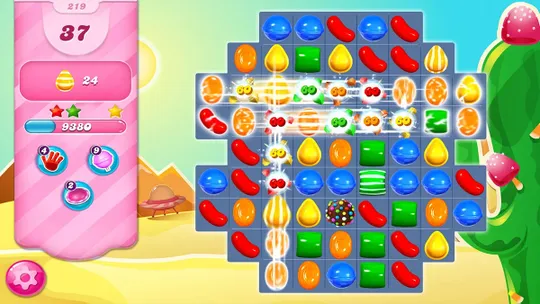
Tile games are puzzle games where players manipulate or align tiles to meet specific objectives — usually by matching, swapping, or arranging them. The goal might be to clear a board, earn points, or outsmart an opponent through spatial reasoning.
Most modern matching games follow the classic “match-3” structure: combine three or more identical tiles to clear them. Others use stacking, flipping, or set-building mechanics. Regardless of format, these games deliver short-term reward with long-term engagement.
They originated from physical games like Mahjong and Rummikub but exploded digitally with titles like Bejeweled, Candy Crush, and newer hits like Tile Club and Triple Match 3D.
What makes tile games so popular?
- Accessible to all ages — easy to learn, hard to master
- No fast reflexes required — perfect for mobile or breaks
- Highly visual and satisfying — vibrant design, animations
- Modular difficulty — levels get harder as you improve
- Offline options — many tile games free to play anytime
Check also: Lagging Define: Understanding and Resolving Lag Issues
What are the most popular types?
There are multiple categories under the tile game umbrella. Here are the most played ones today:
- Match-3 games: Swap adjacent tiles to match colors or shapes.
Examples: Candy Crush Saga, Bejeweled, Two Dots - Tile-laying games: Strategically place tiles to build patterns or territories.
Examples: Carcassonne, Azul - Puzzle classics: Based on traditional board games using tiles.
Examples: Mahjong, Rummikub
Each style targets different players — from casual gamers to competitive puzzle solvers.
Categories of tile games you should know

Let’s dive deeper into the main categories of tile games, including where they shine and what audiences they serve.
Match-3 (The addictive classic)
Arguably the most famous subgenre. In these match 3 tile games, players create horizontal or vertical lines of three (or more) matching icons. They’re easy to understand but escalate in difficulty as new mechanics appear.
Popular examples:
- Candy Crush Saga
- Puzzle & Dragons
- Triple Match 3D
These are ideal for:
- Short sessions on mobile
- Visual learners
- Players who enjoy unlockable content
Read this: Ping Test: learn how to do it and interpret the results properly
Tile-laying (Strategy meets pattern)
Unlike fast-paced matching, tile-laying games require more planning. You place tiles to form territories, match edges, or complete spatial goals.
Examples:
- Carcassonne (board + digital)
- Azul
- Kingdomino
Perfect for:
- Board game fans
- Competitive players
- Logical thinkers
Puzzle classics (Timeless design)
These originate from traditional tabletop formats. You match or group tiles based on strict rules — often with numeric or symbolic meaning.
Examples:
- Mahjong (multiple digital versions)
- Rummikub
- Dominoes
Great for:
- Older audiences
- Turn-based thinkers
- Fans of mental challenge over visuals
Where to play tile games for free (and who they’re perfect for)
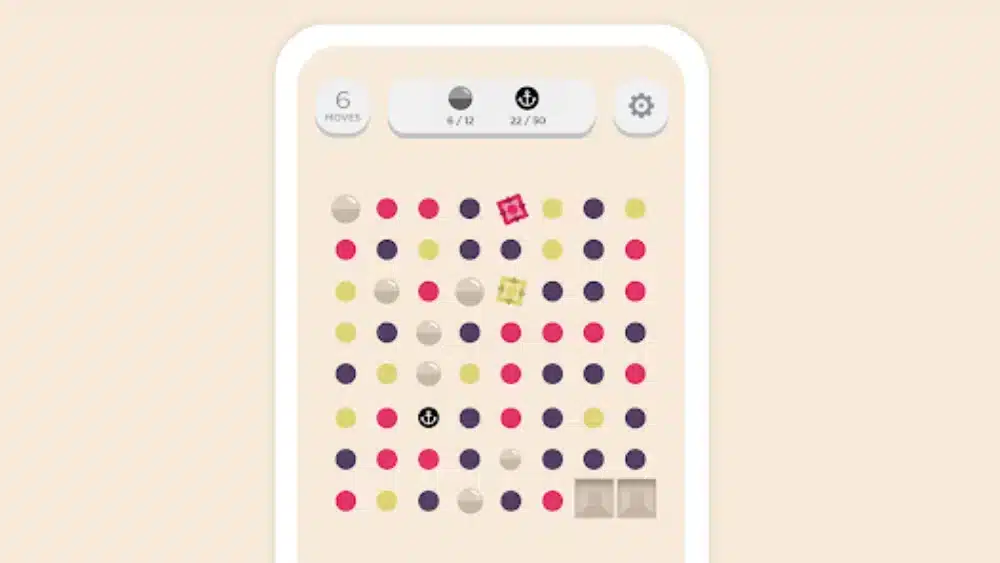
One of the biggest reasons for the popularity of tile games is their accessibility. You don’t need a console or gaming PC — just a smartphone, tablet, or browser. From app stores to online portals, these games are everywhere, and most are completely free to play.
Many platforms offer tile games free, often supported by ads or optional in-app purchases. You can enjoy these games casually or dive deep into advanced levels and challenges.
In fact, some of the best tile games for adults are designed with more complex mechanics, calming visuals, or even cognitive training elements. These aren’t just for kids — they’re ideal for players looking for a brain teaser that fits into a coffee break or commute.
For older players or seniors, tile games online offer a low-pressure, engaging format that keeps the mind active. Matching, planning, and predicting next moves help with memory, reaction time, and logical thinking — without any learning curve or stress.
Check this: Ping for Gaming: what’s slowing your sessions and how to prevent
Best places to play tile games online
Here are the top options for playing tile games online without spending a dime:
- App Store / Google Play
Popular games: Candy Crush, Tile Connect, Tile Club
Ideal for: Mobile gamers, casual users - Web-based platforms
Sites like CrazyGames, Coolmath, and Arkadium offer instant-play options
Ideal for: Desktop users, no-download access - Social platforms
Facebook and mobile messengers host hundreds of matching games
Ideal for: Social players, quick match play
Even more, many modern tile games are designed with accessibility in mind — larger tiles, colorblind modes, and relaxing background music help create a soothing user experience.
Recommended tile games by platform
| Platform | Game Example | Type | Free? |
| iOS / Android | Tile Club | Match-3 | Yes |
| Web browser | Tile Journey | Mahjong-style | Yes |
| Steam (PC) | Triple Town | Puzzle / Strategy | Often |
| Tile Master | Casual Match-3 | Yes |
No matter your age or device, there’s a tile game that fits your style. From ultra-fast puzzles to slow-paced challenges, these games offer something for everyone — and most don’t require registration, payment, or steep learning curves.
Firstly you should read: Why Is My Ping So High? Troubleshooting Guide
Which tile game pays real money?
If you’ve searched for which tile game pays real money, you’re not alone. The idea of earning cash by playing relaxing games is very appealing — but not all offers are as promising as they seem.
Some mobile apps advertise cash prizes for matching games, but there are important caveats.
Real money tile games: how they work
- These games usually require a deposit to enter cash tournaments
- Winnings are based on performance vs. other players
- Most follow a skill-based model to avoid gambling regulations
- Tile games like Skillz or InboxDollars variants offer this feature
What to watch out for
- Many apps have high cash-out minimums
- Payouts may be restricted to certain countries
- Some free-play versions may differ from paid gameplay
- Not all platforms are transparent with odds or fairness
While the concept of free tile games to download and win real money is attractive, proceed with caution. Focus first on games you truly enjoy — and treat money-making as a bonus, not a guarantee.
Read also: Ping ms for Gaming: reduce the lag, enhance your experience
FAQ — everything you need to know about tile games
To play Rummikub, each player starts with 14 tiles and takes turns forming sets or runs:
Set: 3 or 4 tiles of the same number in different colors
Run: 3 or more consecutive numbers in the same color
Players place combinations on the table or add to existing ones. The goal is to be the first to empty your tile rack. It’s a strategic game requiring math, logic, and planning.
Rummy tile games are similar to Rummikub. You draw and discard tiles, aiming to form valid combinations:
Numbered sequences (e.g., 3-4-5 in red)
Groups of the same number (e.g., 7-7-7 in different colors)
The first player to use all tiles legally wins the round. It’s a great option for those who enjoy tile games for adults with a competitive edge.
Mahjong involves matching identical tiles to remove them from the board. The key rules:
Tiles must be “free” (no tile on top and at least one side open)
Matching pairs must be identical (same symbol and suit)
The goal is to clear all tiles in the fewest moves
There are many Mahjong variations, including solitaire-style tile games online and multiplayer formats.
You may also like: PACKET LOSS: What is the packet loss and How to fix?
The Seaside Escape tile game is available for download on mobile platforms like Google Play and the App Store. It’s a relaxing, story-based match-3 game with decorating mechanics. Some versions also offer physical merchandise through official websites.
Some apps offer cash-based competitions, like Skillz-powered tile games. These require you to:
Enter real-money matches
Compete based on score or speed
Withdraw winnings after meeting minimums
Be cautious. Not all “cash reward” tile apps are legitimate — always check user reviews and terms.
Level 3 often introduces time limits or locked tiles. Try these tactics:
Focus on matching power tiles first
Use boosters wisely (like tile shuffles or hammers)
Clear edges to free up more space
Matching games with progressive difficulty reward pattern recognition and planning — not just speed.
Check also: What is Packet Loss? Understanding and Fixing It
Conclusion: tile games are here to stay — are you playing the right way?
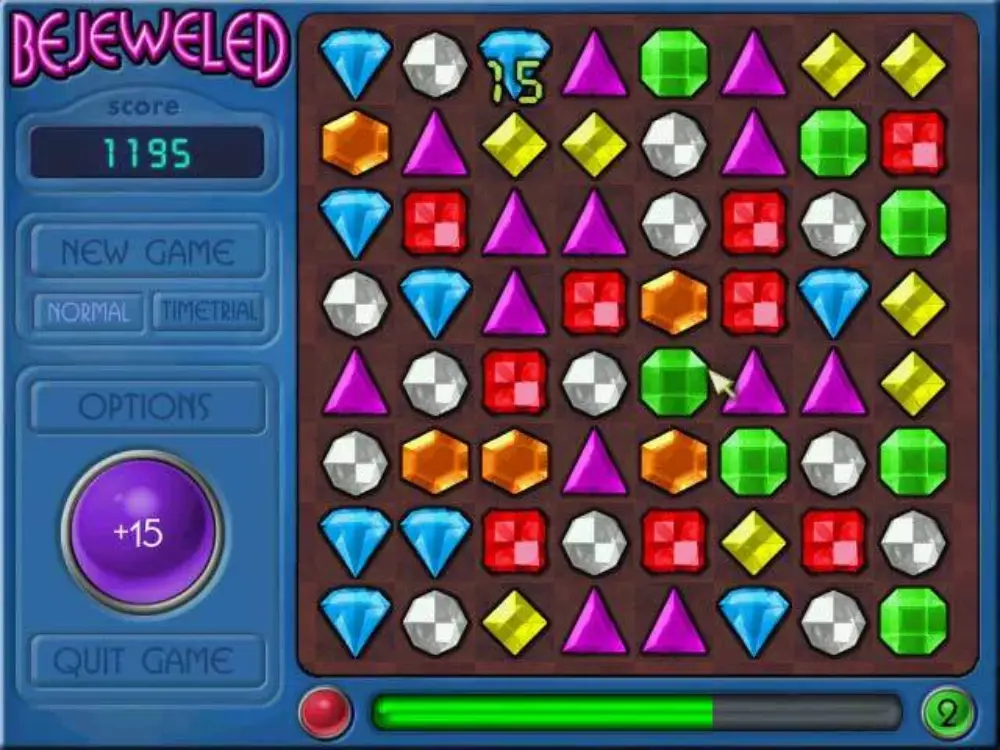
From nostalgic classics to mobile juggernauts, tile games have earned their spot as one of the most played genres worldwide. They’re easy to start, hard to put down, and perfect for players of all ages.
Whether you prefer the challenge of Rummikub, the calm of Mahjong, or the rush of Candy Crush, tile games deliver fast, flexible fun. And now that you know where to find them, and even which ones offer real rewards, the only thing left is to play smarter, and, if that is the case, without lag. Download ExitLag now!
Got questions or want to connect with other players? Join the conversation at the ExitLag Forum!