
In Valorant, every round can change the outcome of a match. Competitive shooters demand precision, teamwork, and quick decision‑making. Because of that, understanding your Valorant stats is one of the most effective ways to improve your gameplay and climb the ranked ladder.
When players analyze Valorant stats, they move beyond simple wins and losses. These numbers reveal patterns in aiming accuracy, decision‑making, agent performance, and round impact. By tracking the right metrics consistently, players can identify weaknesses, reinforce strengths, and develop smarter strategies over time.
What are Valorant stats?
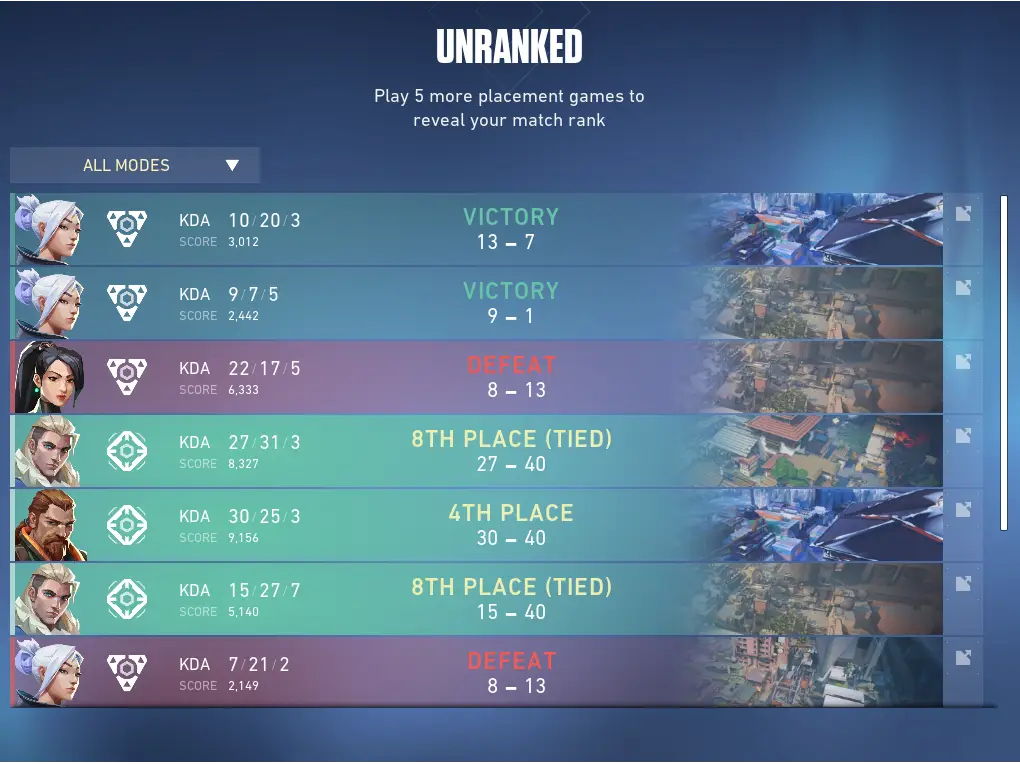
Valorant stats refer to the detailed performance metrics collected during matches, including kills, deaths, assists, headshot percentage, average combat score, damage per round, and win rate. These Valorant stats help players evaluate how effectively they contribute to their team and how their gameplay evolves across competitive matches.
Understanding Valorant Stats and Why They Matter
Tracking Valorant statistics gives players valuable insights that go far beyond a scoreboard. Instead of guessing why a match went well or poorly, stats provide measurable evidence about your gameplay.
Why Tracking Valorant Stats Improves Gameplay
Monitoring your stats regularly helps you identify patterns that influence match outcomes. For example, you might notice that your win rate drops when playing a specific agent or that your headshot percentage increases when using certain weapons.
Key advantages include:
- Identifying weaknesses in positioning and aim
- Tracking improvement across multiple matches
- Understanding which agents suit your playstyle
- Measuring impact beyond simple kills
Because of these benefits, most competitive players rely heavily on Valorant tracker tools to monitor their progress.
Core Valorant Metrics Every Player Should Track
Many metrics exist in the game, but some are significantly more important for evaluating performance.
Important stats include:
- Kill/Death ratio
- Average Combat Score (ACS)
- Damage per round
- Headshot percentage
- First bloods and first deaths
- Clutch success rate
Together, these Val stats provide a deeper understanding of how you influence rounds and team outcomes.
How to Check Valorant Stats in the Game Client
The simplest way to access Valorant stats is directly through the game’s built‑in interface. Riot includes a Career tab where players can review their recent matches.
Steps to Access In‑Game Stats
Follow these steps:
- Launch Valorant and log in to your Riot account
- Click your profile icon
- Open the Career tab
- Select a match to see detailed statistics
From here, players can view match history, agent usage, round performance, and MVP counts.
Limitations of Built‑In Statistics
Although the Career tab offers useful information, it lacks deeper analytics. Players cannot easily track long‑term trends or compare performance across seasons.
Because of that limitation, many players rely on external tools that provide deeper Valorant performance analysis.
Best Valorant Tracker Tools for Detailed Analysis
Third‑party analytics platforms transform raw match data into powerful insights. These services collect data through Riot’s public API and organize it into dashboards and graphs.
Popular Valorant Tracker Platforms
Several platforms stand out for their reliability and features.
- Tracker.gg
- Blitz.gg
- Dak.gg
- Valorant Radar
These platforms offer match history, performance graphs, agent statistics, and ranking progression.
Comparison of Major Tracking Tools
| Platform | Key Features | Free Version | Unique Benefit |
| Tracker.gg | Detailed player profile | Yes | Global leaderboards |
| Blitz.gg | In‑game overlay | Yes | Real‑time coaching |
| Dak.gg | Performance timeline | Yes | Seasonal analysis |
| Valorant Radar | Economic stats | Yes | Role‑based analytics |
Using these tools allows players to explore advanced Valorant statistics and improve decision‑making based on real data.
Most Important Valorant Stats for Ranking Up
Although many numbers appear in stat trackers, only a few truly impact rank progression.
Kill/Death Ratio
Kill/Death ratio remains one of the most recognizable indicators of combat efficiency. A balanced ratio around 1.0 indicates that a player trades evenly with opponents.
Higher ratios often indicate strong mechanical skill and positioning.
Average Combat Score (ACS)
ACS measures overall combat impact, including kills, damage, and multi‑kill bonuses. Because of this, it is widely considered one of the most reliable Val stats.
Win Rate
Ultimately, the goal of every competitive match is victory. A consistent win rate above 52 percent typically indicates steady rank progression.
What Is Considered a Good K/D in Valorant
The meaning of a “good” K/D depends on the player’s role and rank. Duelists usually have higher ratios because they engage in more fights.
| K/D Ratio | Interpretation | Typical Role |
| 0.80–1.00 | Support heavy playstyle | Controller |
| 1.00–1.20 | Balanced performance | Sentinel |
| 1.20–1.50 | Strong mechanical skill | Duelist |
| 1.50–2.00 | High consistency | Competitive grinder |
| 2.00+ | Elite performance | Professional level |
However, these numbers only tell part of the story. Team utility, positioning, and strategic decision‑making also influence Valorant performance.
Strategies to Improve Your Valorant Stats
Improving Valorant stats requires a combination of mechanical skill, game sense, and consistency.
Analyze Your Weakest Metrics
Start by reviewing your lowest stats. If your headshot percentage is low, focus on aim training. If your clutch success rate is poor, study late‑round decision‑making.
Use VOD Reviews
Watching recordings of your matches helps reveal mistakes you may not notice while playing.
Common issues discovered in reviews include:
- Poor crosshair placement
- Risky positioning
- Inefficient utility usage
These adjustments can dramatically improve your Valorant statistics over time.
Maintain a Consistent Warm‑Up Routine
A strong warm‑up routine prepares both aim and reaction time before competitive matches.
Recommended routine:
- Aim training drills
- Deathmatch sessions
- Practice range tracking
Consistency in preparation leads to better Valorant performance during ranked matches.
Optimizing Settings for Better Valorant Performance

Hardware and configuration settings also influence stats significantly.
Adjust Graphics Settings for Stability
Lower graphics settings can increase frame rate stability. A stable frame rate helps maintain smooth aiming and reaction timing.
Configure Sensitivity and Crosshair
Many professional players use low mouse sensitivity because it allows greater precision.
Experiment with sensitivity settings until you find a balance between speed and control.
Using ExitLag to Stabilize Competitive Matches
Network stability plays a major role in competitive shooters. Even small spikes in latency can cause missed shots or delayed reactions.
ExitLag helps players maintain stable routing to game servers by optimizing network paths. This reduces packet loss, lowers ping fluctuations, and helps ensure consistent gameplay.
With stable connections, your Valorant stats reflect your actual skill level instead of unpredictable network conditions.
Valorant Stats: Using Data to Dominate Ranked Matches
Understanding and tracking Valorant stats transforms the way players approach improvement. Instead of guessing what went wrong, players can rely on measurable data to refine their gameplay.
By combining analytics tools, structured practice, and stable network performance, players can steadily increase their impact in every match.
Ultimately, the most successful players treat statistics as a roadmap for improvement. With consistent analysis and strategic adjustments, anyone can turn their stats into a powerful competitive advantage.
Conclusion About Valorant Stats
Beyond analyzing your Valorant stats, optimizing your connection is also essential for accurate performance data. Network instability can negatively impact reaction time, accuracy, and decision‑making. Using a connection optimization tool like ExitLag helps stabilize routing and reduce latency spikes, allowing players to perform consistently so their stats reflect real skill rather than network issues.
FAQ
You can check your stats through the Career tab inside the Valorant client or by using external tracker platforms that provide more detailed analytics.
Popular tracker tools include Tracker.gg, Blitz.gg, and Dak.gg. These platforms provide detailed dashboards and performance insights.
An ACS around 200 is considered average, while 250 or higher indicates strong round impact in competitive matches.
Your Riot account privacy settings may hide your match history. Setting your profile to public usually resolves the issue.
Yes. Tracking statistics helps players identify weaknesses, measure progress, and make data‑driven adjustments to their gameplay.
Got questions or want to connect with other players? Join the conversation at the ExitLag Forum!