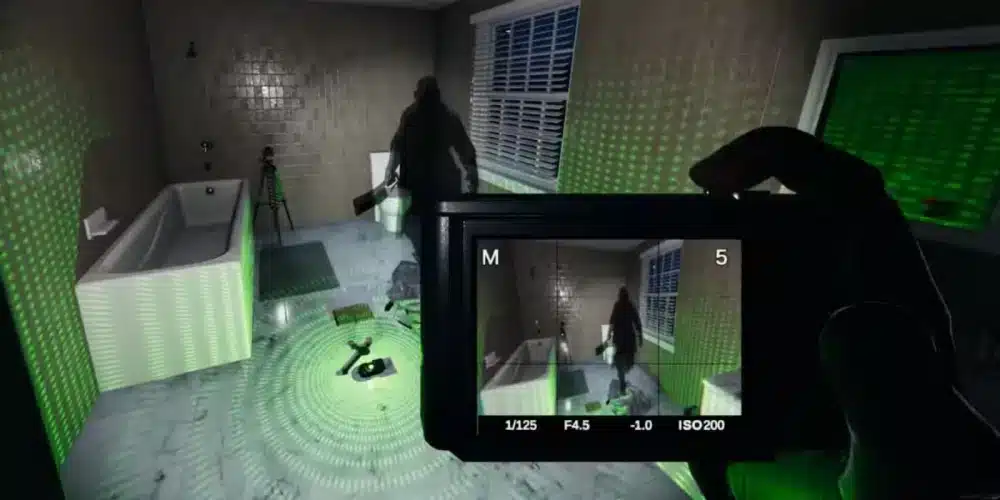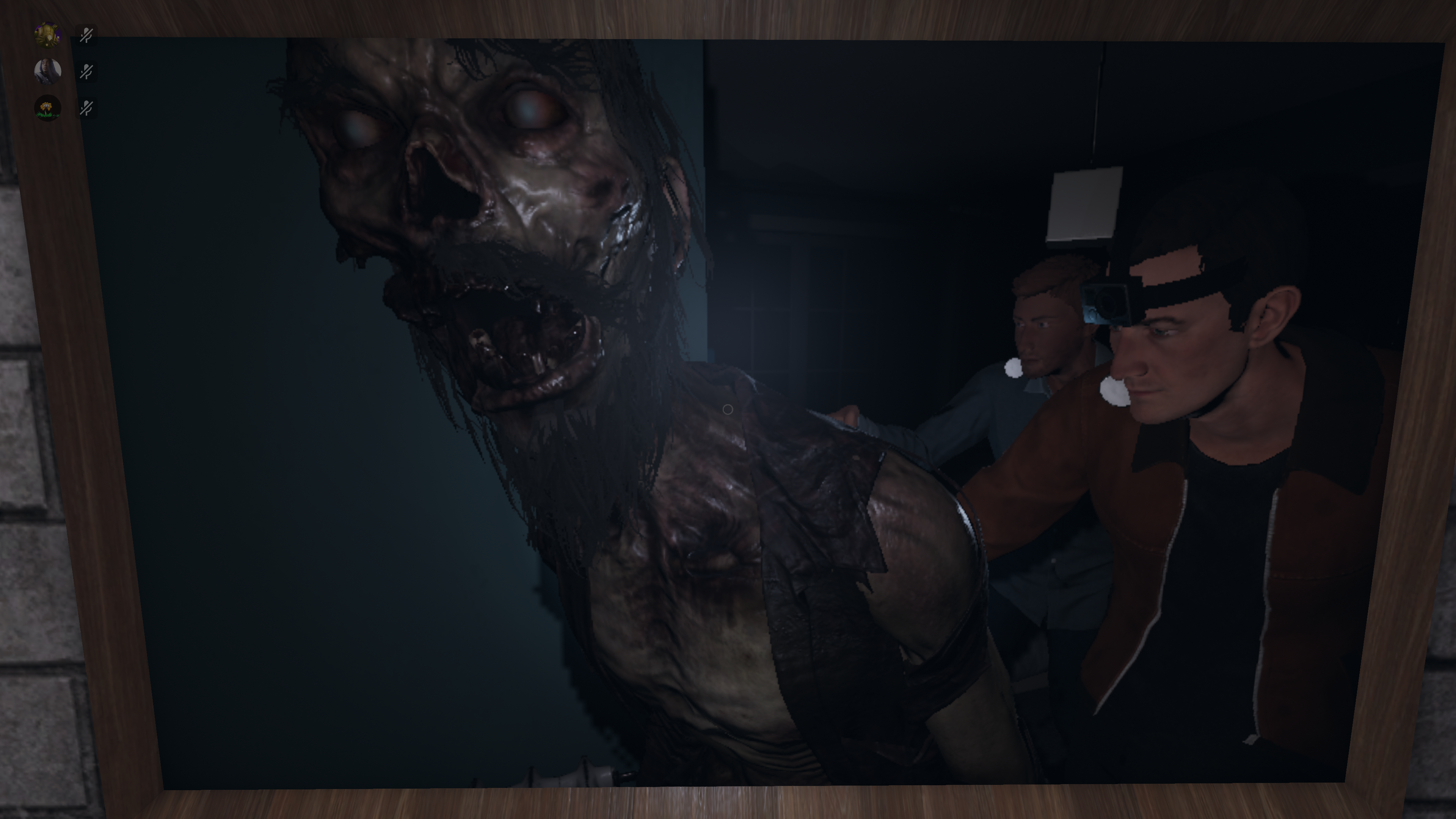
Phasmophobia is built around uncertainty, fear, and misdirection, and no ghost represents those elements better than the Mimic. From the moment it was added to the game, this ghost type became notorious for confusing even veteran investigators. Unlike most entities you encounter, the Mimic is specifically designed to lie to you.
In Phasmophobia, knowledge is survival. Players rely on consistent evidence, predictable behaviors, and pattern recognition to identify ghosts safely. The problem is that the mimic phasmophobia exists to break those rules. It copies other ghosts, imitates their behavior, and creates false confidence – often right before a deadly hunt.
So, what can the Mimic mimic in Phasmophobia? The answer is complex, and understanding it is essential if you want to survive high‑difficulty contracts. This guide explains exactly how the Mimic works, what it can and cannot copy, and how to spot it before it’s too late.

What Is the Mimic in Phasmophobia?
The Mimic is a unique ghost type in Phasmophobia that can imitate the behavioral traits of other ghosts during an investigation. Instead of having one consistent personality, it changes how it acts throughout the contract, intentionally misleading players.
Unlike standard ghosts, the phasmophobia mimic does not lock itself into a single behavior pattern. One moment it may appear passive and calm, and the next it may hunt aggressively or move in unexpected ways. This inconsistency is its greatest weapon.
The Mimic was introduced to challenge players who rely too heavily on behavior alone. If you identify ghosts purely by how they hunt or interact, the Mimic is designed to punish that habit.
Why the Mimic Is So Dangerous
The danger of the Mimic lies in its unpredictability. Players may believe they are dealing with one ghost type, only to be surprised by sudden behavior changes that don’t match their expectations.
This ghost thrives on hesitation and false assumptions. When teams split up, delay confirmation, or trust behavior over evidence, the Mimic gains the upper hand.
What Can the Mimic Mimic in Phasmophobia?
This is the most important question investigators ask when facing this ghost. What can the Mimic mimic in Phasmophobia comes down to one key rule: it copies behavior, not identity.
Ghost Behaviors the Mimic Can Copy
The Mimic can imitate many traits associated with other ghosts, including:
- Hunt speed patterns from different ghost types
- Aggression levels and hunt timing
- Object interaction frequency
- Special behavioral traits tied to certain ghosts
For example, the Mimic may throw objects aggressively like a Poltergeist, hunt early like a Demon, or display unusual movement patterns similar to fast or slow hunt ghosts. These behaviors can change even within the same contract.
This makes mimic phasmophobia investigations extremely deceptive, as teams may think they’ve confirmed a ghost based on behavior alone.
What the Mimic Cannot Mimic
Despite its name, the Mimic has limits. It cannot change its true evidence types. No matter what behavior it copies, its actual evidence remains the same.
It also cannot create evidence it does not have. Even if it behaves like a ghost that should produce certain tools or readings, those evidence types will never appear.
Understanding this limitation is critical for correctly identifying phasmophobia the mimic.
Mimic Evidence Phasmophobia Explained
While behavior is misleading, evidence is where the truth is revealed. The Mimic has a fixed evidence set that never changes.
The Mimic’s Real Evidence
The Mimic’s official evidence includes:
- Spirit Box responses
- Ultraviolet fingerprints
- Freezing Temperatures
These three evidence types define the ghost, regardless of how it behaves during hunts or interactions.
Ghost Orbs: The Fake Evidence
What makes the Mimic truly unique is Ghost Orbs. The Mimic always shows Ghost Orbs, but they are not real evidence.
This makes it the only ghost in Phasmophobia capable of displaying four apparent signs at once. Many players fall for this trick, assuming the orbs confirm a different ghost type.
If you ever find Ghost Orbs alongside Spirit Box, UV, and Freezing Temperatures, you are almost certainly dealing with the Mimic.
How to Identify the Phasmophobia Mimic Early
Identifying the Mimic early can save lives. There are several warning signs that experienced investigators look for.
Conflicting Behaviors
One of the clearest indicators is inconsistency. If the ghost behaves like multiple ghost types across hunts or interactions, that is a major red flag.
For example, a ghost that appears slow and passive early, then suddenly hunts aggressively with different movement behavior, should raise suspicion.
Evidence That Doesn’t Add Up
Another sign is missing evidence. If the ghost behaves like it should have DOTS Projector or EMF Level 5 but never produces them, the Mimic becomes a strong candidate.
This mismatch between behavior and evidence is exactly how the phasmophobia mimic is meant to deceive players.
Why the Mimic Is One of the Hardest Ghosts in Phasmophobia
The Mimic is difficult because it attacks player psychology. It exploits habits, assumptions, and overconfidence.
On higher difficulties, where evidence is limited, the Mimic becomes even more dangerous. Players must rely on patience, teamwork, and careful verification rather than quick guesses.
Smooth performance also matters during investigations. Audio cues, Spirit Box responses, and hunt timing can all be affected by lag or connection instability.
Using ExitLag helps stabilize your connection, reducing delay and packet loss so critical ghost interactions register correctly. In a game where seconds matter, a stable connection can be the difference between escaping a hunt and losing the contract.
Understanding the mimic phasmophobia is not about memorizing tricks – it’s about staying disciplined, trusting evidence, and never assuming the ghost is what it pretends to be.
Advanced Mimic Phasmophobia Behavior Patterns
Once you understand the basics, the true danger of the mimic phasmophobia appears in advanced investigations. This ghost is not just deceptive at first glance – it actively adapts throughout the contract, forcing players to constantly reassess their conclusions.
Unlike other ghosts that remain consistent, the Mimic can change how it behaves multiple times during a single mission. This makes long investigations especially risky, as early assumptions can quickly become obsolete.
How the Mimic Changes Behavior Mid-Contract
The Mimic does not lock into a single ghost personality. Instead, it periodically imitates different ghost behaviors, which can completely alter how hunts and interactions feel.
For example, it may start the match with calm interactions and late hunts, then suddenly shift to aggressive behavior later on. This creates false confidence and often leads teams to misidentify the ghost early.
Mimic Hunt Variations Explained
During hunts, the phasmophobia mimic may display different movement patterns depending on what it is copying at that moment. One hunt may feel slow and manageable, while the next feels fast and overwhelming.
Because of this, relying on a single hunt observation is extremely dangerous. Experienced players always observe multiple hunts before ruling out the Mimic.
Mimic Evidence Phasmophobia in Nightmare and Insanity Modes
Higher difficulties fundamentally change how dangerous the Mimic becomes. With limited evidence available, players are forced to rely on logic, elimination, and behavior analysis.
In Nightmare and Insanity modes, mimic evidence phasmophobia mechanics are especially punishing, as the ghost’s fake Ghost Orbs become one of the few consistent tells.
Evidence Limitations on Higher Difficulties
On Nightmare difficulty, only two pieces of real evidence are available. On Insanity, that number drops even further. This removes many safety nets players rely on in lower difficulties.
The Mimic exploits this perfectly. If Ghost Orbs appear alongside two real evidence types that normally do not match, suspicion should immediately rise.
How to Confirm the Mimic With Limited Evidence
When evidence is restricted, players must shift strategies. Instead of chasing confirmation, the goal becomes elimination.
If a ghost behaves like it should have DOTS, EMF Level 5, or Ghost Writing but never produces them, phasmophobia the mimic becomes the most likely answer.
Mimic vs Other Deceptive Ghosts
| Ghost | Can Change Behavior | Fake Evidence | Consistency Level | Difficulty |
| The Mimic | Yes | Yes (Ghost Orbs) | Very Low | Very High |
| Poltergeist | No | No | Medium | Medium |
| Demon | No | No | High | High |
| Deogen | No | No | Very High | Medium |
| Thaye | Partial | No | Medium | High |
This comparison highlights why the Mimic stands alone. No other ghost combines behavior swapping with fake evidence.
How to Survive a Mimic Hunt
Survival against the Mimic depends on discipline and preparation. Treat every hunt as potentially different from the last.
Positioning and Hiding Against Unpredictable Hunts
Because hunt behavior can change, players should prioritize flexible hiding spots. Relying on speed assumptions or familiar patterns can be fatal.
Breaking line of sight early and maintaining multiple escape routes significantly increases survival chances against mimic phasmophobia encounters.
Common Mistakes Players Make Against the Mimic
Many deaths happen due to avoidable errors:
- Trusting behavior over evidence
- Locking the journal too early
- Ignoring Ghost Orb inconsistencies
- Assuming hunt speed will remain the same
Avoiding these mistakes dramatically improves success rates.
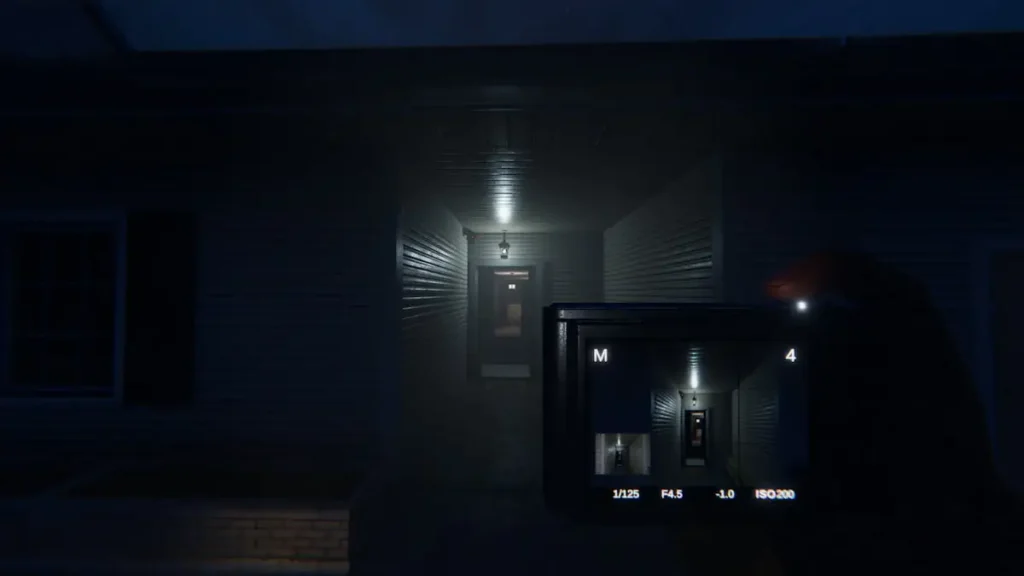
Is the Phasmophobia Mimic the Hardest Ghost in the Game?
Among veteran players, the Mimic is often considered one of the hardest ghosts to deal with – not because of raw aggression, but because of mental pressure.
Difficulty Comparison With Other Top-Tier Ghosts
While ghosts like Demon or Deogen are dangerous in predictable ways, the Mimic constantly forces players to question their understanding. This makes it far more punishing over time.
Why Experienced Players Still Die to the Mimic
Even experienced investigators fall victim to overconfidence. Once players think they have solved the case, the Mimic strikes by breaking expectations.
This psychological element is what elevates the Mimic above most other ghosts.
How ExitLag Improves Phasmophobia Mimic Investigations
In Phasmophobia, small delays can cause major mistakes. Audio cues, Spirit Box responses, and hunt sounds are all time-sensitive.
ExitLag improves connection stability by optimizing routing and reducing packet loss. For co-op horror games, this means clearer communication, faster reaction times, and fewer desync issues.
When facing unpredictable ghosts like the Mimic, stable performance can be the difference between escaping a hunt and losing the mission.
Final Checklist – How to Confirm The Mimic Safely
Follow this process before locking your journal entry:
- Confirm all real evidence available
- Check for Ghost Orbs, even if they seem misleading
- Observe multiple hunts for conflicting behavior
- Eliminate ghosts that require missing evidence
- Select the Mimic only after verification
All game images used in this blog belong to Kinetic Games. They are used for informational/educational purposes only and do not imply endorsement or affiliation with the rights holders.
Got questions or want to connect with other players? Join the conversation at the ExitLag Forum!