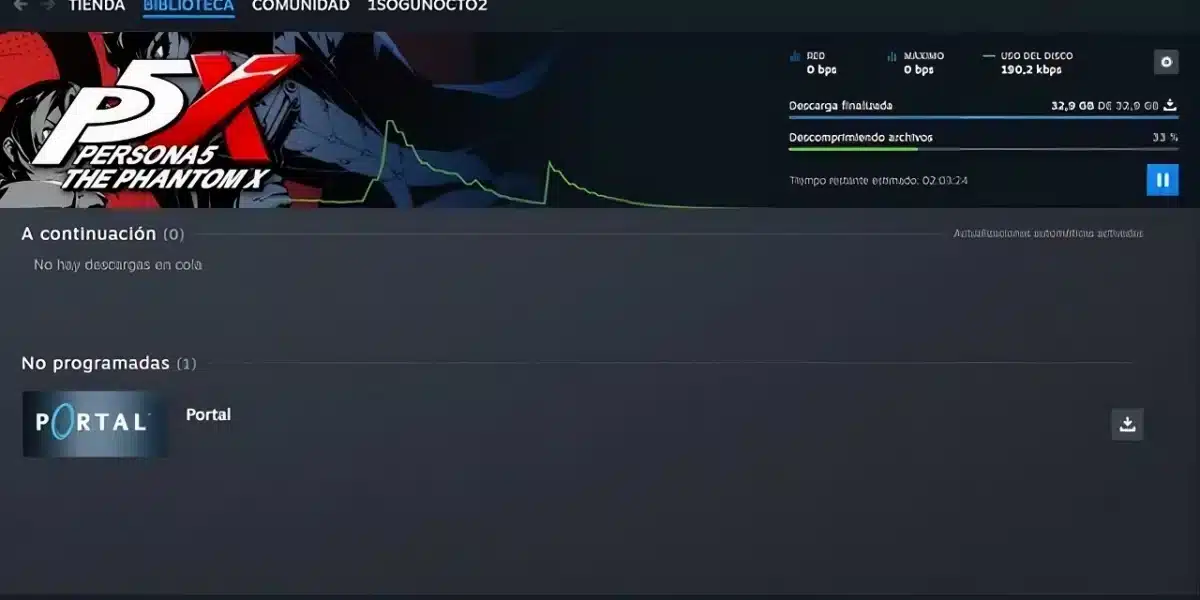
If your downloads crawl at certain times or your matches suddenly lag for no reason, you might be dealing with a hidden network policy. Many players ask what is internet throttling the moment their connection slows without warning. Understanding this issue is the first step toward fixing it.
In simple terms, internet throttling happens when your provider deliberately reduces your connection speed. It is not random. It is a decision made somewhere on the network side, often without clear notice to the customer.
So, what is internet throttling exactly? It is when an internet service provider intentionally limits the bandwidth available to your connection, either across your entire service or for specific types of traffic like streaming, gaming, or large downloads. This differs from normal congestion, which is temporary and affects everyone on the network at once. Throttling, on the other hand, is a deliberate policy that can persist for hours, days, or an entire billing cycle.
Once you understand the throttling definition, the next step is learning how it shows up in real gameplay and everyday browsing. This guide breaks down the mechanics, the legal landscape, and the practical fixes that actually work.

What Is Internet Throttling and How Does It Work?
Every ISP manages a shared pipe of bandwidth across thousands of households. When traffic spikes, providers sometimes choose to slow specific connections instead of upgrading their infrastructure.
That is the core of what is internet throttling: a traffic management decision, not a technical accident.
The Basic Throttling Definition
The throttling definition is straightforward once you strip away the jargon. It refers to the intentional slowing of data transfer speeds by a network operator.
- Applied to an entire account or connection
- Applied only to specific apps, ports, or protocols
- Triggered by data caps, time of day, or type of traffic
- Enforced through deep packet inspection on the ISP’s equipment
Why ISPs Use Bandwidth Throttling
Providers rarely throttle without a business or technical reason behind it. Most of the time, it comes down to managing limited capacity across a busy network.
- Reducing congestion during peak evening hours
- Enforcing monthly data caps on capped plans
- Discouraging heavy use of competing streaming services
- Managing costs on mobile and satellite networks
- Prioritizing certain traffic types over others
What Is Network Throttling vs Bandwidth Throttling?
These two terms often get used interchangeably, but there is a subtle difference worth understanding. Knowing the distinction helps you diagnose the real cause of your slowdown.
What is network throttling in the strictest sense refers to any deliberate control over traffic flow, including within local networks, routers, or corporate systems. Bandwidth throttling usually refers specifically to an ISP limiting your overall connection speed.
Throttling Internet Traffic by Type
Not all throttling internet practices are equal. Some providers target specific activities rather than your whole connection.
- Streaming throttling: Video platforms get capped to a lower resolution automatically
- Gaming throttling: Game traffic gets deprioritized during busy hours
- Torrent or P2P throttling: File-sharing protocols are slowed or blocked
- Hotspot throttling: Tethered data gets a lower speed cap than the main connection
Network Bandwidth Throttling on Mobile Data
Mobile carriers apply network bandwidth throttling once you cross a high-speed data allowance. Instead of cutting you off, they simply reduce your speed to a fraction of normal.
This is common even on plans advertised as unlimited. Once the premium data threshold is reached, speeds can drop to levels barely usable for video calls or online gaming.
Is Broadband Throttling Legal Today?
This is one of the most common questions players and everyday users ask once they discover their connection has been slowed. The honest answer depends heavily on where you live.
Broadband throttling is currently legal at the federal level in the United States, as long as the provider discloses the practice in its terms of service. There is no blanket federal ban preventing ISPs from doing this.
Net Neutrality Rules by State
Several states have passed their own protections that go beyond federal policy. If you live in one of these states, your rights are stronger than the national baseline.
| Protection Level | States or Regions | What It Covers |
|---|---|---|
| Full state ban on throttling | California, Washington, Oregon, Colorado, Vermont | Blocks throttling, blocking, and paid prioritization for residential users |
| Federal transparency only | Most other states | ISPs must disclose throttling but can still apply it |
| No specific protection | Areas with limited ISP competition | Users have little leverage against throttling policies |
How ISPs Disclose Throttling Internet Practices
Providers are generally required to mention throttling internet policies somewhere in their documentation, even if it is buried in the fine print.
- Check the “network management” section of your provider’s terms
- Look for mentions of “fair use policy” or “data prioritization”
- Review your mobile plan’s premium data allowance details
- Search your provider’s support page for throttling disclosures
How Do You Know If Throttling Internet Is Happening to You?
Detecting throttling internet issues takes more than a single speed test. Consistent patterns matter far more than one bad result.
Signs Of Bandwidth Throttling During Gaming
Gamers often notice throttling before anyone else in the household, simply because latency spikes are so obvious mid-match.
- Smooth browsing but constant buffering on streaming apps
- Sudden ping spikes at the same time every evening
- Downloads that slow dramatically after a certain data threshold
- Voice chat cutting out while text-based apps work fine
Running a Throttling Test the Right Way
A single test rarely tells the full story. Follow these steps for a reliable result.
- Run a baseline speed test on a wired connection during off-peak hours
- Repeat the same test during your usual gaming or streaming time
- Connect through a trusted VPN and run the test again
- Compare all three results across several days, not just once
- Note the exact times when speed drops are most consistent
Pro Tips And Common Mistakes for Internet Throttling
Once you understand what is internet throttling, the next step is applying practical strategies that actually reduce its impact on your daily connection.
Pro Tips: Beating Internet Throttling
- Test at multiple times of day: Throttling patterns often follow a schedule, so testing only once hides the pattern.
- Use a wired connection for tests: Wi-Fi interference can mimic throttling symptoms, so cables give cleaner results.
- Track your data usage weekly: Many throttling internet policies trigger once you cross a specific monthly threshold.
- Contact your ISP directly: Sometimes a simple call reveals an active network management policy affecting your account.
- Optimize your routing, not just your speed: Even without throttling, inefficient routes to game servers cause similar lag symptoms.
Common Mistakes Internet Throttling Victims Make
- Assuming one slow test proves throttling: Natural congestion can look identical to deliberate throttling. Fix: run tests across several days and times before drawing conclusions.
- Ignoring the fine print in the service contract: Many providers disclose throttling policies that go unnoticed. Fix: read the network management section before signing up or upgrading.
- Using an unreliable VPN to test for throttling: A weak VPN adds its own latency and skews results. Fix: choose a trusted, high-performance service for comparison tests.
- Blaming the game server for every lag spike: Not all latency is server-side. Fix: rule out your own connection and routing path first.
How ExitLag Helps With Internet Throttling And Network Bandwidth Throttling
Once you have confirmed that throttling internet behavior is affecting your matches, the next question is what actually helps. This is where a dedicated connection optimizer becomes useful.
ExitLag is not a VPN. It is a game connection optimizer that analyzes multiple network paths in real time and picks the fastest, most stable route between your device and the game server.
What ExitLag Actually Does
Instead of encrypting all your traffic like a VPN, ExitLag focuses specifically on routing your game data more efficiently. This makes it a natural companion for anyone dealing with lag caused by network bandwidth throttling or inefficient ISP routes.
- Real-time Optimization: Reduces delay and packet loss, making in-game commands land faster and more precisely.
- Multipath Technology: Sends packets through multiple routes at once, so if one path degrades, another keeps your connection stable.
- Multi-Internet: Supports up to four simultaneous internet connections, switching instantly if one drops.
- Traffic Shaper: Prioritizes game traffic over background downloads and updates that compete for your bandwidth.
ExitLag supports 4,000+ titles across PC and Mobile, with 1,500+ servers spread across 190+ countries. It is trusted by 30M+ users and handles 18M+ optimizations every week.
It does not modify game files, does not inject code, and does not interfere with anti-cheat systems, so it remains safe to use with Valorant, CS2, League of Legends, Fortnite, and every other supported title.
Download ExitLag for Your Platform
If throttling internet symptoms keep interrupting your sessions, testing a smarter route is a low-risk next step.
Avoid running ExitLag alongside a separate VPN, since the two tools can conflict and reduce the effectiveness of your routing optimization.
Final Thoughts on What Is Internet Throttling
At this point, the answer to what is internet throttling should feel much clearer. It is a deliberate, provider-side decision to slow specific traffic, not a random glitch in your home network.
Quick Recap
- Throttling is intentional; congestion is temporary and circumstantial
- Bandwidth throttling can target your whole connection or specific apps
- Broadband throttling remains legal federally, though some states restrict it
- Consistent, multi-day testing is the only reliable way to confirm it
Next Steps to Beat Throttling Internet Issues
Furthermore, combining awareness with the right tools makes a real difference. Testing your connection patterns, reviewing your ISP contract, and optimizing your in-game routing together address the full picture.
Therefore, whether the cause turns out to be a data cap, a peak-hour policy, or simple inefficient routing, you now have a clear path to diagnose and respond to it with confidence.
All images used in this blog post belong to their respective owners and are used for informational and educational purposes only. They do not imply endorsement or affiliation with the rights holders.
Got questions or want to connect with other players? Join the conversation at the ExitLag Forum!