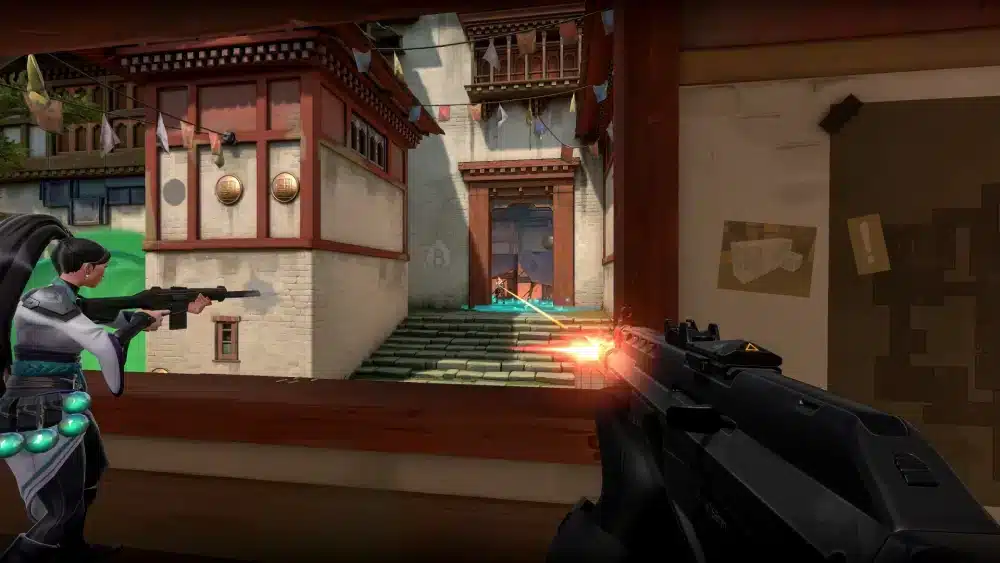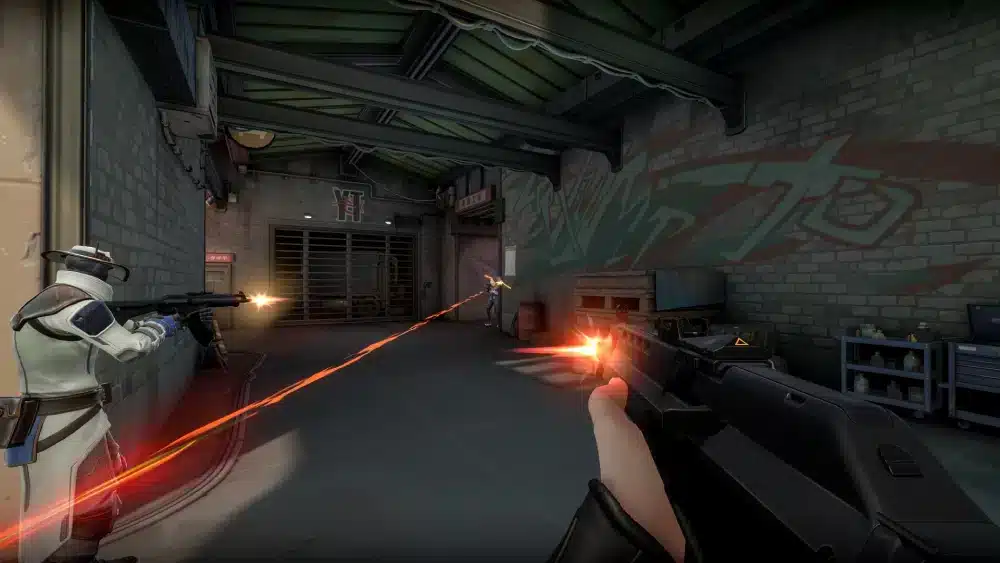
What is the meaning of Valorant is a question many new players ask when they first encounter the game. The word itself is not a standard English term, which makes it both distinctive and somewhat puzzling the first time you see it.
The name Valorant comes from the root word “valor,” which means great courage in the face of danger, especially in battle. Riot Games crafted the word by combining “valor” with the suffix “-ant,” which in English suggests an active participant or agent. The result is a name that implies someone who embodies courage in action.
When you define Valorant as a word, the most accurate interpretation is “one who acts with valor.” That definition aligns perfectly with the game’s design: every match asks players to make high-risk decisions, coordinate under pressure, and execute precise actions with real consequences.

What Does Valorant Mean and Why Did Riot Games Choose This Name?
Understanding what Valorant means requires looking at both the linguistic origin and the deliberate branding decisions Riot Games made during development. The name was not chosen randomly.
The Linguistic Origin of Valorant
The word “valor” has Latin roots from the word “valere,” meaning to be strong or worthy. In modern English, valor specifically refers to courage demonstrated in battle or dangerous situations.
Riot Games added the “-ant” suffix to create an active, participatory form of the word. This construction mirrors words like “vigilant,” “defiant,” and “triumphant,” all of which suggest someone actively embodying a quality rather than simply possessing it.
The name also works across multiple languages, which was a deliberate requirement during development:
- In Spanish, “valorant” connects directly to “valorar,” meaning to value or to assess worth.
- In French, “vaillant” (valiant) shares the same root, making the name immediately resonant.
- In Portuguese, “valorizar” carries similar connotations of assigning value and significance.
- In Chinese, the game is titled 无畏契约, meaning “Fearless Contract,” which captures the spirit rather than translating the word literally.
How Did Valorant Get Its Name? The Path from Project A to VALORANT
The game was not always called Valorant. Before the official reveal, Riot referred to it internally and publicly under the codename Project A, short for Project Ares. This placeholder name reflected the experimental nature of the project during early development.
The full development history follows this timeline:
- Early 2013: A small R&D team at Riot Games begins exploring what a tactical shooter built as a live-service game could look like.
- October 15, 2019: Riot announces Project A during their 10th anniversary celebration, releasing early footage without a formal name.
- March 2, 2020: Riot officially reveals the name VALORANT alongside a full gameplay trailer.
- April 7, 2020: The closed beta begins in select regions, available through Twitch drops.
- June 2, 2020: VALORANT officially launches globally as a free-to-play PC game.
What Does Valorant Signify Inside the Game’s Lore?
The name carries an additional layer of meaning within the game’s fictional universe. In Valorant’s lore, the VALORANT Protocol is an organization of elite agents who defend the Earth against threats tied to a mysterious event called First Light.
When Sage says “Stand tall. We are Valorant. We are fighters,” she is not referring to the game title. She is referring to the in-universe organization that the players represent. This internal consistency between the title and the lore is a deliberate design choice that reinforces the name’s meaning at every level of the experience.
What Is the Meaning of Valorant in the Context of Competitive Gaming?
Beyond its linguistic origin, what does Valorant mean in the context of the gaming industry is equally significant. The game’s name helped establish its identity and separate it from competitors when it launched.
How the Name Shaped the Game’s Identity
Riot needed a name that would communicate the feel of the game immediately. The tactical shooter genre had existing dominant titles, and Riot was entering as a newcomer with significant resources and ambitions.
The name VALORANT accomplished several goals simultaneously:
- Projected seriousness: Unlike playful or abstract game names, Valorant communicated gravity and competition from the first mention.
- Appealed to the tactical shooter audience: Players familiar with the genre immediately understood the tone the game would deliver.
- Worked globally: The name functions phonetically across most major languages without awkward pronunciation challenges.
- Connected to the in-game lore: The VALORANT Protocol gave the title a narrative function beyond just serving as a product name.
The Tagline: Defy the Limits
Alongside the name, Riot adopted the tagline “Defy the Limits” for Valorant’s competitive identity. The tagline speaks to surpassing perceived skill ceilings, both individually and as a team.
This combination of name and tagline creates a consistent brand message: you are an agent of courage who refuses to accept boundaries. That message applies to:
- Ranking up through competitive play
- Learning complex agent abilities and team strategies
- Executing high-pressure clutch rounds
- Competing on the international stage through the Valorant Champions Tour
Valorant as a Genre: What Type of Game Is It?
When players ask what does Valorant mean in terms of genre, the most precise answer is that it is a free-to-play 5v5 tactical hero shooter.
Breaking Down the Genre Description
Each part of that description carries specific meaning:
| Genre Element | What It Means for Gameplay |
| Free-to-play | No purchase required to access the base game |
| 5v5 | Two teams of five players compete in every match |
| Tactical | Movement, economy, and positioning matter as much as aim |
| Hero shooter | Each playable character (Agent) has unique abilities |
| First-person | The game is played from the player’s perspective |
How Does the Genre Define Valorant’s Feel?
The tactical layer means that every decision carries real consequences. You do not respawn mid-round. Dying costs your team your weapon and your economy contribution. A missed shot, a poor rotation, or a bad buy can determine the entire round’s outcome.
The hero shooter layer adds an additional dimension through agent abilities. However, Riot’s vice president of IP made it clear at launch: Valorant is not an ability game. Abilities are utility tools, while gunplay is the primary skill. The best Valorant players win through precise aim and tactical decisions, with abilities providing support rather than substitutes for shooting.
Pro Tips: Understanding Valorant’s Design Through Its Name
- Treat every round as high stakes: The name Valorant implies courage under pressure. Playing passive every round to avoid dying conflicts with the game’s design philosophy. Take calculated risks, support your team in entry situations, and treat each death as a tactical consequence rather than a failure.
- Learn the lore to understand agent motivations: Knowing that your agent is part of the VALORANT Protocol adds context to ability interactions and voice lines. Riot has embedded narrative details throughout the game that reward players who explore beyond the competitive surface.
- Understand the economy as a form of valor: Saving when your team needs you to save, and buying when your team needs a full buy, requires discipline. The best players understand that economic decisions are as important as individual mechanical skill.
- Watch the Valorant Champions Tour to see the name in action: Observing elite players demonstrate why the game earned its name, through clutch rounds, high-pressure executes, and coordinated team plays, is one of the most effective ways to understand what Valorant is designed to reward.
Common Mistakes Players Make About What Valorant Is
- Treating it like a pure aim game: Players who approach Valorant as a pure shooting game without considering economy, utility, and positioning consistently underperform at higher ranks. Fix: Study the tactical layer of the game through pro play and community guides, not just aim training.
- Ignoring agent lore and kit design: Every agent in Valorant was designed with the VALORANT Protocol lore in mind. Ignoring this context means missing visual and audio cues that communicate ability states and tactical intentions. Fix: Read each agent’s lore entries and watch their ability animations to understand the full extent of their kit.
- Confusing Valorant with a respawn-based shooter: New players sometimes continue playing after dying as if respawning is coming. Valorant operates on single-life rounds. Fix: Treat your life as a resource. Dying wastes your weapon investment and removes your contribution from the rest of the round.
Play Valorant at Its Best with ExitLag
Valorant is a game where milliseconds determine whether a shot registers or misses. High ping and packet loss are not just inconveniences in a tactical shooter, they are competitive disadvantages that can cost a round.
ExitLag is a connection optimizer used by over 30 million players across 4,000+ game titles, including Valorant. It selects the fastest, most stable route between your device and Riot’s servers in real time, without routing your general internet traffic through any intermediary.
Features that matter for Valorant specifically:
- Real-Time Optimization: Continuously selects the lowest-latency path to Riot’s servers so your shots register the instant you fire them.
- Multipath Technology: Routes your game packets through multiple simultaneous paths, eliminating the connection drops that cause peeker’s disadvantage to feel even worse.
- Traffic Shaper: Keeps Valorant traffic prioritized over background processes so a cloud backup or software update cannot spike your ping mid-clutch.
- Multi-Internet: Supports up to four connections simultaneously, ensuring your session never drops during a ranked match.
Try ExitLag free and play Valorant at your real skill level.
All images used in this blog post belong to their respective owners and are used for informational and educational purposes only. They do not imply endorsement or affiliation with the rights holders.
Got questions or want to connect with other players? Join the conversation at the ExitLag Forum!