Minecraft is full of creatures, but few are as cute and useful as the axolotl. These underwater friends add life to your oceans and caves. They also help in combat. Whether you’re new to Minecraft or a seasoned player, this guide will walk you through Minecraft Axolotl basics, how they spawn, how to breed them, and all the different axolotl colors in Minecraft.
Axolotls were added in the Caves & Cliffs update and are now one of the most popular mobs in the game. They spawn naturally in specific biomes and can be bred and collected to build your own aquatic zoo.
In this first section, we’ll cover where to find axolotls, their spawning conditions, how to collect them, and the first basics of axolotl breeding. Then we’ll dive into color variants like wild, leucistic, cyan, gold, and the famous rare blue.
What Are Axolotls in Minecraft?
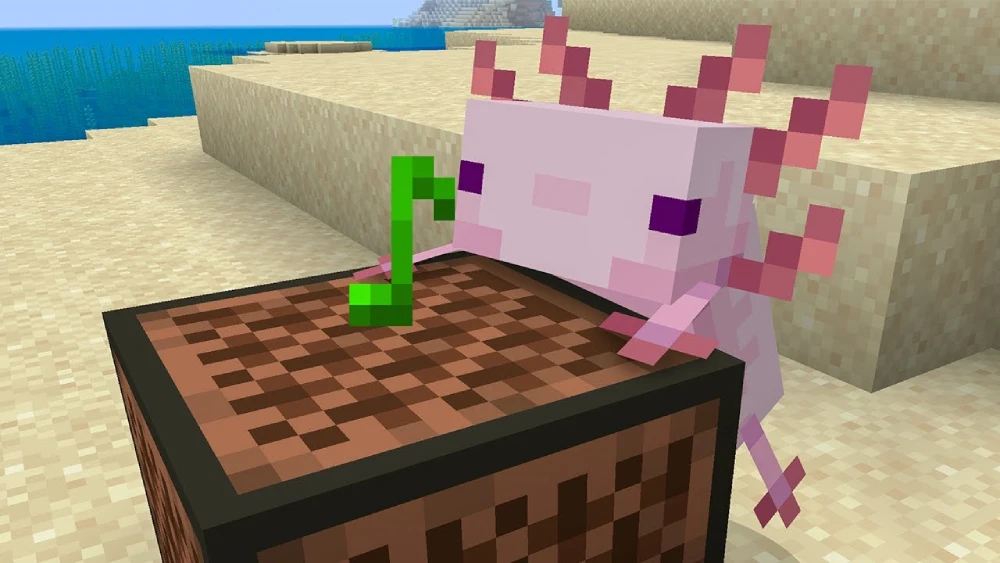
Axolotls are passive, aquatic mobs that spawn underwater in the Lush Caves biome. They look like cute salamanders and come in several color variants.
Unlike hostile mobs, axolotls won’t attack players. In fact, they can help you. They fight underwater mobs like drowned and guardians. Plus, they give players temporary regeneration after a fight.
Players cannot technically tame axolotls like cats or wolves, but they can capture and transport them in a Bucket of Axolotl. This lets you bring them back home or make an axolotl farm near your base.
Where to Find Axolotls
The only natural place to find axolotls is in the Lush Caves biome. These are underground areas filled with plants like moss, azalea trees, glow berries, and spore blossoms.
Axolotls spawn in underwater areas where a clay block exists within five blocks below the water. They typically appear in groups of 4-6.
Tips for Finding Lush Caves
- Look for azalea trees on the surface. Their roots often lead directly into lush caves below.
- Once in a cave, stay below sea level (Y63) to increase your chances.
- Explore water-filled areas that have clay nearby.
It’s possible to find axolotls just below sea level, so you don’t always have to dig super deep.
How to Capture Axolotls
To take an axolotl home, you must use a Water Bucket. Simply approach the axolotl and right-click (or use button) on it with the bucket. This creates a Bucket of Axolotl that you can carry in your inventory.
Once captured, you can release axolotls in any body of water near your base. Use this to build a farm or underwater sanctuary.
Note: Axolotls must stay in water. They will die if left out of water too long. This makes planning their habitat important.
Minecraft Axolotl Breeding
Breeding axolotls is simple but requires preparation. You need at least two adult axolotls and buckets of tropical fish.
To start breeding:
- Collect tropical fish with a bucket. You can find fish in oceans.
- Place your two axolotls in a small water area close together.
- Feed each of them a Bucket of Tropical Fish. This makes them enter love mode.
- A baby axolotl will spawn.
Once they breed, the parents cannot breed again for a short cooldown. In Java Edition, this lasts about 5 minutes; in Bedrock Edition, around 1 minute.
You can also speed up a baby’s growth by feeding it more tropical fish. Each feed reduces growth time by about 10%.
Why Breed Axolotls
Breeding axolotls lets you:
- Build a population of axolotls at your base.
- Try for the rare blue axolotl.
- Create themed aquariums or aquatic farms.
Axolotls that are bucketed can be easily stored and moved without despawning.
Axolotl Colors in Minecraft
There are five axolotl colors in Minecraft. Four of them spawn naturally:
- Leucistic (Pink) – light pink and one of the more common variants.
- Wild (Brown) – natural-looking brown color.
- Gold (Yellow) – bright and easy to spot.
- Cyan – a blue-green shade.
- Blue (Rare) – the rarest axolotl, only obtainable through breeding.
Natural vs. Rare Colors
The first four colors can spawn naturally in lush caves. However, the blue axolotl does not spawn naturally in your world. The only way to get a blue one is through breeding, that makes the blue axolotl extremely rare and highly sought after by collectors.
Blue Axolotl Chance
The chance of getting a blue axolotl from breeding is about 1 in 1200, or roughly 0.083%. This tiny chance applies whether your parents are the same colors or different colors, because blue axolotls are so rare, many players build dedicated axolotl breeding farms and spend hours trying to get one.
Axolotl Behavior and Combat Mechanics
Axolotls are passive toward players, but aggressive toward hostile underwater mobs. This makes them extremely useful during ocean exploration and monument raids.
They automatically attack:
- Drowned
- Guardians
- Elder Guardians
- Squid and Glow Squid
They do not attack fish or players. When an axolotl kills an enemy or assists in combat, it grants the player a short Regeneration effect. This effect can be life-saving during difficult underwater fights. Another unique mechanic is “playing dead.”
When an axolotl takes damage, it may pretend to be dead. Hostile mobs stop attacking it, allowing the axolotl to recover. This behavior increases survival chances, especially in large group fights.
This makes Minecraft Axolotl mobs surprisingly durable despite their small size.
How to Use Axolotls Effectively in Gameplay
Axolotls shine when used strategically. They are not meant to replace weapons, but to support players in dangerous water zones.
Best Uses for Axolotls
- Ocean Monument raids
- Underwater cave exploration
- Early-game combat assistance
- Decorative aquariums with functional value
You can release multiple axolotls into a combat area. They will swarm enemies and reduce pressure on the player. This is especially helpful when fighting guardians, where movement and visibility are limited.
Important Limitations
Axolotls need water to survive if left on land for more than 5 minutes, they begin to take damage and will eventually die. Always ensure water access when transporting or displaying them.
Advanced Axolotl Breeding Strategies
While basic Axolotl Breeding is simple, advanced strategies help players farm specific colors and increase efficiency. The biggest goal for most players is the Blue Axolotl.
Optimizing Breeding for Rare Colors
There is no way to influence color outcomes directly. The game uses random chance, with a very small probability for blue.
However, you can improve efficiency by:
- Breeding large numbers at once
- Using compact breeding pools
- Automating tropical fish collection
The more breeding attempts you perform, the higher your chances become over time.
Growth Management Tips
Baby axolotls take about 20 minutes to grow naturally. You can reduce this time by feeding them buckets of tropical fish. Each feeding speeds growth by around 10%, this allows faster breeding cycles and higher output over time.
Axolotl Colors Minecraft: Complete Overview
One of the most exciting parts of collecting axolotls is their color variety. Each variant has the same behavior, but different rarity and visual appeal. Below is a complete table covering Axolotl Colors Minecraft players can obtain.
Axolotl Color
| Axolotl Color | Spawn Method | Natural Spawn | Rarity Level | Notes |
| Leucistic (Pink) | Lush Caves | Yes | Common | Most recognizable variant |
| Wild (Brown) | Lush Caves | Yes | Common | Natural salamander look |
| Gold (Yellow) | Lush Caves | Yes | Uncommon | Bright and easy to spot |
| Cyan | Lush Caves | Yes | Uncommon | Blue-green shade |
| Blue | Breeding Only | No | Extremely Rare | 1 in 1200 chance |
The Blue Axolotl is a special reference to real-world conservation efforts and was intentionally made rare, because of this, many players treat blue axolotls as trophies rather than tools.
How to Build an Axolotl Farm
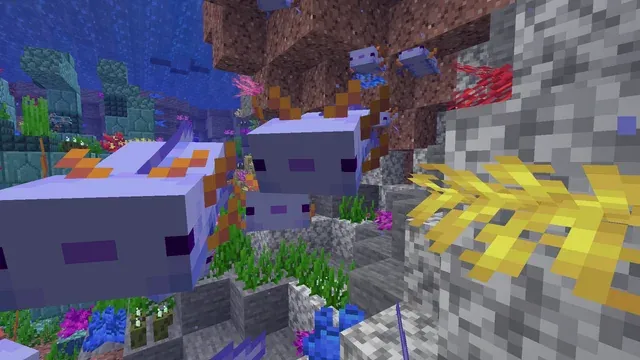
Creating a dedicated axolotl area helps with breeding, storage, and decoration.
A basic axolotl farm requires:
- A water pool (at least 2 blocks deep)
- Enough space for movement
- Safe lighting to prevent hostile spawns
- Easy access for feeding and collection
Simple Axolotl Farm Layout
- Dig a rectangular pool near your base
- Fill it completely with water
- Fence the area to prevent escapes
- Add light sources around the pool
- Introduce at least two axolotls
From here, you can expand the pool or divide it into sections by color. This setup is perfect for players focusing on axolotl breeding efficiency.
Common Axolotl Mistakes to Avoid
Many players lose axolotls due to small mistakes.
Avoid these common issues:
- Leaving axolotls on land too long
- Transporting them without water buckets
- Forgetting lighting and allowing mobs to spawn
- Mixing axolotls with hostile land mobs
Axolotls are peaceful but fragile outside their environment.
Multiplayer and Decorative Uses
Axolotls are extremely popular on multiplayer servers.
Players often build:
- Public aquariums
- Trading hubs with rare colors
- Themed underwater bases
Blue axolotls, in particular, are often displayed behind glass as prestige items. This adds social value to collecting every Axolotl Colors Minecraft offers.
Performance Matters When Farming Axolotls

Breeding farms, underwater bases, and lush caves can be demanding on network stability.
Lag during breeding, combat, or exploration can cause:
- Delayed mob behavior
- Missed interactions
- Combat deaths underwater
This is where ExitLag becomes essential.
ExitLag optimizes your connection by routing game data through the fastest servers available. For Minecraft players, this means smoother chunk loading, more responsive interactions, and fewer lag spikes when managing mobs like axolotls.
Whether you’re running a large breeding operation or exploring deep caves, ExitLag helps ensure performance stays consistent and reliable.
Why Axolotls Are Worth the Effort
Axolotls combine charm, utility, and rarity in a way few Minecraft mobs do. They help in combat, they reward patient breeding and they enhance underwater gameplay. For collectors, builders, and survival players alike, mastering axolotls adds depth to the Minecraft experience.
Got questions or want to connect with other players? Join the conversation at the ExitLag Forum!