
Dota 2 characters form the backbone of every match, defining strategy, pacing, and team synergy from the drafting stage to the final teamfight. With over 120 unique heroes available, dota 2 characters create one of the deepest and most complex competitive ecosystems in esports.
Understanding dota 2 characters is essential for improving hero selection, adapting to meta picks, and refining your role within the competitive roster. Each hero features distinct ability breakdowns, scaling patterns, and lane dynamics that directly influence match outcomes. And before we continue, know that to know more about all the relevant content about gaming, you just have to check our blog.
What are Dota 2 characters?
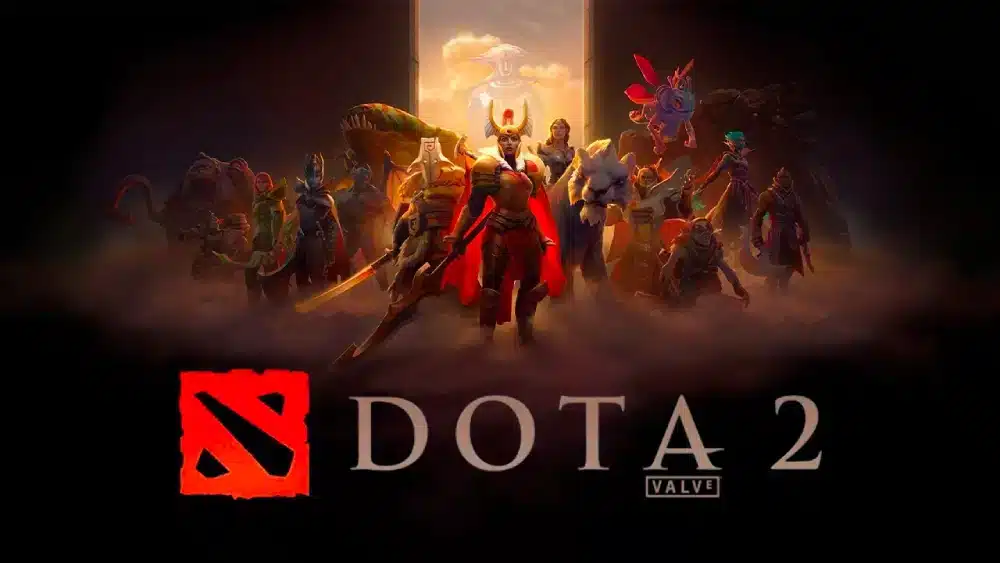
But what are dota 2 characters exactly? Dota 2 characters are playable heroes controlled by players in matches, each equipped with unique abilities, base stats, and clearly defined roles that impact the overall hero guide structure and evolving meta picks.
Unlike other MOBAs that limit access through unlock systems, dota 2 characters are fully available from the start. This design encourages experimentation while demanding strategic discipline from players seeking mastery.
What roles do Dota 2 characters play?
Every hero fits into a broader team structure. While flexibility exists, most dota characters align with established positions that define farm priority and map responsibility.
Core roles
- Carry (Position 1)
- Weak early, powerful late
- Focused on farming efficiency
- Primary damage source in teamfights
- Midlaner (Position 2)
- Early tempo controller
- Rune and rotation pressure
- Often high burst or mobility
- Offlaner (Position 3)
- Durable initiator
- Disrupts enemy carry farm
- Controls teamfight positioning
Support roles
- Soft Support (Position 4)
- Roaming and ganking
- Secures vision control
- Creates map pressure
- Hard Support (Position 5)
- Protects the carry
- Provides wards and utility
- Sacrifices farm for team impact
Understanding these roles simplifies hero guide navigation and draft preparation.
Check also: Dota 2 Items: What They Are and Why They Decide Every Match
Ability breakdown and hero complexity
Each of the dota 2 characters comes with four primary abilities, including one ultimate. However, complexity varies dramatically.
Easy heroes
- Wraith King
- Lich
- Sniper
These heroes feature straightforward skill sets and forgiving mechanics.
Intermediate heroes
- Lina
- Axe
- Shadow Fiend
They require positioning awareness and proper spell timing.
Advanced heroes
- Invoker
- Meepo
- Chen
Advanced heroes demand high mechanical precision, micro-management, and deep ability breakdown understanding.
Dota 2 characters by archetype
| Archetype | Strength | Weakness | Meta Impact |
| Hard Carry | Late-game scaling | Weak early presence | High in long matches |
| Burst Mage | High magical damage | Low durability | Strong mid-game |
| Initiator | Fight control | Cooldown reliant | Essential in pro drafts |
| Utility Support | Vision & sustain | Low damage | Enables team synergy |
| Split Pusher | Tower pressure | Vulnerable solo | Situational meta pick |
This structure helps players categorize hero guide options efficiently.
How to choose the right hero
Selecting among dota 2 characters depends on several variables.
Consider:
- Current patch trends
- Team composition balance
- Enemy counter potential
- Personal mechanical comfort
- Lane matchup strengths
Strong drafting reduces reliance on individual outplays.
You may also like: How to fix jitter in Dota 2: Stabilize your connection and eliminate ping variations
Meta picks and competitive roster shifts
Meta picks change with each patch. Minor numerical buffs or item adjustments can elevate specific dota characters into competitive dominance.
Traits commonly seen in strong meta picks:
- Reliable disable abilities
- Flexible item builds
- Efficient farming speed
- Teamfight synergy
Professional tournaments heavily influence ranked trends. Observing competitive drafts helps predict future shifts in the competitive roster.
Why performance stability matters for Dota 2 characters
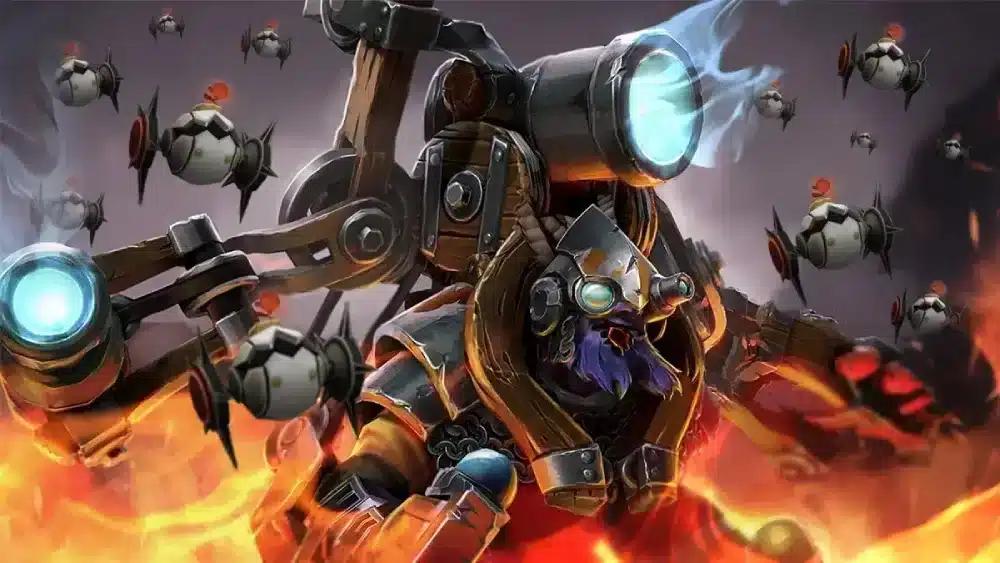
Because dota 2 characters often rely on frame-perfect spell timing and precise positioning, network instability can disrupt execution.
High latency may cause:
- Missed disables
- Delayed ultimates
- Failed blink initiations
- Inconsistent last hitting
ExitLag optimizes routing to Valve servers by dynamically selecting stable data paths. This reduces packet loss and stabilizes ping during high-pressure teamfights.
For players mastering complex ability breakdowns, consistent network performance ensures mechanical precision.
Building mastery with Dota 2 characters
Improving with dota characters requires deliberate practice.
- Focus on one role at a time
- Master 2–3 heroes per role
- Study professional replays
- Adapt item builds to matchups
- Review mistakes post-match
Depth of knowledge often outweighs hero pool size.
In conclusion, dota 2 characters represent one of the most intricate and strategically demanding competitive rosters in gaming. From simple supports to advanced micro-intensive cores, mastering dota 2 characters requires understanding roles, ability breakdowns, and meta picks — all supported by stable performance and consistent execution.
Check also: How to fix FPS drop in Dota 2: complete guide to reduce latency
Dota 2 characters advanced strategy: meta picks and drafting mastery
Dota 2 characters continue to evolve with every balance patch, shifting power levels and redefining competitive priorities. While understanding basic roles is essential, mastering dota 2 characters at a higher level requires adapting to meta trends and drafting intelligently.
As patches introduce buffs, nerfs, and item reworks, dota 2 characters rise and fall within the competitive roster. Players who monitor these shifts gain a significant advantage in ranked and tournament environments.
So how do dota 2 characters influence advanced gameplay decisions? Dota 2 characters determine tempo control, lane pressure, teamfight structure, and scaling potential — making drafting and synergy just as important as mechanical skill.
Because dota 2 characters interact differently depending on patch changes and itemization, understanding synergy and counterplay is key to consistent improvement.
Meta picks and patch impact
Every major update reshapes the hero guide landscape. Certain heroes become dominant due to synergy with new mechanics or numerical adjustments.
Traits of strong meta picks
- Reliable crowd control
- Flexible item builds
- Efficient farming patterns
- Strong laning presence
- Objective-taking capability
Heroes that combine these strengths often appear in professional tournaments and high-MMR drafts.
Read also: FPS boost in Dota 2: how ExitLag improves performance in 2025
Reading the meta effectively
- Analyze professional match drafts
- Review win-rate data across skill brackets
- Observe item build adaptations
- Identify recurring first-phase picks
- Study patch notes carefully
Understanding trends prevents outdated hero selections.
Drafting strategy with Dota 2 characters
Drafting determines team synergy long before the first creep wave spawns.
Balanced team composition
A stable lineup typically includes:
- 1 scaling carry
- 1 tempo midlaner
- 1 durable offlaner
- 1 roaming support
- 1 defensive support
Flexibility allows some dota characters to shift between roles depending on matchups.
Counterpick fundamentals
Effective drafting requires recognizing counters.
Examples:
- Illusion heroes counter single-target lineups
- Silence abilities punish spell-dependent cores
- Dispel mechanics neutralize debuff-heavy compositions
- High mobility counters slow initiation drafts
Anticipating enemy strategies increases win probability.
Check this: Dota 2 packet loss: fix connection issues and dominate games
Hero synergy combinations
Certain combinations amplify impact when paired together.
| Hero | Synergizes With | Reason |
| Magnus | Juggernaut, PA | Empower boosts physical damage |
| Shadow Demon | Luna, Terrorblade | Illusion amplification |
| Dark Seer | Sven, Ember Spirit | Vacuum + AoE burst combo |
| Vengeful Spirit | Drow Ranger | Ranged damage amplification |
| Keeper of the Light | Storm Spirit | Mana sustain and repositioning |
Recognizing synergy elevates overall draft cohesion.
Expanding your competitive roster
While specializing is beneficial, flexibility improves adaptability.
Best approach:
- Master 2–3 heroes per primary role
- Add one flexible hero capable of role swaps
- Learn at least one meta counter hero
- Practice niche picks in unranked modes
A balanced hero guide prevents vulnerability during draft phases.
Check this: The Frustration of Dota 2 Lag
Mechanical execution and network reliability
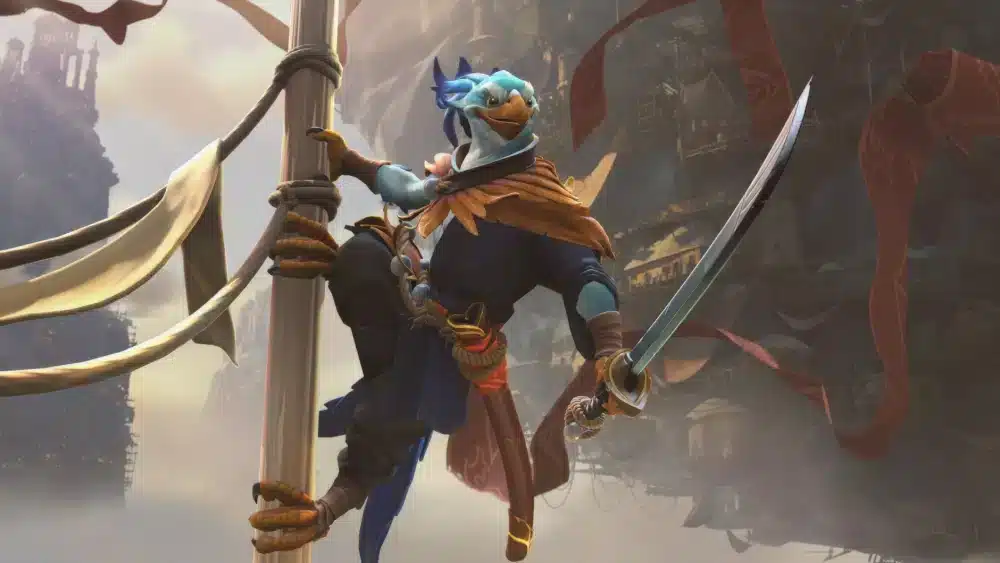
Advanced dota 2 characters often require precise timing.
Common high-skill actions include:
- Frame-perfect blink initiations
- Combo-based spell sequences
- Micro-control of multiple units
- High-speed ability weaving
Network instability may result in:
- Delayed spell activation
- Missed initiation windows
- Inconsistent turn rate reactions
- Interrupted combo chains
ExitLag enhances routing stability by selecting optimized data paths to Valve servers. Reduced packet loss and consistent latency allow accurate execution of complex character abilities during decisive moments.
For competitive players, reliable connectivity ensures mechanical consistency.
Frequently Asked Questions (FAQ)
Meta picks often provide statistical advantages due to balance tuning. However, comfort and hero mastery frequently outweigh raw tier rankings.
Check also: Dota 2 Community Insights on Reddit: join the discussions and get tips
Professional drafts offer valuable insight, but pub environments differ from coordinated team play. Adapt pro trends carefully based on your bracket.
Focusing on 5–8 dota 2 characters across two roles provides flexibility without overwhelming mechanical consistency.
No. Counters increase strategic advantage, but execution, positioning, and team coordination ultimately determine match outcomes.
Yes. Micro-intensive and combo-based heroes are especially sensitive to latency spikes and packet loss.
In Conclusion
Dota 2 characters define one of the most strategically complex competitive ecosystems in esports. From understanding meta picks to mastering drafting synergy, dota 2 characters demand both analytical preparation and mechanical precision.
Advanced players must balance hero pool depth, patch awareness, and counterpick knowledge to remain competitive across evolving seasons. However, strategic knowledge alone is not enough. Stable execution requires consistent connectivity and low-latency responsiveness.
With optimized routing and reliable performance, dota 2 characters become powerful tools for climbing ranked and competing at higher levels. True mastery of dota 2 characters combines strategic awareness, mechanical execution, and network stability. Download ExitLag now!
Got questions or want to connect with other players? Join the conversation at the ExitLag Forum!