

Dota 2 heroes are the foundation of every match, shaping strategy, pacing, and team composition from the drafting phase to the final teamfight. With over 120 playable characters, Dota 2 heroes create one of the deepest competitive ecosystems in modern esports.
Understanding Dota 2 heroes is essential for climbing ranked, improving hero picks, and adapting to the ever-evolving dota meta. Each hero brings unique character abilities, strengths, and scaling patterns that influence early, mid, and late-game performance. And before we continue, know that to know more about all the relevant content about gaming, you just have to check our blog.
What are Dota 2 heroesw
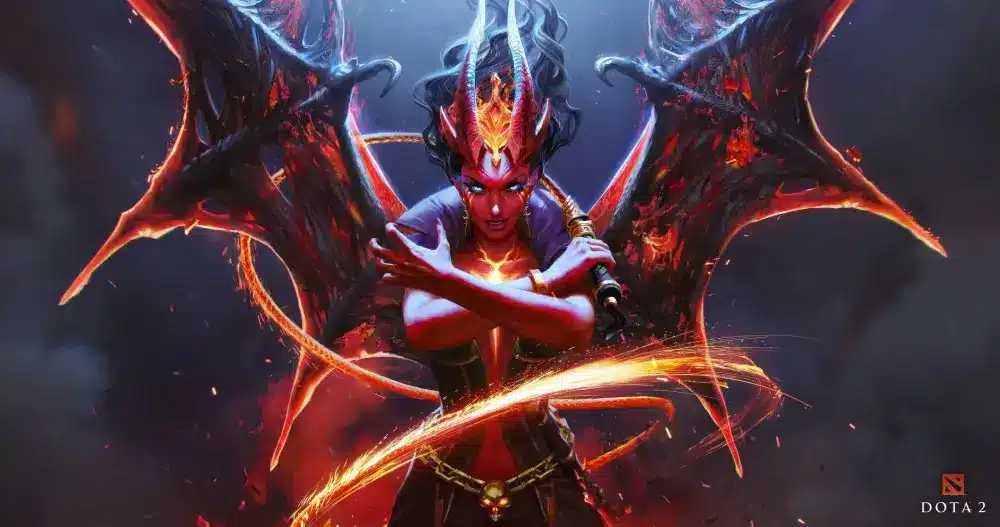
But what are Dota 2 heroes exactly? Dota 2 heroes are playable characters divided into distinct roles and archetypes, each equipped with unique character abilities that define team strategy, lane dynamics, and overall dota meta impact.
Unlike other MOBAs with simpler kits, Dota 2 heroes often feature complex mechanics such as spell immunity interactions, turn rate dynamics, buyback strategy, and vision control. Mastering these layers separates casual players from competitive ones.
What roles do Dota 2 heroes play?
Every draft revolves around role balance. While flexibility exists, most Dota 2 heroes fit into structured positions.
Core roles
- Carry (Position 1)
- Scales heavily into late game
- Requires farm priority
- Often central to win condition
- Midlaner (Position 2)
- Gains early levels advantage
- Controls tempo and map rotations
- Influences rune and objective control
- Offlaner (Position 3)
- Durable initiator
- Applies lane pressure
- Disrupts enemy carry farm
Support roles
- Soft Support (Position 4)
- Roaming playmaker
- Creates early skirmishes
- Secures vision and map control
- Hard Support (Position 5)
- Protects carry
- Provides wards and utility
- Sacrifices farm for team benefit
Balancing these roles during drafting ensures synergy between hero roster selections.
Check also: Dota 2 Liquipedia: Complete Guide to Pro Scene, Heroes, and Stats
How character abilities shape the dota meta
Character abilities determine how Dota 2 heroes perform under current patch conditions. Small numerical adjustments can completely reshape hero picks in professional tournaments.
Early-game impact heroes
- Strong laning presence
- High base damage
- Efficient mana usage
Late-game scaling heroes
- Percentage-based damage
- Critical strike mechanics
- Illusion multiplication
Teamfight-oriented heroes
- Area-of-effect disables
- Massive ultimate abilities
- Sustain or healing auras
Because the dota meta shifts every patch, staying updated with balance changes is crucial for ranked consistency.
Comparing hero archetypes
| Archetype | Strength | Weakness | Meta Influence |
| Burst Mage | High magic damage | Low durability | Early skirmish dominance |
| Hard Carry | Late scaling | Weak early game | Endgame win condition |
| Initiator | Strong engage | Cooldown reliant | Teamfight control |
| Utility Support | Vision & control | Low damage | Map dominance |
| Pusher | Tower pressure | Vulnerable solo | Objective speed |
Each archetype plays a role in shaping competitive hero picks.
Check also: Dota 2 Ranks: MMR, Medals, Calibration and Fast Climb Tips
How to choose the right hero
Selecting among Dota 2 heroes depends on multiple variables.
Consider:
- Current patch balance
- Team composition needs
- Enemy draft counters
- Personal mechanical comfort
- Lane matchup dynamics
Strong drafting often determines match outcome before creeps even spawn.
Competitive heroes and patch influence
Professional tournaments often highlight competitive heroes that dominate due to synergy with current balance numbers.
Common traits among competitive heroes:
- Reliable disable abilities
- Strong laning sustain
- Flexible itemization
- Objective control impact
Monitoring professional drafts provides insight into future dota meta trends.
Why performance stability matters in Dota 2
Because Dota 2 heroes rely on precise spell timing and positioning, performance consistency directly impacts outcomes.
High latency can cause:
- Delayed spell casts
- Missed skillshots
- Failed initiation combos
- Inaccurate last hits
ExitLag optimizes routing to Valve servers, reducing packet loss and stabilizing ping. For players mastering complex character abilities, stable connectivity ensures precise execution during critical fights.
Competitive play requires both mechanical skill and network reliability.
Check too: Dota 2 packet loss: fix connection issues and dominate games
Building mastery across the hero roster
To improve with Dota 2 heroes:
- Focus on a limited hero pool
- Learn ability interactions deeply
- Practice lane equilibrium control
- Study professional replays
- Adapt item builds to matchup
Expanding gradually while maintaining consistency leads to sustainable ranked progression.
In conclusion, Dota 2 heroes form one of the most intricate competitive rosters in esports history. From scaling carries to playmaking supports, every hero pick influences lane outcomes and overall dota meta direction. Mastering Dota 2 heroes requires strategic drafting, deep understanding of character abilities, and stable performance to execute at the highest level.
Dota 2 heroes meta analysis: tier lists, drafts and competitive trends
Dota 2 heroes constantly evolve with every patch, reshaping draft priorities and competitive strategies. As balance updates adjust numbers, abilities, and item interactions, Dota 2 heroes shift positions within the global dota meta.
Understanding how Dota 2 heroes rise or fall in popularity requires more than looking at win rates. Professional tournaments, ranked statistics, and synergy with new mechanics all influence hero picks at every level of play. So how do Dota 2 heroes impact the competitive landscape? Dota 2 heroes define tempo, teamfight structure, lane pressure, and scaling potential, directly influencing drafting strategy and long-term meta development.
Because patches frequently rebalance character abilities, Dota 2 heroes must be evaluated within the context of current itemization trends and overall map objectives.
Read also: Fix Dota 2 Lag: Complete Optimization Guide for Smooth Gameplay
Current hero tier trends in the dota meta
Tier discussions help players understand which heroes are performing consistently across skill brackets.
S-tier heroes
- Reliable disables
- Strong lane dominance
- Flexible item builds
- Teamfight impact at multiple stages
These competitive heroes often appear in professional drafts due to their versatility and stability.
A-tier heroes
- Situational power spikes
- Draft-dependent strength
- Strong counters to meta staples
B-tier heroes
- Niche strategies
- Require specific team compositions
- Higher mechanical demand
Tier lists fluctuate based on patch changes and tournament performance.
Draft strategy and counterpicks
Drafting among Dota 2 heroes involves anticipating enemy picks and planning synergy.
Core drafting principles
- Secure flexible early picks
- Protect your carry matchup
- Avoid stacking identical damage types
- Ensure reliable initiation
- Draft scaling insurance for late game
Balanced drafts improve win probability before laning even begins.
Counterpick dynamics
Certain character abilities directly counter others. Silence effects punish spell-dependent cores, while illusion counters require area damage solutions.
Understanding these relationships strengthens hero picks during ranked queues.
Read too: FPS boost in Dota 2: how ExitLag improves performance in 2025
Competitive heroes in professional play
Professional tournaments frequently showcase heroes that combine lane security and scalable impact.
Common characteristics:
- Efficient farming patterns
- Strong objective pressure
- Cooldown-reliable ultimates
- Clear synergy with support rotations
Professional play often accelerates shifts in the dota meta, influencing ranked pick rates shortly after events conclude.
Hero archetype performance comparison
| Archetype | Strength in Current Meta | Risk Level | Competitive Presence |
| Teamfight Initiator | High | Medium | Frequent |
| Hard Carry | Moderate | High | Situational |
| Burst Support | High | Low | Frequent |
| Split Pusher | Variable | High | Niche |
| Sustain Healer | Rising | Medium | Increasing |
Meta relevance depends on synergy with patch mechanics.
Expanding your hero pool intelligently
While mastering a small roster is beneficial, adaptability remains critical.
To expand effectively:
- Add heroes sharing similar mechanics
- Practice alternative builds
- Review professional replays for positioning
- Focus on decision-making, not only mechanics
Gradual expansion prevents inconsistency while broadening strategic depth.
Performance stability and execution
Because Dota 2 heroes rely heavily on precise cast timing and positioning, performance instability can undermine mechanical execution.
Common network-related issues include:
- Delayed disables
- Inconsistent turn rate response
- Missed blink initiations
- Failed last hits under pressure
ExitLag improves routing stability to Valve servers by dynamically selecting optimized data paths. Reduced packet loss and consistent latency allow accurate execution of character abilities during high-pressure fights.
For competitive heroes that require frame-perfect combos, stable connectivity becomes a strategic advantage.
Frequently Asked Questions (FAQ)
There are over 120 playable heroes in Dota 2, each offering distinct character abilities, strengths, and scaling patterns that influence draft and meta evolution.
The dota meta is shaped by patch balance updates, professional tournament results, item changes, and synergy interactions between heroes.
Tier lists provide guidance, but mechanical comfort and understanding of hero abilities often matter more than raw rankings.
Major shifts occur after significant patch releases. Smaller updates can also influence hero picks depending on numerical adjustments.
Yes. High latency can delay spell casts, interrupt combos, and reduce reaction speed, especially for initiation-heavy heroes.
In Conclusion
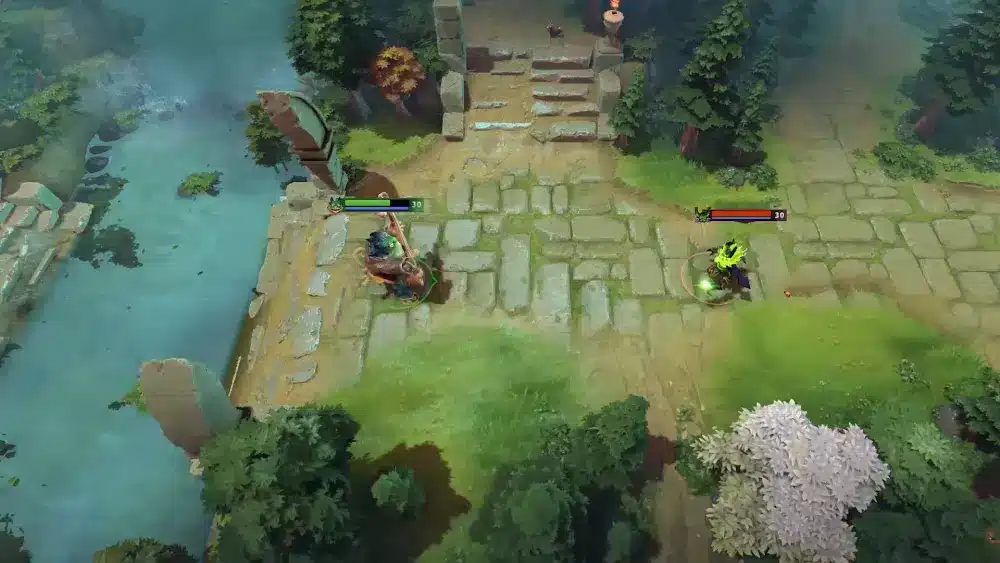
Dota 2 heroes represent one of the most diverse and strategically complex rosters in competitive gaming. From flexible initiators to scaling carries, each hero selection contributes to team structure and overall dota meta direction.
Understanding tier fluctuations, draft principles, and synergy interactions allows players to make smarter hero picks and adapt to evolving patch environments.
However, mastering Dota 2 heroes is not solely about knowledge. Reliable execution requires stable network performance, especially when landing high-impact ultimates or precise disables.
With refined drafting strategy and optimized connectivity, Dota 2 heroes become powerful tools for climbing ranked and competing at higher levels. True mastery of Dota 2 heroes combines strategic awareness, mechanical skill, and consistent performance stability. Download ExitLag now!
Got questions or want to connect with other players? Join the conversation at the ExitLag Forum!



