Minecraft TNT is one of the most versatile and thrilling blocks in the game. Whether you are mining, experimenting with Redstone contraptions, or setting up traps, Minecraft TNT allows players to create controlled explosions that can completely transform gameplay.
In this guide, we cover everything you need to know to craft, ignite, and use Minecraft TNT in creative or survival modes.
What is Minecraft TNT?
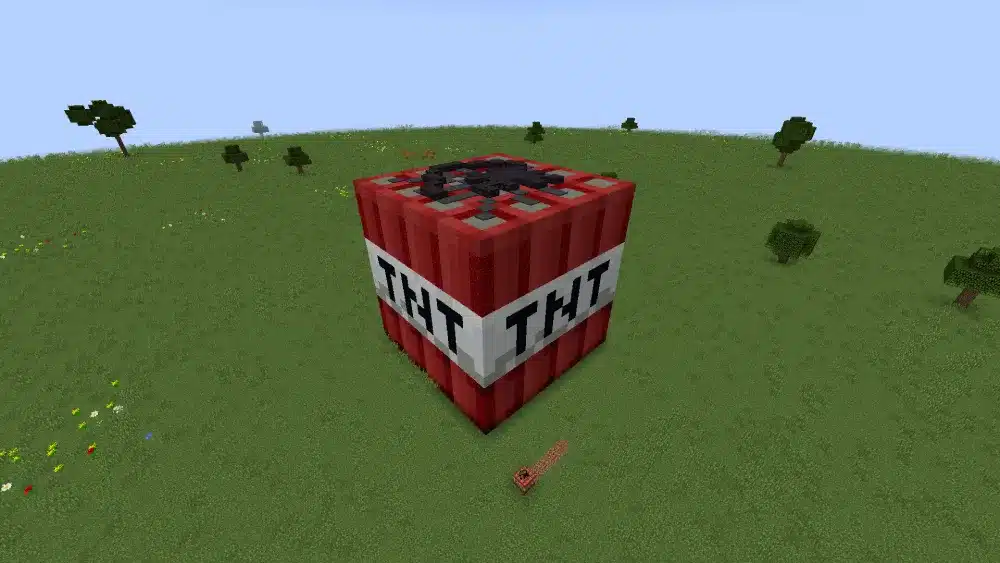
Minecraft TNT is a powerful explosive block widely used for mining, traps, and building TNT cannons. Its ability to cause controlled destruction makes it essential for both beginners and experienced players. By understanding TNT mechanics, you can strategically manipulate the environment, defend bases, or entertain friends with explosive creations.
Uses of TNT in Minecraft
TNT is a multipurpose tool with several applications:
- Mining: Quickly break stone and ore blocks in large areas.
- Traps: Surprise mobs or other players with timed explosions.
- Cannons: Construct TNT cannons for fun or PvP strategies.
- Farming: Some players utilize TNT duplication techniques in specific SMP servers for efficient resource gathering.
Minecraft TNT is not just about destruction blocks; it encourages creativity and strategic thinking, especially when paired with Redstone contraptions.
How to Craft TNT in Minecraft
Crafting Minecraft TNT correctly is crucial for safe and effective use. Understanding the recipe ensures you can experiment without waste or accidents.
TNT Crafting Recipe
| Item | Quantity |
| Gunpowder (pólvora) | 5 |
| Sand / Red Sand | 4 |
Step-by-Step Crafting Guide
- Open your crafting table.
- Place 5 gunpowder in an “X” pattern.
- Fill remaining slots with sand or red sand.
- Drag the TNT block into your inventory.
Tips for Crafting TNT
- Gather gunpowder from creepers or dungeon chests to ensure a steady supply.
- Use red sand interchangeably with sand to match aesthetic needs or trap designs.
- Store TNT carefully to avoid accidental explosions.
ExitLag can enhance online crafting and experimentation by reducing lag in multiplayer servers, ensuring TNT behaves precisely as planned.
How to Ignite and Explode TNT
Igniting TNT in Minecraft requires understanding the different methods and safety precautions. TNT has a 4-second fuse, making timing essential.
Methods to Ignite TNT
- Flint & Steel: Ignite directly by right-clicking.
- Redstone Torch: Activate TNT remotely via circuits.
- Button or Lever: Provides precise control for traps or cannons.
- Fire, Lava, or Another TNT: Trigger chain reactions.
Step-by-Step Ignition Guide
- Place the TNT block in the desired location.
- Choose an ignition method.
- Activate the TNT.
- Move back quickly to avoid damage.
Tips for Using TNT
- Combine TNT with Redstone contraptions for precision.
- Chain explosions carefully to avoid unintended destruction.
- TNT can explode underwater, though damage is reduced—useful for aquatic traps or builds.
Building TNT Cannons in Minecraft
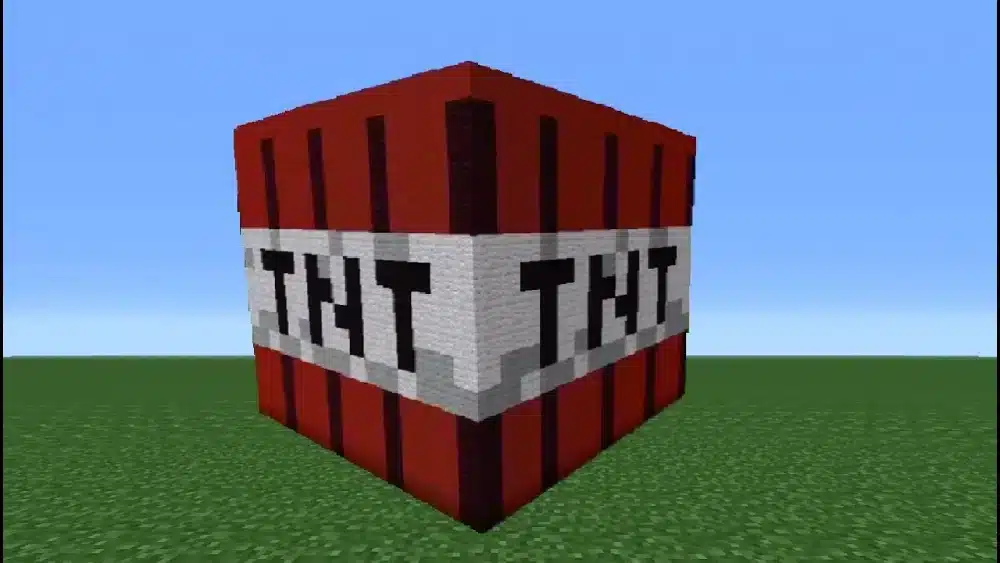
TNT cannons add a strategic and entertaining dimension to gameplay, offering both offensive and defensive options.
Uses of TNT Cannons
- PvP: Launch TNT at opponents’ bases or defend your own.
- Traps: Pair cannons with pressure plates or tripwires.
- Creative Builds: Add mini-games or challenges for friends.
Tips for Effective TNT Cannons
- Test cannons in safe areas before using them.
- Adjust TNT quantity to control distance and power.
- Handle all TNT carefully to prevent accidental base destruction.
Curiosities About TNT
Minecraft TNT has unique mechanics that make it fascinating beyond basic crafting and explosions.
TNT Drops and Breaking Mechanics
- TNT does not drop as an item when broken in vanilla Minecraft.
- Modifications or commands may allow TNT recovery with special tools like Silk Touch.
- Designed primarily for explosions, not reuse.
TNT Behavior Underwater
- TNT can explode underwater, but with a smaller blast radius.
- Practical for safe demolitions, hidden traps, or controlled explosions in aquatic areas.
TNT Duplicators and Farms
- TNT duplicators generate unlimited TNT without using sand or gunpowder.
- Useful in automated farms and large-scale mining systems.
- Popular in SMP servers for technical survival and PvP strategies.
Advantages of Using TNT
- Efficient mining and resource gathering.
- Strategic gameplay in PvP and survival.
- Fun creative experimentation with explosive mechanics.
Advanced TNT Tips for Survival and PvP
- Combine explosives Minecraft with tactical strategies for raids.
- Redstone-controlled TNT allows automated traps and complex firing sequences.
- Experiment with TNT alongside mining tools to clear areas quickly without manual labor.
TNT and Redstone Contraptions
- Integrate TNT in circuits for timed explosions.
- Use pressure plates or tripwires for automatic activation.
- Chain multiple TNT blocks for large-scale effects.
Recommended Safety Practices
- Always back up structures before testing explosives.
- Keep distance to avoid personal damage.
- Use water to limit fire spread when needed.
TNT vs Other Explosives
| Feature | TNT | Creeper Explosion | Fire Charge | Bed Explosions |
| Craftable | Yes | No | Yes | Yes |
| Blast Radius (Blocks) | 7 | 3-5 | 3 | 5-7 |
| Underwater Effectiveness | Reduced | Limited | No | Reduced |
| Redstone Activatable | Yes | No | Yes | Yes |
| Best Use | Mining, PvP | Natural Mob Defense | Traps | PvP/Traps |
Conclusion About Minecraft TNT
Using Minecraft TNT in online servers requires stable connections. Lag can disrupt TNT timing, causing misfires. ExitLag optimizes your internet connection, ensuring explosions occur exactly when intended. Enjoy smooth gameplay, efficient TNT cannons, and flawless PvP strategies.
FAQ
To craft TNT, combine 5 gunpowder and 4 sand or red sand in a crafting table. Gunpowder goes in an X pattern and sand fills remaining slots.
Use dispensers, Redstone, water, and TNT. Water prevents self-destruction while Redstone ignites TNT, launching it towards the target.
Methods include flint & steel, Redstone torches, buttons, levers, fire, lava, or another TNT. TNT explodes after 4 seconds.
Yes, TNT explodes underwater but with a reduced blast radius, making it useful for controlled aquatic traps.
The blast radius is approximately 7 blocks, though it varies depending on block types and environment.
Got questions or want to connect with other players? Join the conversation at the ExitLag Forum!