A JRPG is one of the most beloved styles of role-playing game because it blends memorable characters, strong visual identity, and story-first design in a way few other genres can match. Whether you are discovering the genre for the first time or revisiting classics, the appeal usually comes from the same place: emotional storytelling, party progression, and combat systems that make every fight feel deliberate.
A lot of players also come to the genre through broader gaming habits rather than genre labels alone. If performance problems are getting in the way of longer sessions, a practical starting point is learning how to fix lag in games across different setups. That kind of stability matters even in slower, story-driven experiences.
JRPG fans also tend to value consistency. You know you are stepping into a game that wants to take you on a full journey, not just throw systems at you. That is why terms like JRPG meaning, what is a JRPG, and best JRPG games stay so popular. Players want to understand what makes the genre special, then find the right entry point for their own taste.
A good JRPG can be traditional, tactical, action-heavy, or hybrid. What matters more is the full package: a defined cast, a strong world, a progression loop that feels rewarding, and a tone that is usually more character-driven than most Western RPGs. Some games are tightly linear. Others are broader and more open. But the emotional center tends to stay the same.
If you are trying to understand the genre, choose your next adventure, or narrow down the best JRPG of all time debate to a few essentials, this guide covers the foundations, major differences from Western RPGs, the strongest modern recommendations, classic PS1 JRPG picks, and the best options if you mainly play on Nintendo Switch.
What does JRPG mean?
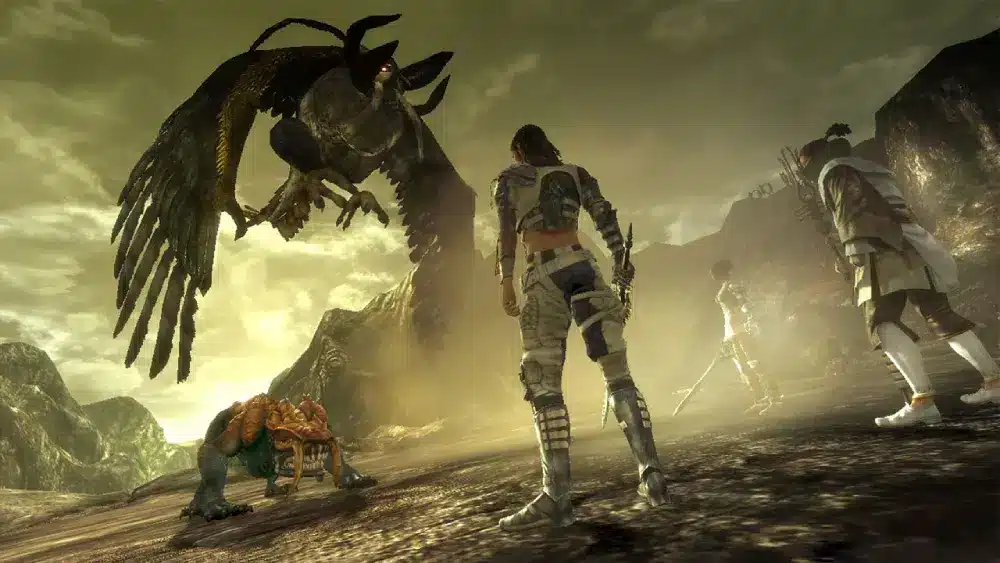
The term JRPG literally means Japanese role-playing game. Historically, it refers to RPGs developed in Japan or built in the tradition of Japanese RPG design. In practice, though, the term is used more as a style label than a strict geography label. It usually points to games centered on authored characters, strong narrative direction, party progression, and a recognizable audiovisual identity.
That is why JRPG meaning goes beyond the country of origin. Today, many players use it to describe games with the same genre DNA, even when the studio is not based in Japan. The main signal is the design philosophy: story-led progression, clear character arcs, and combat or leveling systems built around party synergy.
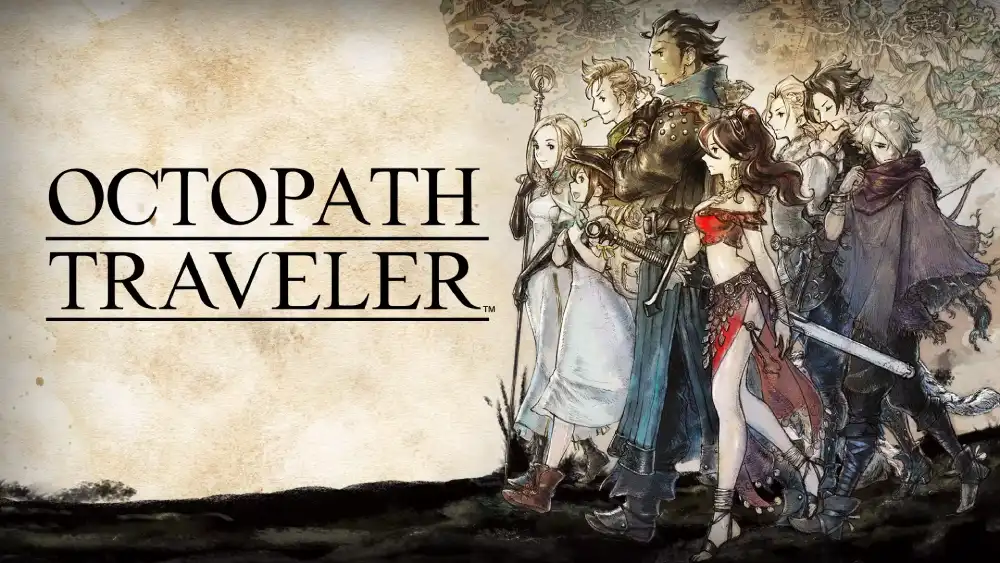
A lot of the genre’s most famous modern and classic examples still come from Japanese publishers. Persona 5 Royal is officially presented by Atlus and Sega as a story-rich RPG centered on the Phantom Thieves, while Dragon Quest XI S is described by Nintendo and Square Enix as a grand adventure with classic turn-based battles. Xenoblade Chronicles Definitive Edition, Fire Emblem: Three Houses, Octopath Traveler, Shin Megami Tensei V: Vengeance, and FINAL FANTASY X/X-2 HD Remaster are also officially positioned as RPGs on Nintendo platforms.
What is a JRPG?
When people ask what is a JRPG, they are usually asking what separates it from a broader RPG. The clearest answer is that a JRPG usually emphasizes pre-written protagonists, party-based progression, stylized art direction, and a story that unfolds with strong authorial control. The player still makes choices in combat, party setup, and progression, but the narrative is usually more guided than sandbox-driven.
That does not mean every game in the genre looks the same. Persona 5 Royal mixes dungeon crawling and social simulation. Fire Emblem: Three Houses blends tactical combat with school-life structure. Xenoblade leans into real-time systems and huge landscapes. Dragon Quest XI S stays proudly traditional with turn-based combat. The genre is broader than many newcomers expect.
JRPG meaning vs Western RPG
The easiest way to understand JRPG meaning is by contrast. Western RPGs often emphasize player-created identity, branching dialogue, broad simulation, and open-ended role-play. JRPGs are more likely to prioritize authored emotion, fixed protagonists, and curated pacing.
Here is a practical comparison:
| Feature | JRPG | Western RPG |
| Story structure | Guided and character-driven | Often player-shaped |
| Protagonist | Usually predefined | Often customizable |
| Combat | Turn-based, tactical, or hybrid | Action-heavy or simulation-driven |
| Tone | Emotional, thematic, dramatic | Reactive, sandbox-oriented, choice-driven |
| Party focus | Very common | Varies a lot |
Neither style is better. They simply aim at different experiences.
What makes a game a JRPG?
A game feels like a JRPG when several elements come together. A single feature alone is not enough. Turn-based combat by itself does not define the genre. Neither does anime-inspired art alone. It is the combination of structure, tone, and progression that creates the identity.
Most games associated with the genre share a few traits:
- Strong story focus
- Memorable party members
- Leveling and ability growth
- Distinct art direction
- Boss fights and progression gates
- Emotional themes such as sacrifice, identity, friendship, loss, or fate
This is also why debates around the best JRPG games stay lively. People are not only comparing mechanics. They are comparing entire journeys.
A big part of that debate comes down to which characters stay with players long after the credits roll. Final Fantasy is full of examples, and that is why pieces focused on Zack Fair in Final Fantasy still resonate with people who care about legacy, tone, and emotional impact. In this genre, memorable casts often matter as much as systems.
Turned based JRPG and hybrid combat
The classic image of the genre is the turned based JRPG. That style remains hugely important. Dragon Quest XI S is a strong modern example of polished turn-based design, and Fire Emblem: Three Houses builds tactical, turn-based battles into its core structure. Octopath Traveler also leans into strategic command-based combat with a modern HD-2D presentation.
At the same time, a modern JRPG does not need fully traditional combat to belong in the genre. Xenoblade Chronicles Definitive Edition uses strategic real-time combat, and Tales of Arise is presented by Bandai Namco as an evolution of the series with updated combat and a new cast. Shin Megami Tensei V: Vengeance adds another modern variation through its demon-driven structure and expanded route design.
Story, characters, and style
The genre is just as much about narrative shape as battle systems. Persona 5 Royal is built around rebellion, identity, and relationships. Dragon Quest XI S leans into heroic fantasy and party chemistry. Fire Emblem: Three Houses frames its conflict around teaching, loyalty, and political tension. FINAL FANTASY X remains a touchstone because of its emotional arc and its distinct world of Spira.
That is the core of the genre. A JRPG usually wants you to care deeply about a cast and a world, not just optimize a build.
That is also why certain character-focused series leave such a lasting mark on the genre. Players who enjoy emotionally driven RPG storytelling often end up revisiting profiles and story breakdowns tied to major Final Fantasy figures, including pieces on Aerith Gainsborough in Final Fantasy. Strong character identity is one of the genre’s most reliable hooks.
What are the best JRPG games to play?
No list of the best JRPG games will satisfy everyone, but some titles come up again and again because they cover the genre’s major strengths. Some are classic and foundational. Others are better entry points for modern players. A smart list should include both.
Here is a balanced top 10:
- Persona 5 Royal
- Dragon Quest XI S: Echoes of an Elusive Age
- FINAL FANTASY X
- Xenoblade Chronicles: Definitive Edition
- Fire Emblem: Three Houses
- Octopath Traveler
- Shin Megami Tensei V: Vengeance
- Tales of Arise
- Chrono Trigger
- Final Fantasy VII
The first eight have current official platform presence that is easy to verify through Nintendo, Atlus, Sega, Square Enix, and Bandai Namco sources. Persona 5 Royal is officially on Switch; Dragon Quest XI S is described by Nintendo as a classic RPG adventure with turn-based battles; Xenoblade Chronicles Definitive Edition is positioned as a massive strategic real-time RPG on Switch; Fire Emblem: Three Houses is explicitly described as turn-based tactical RPG combat; Octopath Traveler centers on eight travelers and eight stories; SMT V: Vengeance adds a major new route; Tales of Arise is officially framed as a major RPG entry with updated combat; FINAL FANTASY X/X-2 HD Remaster remains available on Switch.
Best JRPG of all time candidates
The best JRPG of all time conversation usually narrows to a few repeat contenders:
- Chrono Trigger
- Final Fantasy VII
- Persona 5 Royal
- Dragon Quest XI S
- FINAL FANTASY X
Why these? Because each one represents a different strength. Chrono Trigger is pacing and elegance. Final Fantasy VII is legacy and cultural reach. Persona 5 Royal is style and modern confidence. Dragon Quest XI S is classic formula polished to a high shine. FINAL FANTASY X is emotional storytelling and structure.
A useful way to choose is by taste:
- Want stylish modern storytelling? Start with Persona 5 Royal.
- Want pure traditional comfort? Go with Dragon Quest XI S.
- Want a legendary PS-era cornerstone? Choose Final Fantasy VII.
- Want emotional drama and classic turn flow? Try FINAL FANTASY X.
Best JRPG games by player type
Not every player wants the same thing, so here is a simpler breakdown:
| You want… | Best pick |
| Stylish modern package | Persona 5 Royal |
| Classic heroic fantasy | Dragon Quest XI S |
| Tactical depth | Fire Emblem: Three Houses |
| Huge world and scale | Xenoblade Chronicles |
| Darker tone and challenge | Shin Megami Tensei V: Vengeance |
| Gorgeous nostalgic presentation | Octopath Traveler |
| Action-focused combat | Tales of Arise |
This is often more helpful than a rigid numeric ranking.
Which are the best JRPG games on Switch?
The Nintendo Switch has become one of the strongest homes for the genre. If you are searching best JRPG on Switch, JRPG for Switch, or best JRPG for Switch, you have a genuinely strong catalog to choose from.
Nintendo’s official pages confirm current Switch availability for Persona 5 Royal, Dragon Quest XI S, Xenoblade Chronicles Definitive Edition, Fire Emblem: Three Houses, Octopath Traveler, Shin Megami Tensei V: Vengeance, and FINAL FANTASY X/X-2 HD Remaster. That alone gives Switch players access to social sim RPG design, classic turn-based fantasy, tactical warfare, HD-2D nostalgia, strategic real-time systems, and one of the most respected remasters in the genre.
Best JRPG on Switch picks
If you want the clearest shortlist for best JRPG on Switch, start here:
- Persona 5 Royal
- Dragon Quest XI S
- Xenoblade Chronicles Definitive Edition
- Fire Emblem: Three Houses
- Shin Megami Tensei V: Vengeance
Why these five?
Persona 5 Royal is arguably the slickest all-around package. Dragon Quest XI S is the easiest recommendation for fans of classic structure. Xenoblade offers giant scope. Fire Emblem gives tactical depth and replay value. SMT V: Vengeance is ideal if you want something harsher and more system-driven.
For players narrowing that list down even further, it helps to check the official platform page before committing to one of the biggest exclusives in the genre. The official Xenoblade Chronicles Definitive Edition page on Nintendo is a useful reference if you want a clearer look at one of the strongest Switch-focused JRPG recommendations in this guide. It also reinforces why the platform is such a strong home for the genre.
Best JRPG for Switch if you are new to the genre
For newcomers looking for the best JRPG for Switch, the easiest entry points are:
- Dragon Quest XI S
- Persona 5 Royal
- FINAL FANTASY X/X-2 HD Remaster
These three cover the main lanes of the genre without being too obscure. Dragon Quest XI S teaches the structure clearly. Persona 5 Royal shows what a modern, style-heavy JRPG can do. FINAL FANTASY X offers one of the cleanest bridges between classic and modern expectations.
Are PS1 JRPGs still worth playing?
Absolutely. The PS1 JRPG era remains one of the most influential periods in RPG history. It helped establish the cinematic, emotionally ambitious version of the genre that still defines so many conversations today.
The essential PS1 JRPG shortlist usually includes:
- Final Fantasy VII
- Final Fantasy IX
- Xenogears
- Suikoden II
- Chrono Cross
- Valkyrie Profile
- Breath of Fire IV
- Lunar: Silver Star Story Complete
These games still matter because they shaped expectations around party storytelling, pre-rendered worlds, dramatic music, and large-scale narrative ambition. Even when later games polished the formula, the PS1 generation proved how powerful the genre could be.
Why PS1 JRPGs still matter
They matter for three reasons:
- They defined the emotional blockbuster version of the genre
- They normalized long-form party storytelling for console RPGs
- They still influence modern pacing, music, and structure
A lot of today’s best JRPG games still carry that DNA.
Which PS1 JRPG should you start with?
If you are new to older games, start with one of these:
- Final Fantasy VII for historical impact
- Final Fantasy IX for warmth and balance
- Suikoden II for politics and character scale
- Chrono Cross for mood and atmosphere
You do not need to play every classic. One or two well-chosen titles can explain the era.
Why ExitLag matters for JRPG players
Not every JRPG is heavily online, but connection quality still matters more than many players assume. Some modern JRPG-adjacent experiences include online features, cloud sync, launcher dependencies, or network-based distribution. Even when the game itself is mostly offline, an unstable connection can still affect downloads, patching, remote play, and connected services.
That is why it makes sense to talk about ExitLag in its own section rather than forcing it into general genre discussion. If you play modern titles on PC, use cloud services, access online features, or simply want a smoother network environment around your gaming sessions, stability matters.
When ExitLag helps JRPG players
ExitLag is most useful when you are:
- Downloading large updates or expansions
- Using remote play
- Playing JRPGs with online functionality or launcher dependencies
- Streaming or sharing gameplay while playing
- Trying to reduce interruptions in connected sessions
A long-form JRPG is built on immersion. Network instability can break that rhythm faster than people expect.
Why smoother performance still matters in a story-driven game
Even outside competitive play, smoother routing and better connection consistency can improve the overall experience around modern gaming. That is especially true for PC players juggling storefronts, updates, launchers, and online account features.
If you are investing dozens of hours into the best JRPG games, it makes sense to remove avoidable friction where you can.
FAQ about JRPGs
A lot of players reach this genre through search, so here are the direct answers to the most common questions.
JRPG meaning is Japanese role-playing game. In modern usage, it usually refers to a style of RPG associated with Japanese design traditions: strong narrative direction, party-based progression, authored protagonists, and a recognizable visual tone.
If you are asking what is a JRPG, think of it as a story-led RPG where the cast, world, and progression are usually more defined than in many Western RPGs. Combat can be turn-based, tactical, action-based, or hybrid, but the emotional and structural focus is the key.
The best JRPG games conversation usually includes Persona 5 Royal, Dragon Quest XI S, FINAL FANTASY X, Xenoblade Chronicles, Fire Emblem: Three Houses, Octopath Traveler, Chrono Trigger, and Final Fantasy VII.
There is no single objective answer, but the strongest best JRPG of all time candidates are Chrono Trigger, Final Fantasy VII, Persona 5 Royal, Dragon Quest XI S, and FINAL FANTASY X.
For most players, the best JRPG on Switch shortlist starts with Persona 5 Royal, Dragon Quest XI S, Xenoblade Chronicles Definitive Edition, Fire Emblem: Three Houses, and Shin Megami Tensei V: Vengeance.
One reason Persona 5 Royal keeps showing up in these recommendations is that it presents the genre with unusual clarity and confidence. The official Persona 5 Royal page is a good reference if you want to see how that mix of style, structure, and identity is framed by the publisher itself. For newcomers, it is one of the easiest modern entry points to understand immediately.
Yes. The turned based JRPG remains one of the genre’s most durable forms. Dragon Quest XI S, Fire Emblem: Three Houses, and Octopath Traveler all show that strategic turn-based design still works when supported by strong pacing and presentation.
Final thoughts on JRPGs

The reason the JRPG genre endures is simple: it still delivers a kind of emotional, character-driven adventure that many players cannot get anywhere else. Whether you prefer classic structure, tactical battles, darker philosophical stories, or huge modern worlds, there is a JRPG that fits your taste. The genre is broad enough to include tradition and experimentation, but focused enough to keep its identity.
If you are just starting out, begin with one strong entry instead of chasing every classic at once. Persona 5 Royal, Dragon Quest XI S, Xenoblade Chronicles, Fire Emblem: Three Houses, and FINAL FANTASY X are all smart starting points. If you play on Nintendo hardware, the best JRPG on Switch conversation is especially rich right now, and if you love older console history, the PS1 JRPG era still rewards your time.
And if you want to enjoy your next JRPG session with fewer connection issues around downloads, remote play, launcher access, or online features, ExitLag is a practical upgrade. Try ExitLag and make your next long adventure smoother from the very beginning.
Got questions or want to connect with other players? Join the conversation at the ExitLag Forum!