Competitive shooters require sharp tactical awareness, precise crosshair placement, and deep mechanical mastery. Understanding your exact standing within the Valorant Rank Distribution helps you gauge real skill progression across competitive acts.
Tracking the Valorant Rank Distribution reveals how your current performance compares against millions of active players worldwide. Therefore, analyzing competitive tiers provides actionable benchmarks to elevate your daily gameplay and tactical decisions.
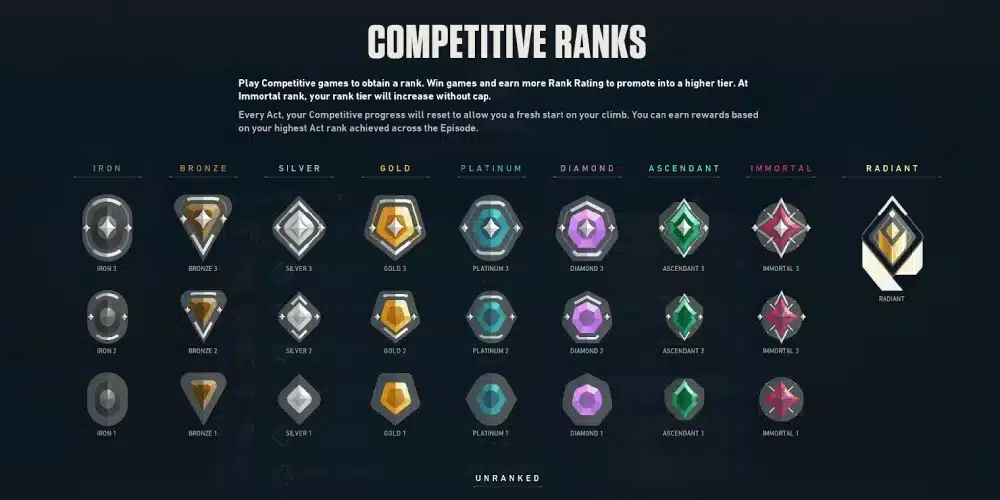
Currently, the Valorant Rank Distribution places the vast majority of active players across Silver and Gold, representing roughly 45% of the entire player base. Meanwhile, elite tiers like Immortal and Radiant hold less than 1% of top competitors.
What Determines Competitive Placement?
- Hidden Matchmaking Rating: Your behind-the-scenes MMR determines matchmaking quality and skill evaluation.
- Rank Rating Gains: Match performance and round differentials directly dictate net RR gains or losses.
- Encounter Performance: Fragging against higher-rated opponents boosts your internal rating significantly.
- Consistency Across Matches: Maintaining solid impact across consecutive matches stabilizes high RR rewards.
Why Tier Spread Matters for Match Quality
Understanding overall matchmaking balance clarifies why individual match lobbies feel balanced or challenging. Furthermore, rank density directly influences queue times and match balance across different servers.
When a rank holds a high percentage of players, skill variance expands. Consequently, matches in crowded brackets feature unpredictable team compositions and varied mechanical skill levels.
Valorant Rank Distribution: Current Tier Breakdown
Understanding the overall spread of competitive ratings gives players immediate clarity regarding their true percentile standing. Moreover, reviewing this data helps you set realistic competitive goals for upcoming ranked acts.
[ Iron: ~10% ] -> [ Bronze: ~16% ] -> [ Silver: ~22% ] -> [ Gold: ~20% ]
[ Platinum: ~16% ] -> [ Diamond: ~10% ] -> [ Ascendant: ~5% ] -> [ Immortal: ~0.8% ] -> [ Radiant: <0.1% ]
Low Tier Concentration: Iron to Silver
Iron, Bronze, and Silver encompass the foundation of the ranked hierarchy. Specifically, these divisions contain players who are actively developing crosshair placement, basic ability usage, and fundamental map navigation.
Silver currently represents the single largest skill bracket in tactical matchmaking. As a result, climbing out of Silver requires consistent fundamentals and basic team coordination.
Mid Tier Saturation: Gold and Platinum
Gold serves as the true median threshold for competitive players. In this tier, players generally demonstrate solid aim mechanics but often struggle with mid-round adjustments and economy discipline.
Platinum represents the bridge between casual competitive play and advanced tactical execution. Consequently, advancing through Platinum demands deliberate utility synergy and refined macro decision-making.
High Tier Exclusivity: Diamond, Ascendant, and Beyond
Diamond and Ascendant separate dedicated competitors from casual ranked enthusiasts. Players in these brackets display exceptional gun hygiene, disciplined positioning, and rapid tactical adaptations.
Immortal and Radiant house the absolute pinnacle of competitive talent. Therefore, reaching these ranks requires flawless communication, near-zero mechanical mistakes, and elite map control.
| Rank Division | Player Share (%) | Primary Skill Focus | Key Focus Area |
| Iron | ~10.2% | Basic Crosshair Placement | Sensitivity & Keybinds |
| Bronze | ~16.4% | Movement Discipline | Recoil Control |
| Silver | ~22.1% | Map Navigation & Radar | Crosshair Placement |
| Gold | ~19.8% | Utility Usage & Timing | Trading Teammates |
| Platinum | ~15.6% | Site Execution & Retakes | Economy Management |
| Diamond | ~10.1% | Macro Decision Making | Micro Adjustments |
| Ascendant | ~4.9% | Round Pacing & Rotations | Utility Combinations |
| Immortal | ~0.8% | High Impact Solo Plays | Communication |
| Radiant | ~0.05% | Flawless Execution | Mental Resilience |
How Does Valorant Ranking Distribution Impact Matchmaking?
The official Valorant Ranking Distribution dictates how matchmaking algorithms assemble balanced lobbies. Furthermore, Riot Games adjusts internal MMR systems continuously to prevent severe rank inflation or stagnation.
Understanding how matchmaking systems balance teams prevents unnecessary frustration during tough ranked sessions. In addition, learning matchmaking mechanics helps you capitalize on favorable lobby configurations.
[ High Personal MMR ] + [ High Lobby Average ] = Massive RR Gains on Victory
[ Lower Personal MMR ] + [ High Lobby Average ] = Reduced RR Losses on Defeat
Visual Rank Versus Hidden MMR
- Visual Rank Display: Represents your visible badge and current Rank Rating within a tier.
- Internal MMR Value: Measures your actual underlying skill level against the global player population.
- MMR Convergence System: Adjusts RR gains to pull your visible badge toward your true hidden rating.
- Performance Modifiers: Rewards individual duels won against players with higher underlying ratings.
How Seasonal Resets Recalibrate the Ladder
At the start of new competitive episodes, soft resets push visual ranks downward. However, your hidden MMR remains relatively stable beneath the surface.
This intentional reset forces players to prove their sustained skill over fresh matches. Consequently, early-episode matches feature high-intensity lobbies with stacked mechanical talent.
Analyzing Valorant Ranked Distribution Trends
Examining the shifting Valorant Ranked Distribution reveals how player skill evolves over time. As the community matures, standard mechanical proficiency rises across every single competitive tier.
Strategies that previously worked in Gold now appear regularly in Bronze lobbies. Therefore, adapting your personal tactical playbook remains essential for sustained competitive progression.
Why Do Ranks Shift Across Acts?
- Agent Balance Patches: Regular updates shift the competitive meta and influence individual agent win rates.
- Map Pool Rotations: Adding or removing specific maps alters strategic execution requirements.
- Smurf Detection Systems: Improved detection algorithms accelerate high-skilled players into their appropriate brackets.
- Rank Rating Calibration: Adjustments prevent abnormal clustering in narrow skill tiers.
How Does Rank Distribution Valorant Compare Across Global Regions?
Regional metas create subtle variations in how competitive tiers behave during live matches. For instance, aggressive duelist play dominates specific regional servers, while disciplined tactical defaults control others.
Nevertheless, the overall mathematical spread remains balanced globally. Thus, achieving Diamond in one region reflects equivalent strategic understanding in another.
How Can You Climb the Valorant Ranks Distribution Faster?
Escaping crowded divisions within the Valorant Ranks Distribution requires deliberate practice routines. Randomly queuing matches without a concrete learning objective often leads to hard-stuck performance plateaus.
To climb consistently, you must isolate specific mechanical and tactical weaknesses. Furthermore, optimizing hardware settings and network latency establishes a solid foundation for top-tier execution.
Step-by-Step Guide to Escaping Low Ranks
- Fix Your Crosshair Placement: Always position your crosshair at head level and pre-aim common contact angles before peeking.
- Master Two Key Agents: Specialize deeply in one primary agent and one backup comfort pick rather than flexing across roles.
- Practice Movement Discipline: Eliminate shooting while moving by mastering proper counter-strafing and deadzoning techniques.
- Communicate Critical Information: Relay enemy locations, health values, and utility usage clearly without cluttering team audio.
- Manage Team Economy: Coordinate weapon buys with your squad to ensure full utility and rifles during gun rounds.
Pro Tips: Valorant Rank Climbing
- Aim for First Bullet Accuracy: Prioritize landing clean initial headshots over erratic spray bursts because burst firing ensures higher lethal accuracy during medium-range engagements.
- Trade Teammates Immediately: Position yourself within immediate reach of your duelist so you can eliminate the defender instantly when your teammate falls during a site entry.
- Master Spike Defusal Timing: Learn exact half-defuse audio cues and timings because understanding defuse thresholds allows you to bait enemy peeks effectively during clutch scenarios.
- Review Round Deaths Objectively: Identify why you died after every round loss instead of blaming teammates because isolating your positioning errors leads to rapid tactical improvement.
Common Mistakes Valorant Players Make
- Over-Peeking After Bomb Plant: Players constantly push for unnecessary kills instead of holding passive post-plant crossfires. Fix: Play strictly for time and force defusing defenders into unwinnable multi-angle crossfires.
- Poor Economy Coordination: Buying weapons individually when the rest of the team must save ruins full-buy potential. Fix: Always match your team’s buy status to guarantee full rifles and shields together on key rounds.
- Crouch-Spraying in Every Duel: Instinctively crouching during close gunfights makes your head easier to hit for players aiming at chest level. Fix: Unbind crouch during deathmatches to build strong strafe-shooting muscle memory.
- Wasting Key Defensive Utility Early: Dumping smokes and stalling utility before confirming enemy site presence leaves sites defenseless. Fix: Hold reactive utility until you receive verified audio or visual information of an aggressive execute.
Is Your Internet Connection Holding Back Your Rank?
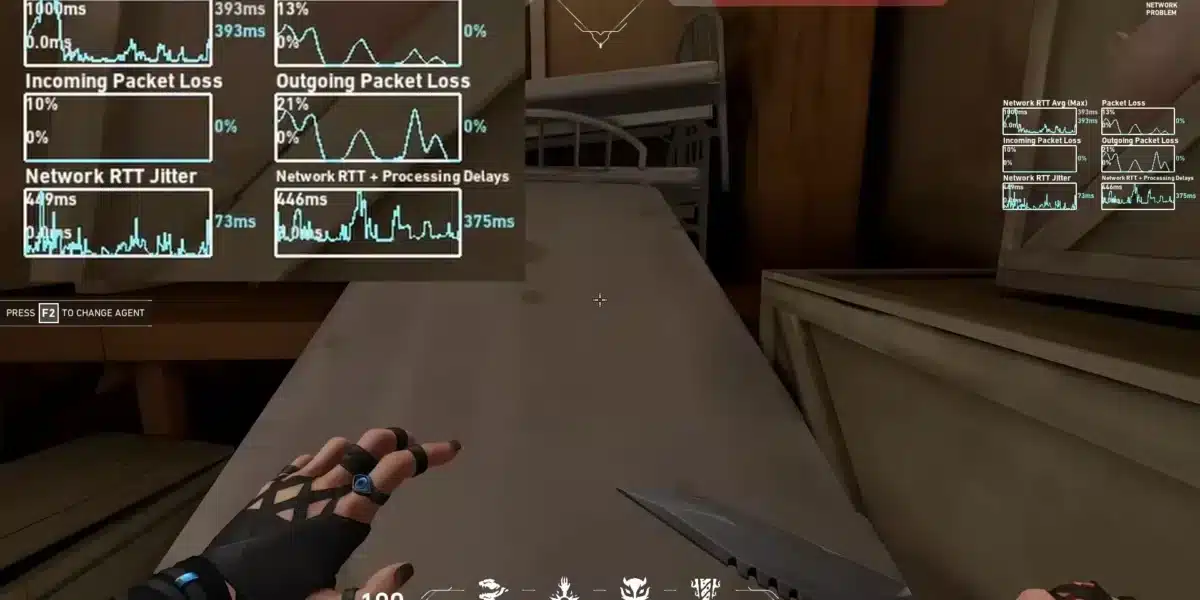
Mechanical precision means very little if high ping, unstable routes, or sudden packet loss disrupt your gunfights. When competing in high-stakes tactical shooters, milliseconds determine whether you win a duel or register a blank hit marker.
ExitLag delivers an advanced game connection optimizer built specifically to eliminate routing bottlenecks for competitive gamers. Unlike traditional solutions, it utilizes multi-route pathing algorithms to ensure your game packets always take the fastest, most reliable highway to dedicated game servers.
By implementing cutting-edge Multipath Technology, ExitLag transmits your connection data through multiple server routes simultaneously. Consequently, if an internet service provider experiences sudden packet drops, your active connection maintains zero disruption.
In addition, the built-in Traffic Shaper prioritizes active game data above background background downloads. Elevate your tactical performance and eliminate connection lag by securing yourExitLag Download today.
How to Maintain Your Peak Valorant Rank Distribution Position
Securing a coveted spot within the upper tiers is only half the battle in competitive gaming. Maintaining your standing within the Valorant Rank Distribution requires mental resilience, consistent warm-up routines, and disciplined tilt management.

Establishing a Reliable Warm-Up Routine
- Target Range Practice: Spend ten minutes eliminating stationary and strafing bots to lock in raw mouse control.
- Movement Practice: Run parkour jumps and strafe drills to ensure smooth movement transitions across maps.
- Deathmatch Sessions: Play two deathmatches focusing strictly on crosshair placement and deliberate one-tap shots.
- Custom Map Walkthroughs: Review custom lineups and flash timings for your primary competitive map pool.
Managing Competitive Burnout and Tilt
Losing streaks often result from mental fatigue rather than sudden mechanical decline. When you drop two consecutive matches, stepping away prevents emotional decision-making from destroying your hard-earned rating.
Approaching every competitive match with a growth mindset transforms frustrating losses into valuable learning experiences. Ultimately, mastering the climb through the Valorant Rank Distribution rewards patience, disciplined practice, and steady mechanical refinement.
All game images used in this blog post belong to Riot Games. They are used for informational and educational purposes only and do not imply endorsement or affiliation with the rights holders.
Got questions or want to connect with other players? Join the conversation at the ExitLag Forum!