Valorant login problems: causes, fixes, and how to recover your account

17 min

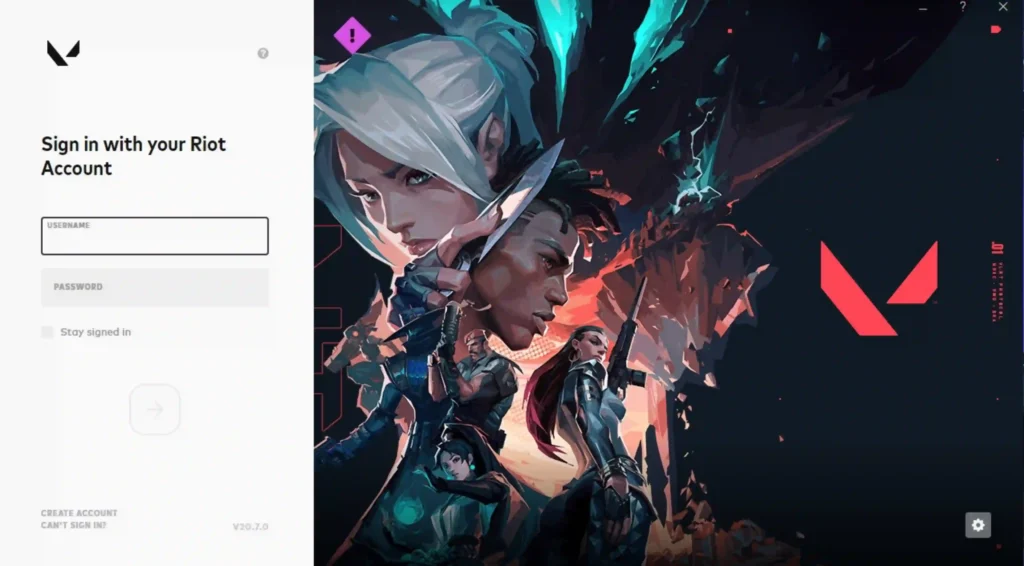
Valorant login problems can stop you before the match even starts. One moment you are ready to queue, and the next you are stuck with an error message, failed authentication, server status warning, or a Riot Client loop that refuses to let you in.

Login problems can also appear right after patches, when the Riot Client, game files, or service behavior changes. Before assuming the issue is only your account, check the latest Valorant update details to see whether recent changes may be affecting access or stability.

Valorant login errors can happen for several reasons, including incorrect credentials, server outages, Riot account problems, two-factor authentication delays, blocked connections, outdated client files, firewall issues, or unstable routing. That is why fixing Valorant login issues requires more than guessing your password again.

Valorant login troubleshooting should always begin with the safest checks: confirm your Riot credentials, inspect Riot’s official service status, restart the Riot Client, test your connection, and only then move into deeper recovery or network steps. Riot’s official VALORANT support hub includes account recovery, forgotten username/password tools, multi-factor authentication help, technical help, and service status access for players who cannot sign in.

In this guide, you will learn what causes Valorant sign in problems, how to fix common errors, how to recover your Riot account, how to handle a Valorant authentication error, when to contact Riot Support, and how ExitLag can help when your issue is related to routing, ping, packet loss, or connection instability.

Why can’t I log in to Valorant?

If you cannot log in to Valorant, the issue usually falls into one of five categories: account credentials, authentication, Riot server status, local client problems, or network connection problems.

Before changing advanced settings, separate the problem. If Riot services are down, nothing on your PC will fix it. If your password is wrong, DNS changes will not help. If your account was compromised, reinstalling Valorant will not restore access. If your connection is unstable, resetting your password will not solve the route problem.

The fastest fix comes from matching the symptom to the likely cause.

Incorrect credentials or account mismatch

The most common cause of Valorant login issues is incorrect account information. You may be entering the wrong username, using the wrong email, typing an old password, or relying on browser autofill that saved outdated credentials.

This can happen after:

  • Changing your Riot ID.
  • Using multiple Riot accounts.
  • Resetting your password recently.
  • Switching regions.
  • Logging in from a new device.
  • Copying a password with hidden spaces.
  • Using a different keyboard layout.
  • Trying an old League of Legends or Riot username.

If you see a message saying your credentials do not match, do not keep trying random combinations. Too many attempts can create more friction. Use Riot’s recovery tools instead.

Riot’s Account Recovery page lists common sign-in blockers such as forgotten usernames, forgotten passwords, inactive accounts, locked accounts, hacked accounts, and missing two-factor authentication codes.

Riot servers, maintenance, or service outages

Sometimes, the problem is not your account. Riot services may be under maintenance or facing an outage.

Before changing passwords or reinstalling the client, check Riot’s official service status page. Riot maintains a dedicated Service Status page for games including VALORANT, where players can check regional service information.

This is especially important if:

  • Friends are also unable to log in.
  • The error appeared suddenly.
  • The client was working earlier.
  • The issue started after an update.
  • Login fails before the game even opens.
  • You see a server or platform message.

If Riot services are affected, the best option is to wait and monitor the official status page. Local troubleshooting will not fix server-side downtime.

Server-side problems should always be confirmed through Riot before you change local settings. The official Riot Games service status page is the safest place to check whether VALORANT login, platform, or regional services are currently affected.

How do I fix Valorant login issues?

To fix Valorant login issues, move from basic checks to advanced steps. This helps you avoid wasting time and prevents unnecessary changes to your system.

Start with your Riot account. Then check Riot services. After that, restart the client, update the game, test your connection, and review firewall or security tools.

Step-by-step Valorant login troubleshooting

Use this checklist first:

  1. Re-enter your Riot username and password manually.
  2. Disable browser or password manager autofill for one attempt.
  3. Check your keyboard language and Caps Lock.
  4. Use Riot’s forgot username or password tools if needed.
  5. Check Riot Service Status for VALORANT.
  6. Restart the Riot Client.
  7. Restart your PC or console.
  8. Restart your router.
  9. Disable VPN or proxy tools temporarily.
  10. Update the Riot Client and VALORANT.
  11. Allow Riot Client and VALORANT through firewall.
  12. Test a different network if possible.

This process handles the most common Valorant sign in problems without jumping straight into account recovery.

Use this quick table:

SymptomLikely causeFirst fix
Credentials do not matchWrong username or passwordUse Riot account recovery
Login code not arrivingMFA or email delayCheck email, spam, and MFA settings
Client stuck loadingRiot Client or service issueRestart client and check status
Login fails only on your networkRouting, DNS, VPN, or firewallRestart router, disable VPN, test ExitLag
Account suddenly inaccessibleCompromise or lockUse account recovery and support
Error after updateClient file or service issueRestart, update, repair, or reinstall

Clear DNS, restart network, and test your route

If your credentials are correct and Riot services are working, the problem may be your connection. Valorant connection problems can block authentication, create timeouts, or interrupt Riot Client communication.

Try these network steps:

  • Restart your modem and router.
  • Use Ethernet instead of Wi-Fi.
  • Disconnect from VPNs or proxies.
  • Temporarily disable custom DNS for testing.
  • Flush DNS on Windows.
  • Restart the Riot Client after network changes.
  • Test another network, such as mobile hotspot.
  • Check whether other online games also fail.

On Windows, you can flush DNS with:

ipconfig /flushdns

Then restart the Riot Client and try again.

If Valorant works on another network, your issue is likely routing, DNS, firewall, or ISP-related. That is where ExitLag may help, especially if the problem feels inconsistent instead of account-based.

Once you can sign in again, it is worth checking whether your competitive progress still matches what you expect after the interruption. This Valorant rank distribution guide can help you understand where your rank sits in the broader player base before returning to ranked matches.

What does Valorant authentication error mean?

A Valorant authentication error means Riot could not verify your login session correctly. This can happen because your credentials are wrong, your login session expired, your MFA code failed, Riot services are unstable, or your connection interrupted the authentication process.

Authentication errors can feel similar, but the cause is not always the same. Sometimes the account is fine, but the client cannot complete the handshake with Riot’s servers.

Riot account authentication and MFA

Multi-factor authentication adds protection to your Riot account. Riot’s MFA support page explains that players can enable MFA from their Riot account page and use an email verification code when logging in.

MFA is useful, but it can create login friction when:

  • The code is delayed.
  • The email goes to spam.
  • Your inbox blocks Riot emails.
  • You are checking the wrong email account.
  • You requested multiple codes.
  • The code expired.
  • Your email account was compromised.

If you do not receive an MFA code, wait a short moment before requesting another one. Then check spam, promotions, filtered folders, and blocked sender rules.

Also, make sure your email account is secure. If someone controls your email, they may also be able to interfere with your Riot account.

How to fix a Valorant authentication error

Try these steps:

  1. Close VALORANT and the Riot Client completely.
  2. Reopen Riot Client.
  3. Enter credentials manually.
  4. Request a fresh MFA code if needed.
  5. Check the correct email inbox.
  6. Confirm Riot services are online.
  7. Disable VPN or proxy tools.
  8. Restart your router.
  9. Flush DNS.
  10. Try signing in from Riot’s account portal.
  11. Use account recovery if login still fails.

If you suspect someone changed your email, password, or account details, stop troubleshooting locally and move to recovery. Riot’s VALORANT account recovery article says the Account Recovery Tool is the fastest way to get your account back, and if it does not work, players can submit a ticket.

How do I recover Valorant account access?

If your Valorant account access is blocked, focus on recovery instead of repeated login attempts. Account recovery is the correct path when you forgot your credentials, lost access to your email, believe your account was hacked, or see suspicious changes.

Riot provides dedicated recovery tools for players who cannot sign in. The official Riot Account Recovery page includes options for forgotten username, forgotten password, locked account, hacked account, inactive account, and two-factor authentication problems.

Use Riot account recovery tools

Start with Riot’s recovery flow. Depending on your issue, you may need to:

  • Recover your username.
  • Reset your password.
  • Verify your email.
  • Confirm account ownership.
  • Recover a hacked account.
  • Submit a support ticket.
  • Provide additional account details.

If the automated recovery tool works, you may regain access faster than through a manual ticket.

Use recovery when:

  • You forgot your username.
  • You forgot your password.
  • Your email no longer works.
  • Your account appears locked.
  • You suspect a compromise.
  • Your credentials no longer match.
  • Your MFA codes are not working.

After recovering access, change your password and enable MFA. Riot’s account protection page recommends taking action if your account has been compromised and points players toward submitting a ticket when needed.

What to include in a Riot support ticket

If recovery tools do not solve the issue, submit a ticket through Riot Support. Make it clear, specific, and complete.

Include:

  • Riot username, if known.
  • Riot ID, if known.
  • Registered email, if available.
  • Region.
  • Approximate account creation date.
  • Last successful login date.
  • Devices used.
  • Error messages.
  • Screenshots.
  • Purchase history, if relevant.
  • Valorant Points or Battle Pass receipts, if available.
  • Any suspicious activity you noticed.

Do not submit multiple duplicate tickets. It is better to keep the case organized in one thread.

Use this simple template:

Subject: Valorant Account Access Issue – Riot ID: [Your Riot ID]

Hello Riot Support,

I cannot access my Valorant account.

Riot ID:

[Your Riot ID]

Username or email used:

[Information you remember]

Region:

[Your region]

Issue:

[Explain what happened clearly.]

Last successful login:

[Approximate date]

What I already tried:

[Password reset, MFA check, client restart, etc.]

Extra proof:

[Purchase receipts, screenshots, error messages, or other details.]

Thank you.

A clear ticket improves the chance of a useful reply.

How do I fix Valorant connection problems during login?

Valorant connection problems during login can happen even when your account is healthy. Riot Client must communicate with Riot services, authentication systems, and game servers. If your route is unstable, login can fail or time out.

This kind of problem often appears as a loop, long loading screen, failed sign-in, timeout, or random client error.

Firewall, VPN, proxy, and DNS conflicts

Security tools can block Riot Client by mistake. VPNs and proxies can also interfere with authentication because they change your route, region, or traffic behavior.

Try this:

  • Turn off VPN temporarily.
  • Turn off proxy settings.
  • Allow Riot Client through firewall.
  • Allow VALORANT through firewall.
  • Restart your PC after changes.
  • Test Riot Client again.
  • Try a different DNS provider only if needed.
  • Avoid using multiple network optimization tools at once.

If your school, office, apartment building, or public Wi-Fi blocks gaming traffic, you may need another network. Public networks often restrict ports or authentication traffic.

Riot Client, Vanguard, and local system issues

Sometimes the issue is local. VALORANT depends on the Riot Client and Riot Vanguard. If something breaks in that chain, login may fail or the game may not launch correctly.

Try:

  • Restart Riot Client.
  • Restart your computer.
  • Make sure Riot Client updates completely.
  • Check Windows updates.
  • Check system date and time.
  • Repair or reinstall VALORANT if needed.
  • Make sure Vanguard starts correctly.
  • Avoid running conflicting overlays or tools.

System time matters more than some players expect. If your device clock is wrong, authentication systems can reject sessions or fail to validate security tokens correctly.

What Valorant login error codes should I know?

Valorant error codes can help you identify whether the issue is account-based, client-based, server-based, or network-based. Riot has official VALORANT support pages for errors and technical issues, so always compare your exact code with Riot’s current support information.

Do not rely only on old screenshots or outdated community posts. VALORANT changes over time, and some fixes depend on the current client version.

Specific error codes deserve their own troubleshooting path, especially when they point to client, service, or connection conflicts. If your issue involves VAN 79, this Valorant VAN 79 fix guide can help narrow the problem without mixing it up with general login failures.

Here are common login-adjacent problems and what to try:

Error or symptomPossible causeWhat to do
Credentials do not matchWrong username or passwordUse Riot recovery
MFA code not arrivingEmail or MFA issueCheck inbox, spam, MFA settings
Client will not openRiot Client problemRestart, update, or reinstall
Timeout during loginNetwork or route issueRestart router, disable VPN, test ExitLag
Server unavailableRiot-side outageCheck service status
Account lockedSecurity or account issueUse recovery or support ticket
Connection errorFirewall, DNS, ISP routeAllow Riot apps, flush DNS, test network

If you see a specific code, take a screenshot before troubleshooting. That screenshot can help if you need Riot Support.

When to contact Riot instead of troubleshooting alone

Contact Riot Support when:

  • Your account appears compromised.
  • Your registered email was changed.
  • Your password reset does not work.
  • Your account is locked.
  • You believe a suspension is incorrect.
  • You have billing or purchase concerns.
  • You cannot receive MFA codes.
  • You keep seeing account-related errors.

Do not share account details on social media, Discord, or public forums. Riot Support is the correct path for private account problems.

When the issue involves account access, recovery, penalties, or private details, use Riot’s own support channels instead of community guesses. The official VALORANT support page is the right place to look for help articles and submit account-related requests.

How can you prevent future Valorant login problems?

Preventing future Valorant login problems is easier than recovering an account after something goes wrong. Good account hygiene and stable connection habits reduce most repeat issues.

Your goal is simple: keep your account secure, keep your client updated, and keep your network stable.

Secure your Riot account

Use these account safety steps:

  • Use a unique password.
  • Do not reuse passwords from other sites.
  • Enable multi-factor authentication.
  • Keep your email account secure.
  • Avoid phishing links.
  • Do not buy accounts.
  • Do not share login credentials.
  • Do not use suspicious boosting services.
  • Check Riot emails carefully.
  • Use official Riot pages only.

Riot announced multi-factor authentication for players using Riot as their official login portal, including Riot game clients and RiotGames.com, as an added account security layer.

A strong Riot account setup protects your skins, progress, rank history, purchases, and access to VALORANT.

Keep your client and connection stable

Use these technical habits:

  • Keep VALORANT updated.
  • Keep Riot Client updated.
  • Restart your PC after major updates.
  • Keep Windows updated.
  • Use Ethernet when possible.
  • Avoid unstable public Wi-Fi.
  • Restart your router occasionally.
  • Do not run too many overlays.
  • Avoid VPNs unless needed.
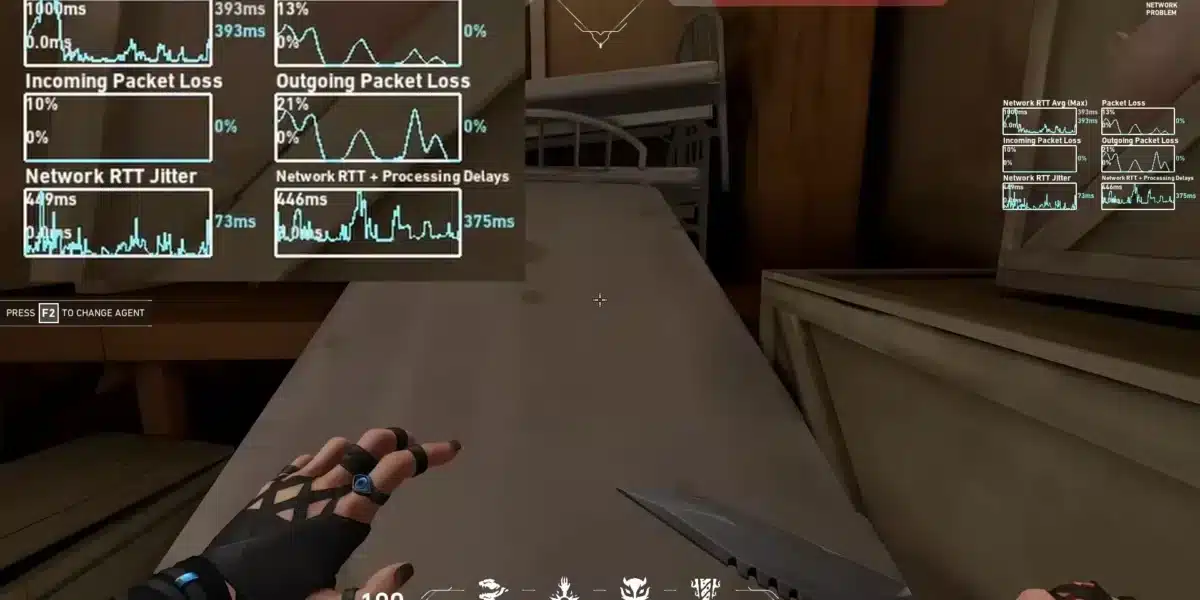
  • Monitor recurring ping or packet loss issues.

If you often experience Valorant connection problems, treat that as a separate issue from login credentials. You may need routing optimization, better Wi-Fi, ISP support, or a tool like ExitLag.

How does ExitLag help with Valorant login and connection stability?

ExitLag does not recover Riot accounts, reset passwords, bypass bans, or fix wrong credentials. It is not a replacement for Riot Support.

ExitLag helps when your Valorant login or gameplay problems are connected to unstable routing, ping spikes, packet loss, or poor network paths. In those cases, the issue is not your Riot account. It is the connection between your device and Riot services.

Because VALORANT is a competitive tactical shooter, stability matters before and after login. A smoother connection can help reduce the frustration of timeouts, lag spikes, rubberbanding, and inconsistent matches.

When ExitLag can help Valorant players

ExitLag can help when you notice:

  • Login timeouts.
  • Unstable routing.
  • High ping.
  • Packet loss.
  • Jitter.
  • Random disconnects.
  • Lag spikes during matches.
  • Connection instability at peak hours.
  • Better performance on one network than another.

If your credentials are correct and Riot services are online, but your connection keeps failing, ExitLag is worth testing.

It works by optimizing your route to game servers and helping your traffic avoid unstable paths. That can improve consistency for players whose default ISP route is not ideal.

When ExitLag cannot fix the issue

ExitLag cannot fix:

  • Wrong passwords.
  • Forgotten usernames.
  • Locked accounts.
  • Suspensions.
  • Missing MFA access.
  • Hacked accounts.
  • Riot server outages.
  • Incorrect region settings.
  • Client corruption that requires reinstalling.
  • Billing or purchase issues.

For those problems, use Riot’s official tools and support pages.

The best approach is to combine both: use Riot Support for account access problems, and use ExitLag for connection stability.

FAQ

How do I fix a Valorant login error?

Start by checking your Riot username and password. Then check Riot Service Status, restart the Riot Client, restart your PC, disable VPN or proxy tools, and test your internet connection.
If the issue is account-related, use Riot’s account recovery tools or submit a support ticket.

Why can’t I log in to Valorant?

You may be using incorrect credentials, facing a Riot service outage, dealing with MFA problems, experiencing connection instability, or trying to access an account that is locked or compromised.
Check the exact error message before choosing a fix.

What does “credentials don’t match” mean in Valorant?

It usually means the username or password does not match Riot’s records. It can also happen if you are using the wrong account, relying on outdated autofill data, or your account details were changed.
Use Riot’s forgot username or password tools to recover access.

How do I recover my Valorant account?

Use Riot’s official Account Recovery Tool first. If that does not work, submit a ticket through Riot Support with your Riot ID, region, registered email, approximate account details, and any proof of ownership.

How do I fix a Valorant authentication error?

Restart Riot Client, sign in manually, request a fresh MFA code, check your email inbox and spam folders, confirm Riot services are online, disable VPNs, and test your network.
If you still cannot authenticate, use account recovery or contact Riot Support.

Can ExitLag fix Valorant login issues?

ExitLag can help if the issue is caused by unstable routing, packet loss, high ping, or network timeouts. It cannot fix wrong credentials, locked accounts, Riot server outages, or account recovery problems.

How do I prevent Valorant sign in problems?

Use a unique password, enable MFA, keep your email secure, avoid phishing links, update Riot Client, avoid unstable public Wi-Fi, and monitor recurring connection issues.

Should I contact Riot Support for connection problems?

Contact Riot Support if you see account errors, locked account messages, billing problems, or moderation issues. For unstable routing, ping spikes, packet loss, or lag, try network troubleshooting and consider ExitLag.

Final thoughts

Valorant login problems can come from account mistakes, Riot server issues, authentication errors, client problems, or unstable connections. The key is to identify the cause before applying random fixes.

Start with the basics: confirm your credentials, check Riot Service Status, restart Riot Client, test your network, and use Riot’s official account recovery tools when needed. If your issue involves Valorant account access, do not rely on public forums or unofficial recovery services. Use Riot Support.

For network-related problems, ExitLag can help make your connection more stable by optimizing routes and reducing packet loss, jitter, and ping spikes. Valorant login stability is only the beginning. Try ExitLag today to improve your VALORANT connection, reduce frustrating interruptions, and play with a smoother path from sign-in to final round.

Got questions or want to connect with other players? Join the conversation at the ExitLag Forum!

Leandro Sandmann

Leandro Sandmann

Leandro Sandmann, graduated in Computer Science from FEI, is the co-founder of ExitLag, a company created to improve stability and internet connections for online games. He has been sharing his knowledge about games and technology through various channels, contributing to the Blog's articles.

8218
1
Related Content

Continue Reading